

Cameron Hamilton, President Donald Trump’s nominee to lead the Federal Emergency Management Agency (FEMA), assured senators on Wednesday that he would be “fair and reasonable” when evaluating requests for disaster aid.
His pledge comes as he seeks to take the helm of an agency that has faced threats of dismantling from the administration.
Appearing before the Senate Homeland Security and Governmental Affairs Committee, Hamilton was among 10 nominees undergoing assessment for various administration roles. Addressing Michigan Senator Gary Peters, the committee’s top Democrat, Hamilton stated, “My focus will be to ensure that FEMA is objective, is fair and reasonable, follows the law, and is consistent” in its review of disaster declaration requests. Peters had raised concerns about potential partisanship in granting major disaster declarations.
Hamilton previously held a brief temporary leadership role at FEMA early last year but was removed after publicly defending the agency’s existence. During a House hearing in May 2025, he asserted that he did not “believe it is in the best interest of the American people to eliminate” FEMA, and was subsequently fired the following day.
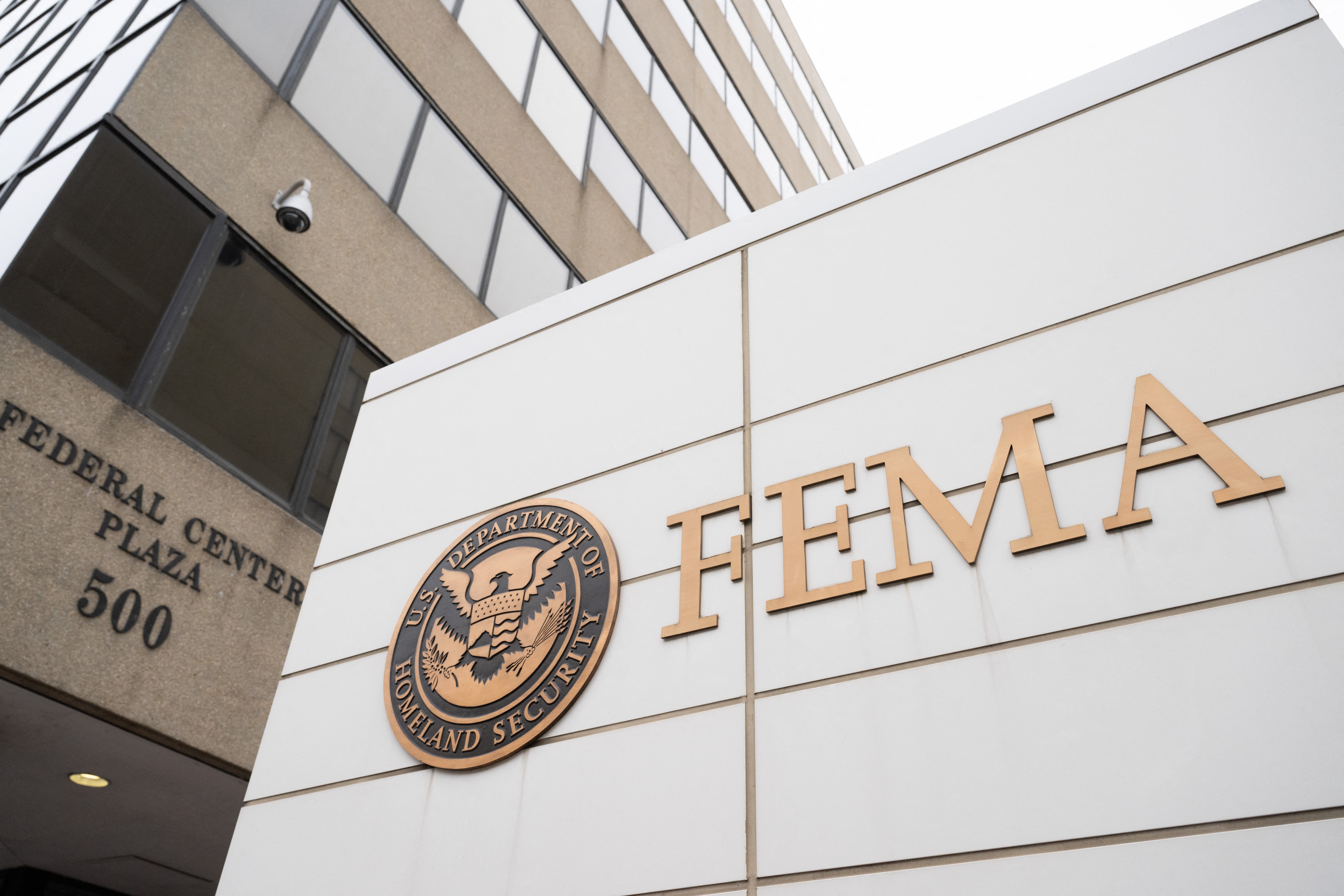
His nomination comes as the Republican administration has increasingly signaled it is backing away from promises to dismantle an agency that has been heavily criticized by the president.
If confirmed, he would be FEMA’s first permanent administrator in Trump’s second term. He will need to lead FEMA through what is expected to be a busy summer disaster season, while answering to Trump, who is likely to expect major changes after a council he appointed recommended sweeping moves at the agency that is part of the Department of Homeland Security.
Hamilton distanced himself from some FEMA controversies
Nominees did not give opening statements, but Hamilton received the bulk of lawmakers’ questions while appearing with four others in the first half of the hearing.
His answers suggested a departure from some of the more aggressive policies considered and enacted during Kristi Noem’s turbulent leadership at DHS. FEMA’s workforce has been worn down by mass staff departures, policies that hamstrung operations and a protracted DHS shutdown.
Hamilton expressed faith in the FEMA staff and praised the recent opening of 350 positions to counteract some of the cuts. He said that if confirmed by the Senate, he would do what he could to speed up disaster declaration decisions and reimbursements to states, tribes and territories.
“We owe you answers, I think, much faster,” he told Sen. Josh Hawley, R-Mo, adding that many FEMA processes needed to be simplified.
Hamilton disavowed a recommendation he included in an April 2025 memo to quadruple the threshold of financial damages a state needed to prove to receive FEMA public assistance. He also noted the importance of resilience funding, despite halting billions in resilience grants during his previous tenure.
Republican and Democratic senators at the hearing expressed support for FEMA’s mission, despite Trump’s early threats to eliminate it. “I think what your agency does is hugely important,” Hawley told Hamilton.
But multiple Democrats echoed Peters’ concern that Trump was approving far more disaster declaration requests from Republican states than Democratic ones.
Of the state disaster declaration requests Trump answered through the end of May, he approved about 82% from states that voted for him in the last election and 44% from states that voted for Democrat Kamala Harris, according to an analysis of public FEMA data by Andrew Rumbach, senior fellow at the nonpartisan think tank Urban Institute.
Hamilton, a former Navy SEAL, has never worked as a state or local emergency manager and has publicly criticized FEMA in the past. He has held positions at DHS and the State Department related to emergency response.
No senator questioned Hamilton’s suitability for the position.
Federal law requires the FEMA administrator to have “a demonstrated ability in and knowledge of emergency management and homeland security” and at least five years of “executive leadership and management experience.”
Criticism over the hearing format
Peters criticized the committee chairman, Sen. Rand Paul, R-Ky., for scheduling so many nominees at once, saying that made it more difficult for senators to properly screen them.
“The lineup today severely limits our ability to have transparency for the American public,” Peters said. He noted that Hamilton was among two nominees whose FBI background investigations were not yet complete, and that two others had not submitted their financial disclosure reports.
Others who appeared included Trump’s pick for deputy director of the Office of Management and Budget, Hal Duncan, and administrator of the Transportation Security Administration, David Cummins.
Paul said the committee would only vote on the nominees when their financial and background checks were complete.