
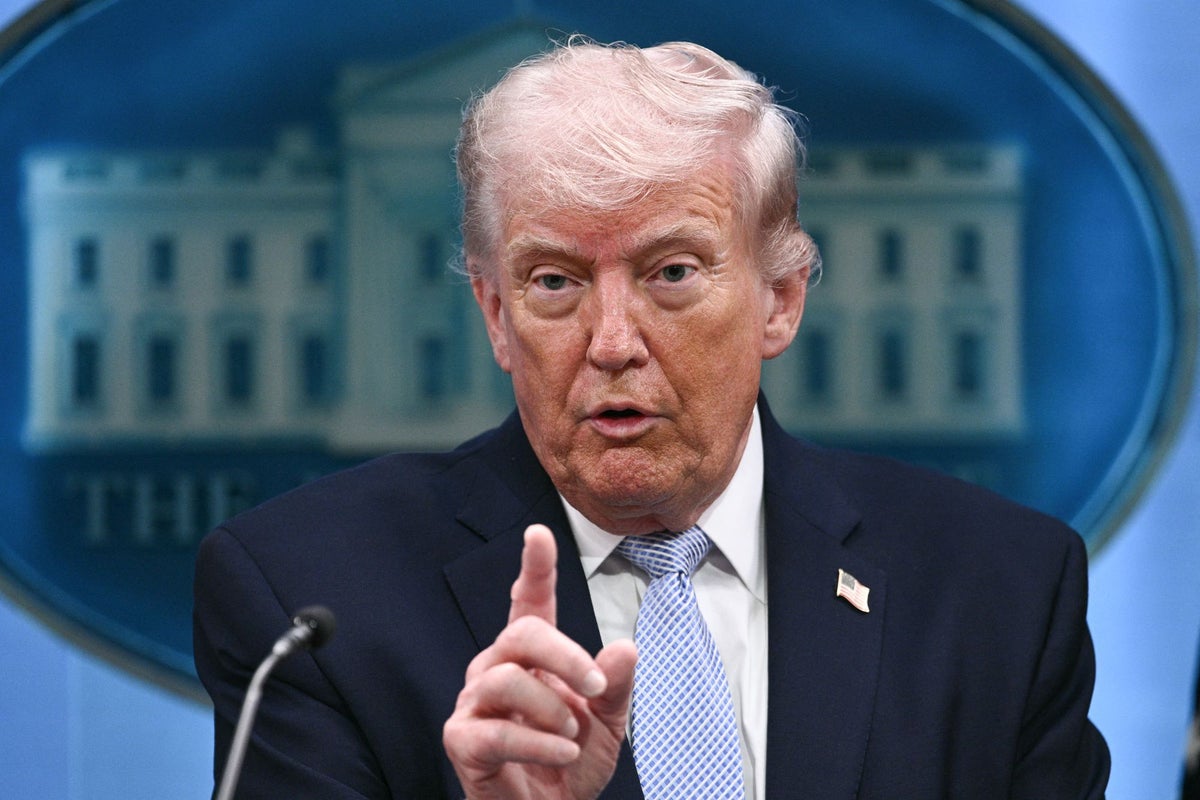
Donald Trump has declared that Iran agreeing not to pursue a nuclear weapon would be the mark of a successful peace talks with Tehran in Pakistan this weekend.
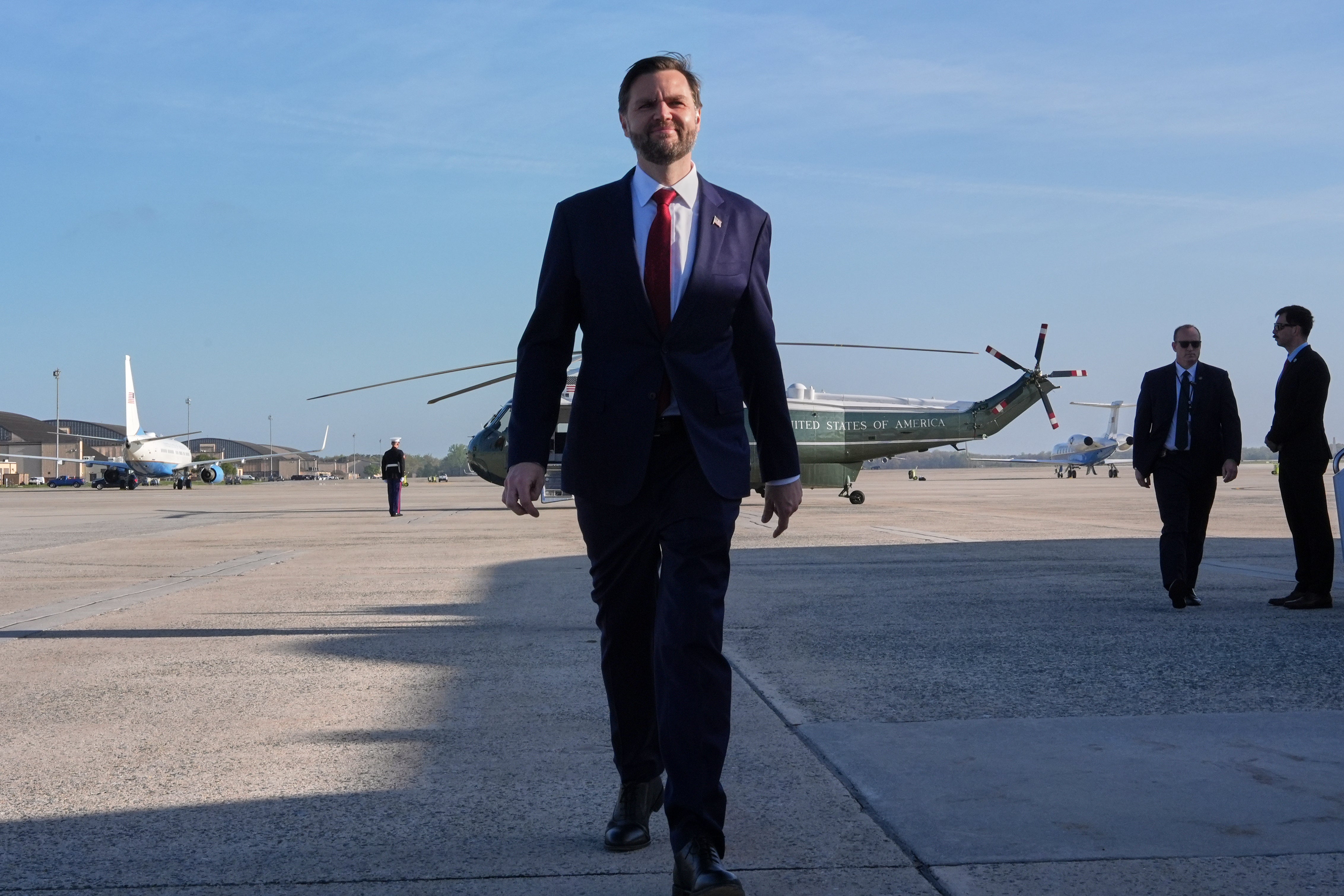
US vice president JD Vance and Iranian negotiators have arrived in the Pakistani capital of Islamabad for the talks, which are scheduled to begin on Saturday and are aimed at bringing an end to the six-week conflict.
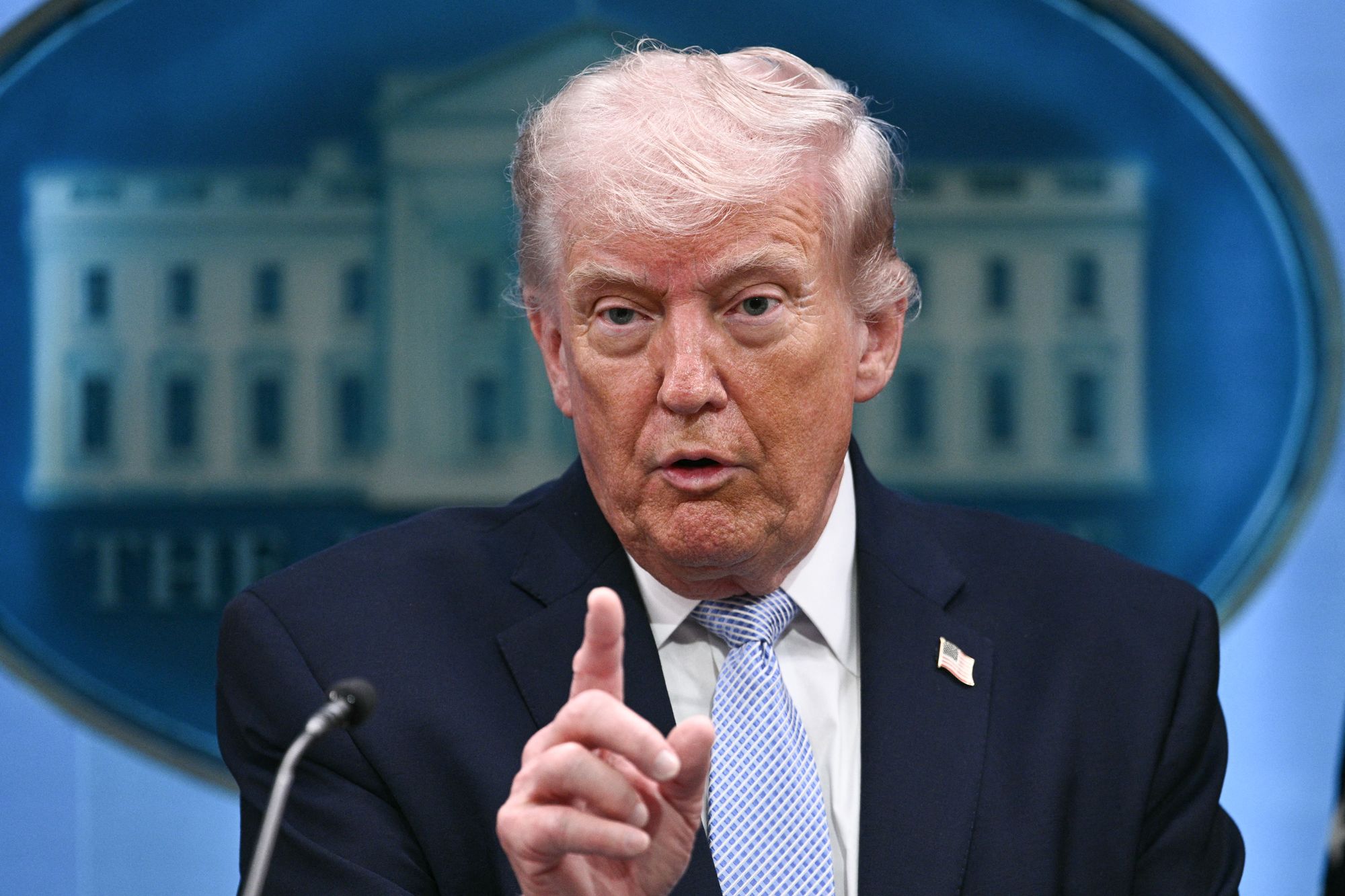
“No nuclear weapon number one,” Trump said when asked what a good deal looks like for the White House. “I think it’s already been regime change, but we never had that as a criteria. No nuclear weapon, that’s 99 per cent of it.” Tehran denies it is pursuing a nuclear weapon.
Speaking about Vance, who is leading the US delegation and earlier warned Iran not to “play” the US, Trump wished him luck and said he has “got a big thing”.

The vice president said that he expected a positive outcome from negotiations, insisting that the US would reciprocate whether Iran comes to talks in good faith or “tries to play us”. He said the negotiating team was under “clear guidance” from the president.
Trump has issued a series of warnings to Tehran, on Friday declaring that the US military is “loading up the ships with the best ammunition” to prepare for a resumption of the conflict if talks fall through.
He also earlier warned that the only reason Iranian officials are still alive is so the US can negotiate with them.
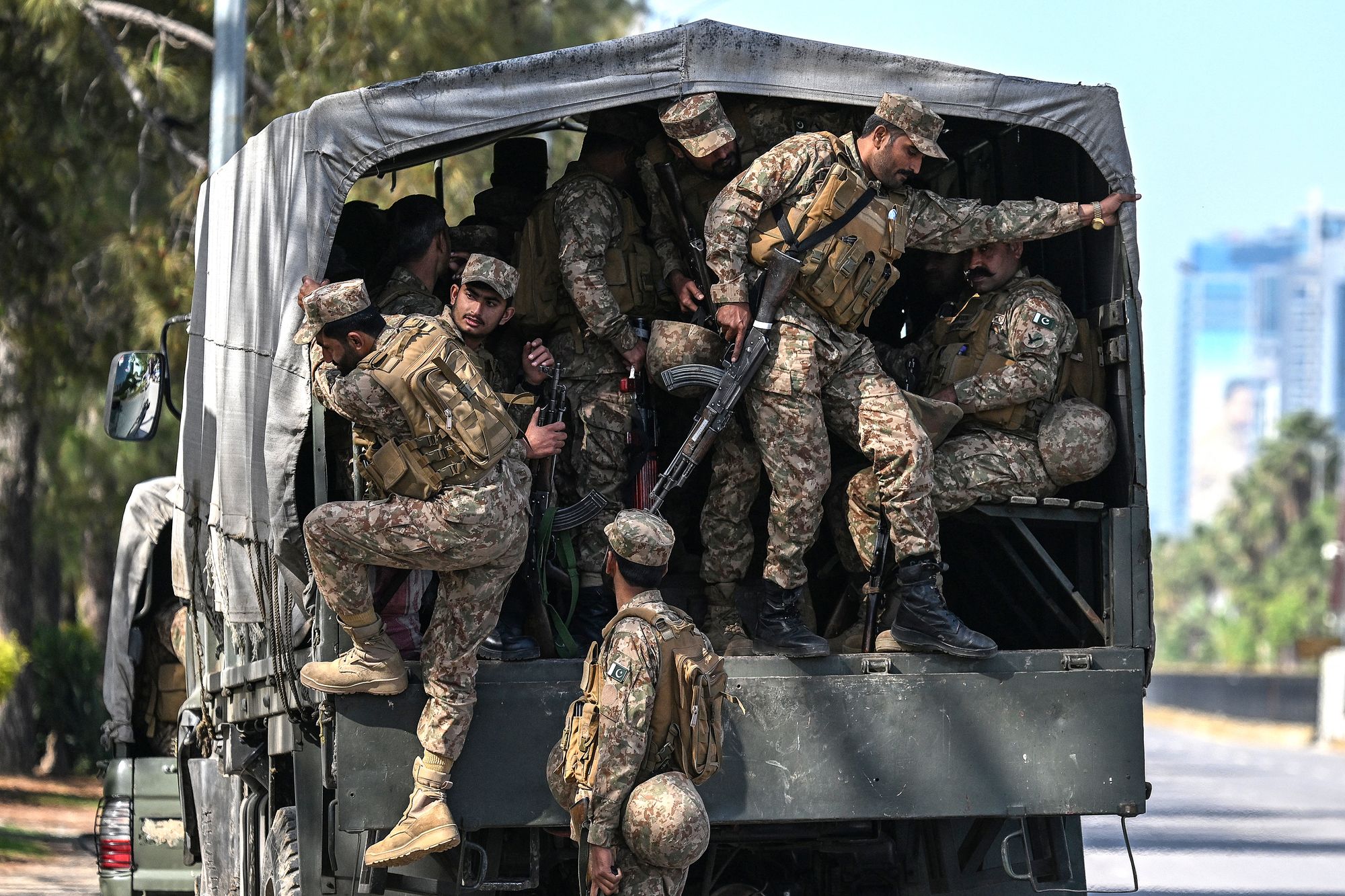
The centre of Islamabad was placed under complete lockdown as soldiers arrived to guard a two-mile security perimeter, with negotiations scheduled to begin Saturday.
But Iranian parliamentary speaker Mohammad Baqer Qalibaf said that two previously agreed measures – a ceasefire in Lebanon and the release of Iran’s blocked assets – must be implemented before negotiations begin.
The ceasefire deal in place to allow for the talks talks faced further uncertainty on Friday, as Trump said Iran was doing a “very poor job” of allowing oil through the Strait of Hormuz, against the terms of their agreement.
Just one non-Iran-related major vessel had crossed out of the strait in 24 hours on Friday, with hundreds of ships still stranded in the Gulf awaiting guidance and security assurances to start moving again.

With the Strait no closer to being open, Japan said it was planning to release another 20 days’ worth of oil from its reserves from May. The world’s fourth-largest exporter relies on the Gulf for some 95 per cent of its oil.
Trump warned Iran not to charge tolls on ships crossing the strait, after suggesting this week that the US and Iran could embark on a “joint venture” together to collect fees from global shipping.
“There are reports that Iran is charging fees to tankers going through the Hormuz Strait,” he wrote in a post on Truth Social. “They better not be and, if they are, they better stop now. That is not the agreement we have!”
Iran – whose exports remain largely unaffected – has threatened to call off talks over Israel’s sustained attacks on Hezbollah, which it also cast as a breach of the ceasefire agreement. Iran says the truce was meant to apply to Lebanon, a position initially supported by Pakistan, which mediated it.
Trump told NBC News on Thursday that he was “very optimistic” that a peace deal with Iran was still in reach, insisting that Israel was going to “low-key it” in Lebanon. He also threatened that if Iran does not make a deal, “it’s going to be very painful”.
Israeli strikes continued across southern Lebanon on Friday, with more than a dozen people reported killed in various towns. One strike killed eight members of Lebanese state security forces, Lebanon’s state media said. At least 357 were killed in one day on Wednesday, with the total death toll from Israeli attacks since 2 March nearing 2,000.
The Lebanese government and the Trump administration have reportedly asked Israel for a “pause” in its attacks against Hezbollah before direct negotiations between Israel and Lebanon begin next week, according to Axios.
Israel said on Thursday that it would open separate talks with the Lebanese government aimed at ending the war there and disarming Hezbollah, a distinct militia and political party backed by Iran.
The Trump administration is under renewed pressure to find a lasting resolution to the war, as official data showed that inflation had jumped to its highest level in nearly two years.
Headline inflation rose 3.3 per cent in March, year-on-year, as energy costs spiked in the wake of the conflict. That was up from 2.4 per cent YoY in February.
Gas prices soared 21.2 per cent between February and March, the biggest monthly increase since the government started tracking figures in 1967. The price of fuel oil was up more than 30 per cent.
British prime minister Keir Starmer said on Friday that he and Trump have discussed how to reopen the Strait in order to assuage spiralling prices and free the stranded tankers.
“We’ve been pulling together a coalition of countries … working on a political, diplomatic plan, but also looking at military capabilities and … the logistics of actually moving vessels through the strait,” Starmer said.