Determined to humiliate Donald Trump’s efforts to extract his country from a war he started, Tehran launched waves of attacks across the Arabian Gulf and sneered at his peaceful overtures.
No matter that Pakistan has said it hopes to host direct talks between the US and Iran sometime this week, Iran’s securocrats have seen an opportunity. Trump wants to get out of the conflict that Israel does not believe has achieved its aims.
Iran’s regime has fomented instability across the Middle East for decades. It has killed Americans and many other Westerners, run Hezbollah in Lebanon and backed Hamas in Gaza.
And yet the global perspective is that the war, which is already hobbling global fuel supplies and will have far greater economic consequences, is all the fault of America and Israel.


The ayatollahs blame the “Great Satan”, the US, and “Little Satan”, Israel, and even its enemies and rivals agree.
Frank-Walter Steinmeier, Germany’s largely ceremonial president, waded in with his assessment of the war being prosecuted by Trump and Israel’s prime minister Benjamin Netanyahu, calling it a “politically disastrous mistake”.
“In my view, this war is contrary to international law,” said the president of the Nato member.
Trump has variously claimed that Iran’s nuclear capability had been “obliterated” last summer, that Tehran was on the verge of attacking Israel with nuclear weapons in February, and that 100 per cent of Iran’s military capability had been destroyed, but that if it continued to throttle shipping in the Straits of Hormuz then its would suffer even greater levels of destruction.
The behaviour of the US president towards his allies in Nato – he has threatened to invade two of them and cut military support for Ukraine which is holding off Russian invaders who have designs on Nato members – has been noted in Tehran.
The extremist theologians and terrorist-backing gangsters in the Islamic Revolutionary Guards Corps (IRGC) have noted that Trump is an incoherent and unreliable ally.

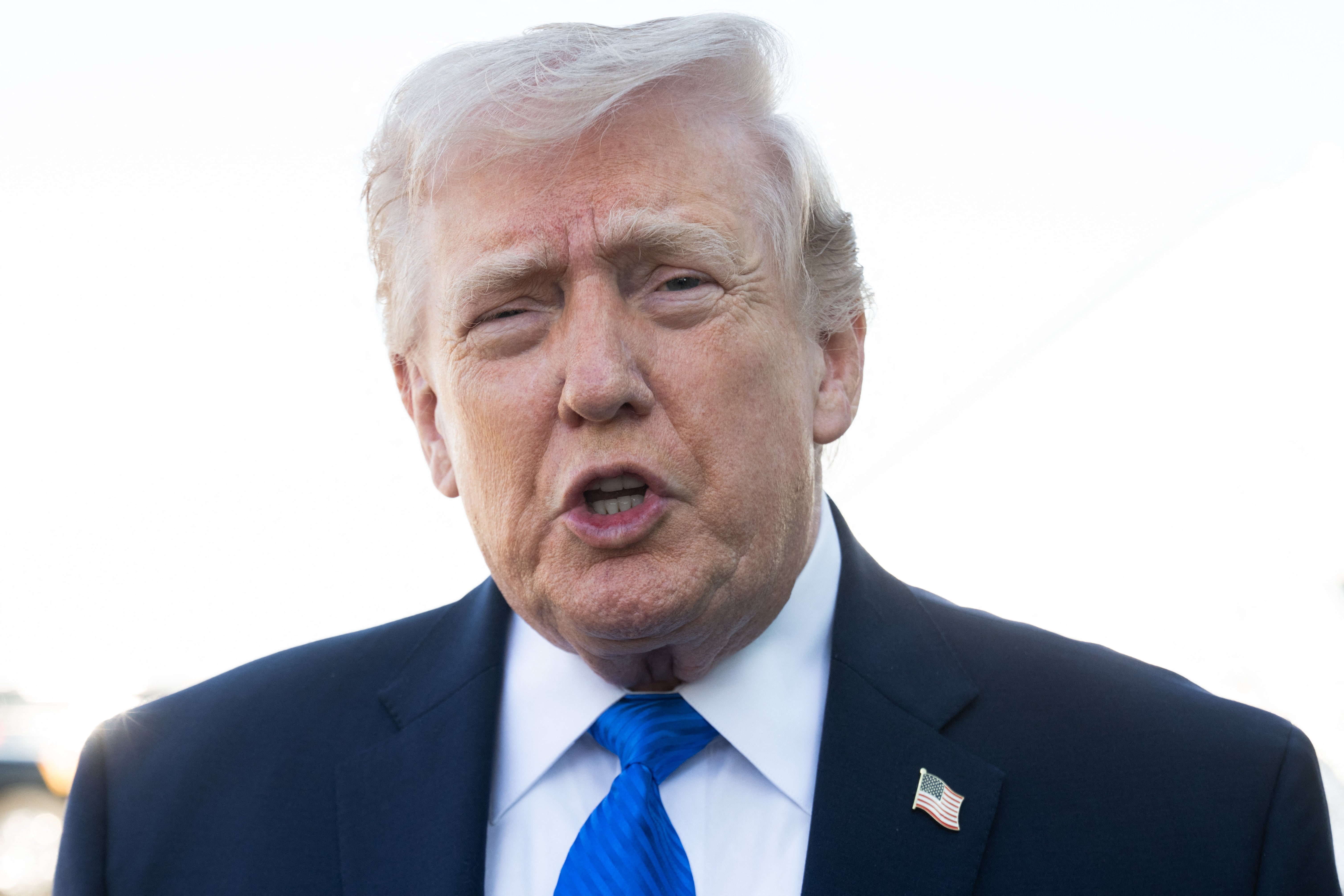
“We were surprised by an American ally, who remains an ally, but who is becoming increasingly unpredictable and doesn’t even bother to inform us when they decide to launch military operations,” Fabien Mandon, the French army chief told a security and defence forum in Paris.
“It has an impact on our security and it has an impact on our interests.”
That was mild stuff compared to what must be being said in the Tel Aviv headquarters of Israel’s Ministry of Defense of Israel, where planners still have a very long list of targets they intend to attack in Iran, but can see the US president backing out of any greater role in bombing their enemy.
US aims in Iran are opaque – regime change, protection of civilian protestors, breaking the military, ending Iran’s nuclear programme. The consequences of trying to do so have never been obscure – apart from to the White House.
That Iran would defend itself, survive the decapitation of its leadership, attack US allies in the Gulf and close the Straits of Hormuz were blindingly obvious. They were the risks that Israel was prepared to take in an effort to destroy a regime that threatens its existence.
Israel has been asked by the US to hold off on attacking Iran’s energy systems alongside a five day pause in US bombardment against power plants ordered by Trump. He said this was to allow talks, which he said had gone well, to advance.

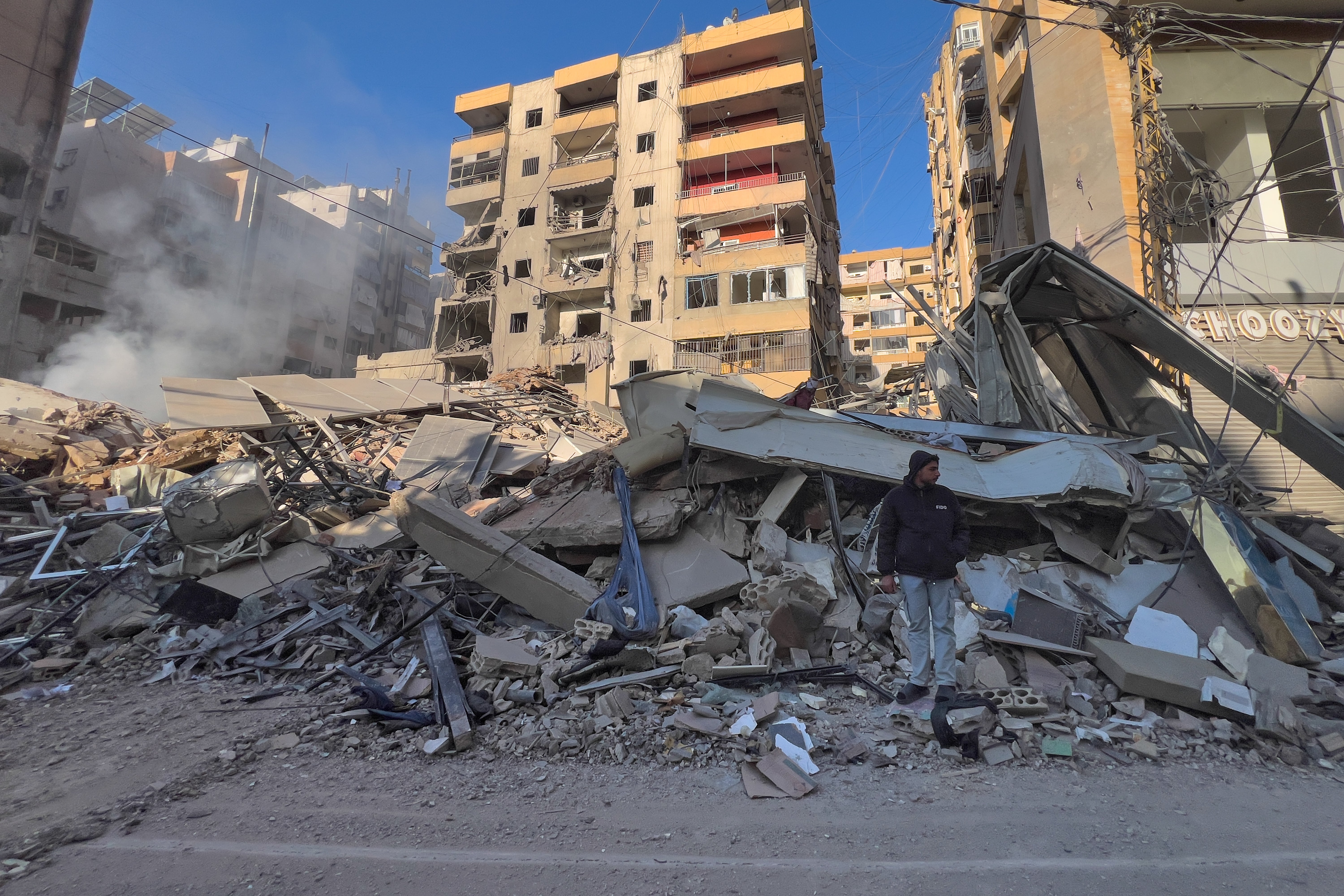
Iran was quick to insist there had been no direct negotiations and immediately launched attacks across the Arabian Gulf region while it also continued to get hit by the US and Israel across its territory.
With oil surging over $110 a barrel and gas prices also skyrocketing because of the closure of the Straits, the Iranians know that the longer they can hang on the greater the chance that Trump will leave just Israel in the fight.
A fifth of the world’s oil and gas usually travels through the 21-mile wide choke point where Iran now has its foot on the neck of the world’s energy economy.
But between 25 and 30 per cent of the world’s fertiliser goes through this artery and around 50 per cent of the world’s urea, an essential ingredient in industrial fertilizers.
Trump is coming under pressure because of a surge in home petrol prices. Global food production also hangs in the balance and if, soon, farmers cannot get access to or afford to buy ingredients to make their crops flourish – there will be a shortage of food and the instability in the Middle East is certain to spread.
For Israel this is another reason to wipe out the regime in Tehran. The Iranian government’s ability to survive and continue to fight means, to Netanyahu, that the only option is more war.
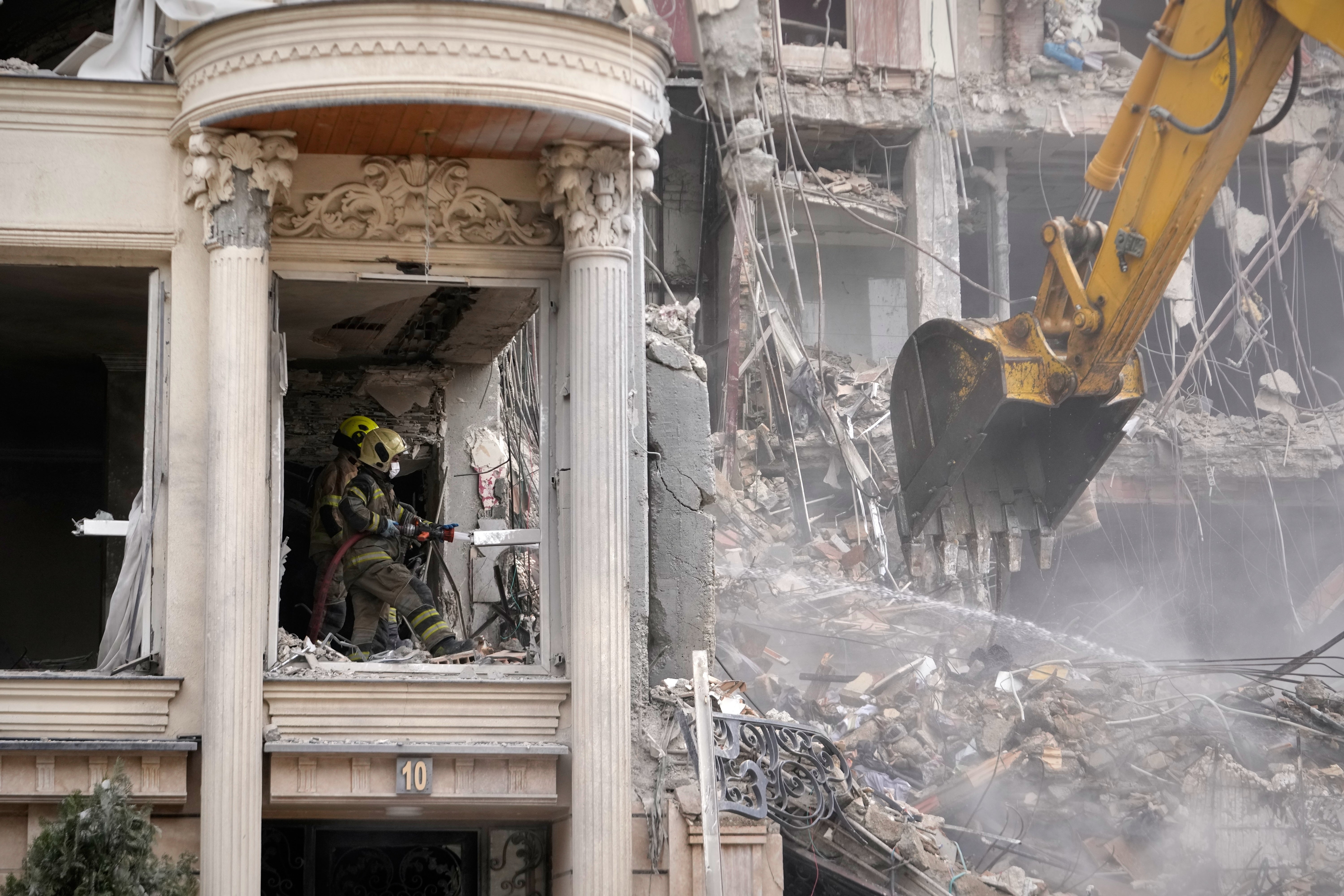
Trump saw no obvious downsides from attacking Iran. He did not see the economic consequences and diplomatic isolation, which have undermined him at home, and made him look variously mad or dim abroad.
But they are swimming into focus now.
Iran is reportedly demanding that it be left with a sovereign choice of nuclear developments, keep its nuclear programme, and see the back of American forces now based in the Gulf as conditions for a ceasefire.
Trump demands the opposite. US troops are heading to the Gulf. But he clearly wants out of the whole farrago.
That would leave Israel alone unable to change Iran’s regime, very short of victory and blamed by its recently acquired friends in the UAE and Bahrain for shattering their peace and economies for decades.
Tehran will see that as a win.