Donald Trump indicated on Tuesday that he did not intend to go after China after accusing America’s main geopolitical rival of causing an election security “nightmare” and actively interfering in the 2020 election.
The president seemed to distance himself from the claims he made about the Chinese government as he was asked by a journalist whether he would put any pressure on Beijing to stop efforts aimed at sowing discord in U.S. elections. Trump, in a national address last week, claimed that the 2020 election’s outcome was influenced by the “largest compromise of election data in history”.
On Tuesday, Trump suggested that he believed China’s government had already learned its lesson, and even seemed to downplay the severity of his highly contested accusations.
“We’re going to talk to them about it, it took place a long time ago. I think China is maybe a little bit different today than it was then,” Trump said. “They do things and we do things to them.”
“I’ll be honest: We do things to them. It’s not a one-way street,” the president continued.

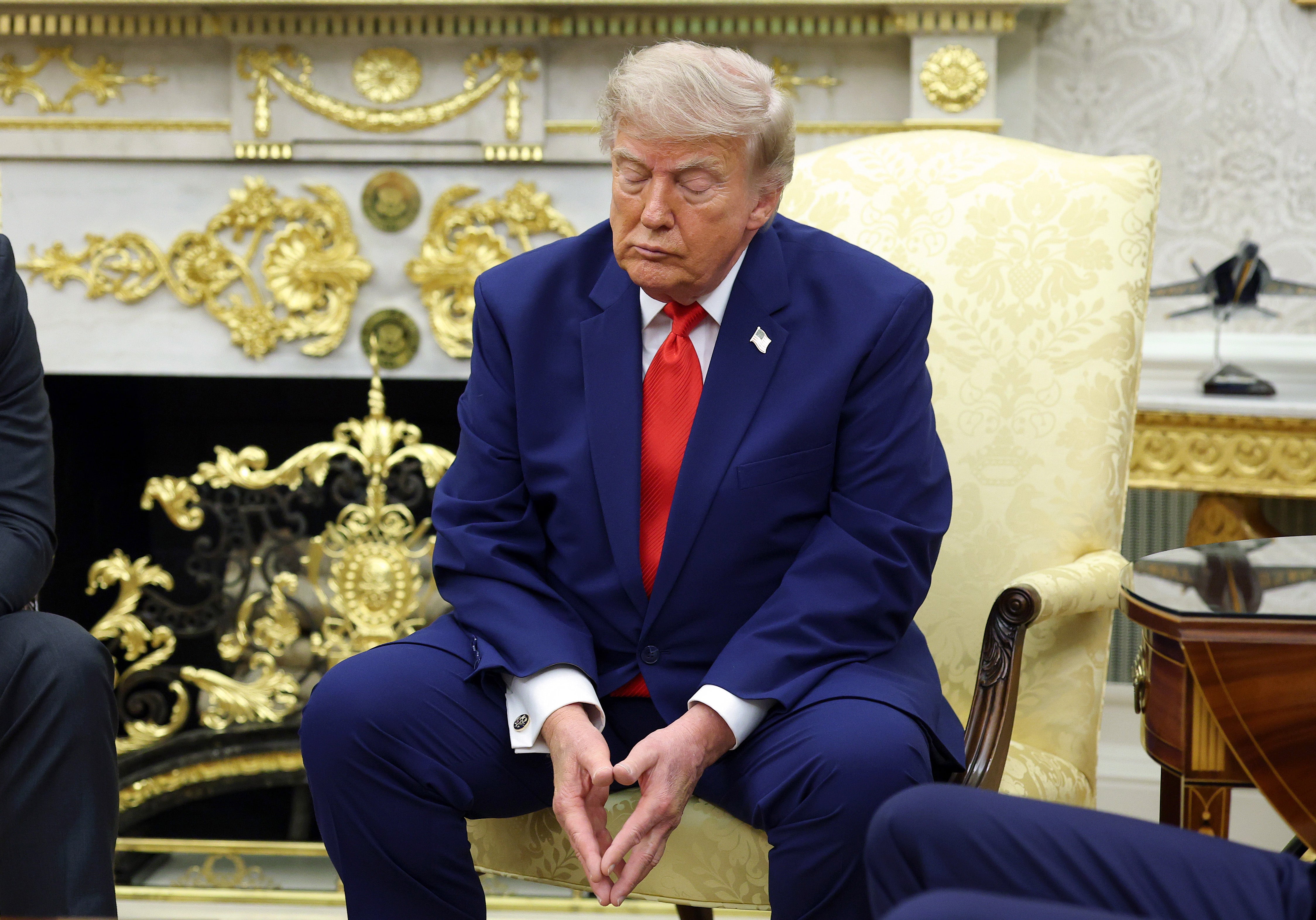
The answer was an awkward about-face for Trump who hoped to focus the attention of the nation on voter fraud and election security last week when he argued in a primetime address that the 2020 election had been influenced by a major collection of voter data by Chinese agents.
That speech came as the president is pushing a new round of voter ID legislation and has already refused to sign another major bill while the SAVE America Act remains unpassed.
But the Senate’s Republican leaders have made clear that they do not have the votes to advance Trump’s signature priority and will not amend or destroy the legislative filibuster to see it become law. This has infuriated the president, who has made voter ID and restricting mail-in ballots his top concern as he pushes policies he believes will help Republicans win elections in the future.
The president’s speech on Thursday highlighted his long-held accusations that the 2020 election, where he was defeated by Joe Biden, was “stolen” from him due to the supposed presence of millions of illegal votes. No U.S. agency has ever proved that, however, and a slate of documents Trump declassified last week around the matter did not do that, either.
“Starting during the 2020 election cycle, the People’s Republic of China carried out what is believed to be the largest compromise of election data in history, resulting in China’s illicit acquisition of 220 million U.S. voter files. That information includes names, addresses, phone numbers, political party preferences, and other sensitive data that would be needed to register to vote and engage in other nefarious activities, which is exactly what was happening,” Trump claimed.
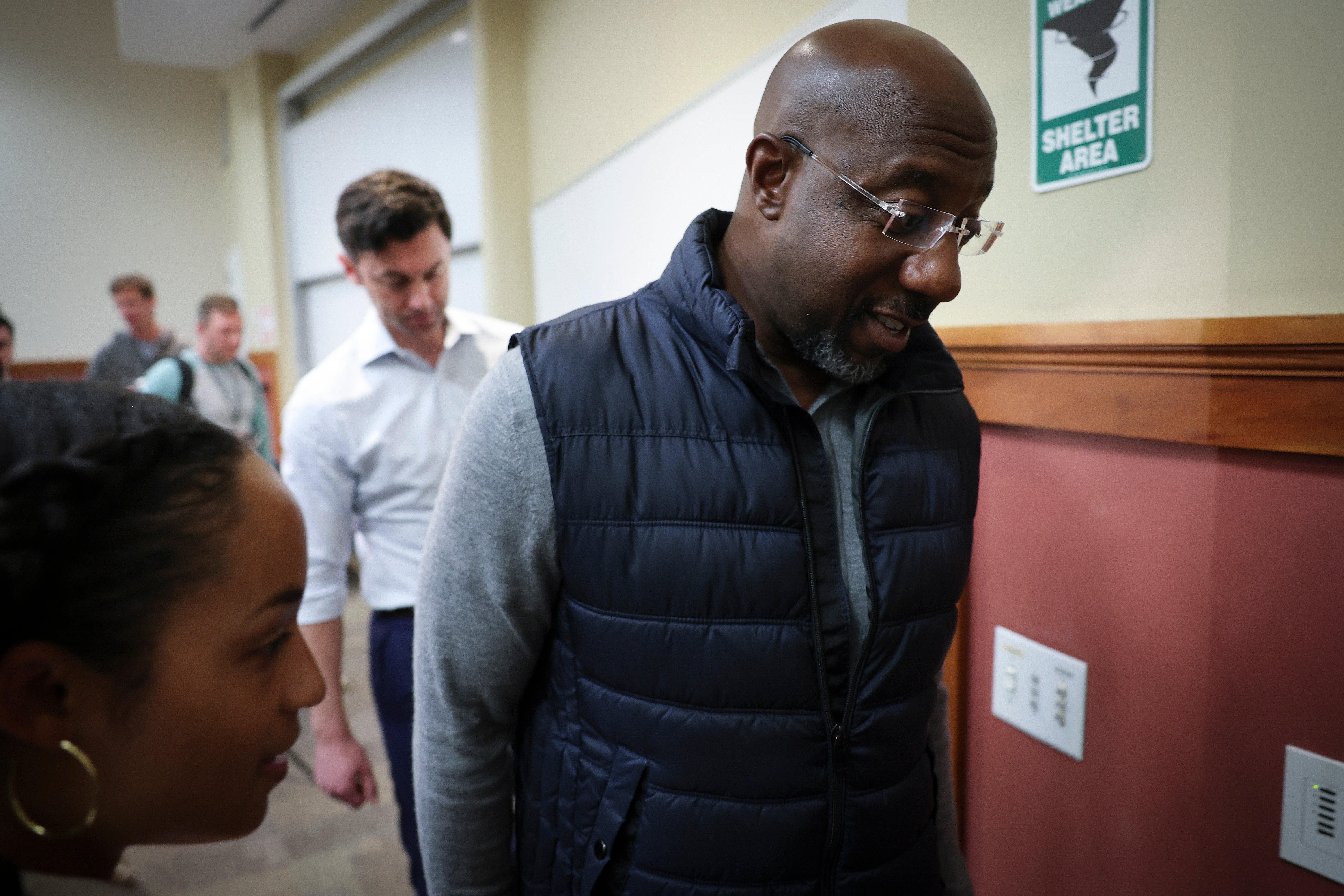
Reports indicated that the initial draft of Trump’s speech included more unprovable claims about the 2020 election cycle, including the assertion that both of Georgia’s U.S. senators elected during that cycle — both Democrats — were elected unlawfully.

A March 2021 report prepared by the ODNI found “no indications that any foreign actor attempted to alter any technical aspect of the voting process in the 2020 US elections, including voter registration, casting ballots, vote tabulation, or reporting results.”
Still, his unfounded claims have served as pretense for launching an FBI raid of Fulton County, Georgia’s election offices in January and baselessly accusing Democrats across the country of committing fraud, both election-related and around financial matters. The SAVE America Act originally included language that would have greatly restricted mail-in ballots, which Trump often incorrectly suggests is still part of the legislation.
Republicans are hoping to pass it now through the upcoming third budget reconciliation push that the House and Senate is expected to take up this summer. But the prospects of its passage remain unclear and there remains a significant risk for the GOP that the Senate parliamentarian will not allow voter ID-related language to be passed through budget reconciliation, which bypasses the typical 60-vote Senate filibuster threshold.