

In recent months, a slight rift has reportedly opened between President Donald Trump and Stephen Miller, the White House deputy chief of staff and architect of the president’s hard-line immigration agenda.
The president, insiders told The Atlantic, sometimes feels that Miller “goes too far” in his push for unprecedented mass deportations.
“I think the president knows very, very well what he can go to Stephen for, and what he probably shouldn’t tell him if he doesn’t want to get an earful,” a former administration official told the magazine.
“The president knows who he is, period,” another told the outlet.
The president himself has at times joked about Miller’s views, telling a crowd at an event he would invite Miller up to the podium to explain his true feelings, but “maybe not his truest feelings.”


“That might be going a little too far,” Trump said.
Evidence of the apparent distance can be seen in the administration’s revised immigration posture, according to observers.
After agents fatally shot two protesters in Minnesota in January, one of whom Miller called a “domestic terrorist” and an “assassin,” the administration soon began to pivot.
It drew down the immigration force in Minnesota, fired Homeland Security Secretary Kristi Noem, and reportedly directed agents to cut back on some of their most controversial tactics, including cuffing immigrants in courthouses and carrying out warrantless arrests. The Border Patrol’s hard-charging Gregory Bovino, the leader of the roving “turn and burn” force of masked agents making arrests across the country, soon returned to his sector in California and then retired.
The administration then reportedly ditched a fast-track immigration agent training program, which the administration adopted last year amid Miller’s push to fund and hire thousands of new agents with billions of dollars in unprecedented funding he helped steer to immigration enforcement.

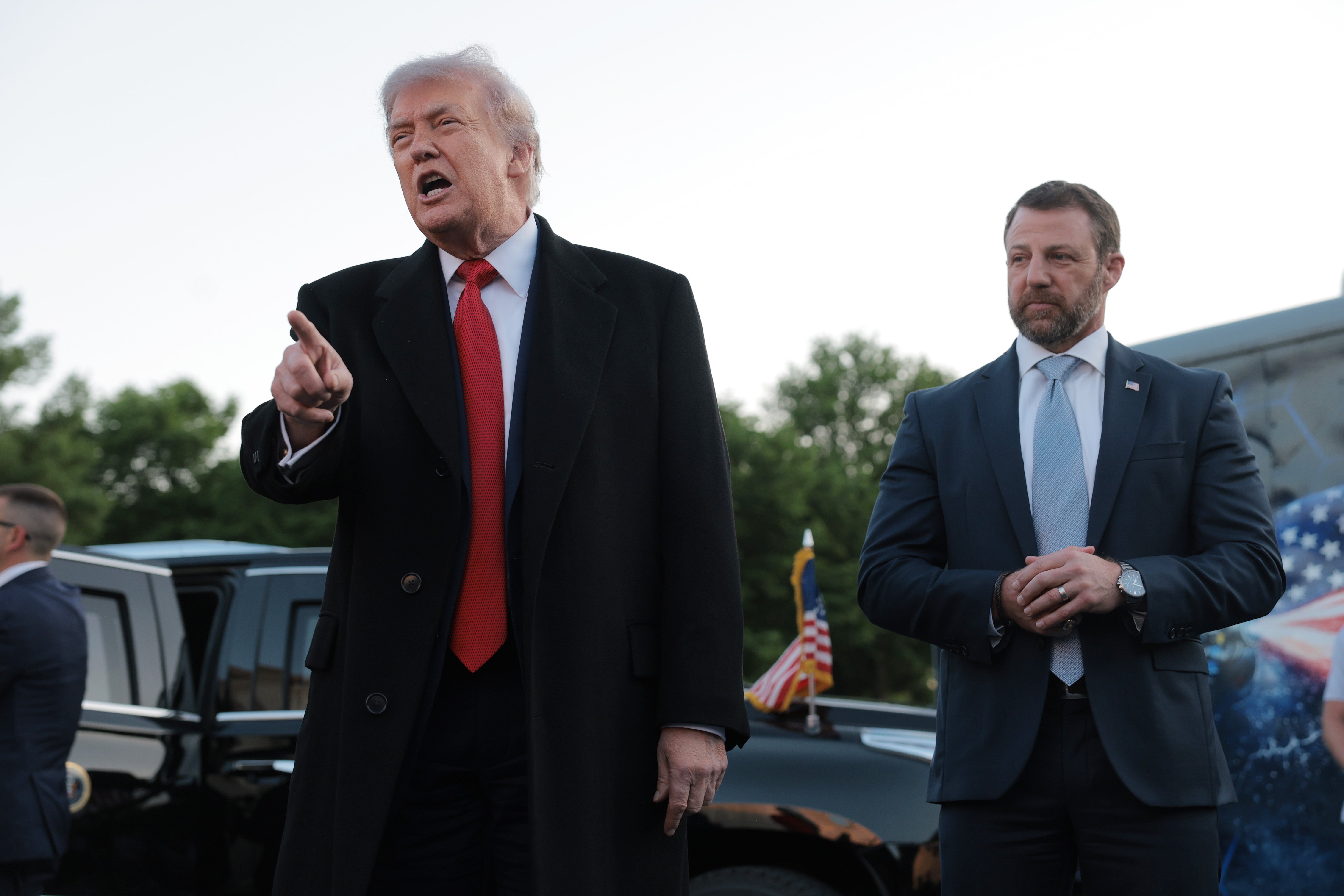
The White House also reportedly marginalized Miller during negotiations to restore DHS funding from Congress, according to The Atlantic.
The changes have gone beyond just big-picture policy questions.
The new homeland security secretary, Markwayne Mullin, vowed during his confirmation hearing that his goal would be for DHS not to be the “lead story every single day,” a marked difference from Miller’s more bombastic style.
On social media and Fox News, Miller was known for writing apocalyptically about how anti-immigration protesters were insurrectionists trying to overthrow the government, while behind the scenes, he reportedly berated immigration agents to achieve an unprecedented 3,000 arrests per day, even if it meant seemingly random raids of day laborers outside Home Depot stores and 7-Eleven markets. Immigration arrests fell sharply after their late 2025 / early 2026 peak, according to an April analysis of federal data by The Associated Press.
The White House and DHS denied suggestions that Miller’s influence was fading.


“Stephen Miller is one of President Trump’s most trusted and longest serving aides,” White House communications director Steven Cheung told The Independent in a statement. “Stephen has worked relentlessly to expeditiously implement every facet of the President’s America First agenda and he will continue to do so. The President loves Stephen and the White House staff respects him tremendously.”
“This is one team, and we have one fight to secure the homeland. Secretary Mullin works closely with President Trump, Stephen Miller, and Tom Homan to deliver on the American people’s mandate to remove criminal illegal aliens from this country,” DHS said in a statement, claiming Trump administration policy drove more than 3 million illegal immigrants to leave the U.S. so far.
“Everyone’s on the same page: the Trump administration is enforcing the law, deporting criminal illegal aliens, and defending the homeland,” DHS added.
And a recent counterterrorism strategy still closely resembles Miller’s views, listing “violent left-wing extremists” as among the top three terror threats to the U.S., alongside Islamist extremists and narcoterrorists.
(Historically, right-wing extremists have been the most frequent and deadliest in the U.S. in recent decades, though 2025 saw a historic spike in left-wing attacks.)