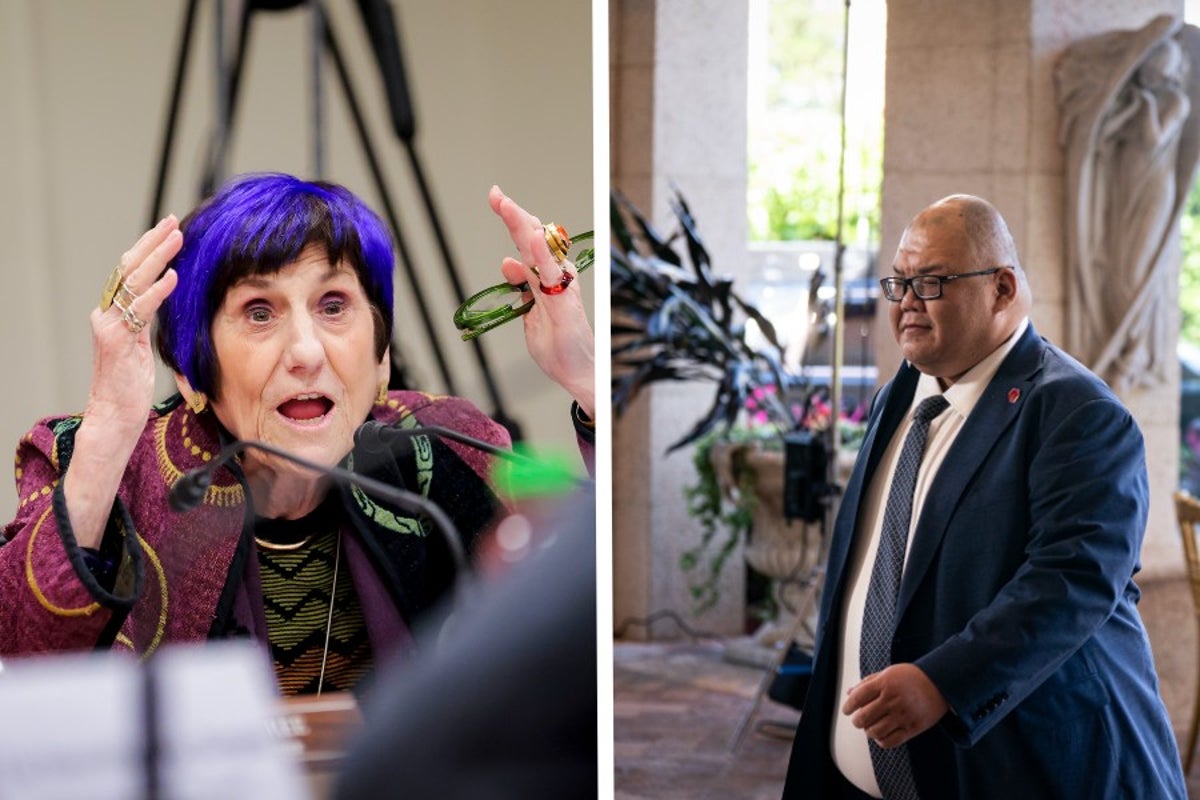



President Donald Trump has promised American farmers they will soon be able to sell their crops to the “lovely country of Iran” now that he has signed a memorandum of understanding to end his war.
Speaking in the White House Rose Garden Thursday, the president said: “After years of getting ripped off by other countries on trade, we’ve reduced the agricultural trade deficit, just this year, by 42 percent, opening markets to the American exports, and all over the world, we’re opening up markets for the farmers.
“And we have another one, a new market, coming up. And that’s called the lovely country of Iran. It’s a beautiful place. Would anybody like to go there?
“Uh, the Islamic Republic of Iran, uh, they’re having a hard time with food, and we’re gonna be taking some of their money and we’ll spend it, and we’re gonna be buying wheat, soybeans, and corn – a lot of it – and, uh, that process is gonna be starting pretty soon. It’s gonna be pretty big, too. I think it’s gonna be very big.”
Trump made the same promise on Truth Social Tuesday, saying that Iran is facing a “humanitarian crisis” because of the war and that he would be removing sanctions on Iranian assets and releasing funds “for the purchase of food and medical supplies, exclusively from the United States.”

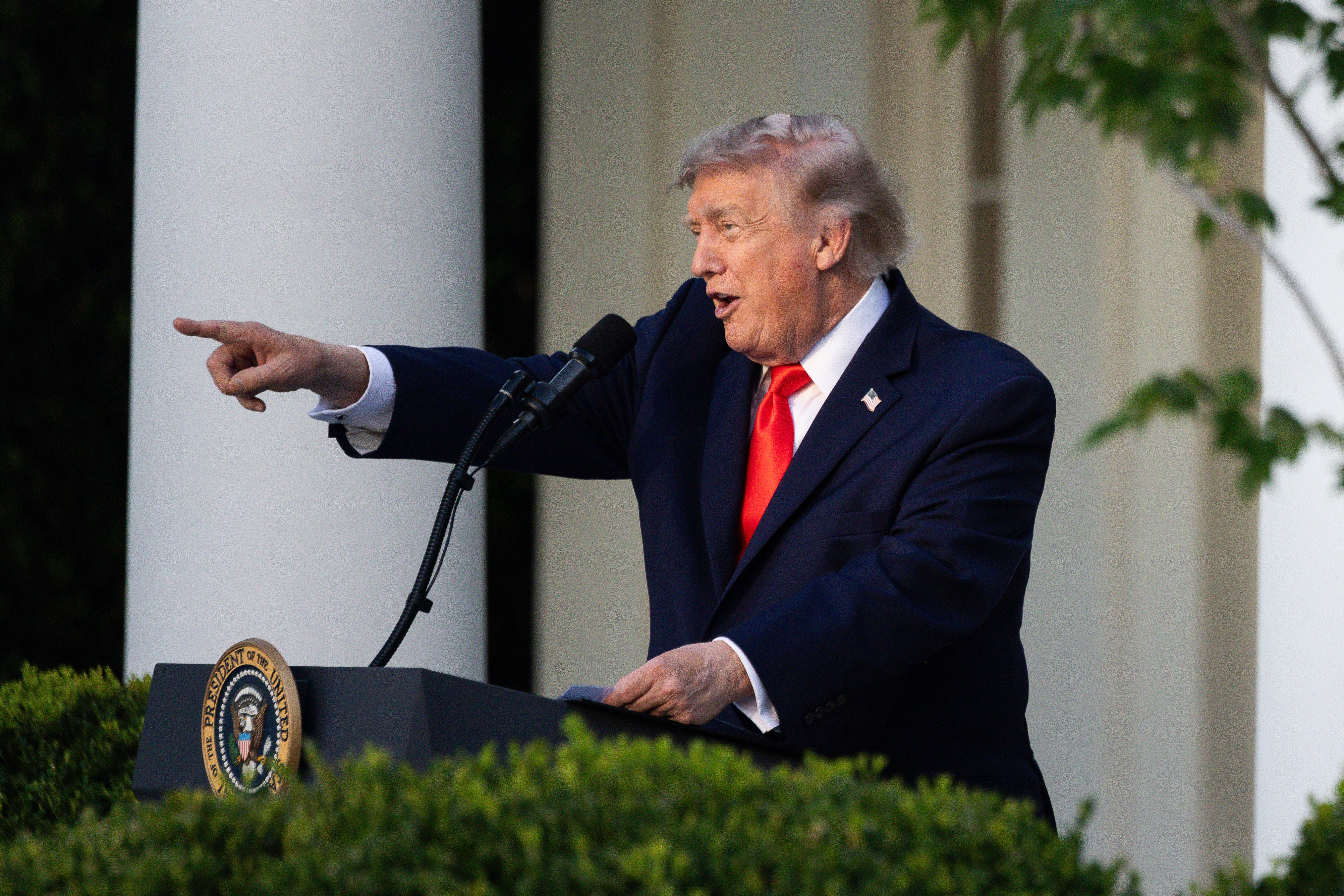
However, as with many of Trump’s pronouncements on Iran in recent months, it was swiftly contradicted by the republic itself.
“It is interesting that the philosophy and goal of the war, which was the destruction of the Iranian civilization and the collapse of Iran, has become enriching American farmers,” Iranian Foreign Ministry spokesperson Esmail Baghaei said in a withering response.
“America falsely claims our unfrozen assets will buy their agriculture,” Mohammad Bagher Ghalibaf, the speaker of the Iranian parliament, wrote on X.
“Interesting. The only crop we’re harvesting is what you planted: decades of mistrust. It’s organic, abundant, and homegrown. But apparently the U.S. only exports GMO soybeans, broken promises and trash talks.”
The U.S. agricultural sector has had a tough time since Trump returned to power in January 2025 and instigated his reciprocal tariffs policy, which ate into demand for American crop exports and drove down prices, necessitating a $12 billion bailout in December.
Rather than acknowledge that the damage had been self-inflicted, the president, predictably, blamed his predecessor Joe Biden for having “crushed” farmers with “the worst inflation in modern history and crippling restrictions on energy, water and countless other necessities.”
But Trump also had to pay out $28 billion to beleaguered farmers during his first term, when they were likewise hit by the fallout of his trade war with China.

They suffered again from the closure of Strait of Hormuz this spring, which saw deliveries of fertiliser, as well as oil, held up, creating domestic shortages.
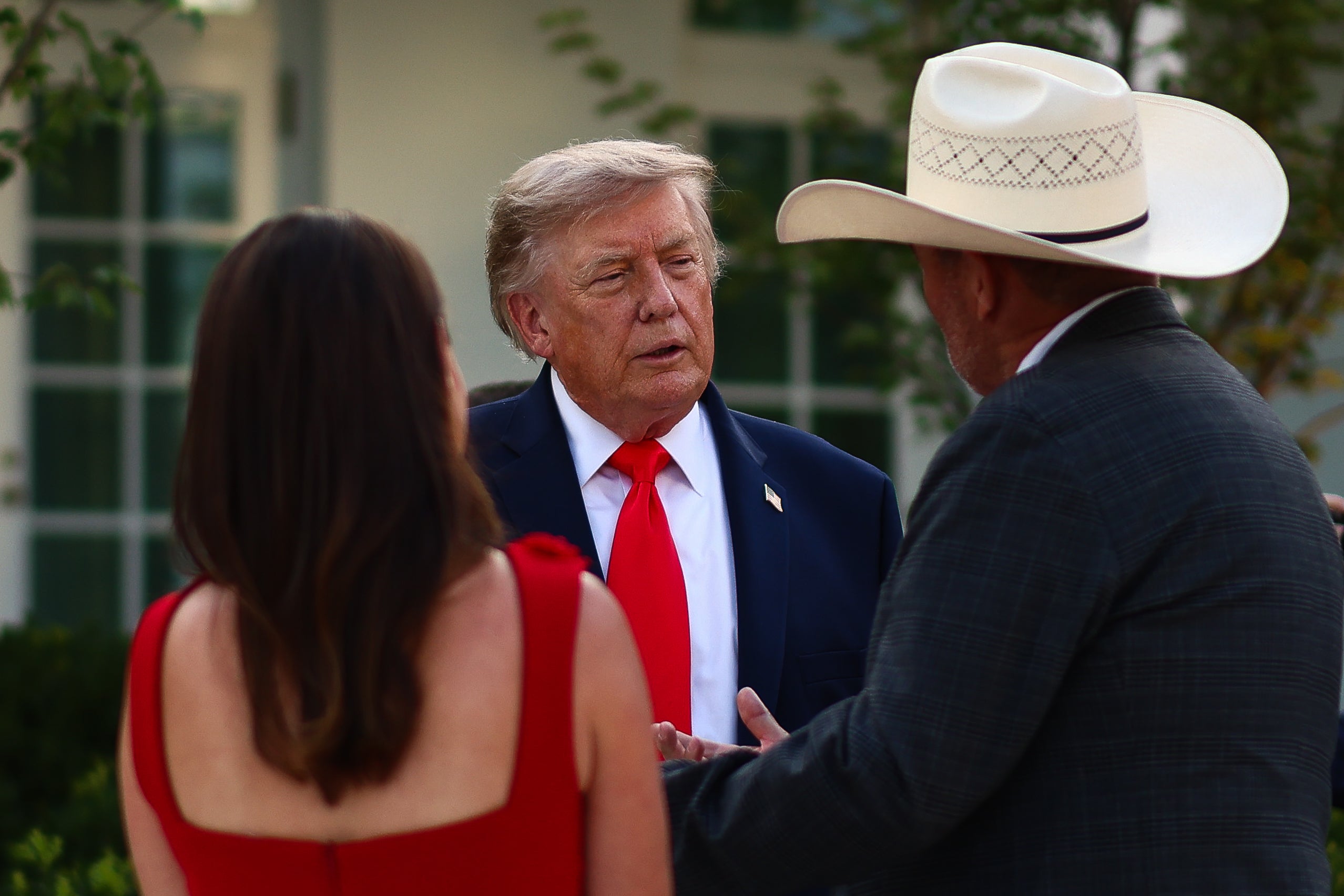
That did not stop the president inviting agricultural workers to the White House in late March to promote the relief he had given them and to hear him proclaim on their behalf that they “do not want handouts.”
Earlier this month, Trump visited farmers in Chippewa Falls, Wisconsin, for a roundtable discussion at which he spent his time showing them printouts of his makeover of the Lincoln Memorial Reflecting Pool, which has since gone disastrously wrong and turned swamp green.
The president’s deportation raids on illegal immigrants caused further problems for America’s rural economy last year, with Trump insisting there would be “no amnesty” for farm workers present in the country without legal status, despite that criteria applying to 42 percent of the demographic between 2020 and 2022, according to the Department of Homeland Security’s own figures.
With the prospect of food shortages raised, the administration has since rowed back its position nine months later, introducing measures to make it easier for farms to hire migrant workers, an about-turn that angered anti-immigrant voters.
The president is currently in the process of seeking a further $87.6 billion from Congress to help pay for the Iran war and to provide additional support for farmers, among other issues.