




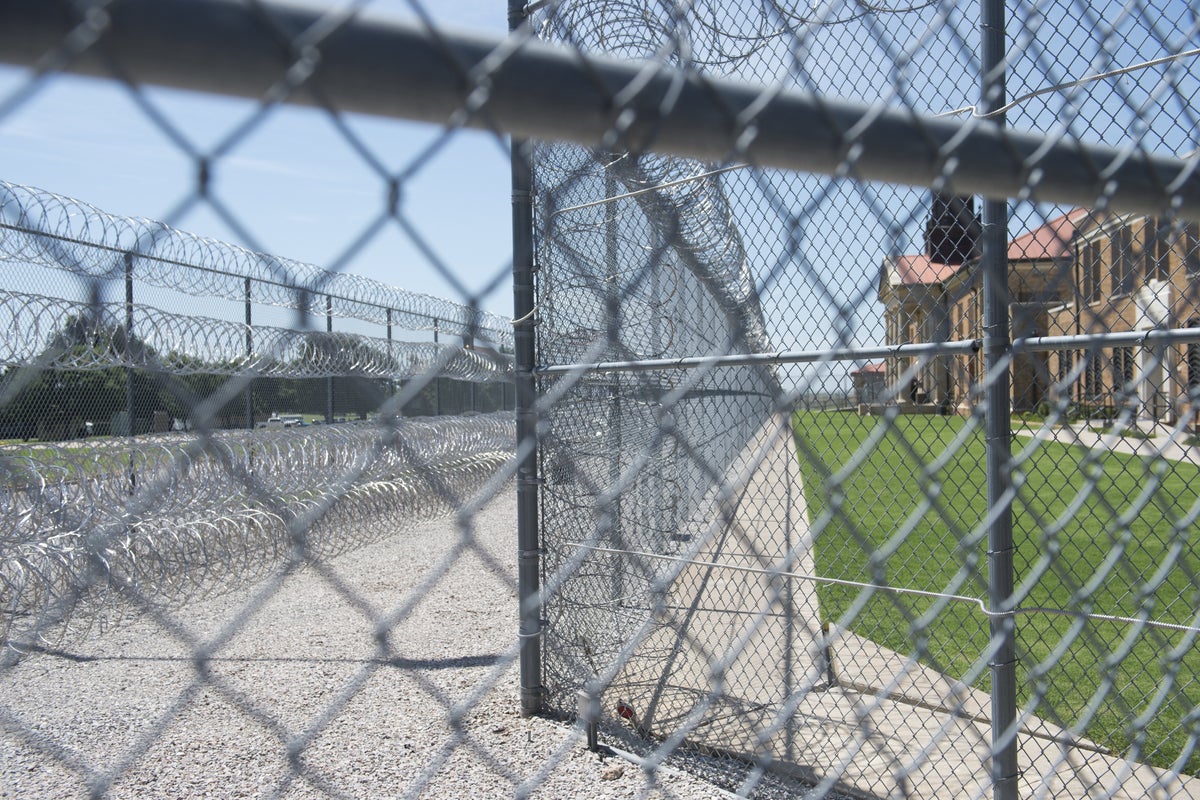
The U.S. Department of Justice will “immediately” stop enforcing a swathe of federal regulations protecting trans and intersex prisoners from rape and sexual assault, according to leaked documents.
In a memo obtained by the non-profit news outlet Prism, DoJ official Tammie M. Gregg ordered prison auditors across the nation to “immediately pause” all “compliance determinations” for key safety rules concerning LGBTQI+ inmates.
Those rules include requiring trans and intersex prisoners to be allowed separate showers, banning body searches purely for the purpose of finding out what genitals they have, and requiring prison staff to consider their safety when assigning them to male or female wings.
Some of the suspended clauses apply to all LGBT+ people, not just trans and intersex ones, and many apply to juvenile facilities as well as halfway houses, rehab centers, and mental health facilities.
Gregg said these changes were intended as a stopgap solution while the Trump administration edits the regulations to comply with Donald Trump’s January executive order declaring that trans people should always and only be treated as their birth sex under U.S. law.

In the meantime, her memo would — with the stroke of a pen — vastly diminish protections under the 2003 Prison Rape Elimination Act for trans and intersex people, whom the DoJ’s own data shows are at much higher risk of sexual violence in prison [PDF link].
The DoJ has not commented publicly on the leaked memo, and The Independent has asked it to confirm or deny the memo’s authenticity.
“These changes are a green light for predators to sexually assault incarcerated adults and children who are already disproportionately at risk,” said Linda McFarlane, executive director of the non-profit campaign group Just Detention, which trains prison staff on PREA compliance and has several certified auditors on staff.
“The proposed revisions… [are] already sowing confusion among prison leaders, who have worked for more than a decade to put in place common sense rules to end prisoner rape.
“The Department of Justice would rather see incarcerated people, including children, be sexually abused than allow trans people to express their gender identity. It’s sickening.”
Gillian Branstetter of the ACLU likewise said: “The only reason not to follow the Prison Rape Elimination Act is if you do not want to eliminate rape.
“PREA audits are difficult enough to secure in any impactful or transparent way. Telling auditors just to ignore the risks queer people face is as explicit an endorsement of their abuse as you can get.”
Passed unanimously by Congress in 2003, PREA is implemented via federal regulations that were updated in 2012 by the Obama administration to include specific protections for LGBT+ people.


Gregg’s memo was apparently sent out on Tuesday, December 2, to all DoJ-certified PREA auditors, who bear the brunt of deciding whether or not prisons, lockups, juvenile facilities, and other coercive institutions are complying with the law.
The memo claims that numerous specific LGBT+ protections conflict with Trump’s executive order, although it does not explain how, and says the DoJ is updating those standards to comply — which is a lengthy and complicated process by law. Until then, the memo instructs auditors to simply ignore those provisions.
One of the targeted regulations requires facilities to train their staff on how to search trans and intersex people “respectfully” and “in the least intrusive manner possible”. Another says staff must be trained on “how to communicate effectively and professionally” with LGBT+ inmates in general.
One rule says staff must consider on a case-by-case basis whether placing a trans or intersex prisoner with men or with women would endanger their health and safety, and also that staff must consider the prisoner’s own views on that subject.
Another rule requires incident reviews of sexual abuse incidents to consider whether the abuse was motivated by a prisoner’s trans or intersex status.
Gregg’s memo even orders the suspension of a rule that bans juvenile facility staff from treating a prisoner’s trans or intersex status as an indicator of likelihood that they themselves will be sexually abusive.
Shana Knizhnik, senior staff attorney with the ACLU’s LGBTQ and HIV Project, told Prism that the memo has created confusion among prison operators and advocates.
”PREA is still the law,” she said. “Standards that are in place are still the law, and so this is essentially a directive to disregard the law.“
She added that correctional facilities may still be subject to state and local regulations that go beyond what federal regulations require.

