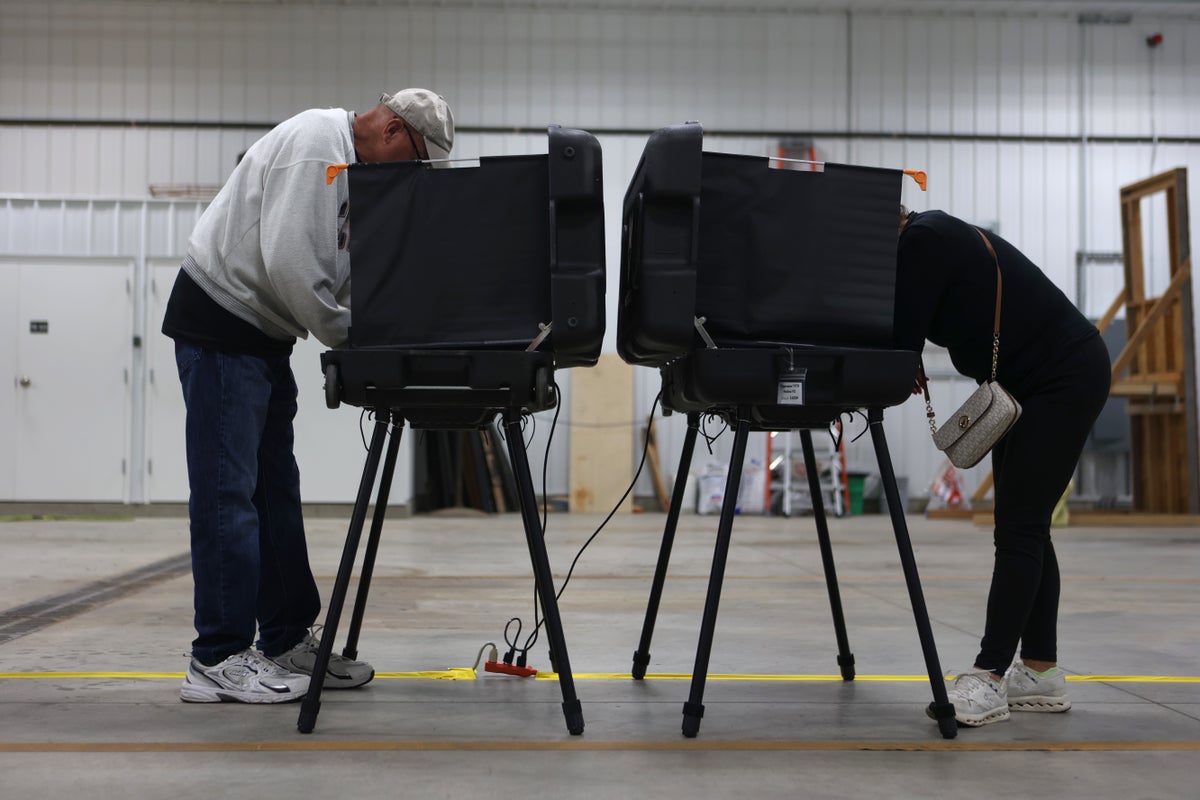
Donald Trump secured significant victories in a deeply conservative state on Tuesday, as a majority of Republican state senators who opposed his redistricting plan lost their primary races to challengers he endorsed.
This outcome, just four months after the state’s lawmakers rejected his proposed redistricting, saw at least four of the seven Trump-backed challengers emerge victorious.
Twenty-one Republican senators had voted against redistricting in December, with eight running for reelection. Trump endorsed primary opponents against seven of these, and his allies spent millions on these typically low-profile contests.
The costly and unprecedented intraparty battle has exacerbated tensions among Republicans ahead of the November midterm elections, which will determine control of Congress.
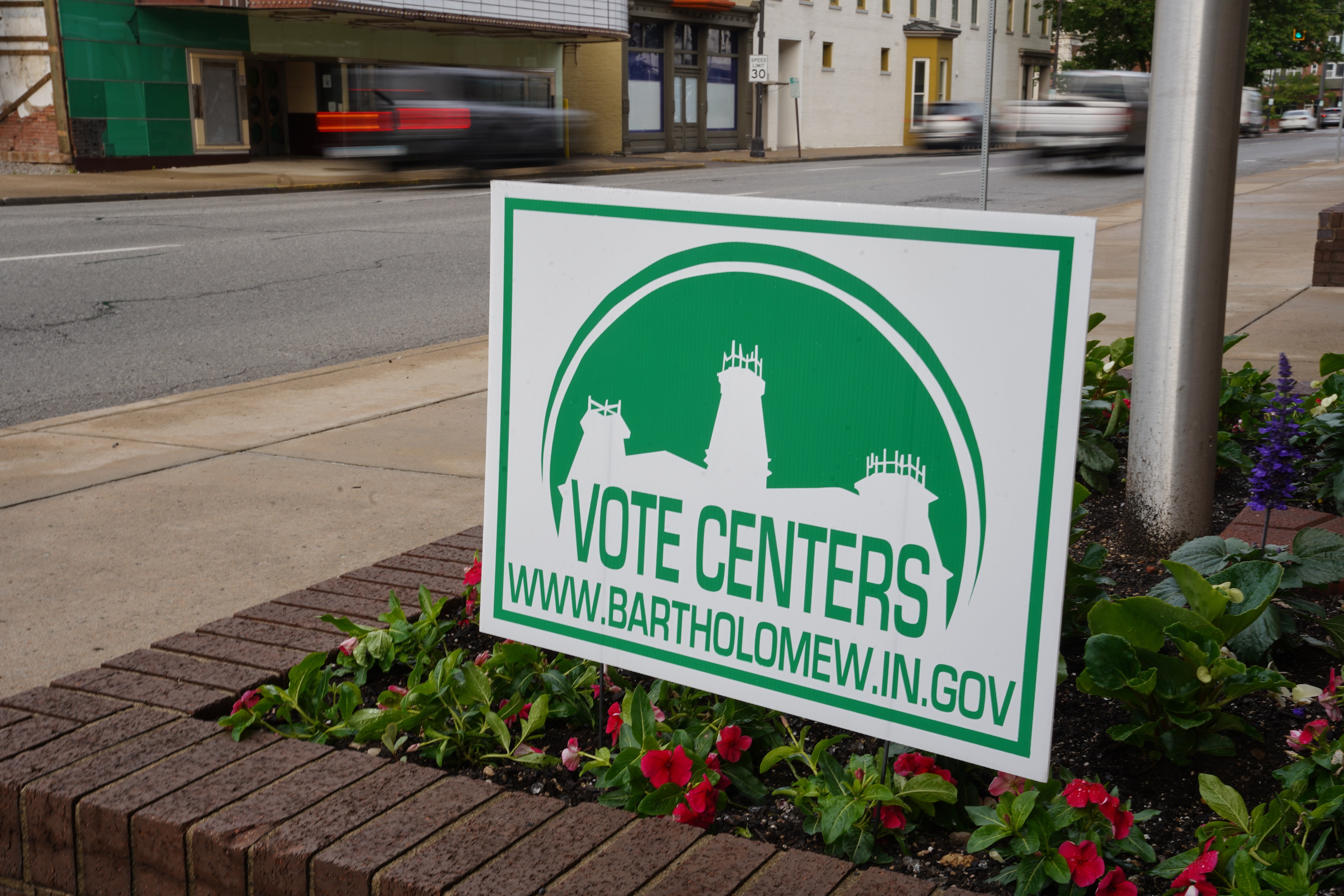
Indiana Lt. Gov. Micah Beckwith said the state Senate primary races are pitting “the Republicans who tend to want to avoid the fight and the Republicans who feel like we need to fight.”
“So the only question is, ‘Will you fight or will you get trampled by the other side?’” Beckwith said.
Indiana rejected Trump on redistricting
Trump began leaning on Republican-led states last year to redraw their congressional maps to make it easier for his party to hold its thin majority in the U.S. House. Although redistricting is normally done once a decade, after a new census, Trump wanted to abandon tradition to gain a political edge.
Texas was the first to follow through, and the White House pressured Indiana to go along too. Vice President JD Vance met with state politicians in Washington and Indianapolis, and Trump weighed in by conference call.
However, Indiana senators rebuffed the effort, one of the president’s first significant political defeats of his second term.
The redistricting fight divided Republicans in Indiana, a state Trump won three times by no less than 16 points. Republican Gov. Mike Braun, U.S. Sen. Jim Banks and organizations such as Turning Point Action have worked alongside Trump to unseat the incumbents.
“Big night for MAGA in Indiana,” Banks posted on social media.
Jim Bopp, a prominent Indiana attorney who leads a political action committee aligned with Braun, predicted that Trump’s support will carry the day for the challengers.
“Republican voters overwhelmingly support Trump and when they find out Trump has endorsed a particular Senate candidate, they swing their support behind them,” he said.
Indiana opposition came from constituents, former governor
Opposition to the effort came from anti-Trump Republicans and those wary of the president reaching so deeply into state decision-making. Former Republican Gov. Mitch Daniels, who had stepped away from politics after leaving the governorship in 2015, reemerged to help raise money for targeted incumbents.
The senators who broke with Trump said they were listening to their constituents who were overwhelmingly against his redistricting plan. Some said they didn’t like Trump’s aggressive tone in pushing the plan.
“We hate to be told what to do,” said Mike Murphy, a former Republican state representative. “We’re very independent thinking people. So when Donald Trump and his goons come in and try to tell us that we need to redistrict to help his political future, that’s the worst thing you can do.”
He said Trump and those spending big money to take out the incumbents don’t understand Indiana politics.
“There’s just so many misjudgments on people’s part because they tend to fly at the 50,000 foot level and they don’t go to the barbecues and the church fish fries and the things that make Indiana politics,” Murphy said.
Bopp, who supports the Trump-backed challengers, said the primary is a chance for Indiana Republicans to express how important it is to redraw the congressional lines there.
“It’s not a matter of Trump’s power,” Bopp said. “It’s about Republican primary voters who support his agenda and don’t want a Democratic House that will be hugely destructive to the Trump presidency and the country.”