

Almost immediately, during Thomas Frank’s brief time in charge, certain figures at Tottenham Hotspur realised that the adjustment might be more difficult than anticipated. The Dane had asked a casual and understandable question about squad “discipline” and how it was taken care of.
At Brentford, after all, the club was so meticulously structured that staff members were assigned to such responsibilities.
At Spurs, this was the manager’s job.
The difference offers one of many reasons that explain why Frank failed – and more spectacularly than anyone could have imagined – but also, why Spurs still have so much to fix.
The identity of the head coach is only the most immediate of their problems, to say nothing of survival.
Frank walked into “a basket case of a club”, multiple sources tellThe Independent, but also created many big problems of his own.
On that issue of discipline, Frank’s control over the group is understood to have been “loose”, which eventually gave way to total collapse.
Although an expensive squad, it was not one primed and focused for success in the way Arsenal are, to use an example ill-advisedly repeated by Frank on a regular basis. Tactical messages weren’t sinking in, partly because they weren’t convincing. So many messages were geared toward defensive protection rather than taking the game to the opposition. The best performances seemed to come when the squad took matches into their own hands, which some sources maintain was a continuation of last season’s Europa League campaign. The same injury issues also persisted.

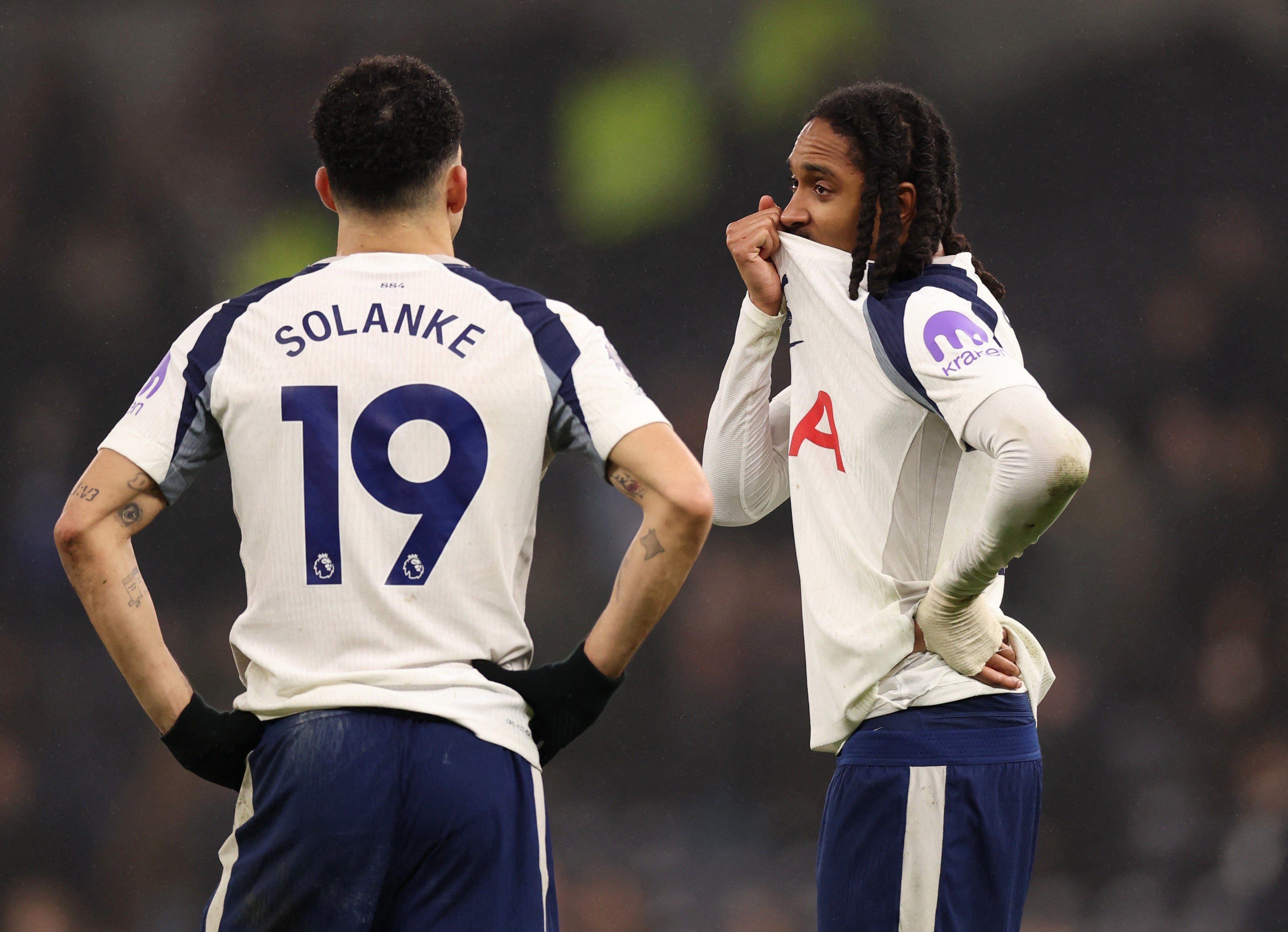
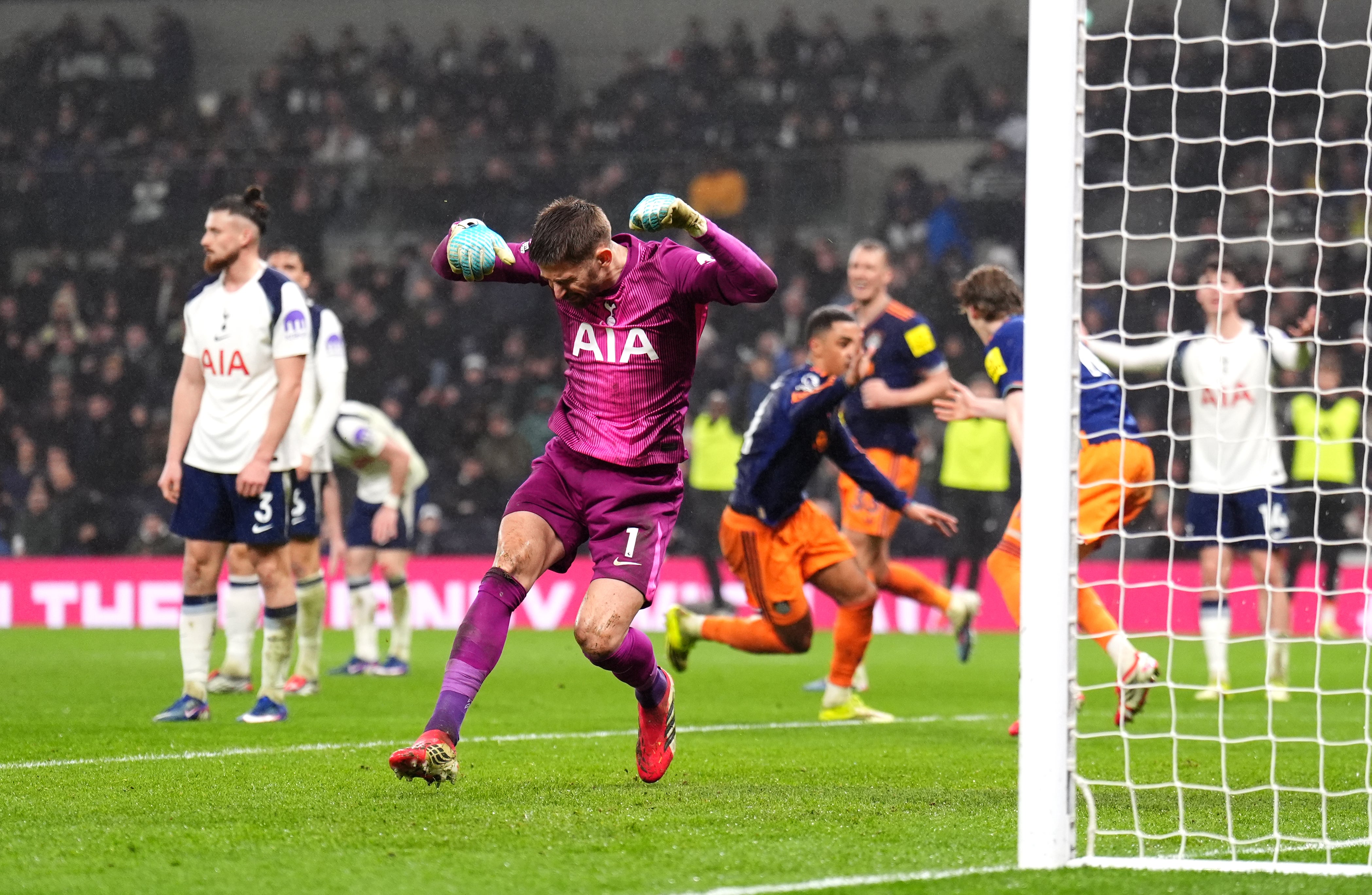
The 2-1 defeat to Newcastle United just proved the football nadir that no one could go beyond. It was like something had finally gone. Players were now losing almost every duel. Newcastle, a team going through real struggles themselves, were enjoying a rare amount of space.
This has been coming.
It’s why some of the Spurs leadership felt they should sack Frank as long ago as four months ago, The Independent understands. They could see this. Certain figures in the hierarchy then pushed that again just before Christmas, until it became a repeated subject of debate every Saturday over January.

Figures close to the board were even complaining about “Groundhog Day” as it felt like they were having the same discussion every weekend.
The 2-1 home defeat to West Ham proved especially painful, which really should have been the point of no return. The atmosphere in the stadium was toxic. This was a licence to act.
As it was, a core of the hierarchy – led by chief executive Vinai Venkatesham – pointed to multiple bigger issues around Frank; precisely these issues of “structure” that the new leadership now realised they had to solve. Sources say Venkatesham and others gestured to Frank’s adaptation, the ongoing injury crisis and the more important idea of taking the long view.
The short term – in other words, every single match – just kept making that stance untenable. To repeat a phrase used about Ruben Amorim’s Manchester United, you can appeal all the extraneous reasons you want, but performances were unwatchable and results unjustifiable. As with Amorim, Spurs were performing to a level which just shouldn’t be possible with their wage bill. It was chronic underperformance.

This ongoing split in the hierarchy nevertheless points to this bigger problem, which is not just how the next manager is decided on, but how such decisions are taken at Spurs at all.
Such was Daniel Levy’s control that there has been an obvious vacuum since he left in September. The primary authorities now are the family of former owner Joe Lewis, who now runs the club through a trust. Daughter Vivienne Lewis is the most involved of those, with son-in-law Nick Beucher also influential. They are still very much getting to grips with the football industry, though. And while there is considerable respect for Venkatesham in the game, he is seen as someone who tries to come to consensus conclusions rather than assertively make decisions.
Noise about a prospective takeover only adds to the uncertainty. This is repeatedly denied, but the point is that this is not how you acquire stability.


None of this would be a problem, however, if Spurs had a functioning football structure. They’ve instead lost a director of football and now another manager in the space of a few months, as they work to build something that an elite modern club should have. Too much had been built towards Levy for far too long.
Hence, as more than one former coach has pointed out, they have constantly seemed to shift from one profile of coach to the opposite. An ill-fitting squad is a product of that. Worse, “that squad has multiple football scars,” to quote one source. The majority have mostly experienced dysfunction while at the club.
From that, it should be acknowledged that there was a logic to appointing Frank. The analytics gave a persuasive case, ultimately convincing Levy, and the Dane had repeatedly spoken of wanting to play a more expansive game with better resources – including in interviews to Manchester United and Chelsea.
The core problem was that Frank couldn’t work to the same level without the structure around him, and quickly found himself overwhelmed. That became seen in media interviews, where the Dane had previously cut such a rounded figure. The extra scrutiny of a club like Spurs weighed on him. Unlike at Brentford, you couldn’t go three months without winning a game while being allowed to find your feet.

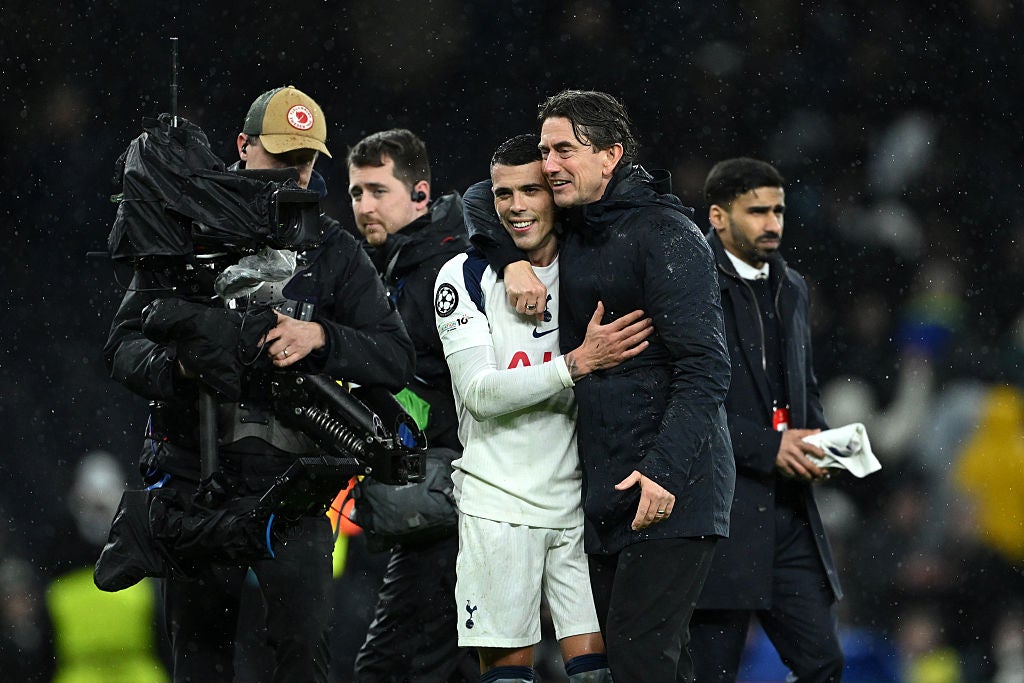
The noise around the club, as was heard in the stands, became too much. Once it got so toxic during that West Ham defeat, there was really no recovery.
That’s why there was an even greater logic in dispensing with Frank long before. The signs were clear.
The Spurs hierarchy is now so conscious of this “toxicity” among the fanbase that they realise they need a “unity candidate”. That has led to the obvious and ideal choice of Mauricio Pochettino. Some on the board are pushing to make it happen now.
It is understood that there has repeatedly been informal contact over 2026.
The feeling is nevertheless that Pochettino won’t leave the US job before the World Cup. Spurs would consider an interim until then, but there aren’t too many viable candidates. Johnny Heitinga may step up.

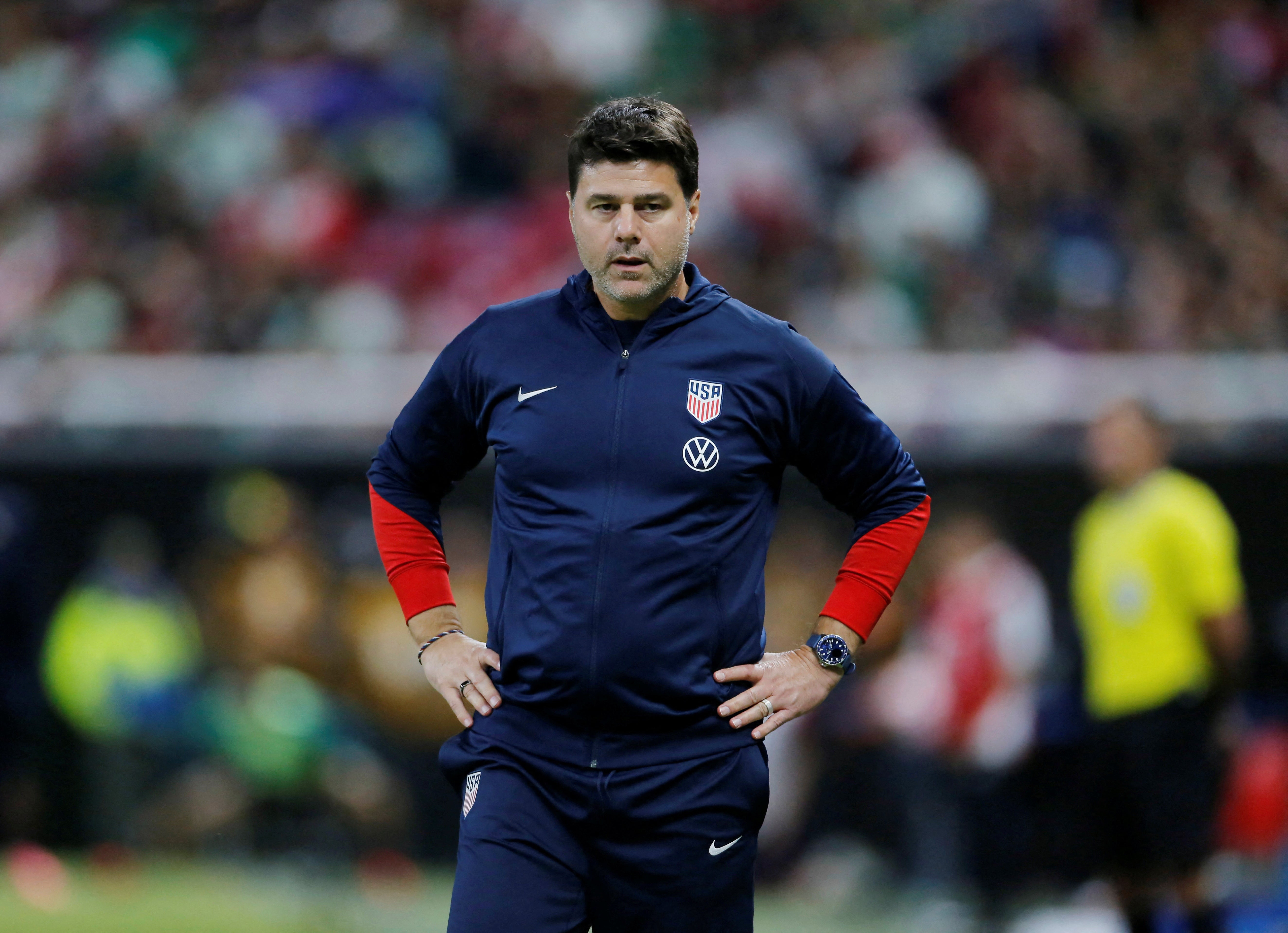
As multiple sources argue, “this sums it up – outside Pochettino, it looks like they don’t currently have a proper plan”. That’s partly why some just hoped that Frank would work out, even for a time. They were hoping for space. That’s also why they could go in a total opposite direction, and seek to get Roberto De Zerbi in. Again, it’s one extreme to another.
Spurs at least have another 11 days before their next game to figure this out. On the other side of that, though, it’s a north London derby against the league leaders. If Arsenal win, as they should, it will only show that Spurs are very much running out of time in another way.
They’re in a relegation battle. That puts them in another unenviable situation, in that they have to think about the short-term, medium-term and long-term all at once.
Like so many of Frank’s performances, it is one big mess.