
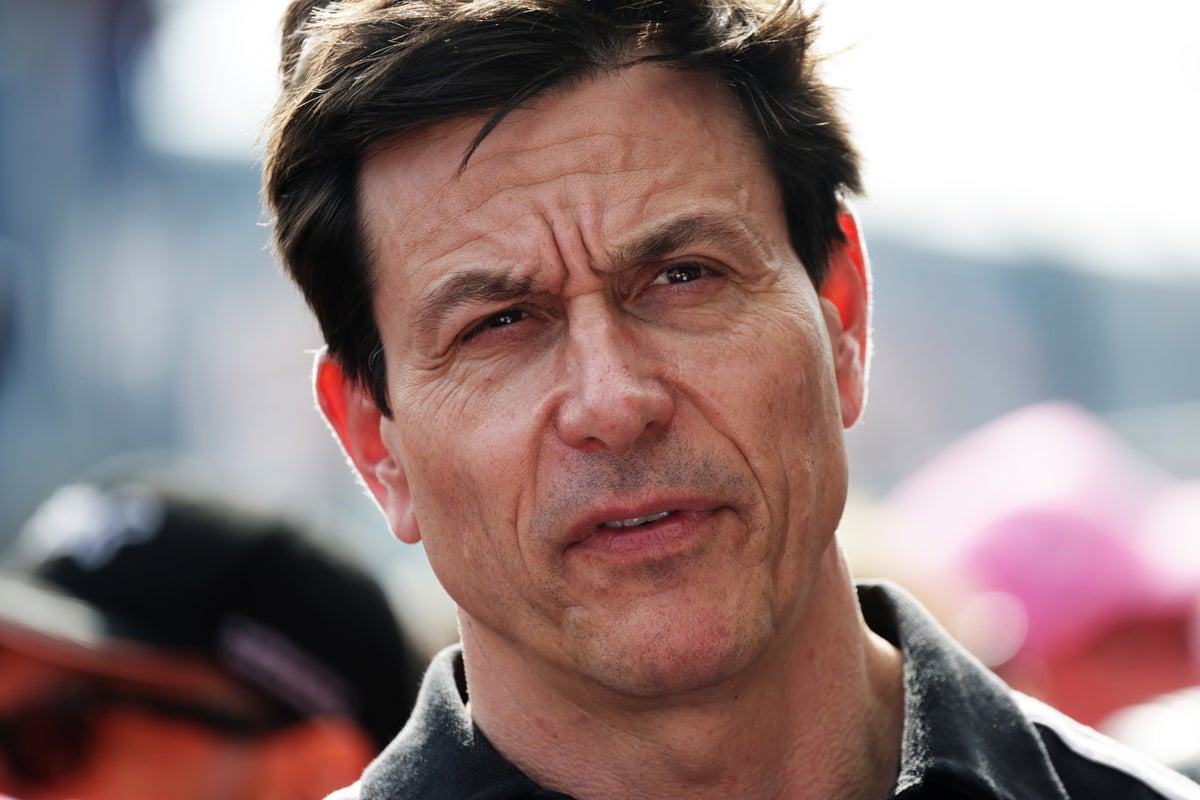
Toto Wolff has urged critics of F1’s new regulations not to “badmouth the sport” in public ahead of a crucial meeting on Monday.
New engine and chassis regulations this year, involving a near 50/50 engine split between internal combustion and electrical power, have resulted in major changes to the spectacle on a grand prix weekend. In qualifying, drivers are being forced to ‘lift-and-coast’ at the end of straights to harvest energy, while overtakes have been labelled “artificial” given the numerous overtaking aids available.
The likes of four-time world champion Max Verstappen and reigning world champion Lando Norris have been the most vociferous in their criticism, with Verstappen threatening to retire at the end of the season. On the flip side, Wolff’s Mercedes outfit lead the way, with three wins out of three and Kimi Antonelli and George Russell the top two in the world championship standings.
However, a meeting between stakeholders on Monday is expected to ratify tweaks to the regulations to improve flat-out driving in qualifying and safety concerns arising after Ollie Bearman’s crash in Japan. Yet in a lengthy answer on a media call on Monday, which amounted to an uninterrupted seven minutes, Wolff insisted “gamesmanship” should not be a factor in behind-the-scenes discussions on the sport’s immediate future.
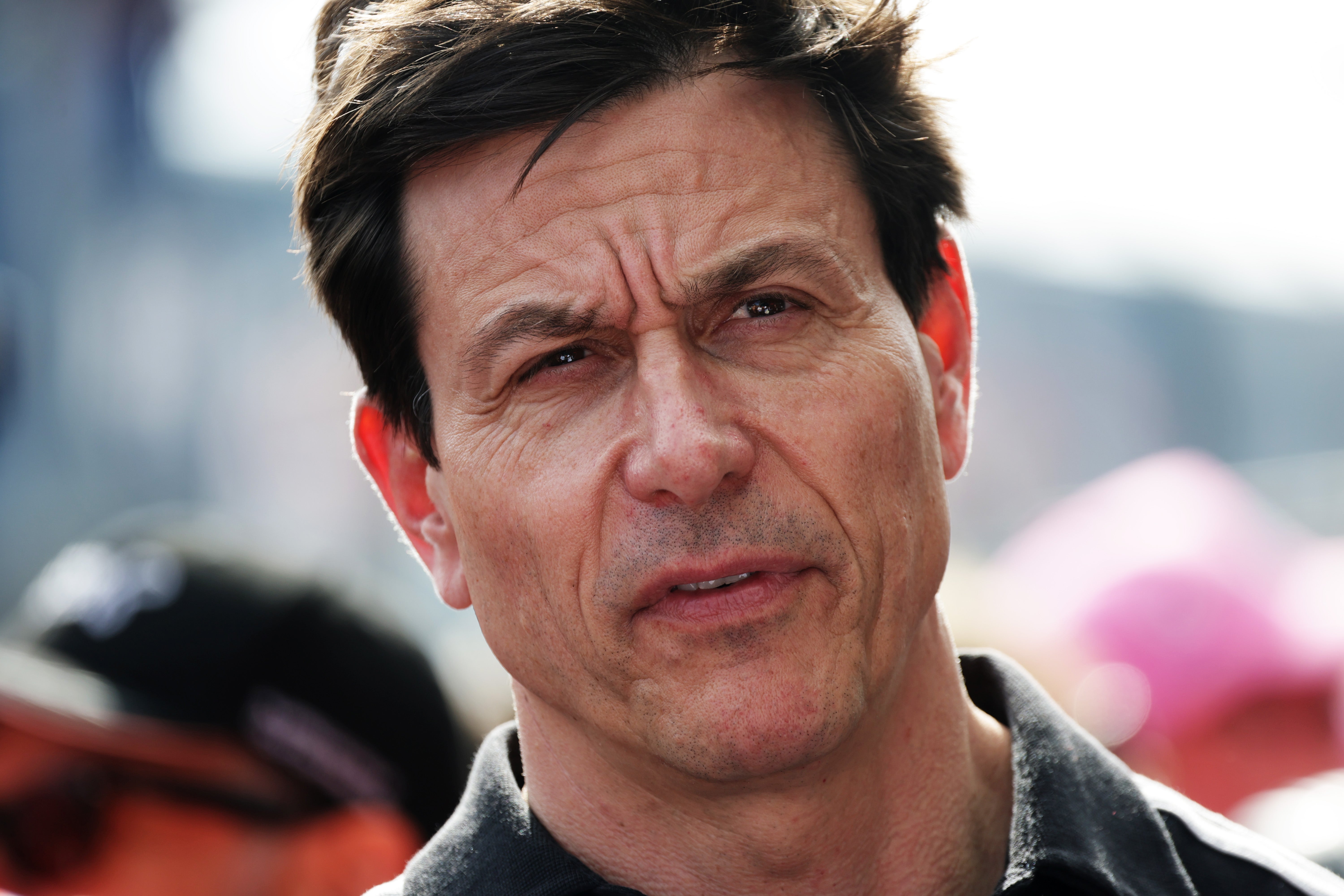
“We need to understand our responsibility as guardians of this sport,” Wolff said. “We all have our opinions and that is absolutely legit. But these opinions and discussions should happen among stakeholders more than in the public eye.
“We have thousands of fans who love the sport, there are some who don’t like it [currently], but in order to protect the future, we shouldn’t badmouth the sport in public. We’ve all fallen foul of this in the past due to gamesmanship or to protect a situation. We need to be very careful.
“The impact comes with a lag. That’s the responsibility we have. We owe it to ourselves to express our opinion in the stakeholder group – this has happened in the last few weeks in a constructive way.”
Wolff also reiterated his belief that onlookers tend to look at past iterations of Formula 1 with a “nostalgic” lens, pointing to eras and other racing series that have little or no overtaking.
“We want to look after the safety of the drivers but also protect what we see in racing,” says Wolff, who has endured a title-less four years since Mercedes’s last constructors’ championship in 2021.

“There’s a certain degree of nostalgia that makes the past much better than the present. People talk greatly about the 2000s and forget they were years which sometimes did not have a single overtake. If the product is boring for spectators, we don’t gain.
“We also need to see the Bearman situation for what it was: a misjudgement of a situation, pushing a boost button. I love Le Mans, but the speed differences are enormous; there are big crashes between GT3 and Porsche cars. But we still love it.
“Will it always be the safest sport? It won’t. It’s about reducing the risks but always reminding ourselves that we are guardians of the sport, rather than looking at certain advantages or disadvantages for us personally.”
Tweaks to the rules are expected to be ratified in the coming week ahead of the Miami Grand Prix, round four of the 2026 season, on 3 May.