
A deadly Ebola outbreak in Congo, believed to have begun weeks ago, has claimed over 100 lives and prompted the World Health Organization to declare a public health emergency of international concern.
The highly contagious disease has also spread to neighboring Uganda, where two cases, including one fatality, have been confirmed.
Authorities initially faced challenges in identifying the outbreak, as it was caused by a rarer strain of the virus not typically seen in previous Ebola incidents in the region.
April 24-27
A health worker, identified as the initial suspected case known to authorities, has died in Bunia, the capital of Congo’s Ituri Province.
The individual’s body was subsequently moved to the nearby mining town of Mongbwalu, according to the country’s health minister.
While the minister stated the death occurred on April 24, the Africa Centers for Disease Control and Prevention reported the individual passed away on April 27 following severe bleeding symptoms.
April 28
A close contact of the first suspected victim dies after also presenting with symptoms, according to the Africa CDC.
April 30
Initial field tests conducted on samples in Bunia have ruled out the Zaire strain of Ebola, the type most commonly associated with previous outbreaks in Congo.
This development provides a crucial update as health authorities work to pinpoint the exact cause of the current disease cluster.

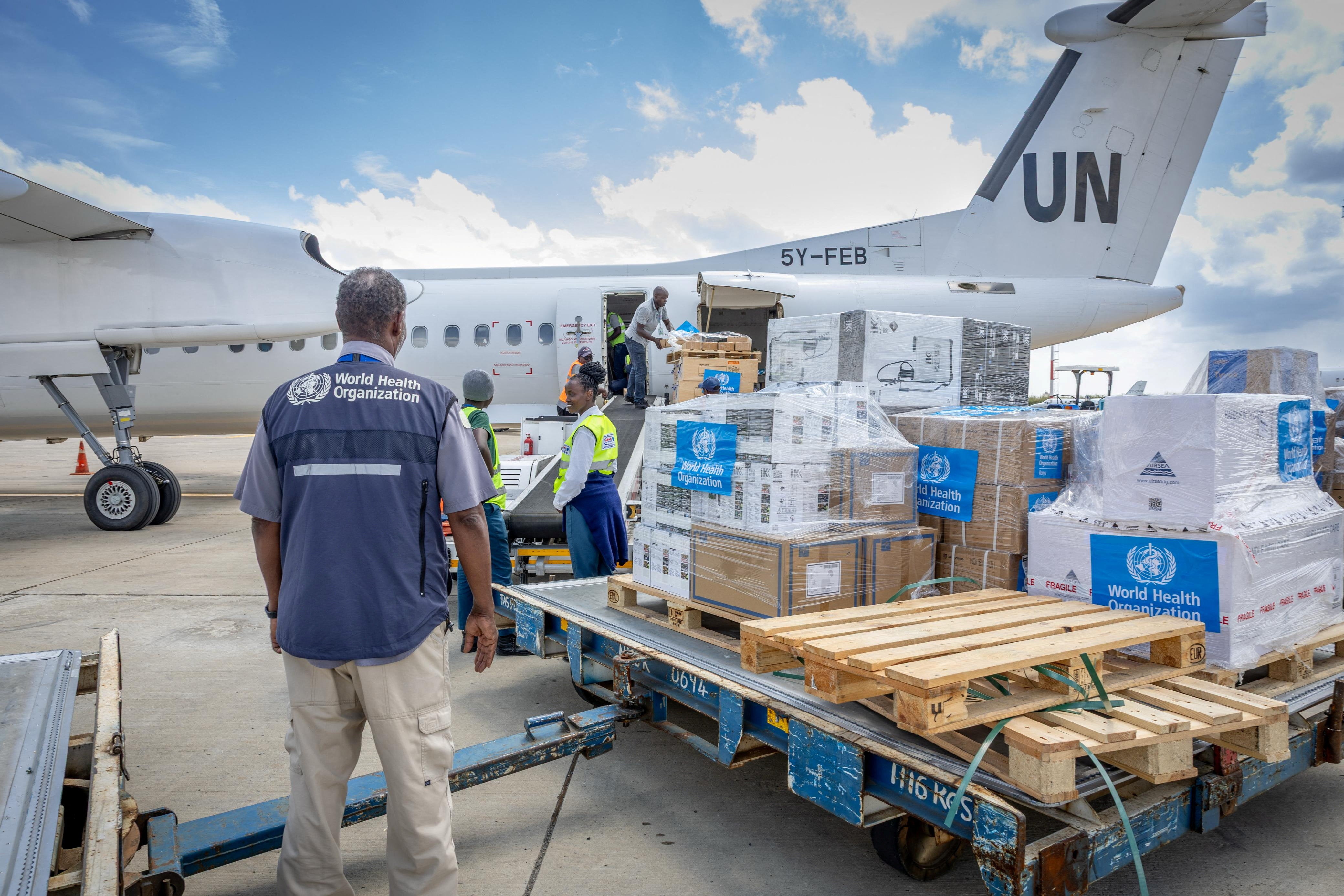
According to the World Health Organization, Ebola disease is caused by a group of viruses, three of which are known to trigger large-scale epidemics: the Ebola virus (Zaire), Sudan virus, and Bundibugyo virus.
Officials anticipate it will take another two weeks to definitively establish whether the rarer Bundibugyo virus is responsible for this latest outbreak.
May 5
The World Health Organization is alerted to what it calls a “high-mortality” outbreak of an unknown illness in Mongbwalu. Health workers are among the fatalities. Local reports say there are around 50 deaths already.
The Congolese health minister later says authorities believe the body of the first person who died and was taken to Mongbwalu may have started the outbreak there. The bodies of people infected with Ebola can be highly contagious.
May 11
A 59-year-old Congolese man experiencing fever and body aches is admitted to a hospital in Kampala, the capital of neighboring Uganda some 700 kilometers (434 miles) from Ituri. Ugandan authorities say he traveled across the border from Congo.
May 13
A WHO rapid response team visits the Mongbwalu and nearby Rwampara health zones in Ituri to investigate as the outbreak spreads further.

May 14
Thirteen blood samples from suspected Ebola cases in Rwampara are analyzed at a testing facility in the Congolese capital, Kinshasa.
On the same day, the Congolese man dies in the hospital in Uganda. His body is repatriated to Congo.
May 15
Laboratory analysis in Congo confirms Bundibugyo virus in eight of the 13 samples from Rwampara. Ugandan health authorities then test a sample taken posthumously from the man who died there and it is also positive for Bundibugyo virus, which has no approved treatment or vaccine.
The Congo Health Ministry declares an Ebola outbreak, and the Africa CDC says there are 246 suspected cases and 65 deaths. Within days that figure rises to more than 300 cases and more than 100 deaths.
Uganda says its outbreak is limited to two cases, both of which were people who traveled from Congo.
It is the 17th significant Ebola outbreak in Congo since the disease was first identified in 1976.
May 17
The WHO officially declares the Ebola outbreak in Congo and Uganda a public health emergency of international concern. The U.N. health agency says the outbreak does not meet the criteria of a pandemic emergency like COVID-19 and advises countries not to close their borders.
However, it says nations that share a land border with Congo or Uganda should urgently enhance their surveillance and ensure health workers are trained to investigate and manage Ebola cases.
May 18
An American doctor in Congo is among the confirmed cases in the Ebola outbreak, Congolese officials say.
The doctor is among the cases in Bunia, says Dr. Jean-Jacques Muyembe, medical director of the country’s National Institute of Bio-Medical Research. He had been treating patients at a hospital there, according to the organization he works for.