

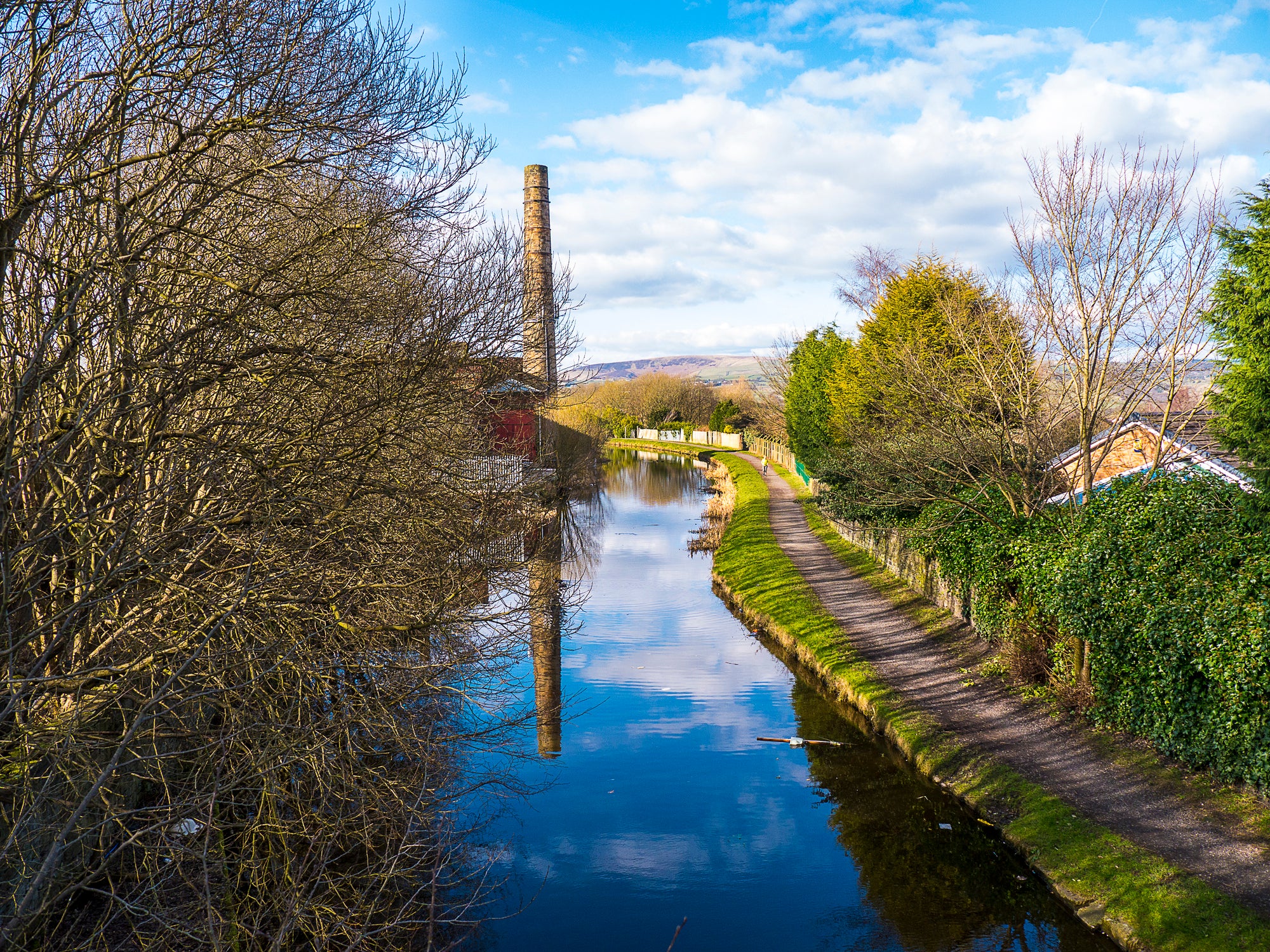
I find myself walking along the Leeds-Liverpool canal like a detective – not of crime, but of history. Burnley Wharf is a moody, shadow-filled overhang full of ghosts. Near Oswaldtwistle are beehive coke ovens, known locally as the Fairy Caves. In Accrington it’s the surviving cobbled streets that trigger Proustian shivers; the steeper the better.
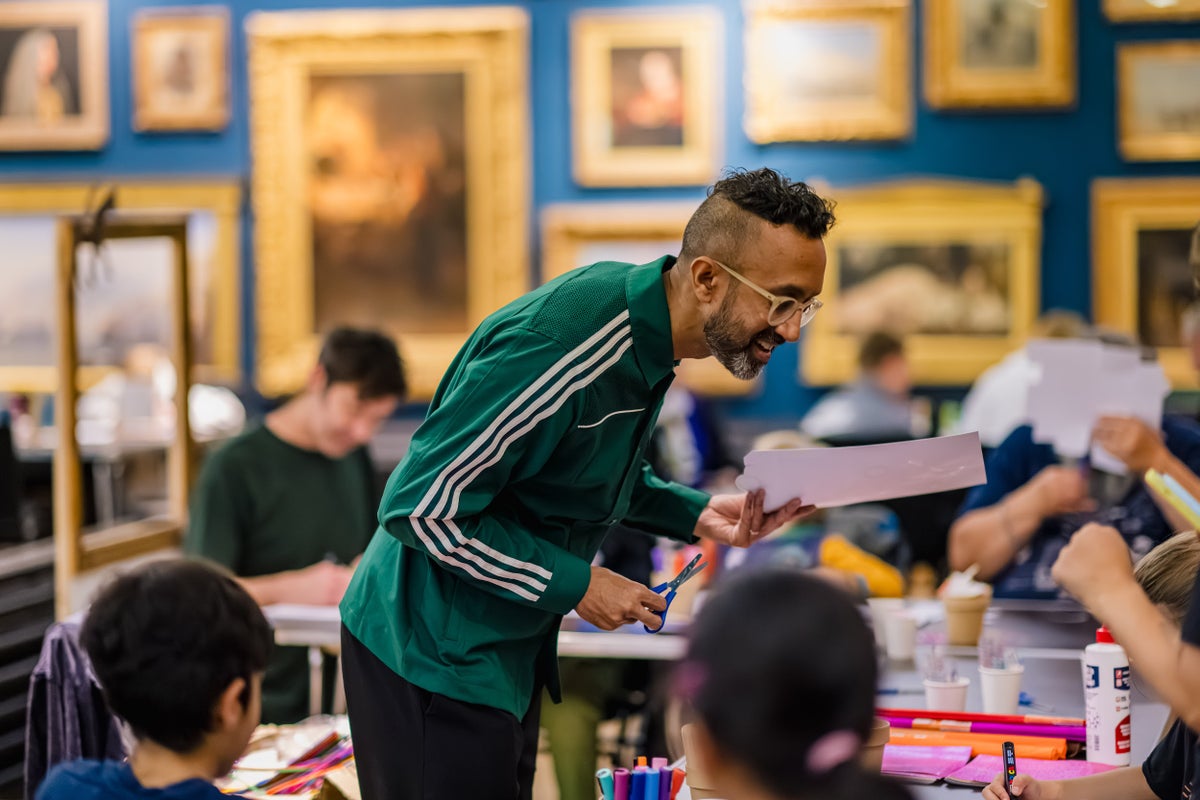
On the weekend of 4-5July, a lot of people will be making an almighty effort to rekindle the flame of Blackburn’s mill town past and ignite its positive future. The annual Festival of Making, launched a decade ago, will host performances, exhibitions, film screenings, talks (on everything from Northern Soul to Johnny Vegas’s return to ceramics) and lots of workshops to get people doing hands-on crafting and making. This will be my third festival. I love the art that comes to town, especially the Art in Manufacturing strand, which pairs artists with traditional industries.
Alina Akbar, who grew up in Rochdale, is taking part for the first time. “My dad’s a mechanic, so I’ve always been around garages and car culture and I’ve wanted to explore in my work how modifying cars builds culture and identity in working-class communities for a while now.

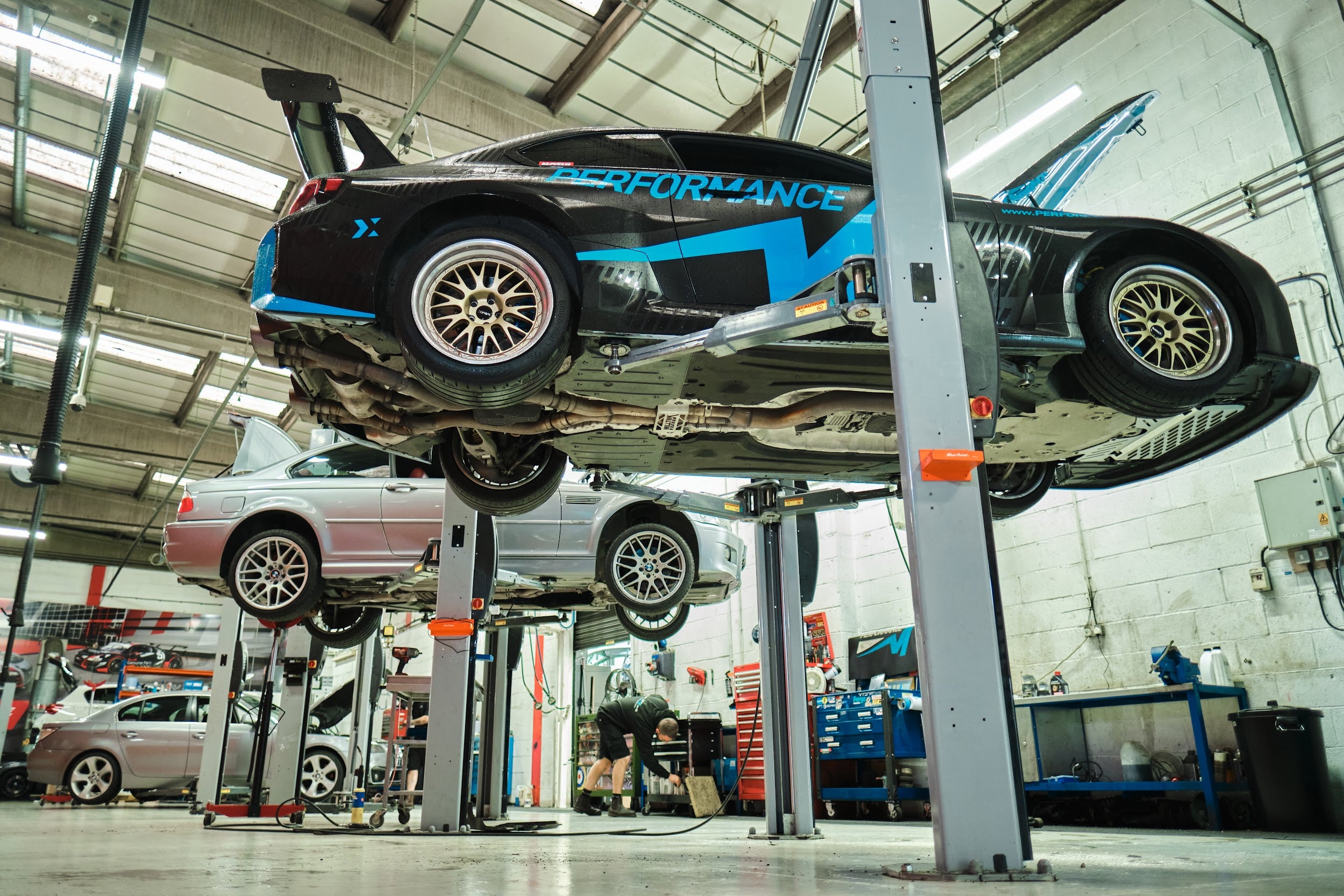
“I’ve created a new sound work heavily influenced by northern bassline, which becomes a score that celebrates a subculture that I think is deeply creative but rarely represented in contemporary art.”
Jamie Holman, a multidisciplinary artist involved with the festival since its inception, says its role has been alchemical.
“There is no gentrification in Blackburn: no hipster coffee shops, no street-food rebrandings, and most of the pubs and clubs are gone. No one is coming to save us. The heritage we were once so proud of was becoming a toxic nostalgia, increasingly weaponised by right-wing politics against the very communities that built the town.
“So we did what Blackburn has always done: we made new things and made things happen. We built new structures to articulate our circumstances.“
“The ten years of the National Festival of Making, and the partnerships it has generated, have transformed this place in terms of cultural equity. Much of that decade has been spent challenging our assumptions about what constitutes art and culture in the first place.”
I was born and raised in lowland Lancashire, where coalmining, glassmaking, chemicals and brewing were the anchor-industries. East Lancashire was a complete unknown to me till I settled here in 2021. I value the fact the festival also teaches people Blackburn was once an industrial powerhouse. Locals say it was the “weaving capital of the world” – though Burnley, Bolton, Oldham and other great Pennine towns may disagree.

Read more: I explored some of Scotland’s most beautiful islands on a 12-person boat
A few years ago. I told a friend I was writing a book with a chapter on Lancashire’s milltowns. He said, “That’s easy, they’re all the same. Tell one story and you’ve told them all.”
I got his point. Dozens of towns and villages that line the valleys between Preston and Stockport experienced similar seismic changes from the late 18th century: massive migration, urbanisation, factories, unions. But once I began to do the research I found each had its own distinctive experiences, architecture and atmosphere.
Douglas Farnie, a leading historian of East Lancashire’s trademark industry, called the region “Cottonia”, arguing the cotton town was the greatest invention of all – even more than the millions of yards of cloth, miles of yarn, awesome machinery, lofty redbrick mills and globe-circling logistics.

Read more: Six of the most beautiful towns and villages to visit in the Lake District
Adopting his nickname, I mapped out a zigzagging route to explore the area, beginning with the Leeds-Liverpool Canal and making good use of the local bus network. Across Cottonia are extraordinary historical sites, including grade I-listed Queen Street Mill near Burnley – the last surviving steam-powered mill in the world; Gawthorpe Hall, a textile-filled Elizabethan mansion in Padiham that’s like a scaled-down Highclere Castle (as in Downton Abbey); Clarion House, where socialist millworkers from Nelson gathered to enjoy a cuppa and chinwag about dialectical materialism.
There are many daring newer spaces, from Prism Contemporary in Blackburn, which is always alive with groundbreaking residencies, to Creative Spaces in Burnley, running an “Art Open” all through summer – with works to be displayed at its own GalleryOneTwoThree and Towneley Hall, and the Haworth Art Gallery near Accrington, home to an exceptional collection of Tiffany glass and, for the Festival of Making, showcasing social history-themed work by Penelope Payne. Ruins and are revivified, too. The interior of Blackburn’s crumbling Cotton Exchange always hosts amazing commissions.
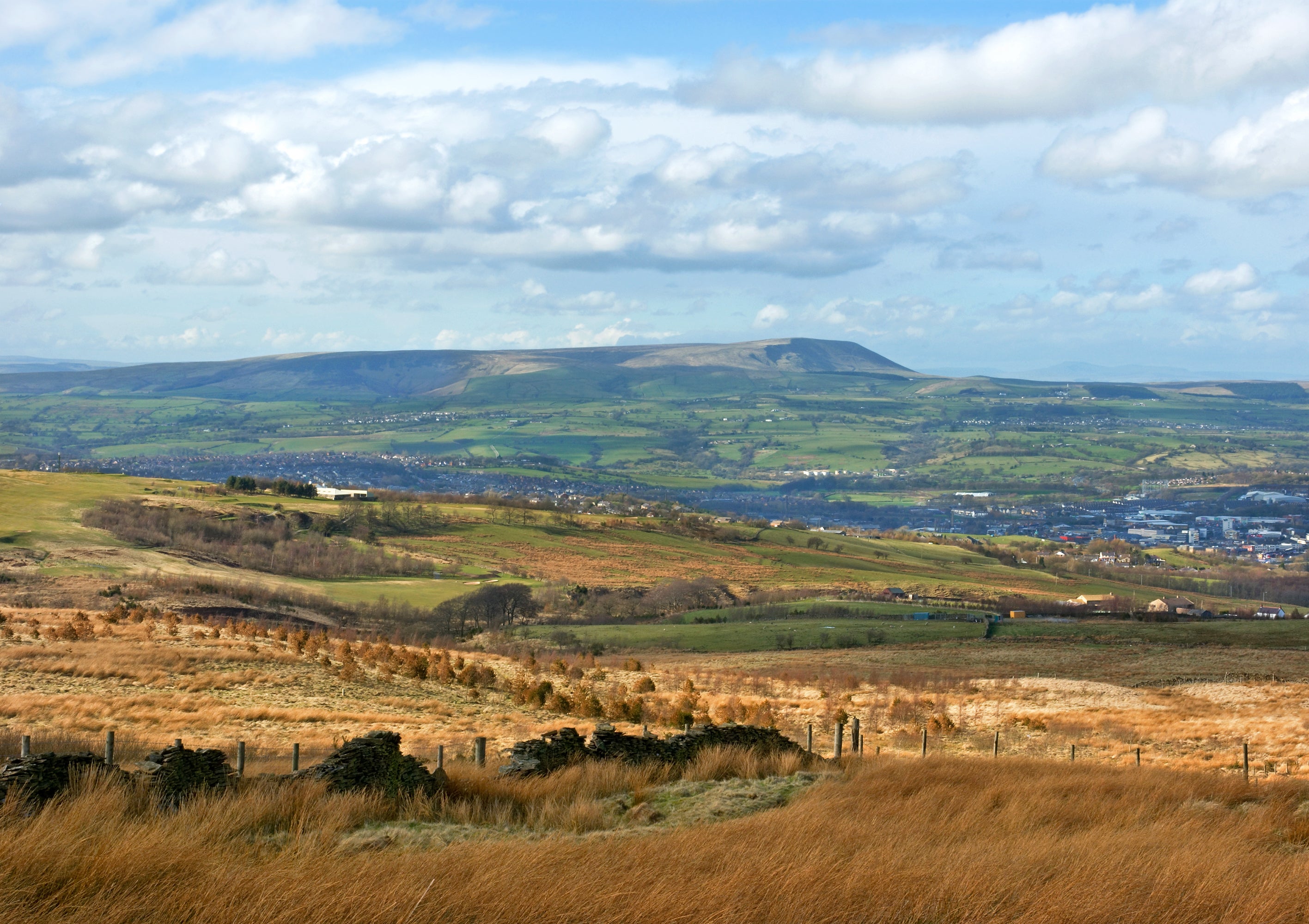
Between the towns are moors and peatlands that provided workers with leisure spaces and clean air – and which are the focus of several Festival of Making workshops.

-473.jpg)
Cottonia was the backdrop to working-class protests, trespassers and access campaigners, history-making movements from Quakerism to Chartism, and a gamut of music scenes, from Chumbawamba and “Pendle Punk” to Acid House and Marcus Intalex’s scene-shaping drum and bass.
Above Burnley at Crown Point is the Singing Ringing Tree, a perfect vantage point for tuning in to the sound of this landscape, seeing the mills, canals and roads from high above, and catching your breath. Cottonia, with its rough, frayed and cutting edges, is reinventing itself, every year, every day, every town.
How to do it
The Festival of Making runs across venues and in open spaces in Blackburn on July 4-5.
There are regular Northern trains from Preston and Manchester to Blackburn, while the X43 Witchway bus links Burnley, Rawtenstall and Manchester.
Where to stay
Northcote in Langho is a swanky Michelin-starred restaurant with rooms. Doubles start at £265, including breakfast.
Chris Moss’s Lancashire: Exploring the Historic County that Made the Modern World is out now. His new book, Where Tourists Seldom Tread: Postcards from Bypassed Britain is published by Faber on 16 July.