

UK TimesUK Times
  • Home
  • News
  • TV & Showbiz
  • Money
  • Health
  • Science
  • Sports
  • Travel
  • More
    • Web Stories
    • Trending
    • Press Release
What's Hot
White working-class children have to be exceptional or exceptionally lucky to succeed, Education Secretary Bridget Phillipson says – UK Times

White working-class children have to be exceptional or exceptionally lucky to succeed, Education Secretary Bridget Phillipson says – UK Times

29 June 2026

A5 southbound between B4116 near Atherstone (west) and B4116 near Atherstone (north) | Southbound | Congestion

29 June 2026
Furious Wimbledon fans hit out at BBC coverage after they missed crucial break points in Novak Djokovic’s first round match… to show Eastenders!

Furious Wimbledon fans hit out at BBC coverage after they missed crucial break points in Novak Djokovic’s first round match… to show Eastenders!

29 June 2026
Facebook X (Twitter) Instagram
UK TimesUK Times
Subscribe
  • Home
  • News
  • TV & Showbiz
  • Money
  • Health
  • Science
  • Sports
  • Travel
  • More
    • Web Stories
    • Trending
    • Press Release
UK TimesUK Times
Home » There may be three times as many species of insects than previously known, scientist warn – UK Times
News

There may be three times as many species of insects than previously known, scientist warn – UK Times

By uk-times.com29 June 2026No Comments4 Mins Read
Facebook Twitter LinkedIn Telegram Pinterest Tumblr Reddit WhatsApp Email
There may be three times as many species of insects than previously known, scientist warn – UK Times
Share
Facebook Twitter LinkedIn Pinterest Email

Sign up for our free Health Check email to receive exclusive analysis on the week in health

Get our free Health Check email

Get our free Health Check email

Health Check

While experts previously estimated the number of Earth’s insect species at 6 million, scientists say a new analysis shows there could be up to three times more.

Prior estimates of about six million insects have stood for the last few decades, but the new count finds there could be closer to 14-20 million.

Figuring out what those species are could be critical for understanding life on Earth. Many insects are keystone species, supporting their environments, and humans rely on them for pollinating food-providing plants, pest control and materials. But they can also be dangerous to humans, spreading disease through bites or stings and contaminating food sources.

It’s a delicate balance, but one humanity depends upon to survive. That’s why it’s important to know what species are out there.

“We cannot protect species if we don’t know that they exist, and so to be able to understand the biodiversity on our planet, it’s important to know how many there are,” Laura Melissa Guzman, an assistant professor of entomology at Cornell University, said in a statement announcing the findings.
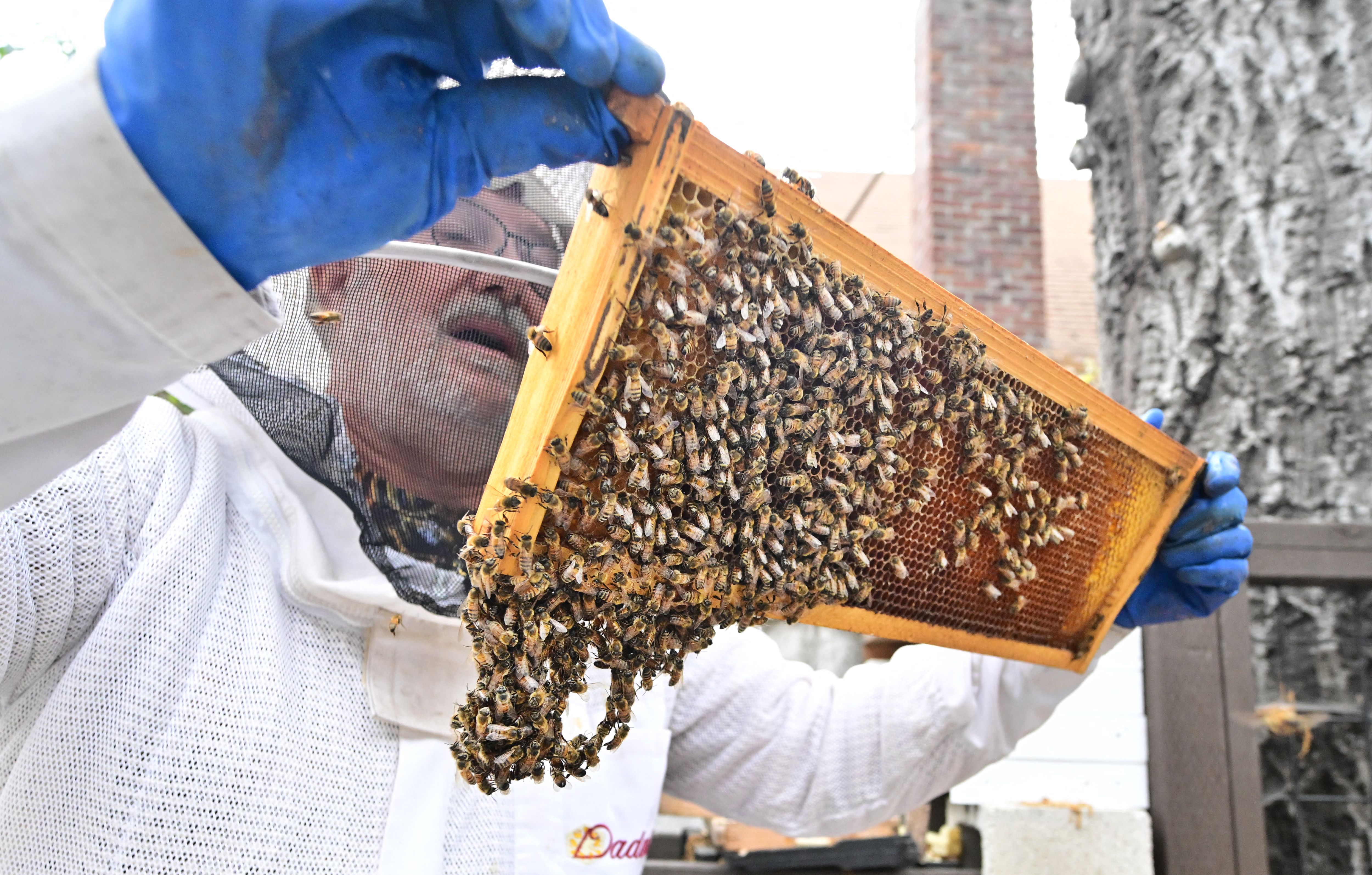
There may be many more insect species than previously estimated, according to a new analysis
There may be many more insect species than previously estimated, according to a new analysis (AFP via Getty Images)

The researchers used the genetic information of 1.6 million tropical insects for the study, as well as a census of parasitoid wasps in Costa Rica and statistical analysis.

To conduct the census, the scientists used tent-like insect traps, catching the wasps at the Área de Conservación Guanacaste protected area. The traps caught more than 1.6 million insects, and a small part of the insects’ DNA was sequenced to determine their species. They ultimately caught close to 54,000 species in the traps.

Then, they focused on a diverse subfamily of the wasps called Microgastrinae wasps, calculating the ratio of known to unknown wasps in the region, including 1,414 species of wasps they had collected. Microgastrinae wasps have been singled out as the “most important group of parasitoids attacking the larvae of butterflies and moths,” according to a 2020 statement.
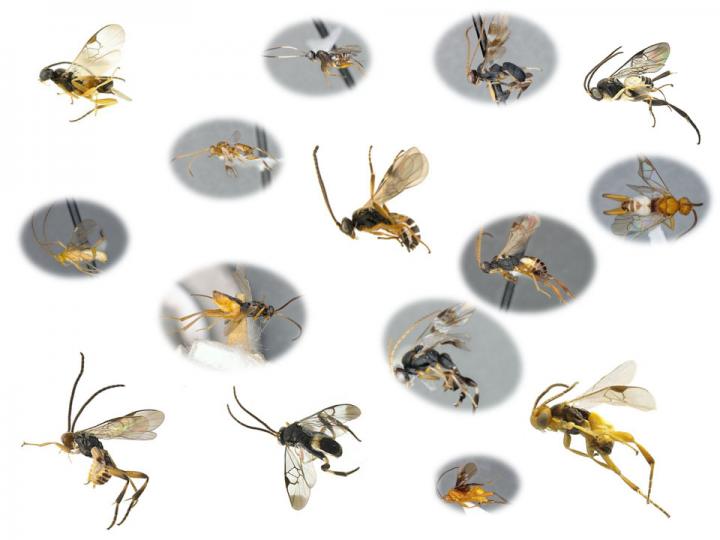
More than a dozen species of Microgastrinae wasps are seen in this composite image. There were 3,000 known species in 2020
More than a dozen species of Microgastrinae wasps are seen in this composite image. There were 3,000 known species in 2020 (Dr. Jose Fernandez-Triana)

Researchers then used the same ratio, applying it to the 54,000 species they caught to find there were close to 333,000 insects in the protected area.

Then, they compared the number of other species there, such as trees, mammals, amphibians and a specific family of moths. There were between 1,200 to 1,500 tree species.

“To estimate how many global insect species there might be, they determined the ratio of estimated global tree species (around 73,000) compared to the estimated number of ACG tree species (1,200-1,500). They also calculated this ratio for mammals, amphibians and saturnid moths,” the university explained.

“By applying that tree ratio to the estimated 333,000 insect species in ACG, the research team ultimately estimated a range of total insect species globally of 14 million to 20 million,” it said.

It’s not clear how many of these may be in the U.S.
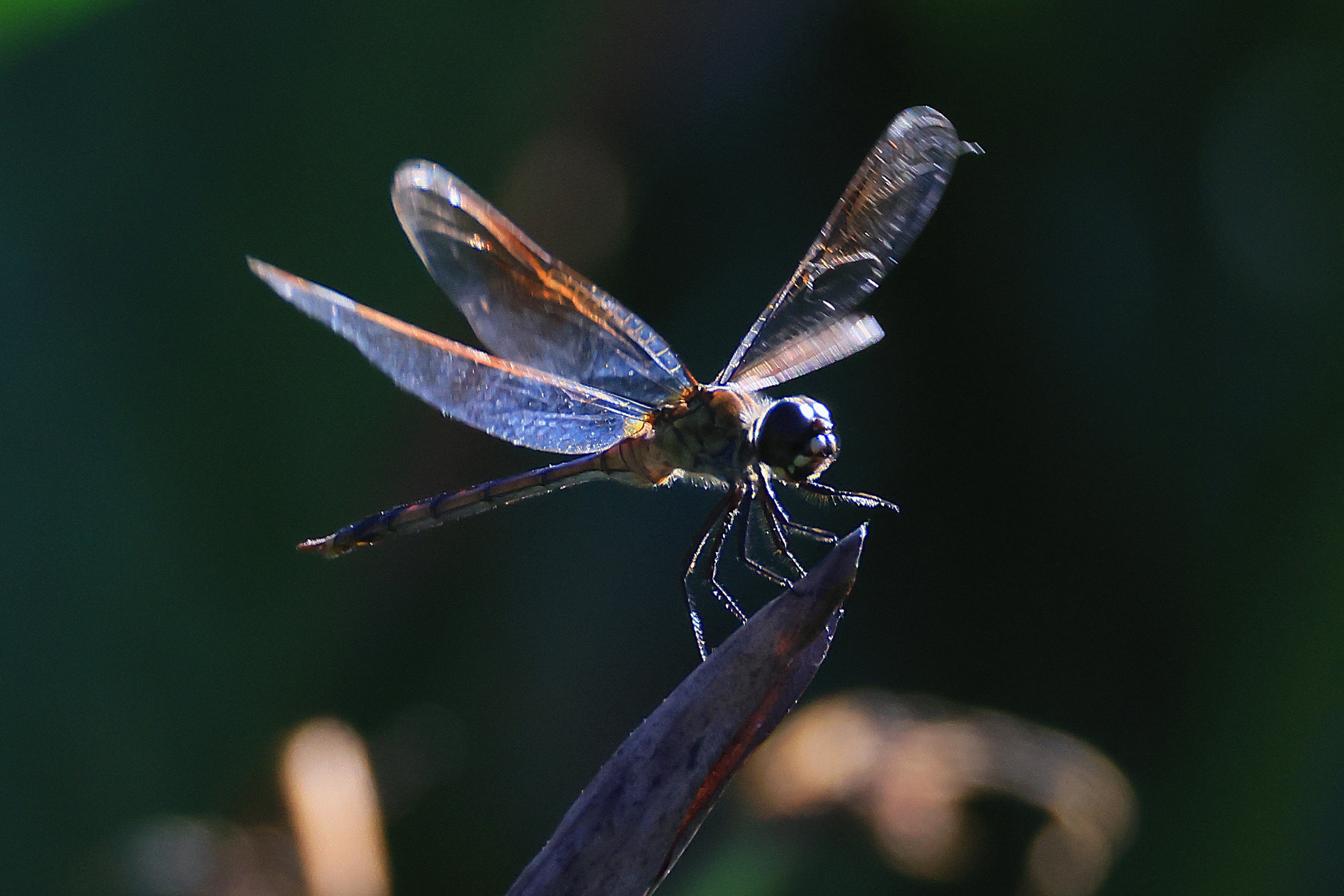
The U.S. has approximately 91,000 insect species, which are threatened by habitat loss, climate change and other factors
The U.S. has approximately 91,000 insect species, which are threatened by habitat loss, climate change and other factors (Getty Images)

So far, scientists have identified and named 1.2 million insect species worldwide. Here in the U.S., there are approximately 91,000, according to the Smithsonian.

While scientists may not know the names of many of the insect species they believe may be out there, they do know that time is not on their side.

Human-caused climate change, agriculture impacts, habitat loss, invasive species and other factors have led to mass extinctions across species, and insects are highly sensitive.

As many as 40 percent of the world’s insects are in decline, according to research from 2019, and just 1.2 percent have been assessed for extinction risk, a 2025 study showed.

Michigan researchers recently found that fewer numbers of insects – more than 60 percent fewer – at Canada’s Long Point Bird Observatory has resulted in smaller tree swallows that produce fewer young.

“Climate change is happening. It’s important and we need to study it and we need to understand the consequences of it. At the same time, we’re in a biodiversity crisis and habitat degradation seems to be one of the most important factors driving population declines in different animal species,” Charlotte Probst, a doctoral candidate at the University of Michigan, explained to The Detroit News.

“We really need to understand how these two factors are interacting through time instead of just focusing on one or the other,” she urged.

Share. Facebook Twitter Pinterest LinkedIn Tumblr Telegram Email

Related News

White working-class children have to be exceptional or exceptionally lucky to succeed, Education Secretary Bridget Phillipson says – UK Times

White working-class children have to be exceptional or exceptionally lucky to succeed, Education Secretary Bridget Phillipson says – UK Times

29 June 2026

A5 southbound between B4116 near Atherstone (west) and B4116 near Atherstone (north) | Southbound | Congestion

29 June 2026

M40 southbound between J3 and J2 | Southbound | Road Works

29 June 2026

Tunnel transformation: Shetland to approve undersea plan to replace ferries | UK News

29 June 2026
Self-exiled Chinese billionaire Guo Wengui gets 30 years in US prison for fraud conviction – UK Times

Self-exiled Chinese billionaire Guo Wengui gets 30 years in US prison for fraud conviction – UK Times

29 June 2026

link road from M6 J21A northbound to M62 J10 westbound | Northbound | Road Works

29 June 2026
Top News
White working-class children have to be exceptional or exceptionally lucky to succeed, Education Secretary Bridget Phillipson says – UK Times

White working-class children have to be exceptional or exceptionally lucky to succeed, Education Secretary Bridget Phillipson says – UK Times

29 June 2026

A5 southbound between B4116 near Atherstone (west) and B4116 near Atherstone (north) | Southbound | Congestion

29 June 2026
Furious Wimbledon fans hit out at BBC coverage after they missed crucial break points in Novak Djokovic’s first round match… to show Eastenders!

Furious Wimbledon fans hit out at BBC coverage after they missed crucial break points in Novak Djokovic’s first round match… to show Eastenders!

29 June 2026

Subscribe to Updates

Get the latest UK news and updates directly to your inbox.

Recent Posts

  • White working-class children have to be exceptional or exceptionally lucky to succeed, Education Secretary Bridget Phillipson says – UK Times
  • A5 southbound between B4116 near Atherstone (west) and B4116 near Atherstone (north) | Southbound | Congestion
  • Furious Wimbledon fans hit out at BBC coverage after they missed crucial break points in Novak Djokovic’s first round match… to show Eastenders!
  • M40 southbound between J3 and J2 | Southbound | Road Works
  • Tunnel transformation: Shetland to approve undersea plan to replace ferries | UK News

Recent Comments

No comments to show.
© 2026 UK Times. All Rights Reserved.
  • Privacy Policy
  • Terms of use
  • Advertise
  • Contact Us

Type above and press Enter to search. Press Esc to cancel.

Go to mobile version