
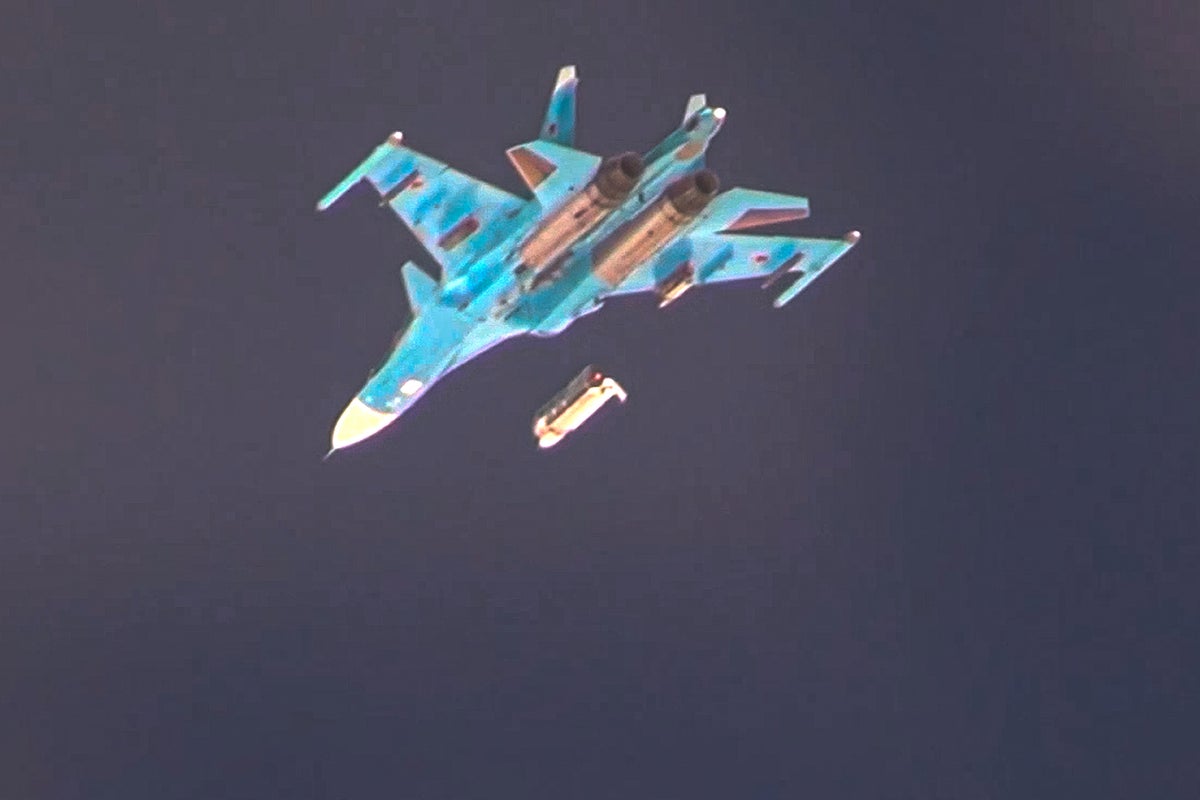


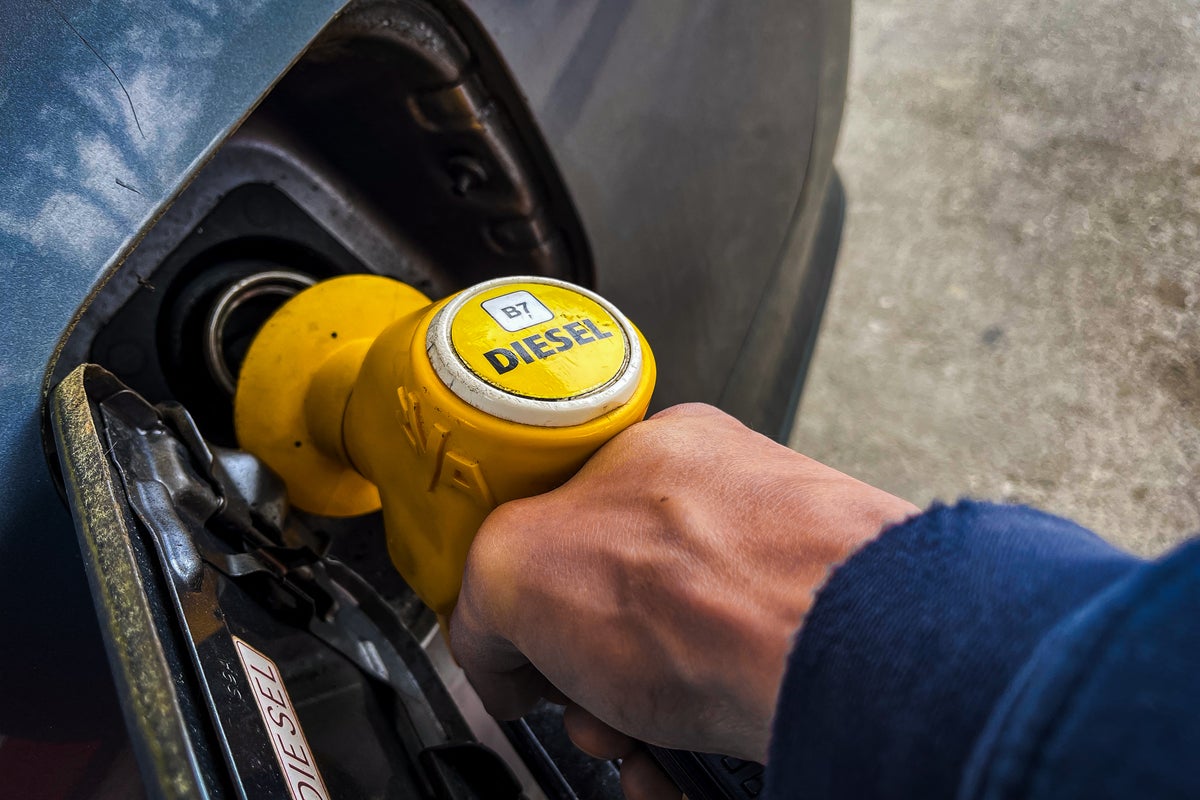
While gasoline prices remain high at pumps across the U.S., experts warn that the cost of another fuel could ultimately impact consumers more.
“It’s diesel that really runs the economy, and kind of runs the world,” Joe DeLaura, a global energy strategist at Rabobank, told The New York Times.
Since the start of the war in Iran on February 28, the average price of a gallon of diesel has gone up by around 45 percent, compared with regular gas which has increased at around 35 percent per gallon.
Prices are expected to peak at $5.80 per gallon this month for diesel, while gas will average at $4.30, according to the Energy Information Administration.
Whereas gas prices may be more noticeable for Americans day-to-day, affecting the costs of fuelling their cars, diesel – which has more energy per gallon – is used in the transportation industry to power trucks, tractors and other heavy machinery.

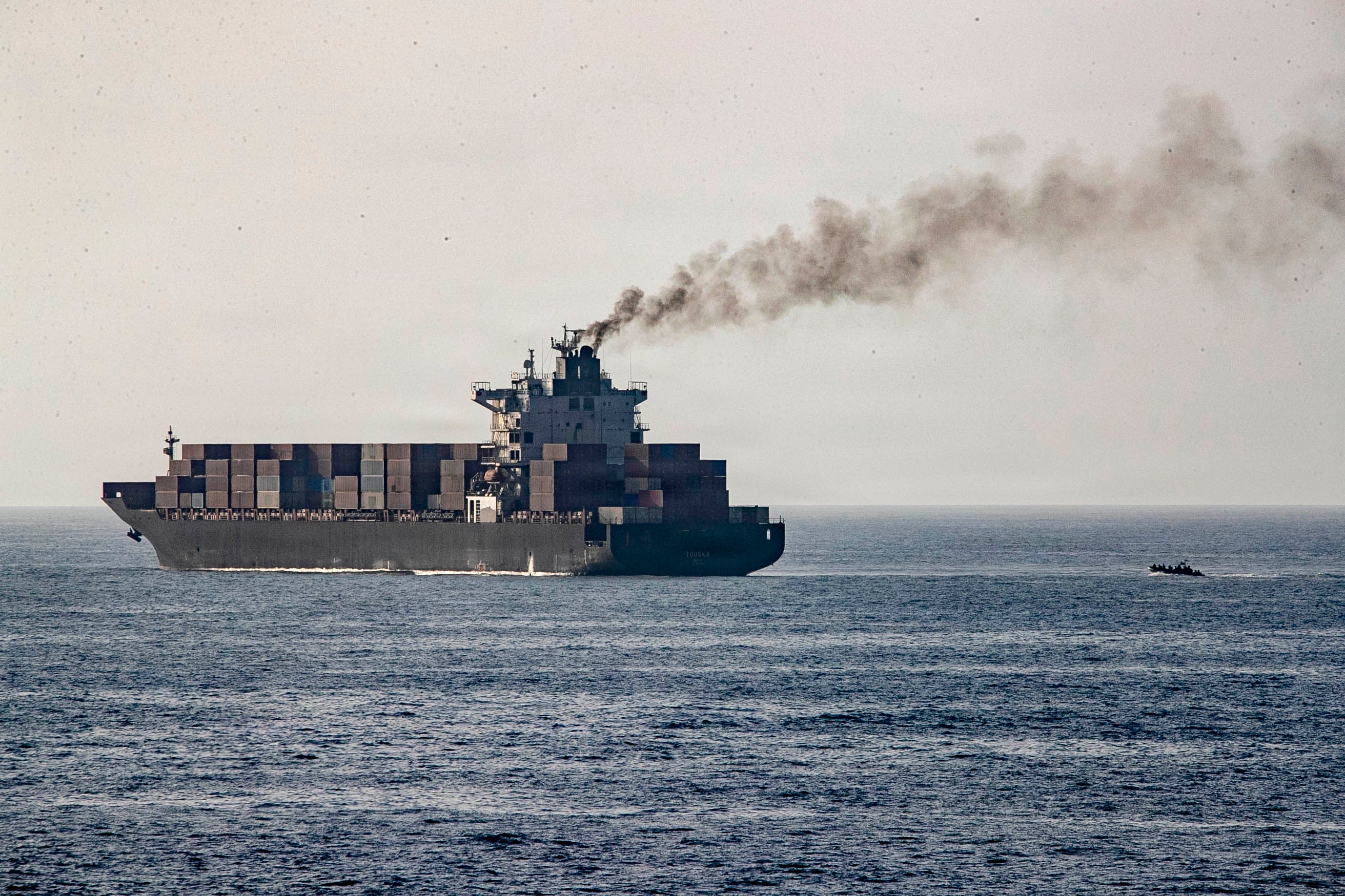
Despite a ceasefire in the Middle East being extended by President Donald Trump earlier this week, oil prices held around $100-a-barrel Thursday after Iran seized two container ships in the Strait of Hormuz and peace talks remained deadlocked.
Gas prices have fluctuated somewhat in recent weeks, though diesel has remained elevated.
The process for refining diesel from oil is more intensive and costly than that of gasoline and there were lower supplies even before the start of the conflict. Refineries are also not able to easily adjust their diesel production.

In addition, since the war began, Persian gulf countries and China – who produce a lot of diesel – have slashed their exports to ensure they don’t experience shortages, the NYT reports.
“This is why diesel more than doubles, while gasoline basically moves up in tandem with crude,” DeLaura told the NYT. “You have a shortage of diesel, you have a shortage of jet fuel, you have a shortage of fuel oil. Gasoline is relatively well supplied.”
Unlike regular consumers, who can choose to carpool or cut down on gas consumption in other ways while prices are high, farmers and truckers who rely on their vehicles and machinery to work can not.
Even if the Strait of Hormuz is fully reopened, prices of diesel may not fall as quickly as other fuels due to the amount of time needed to continue distribution.