


Britain’s rulers and civil servants have shown themselves to be incompetent custodians of national security at a time when the UK is facing a live hybrid war from Russia, economic and security contagion from the Middle East, and subtle invasion by Chinese intelligence and business interests.
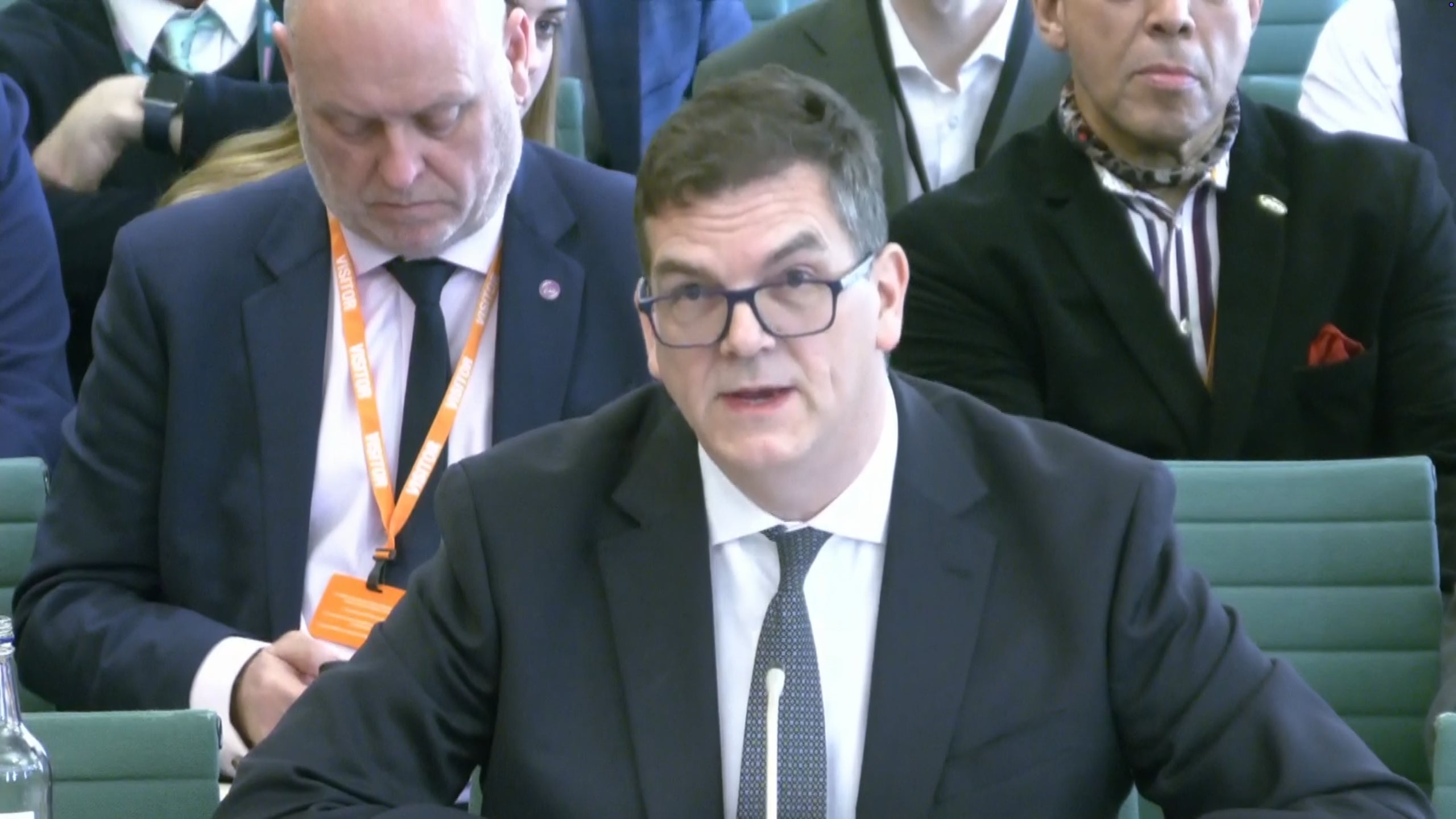
The spectacle of Olly Robbins, late of the Foreign Office, telling MPs that the Cabinet Office didn’t seem fussed whether or not Peter Mandelson had passed security vetting for the post of ambassador to Washington, will have caused our allies to splutter with horror.
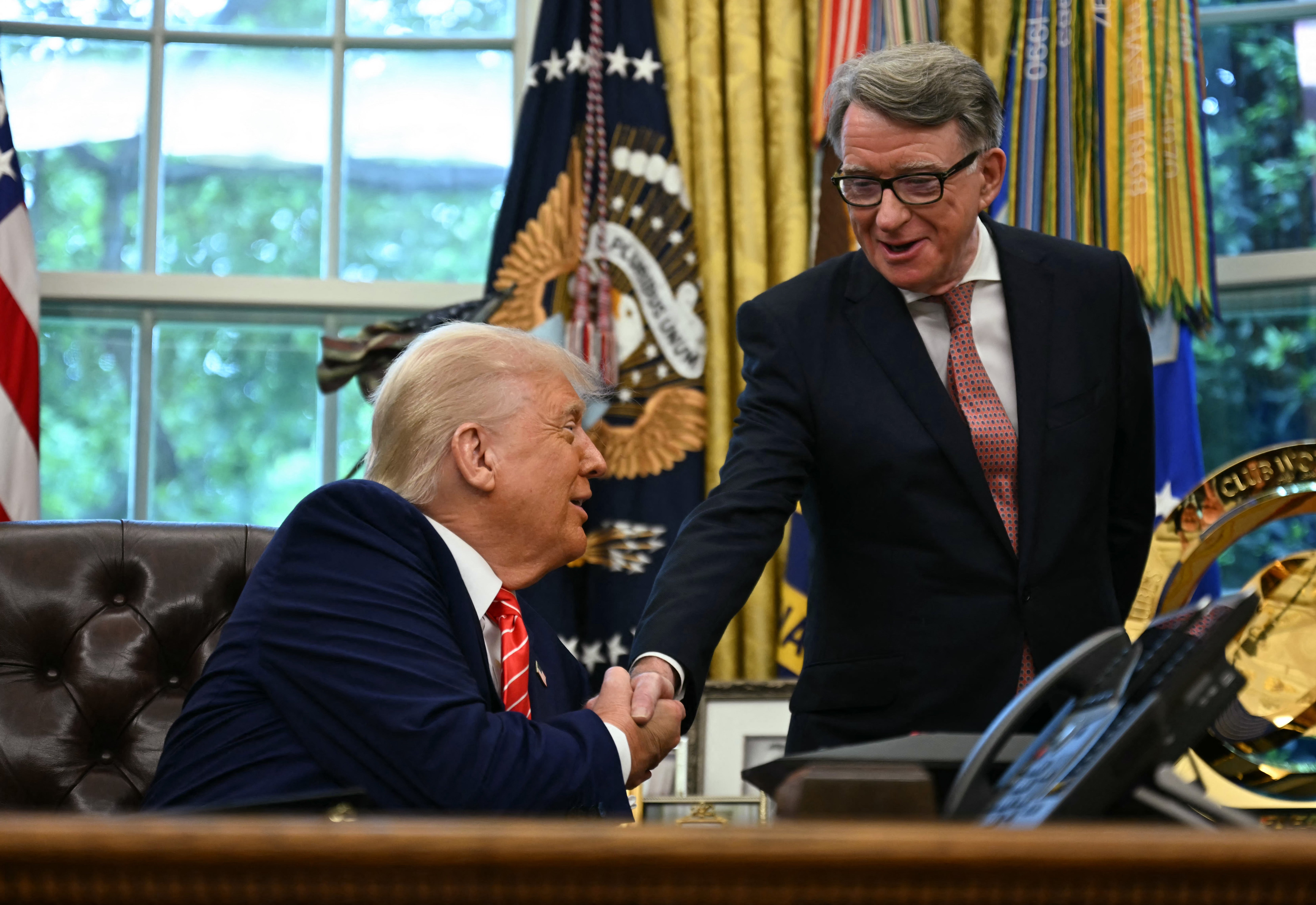
Add that to Keir Starmer’s seemingly complete lack of curiosity about whether his appointment to the most sensitive post in British diplomacy could be trusted, and it sends a signal that Britain just doesn’t know what it is up against.
The laundry has been washed, but remains very publicly soiled.
The country’s generals have complained that there’s a £28bn shortfall in funding for its armed forces. Its spooks have warned that it is under attack from Russia, as the Kremlin pursues a strategy of hybrid warfare.
The defence secretary, John Healey, recently boasted that the Royal Navy had chased off Russian spy submarines hoovering the seabed for information on underwater cables – the information arteries that keep us alive.

The government has bleated on about how Russian oil tankers from Vladimir Putin’s ghost fleet should be boarded. But the cables continue to be spied upon, the tankers sail up and down the Channel unmolested, our armed forces continue to be beset by massive technical screw-ups costing billions – and the government does nothing.
The root problem is that Britain’s current leaders see this debacle as a political problem. It is not. It is a security issue, and at its core lies the question of how seriously the UK takes the task of protecting its secrets – and those of others.
Five Eyes, the alliance that provides for intelligence-sharing between the UK, the US, Canada, Australia and New Zealand, is already under strain. Trump cannot be trusted not to blurt out privileged information on social media, or in meetings with foreign officials. We know this because he has done it – famously putting an intelligence asset at risk when he told the Russian ambassador to Washington about an Isis bomb plot during his first administration.
US cabinet officials have been shown to use insecure signals for top secret communications. Volatility so rules the White House that Trump himself has been kept away from live briefings on his own war with Iran.
British officials and spymasters have been contending with this for a year. But our own government is now demonstrating the same level of insouciance when it comes to allowing access to the UK’s secrets. This is a new level of idiocy that Britain’s allies, anglophone or otherwise, will be horrified by.
Among the country’s best exports, in terms of both soft and hard power, are its security services and its special forces. The UK buys credibility through the bravery of the men and women who work in the shadows in real life – and through the perception around the world that, eventually, it will be James Bond who saves the day.

The truth emerging from No 10 and the FCDO is that mandarins and politicians don’t think national security really matters; they don’t believe, not really, that Russia will one day cut our cables and blow up our pipelines under the sea.
They don’t care, or believe, that China has been plundering our intellectual property for decades, infiltrating our businesses, buying up our real estate, and farming our data through sites like TikTok.
A quick search of the internet, at any point in time before Mandelson was sent to Washington, would have revealed his close ties to Chinese business – and that he was, until 2017 (three years after Russia’s invasion of Crimea, part of a European country) – on the board of a Russian arms company.
Robbins said there was pressure from No 10 to get Mandelson’s security clearance approved as quickly as possible.
It was stupid, and it demonstrates a staggering indifference on the part of the prime minister, and his cabinet, to the safety of the UK to have put such pressure on civil servants to rush through clearance, for a manifestly unsuitable candidate, for a role that would confer access to top secret information.

It was also a failure of the civil service not to highlight the danger that Mandelson posed – if necessary, at the risk of losing their own careers and pensions. That’s what we ask of soldiers, but when they pay a price, it’s with their lives, not their stipends.
Where were the officers of the government, of the security services, of the Foreign Office when Mandelson was being briefed on top secret matters even before his nod-through clearance was given? They were in the room, telling him things he had no right to hear.
In Evelyn Waugh’s satire of journalism Scoop, preparations for war in Aden were reported to be inadequate and, in the truncated language of telegrams, “unwarwise”.
This week, Britain has shown itself to take a similarly “unwarwise” approach to foreign affairs – but Scoop was fiction, and the threats facing Britain are real.