It did not take an avid political insider to realise that Labour were in serious trouble in Wales and had been for a long time.
Nearly half a million of its three million population are estimated to live in “deep poverty”, while the decline of its industrial base has meant that large parts of the Welsh Valleys suffer with high deprivation, an underperforming education sector and lower income levels.
For over a century, Labour politicians have dominated country-wide elections and have held the Senedd since it was established in 1999. Consecutive leaders in Westminster have never questioned the support they could rely upon in Wales – until today.
For voters in those particular constituencies, the mood has turned from loyalty to anger, with many telling The Independent that nothing had changed in decades, with parties such as Reform UK and Plaid Cymru emerging as serious candidates to win back their trust.
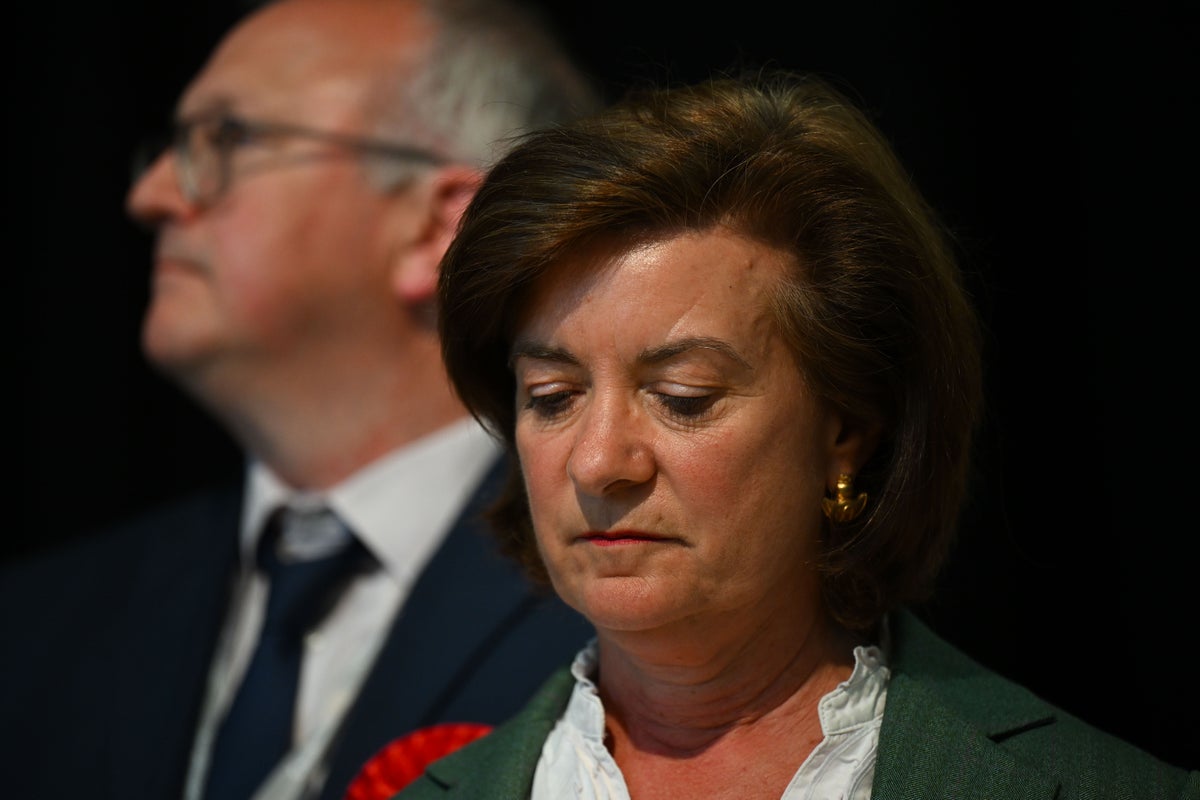
After a disastrous campaign, Welsh Labour have now been reduced to just nine seats out of the 96 available in Cardiff Bay, with first minister Eluned Morgan even losing her seat in Ceredigion Penfro in a further humiliation for prime minister Sir Keir Starmer.
At the Geraint Thomas Velodrome Centre in Newport, the mood among the candidates was bleak. One Labour figure said door-knocking within the local community had been “pretty painful” and that, despite their best efforts, the “writing was on the wall” for months.
One Labour candidate, Chris Carter, told The Independent: “I think the first minister can hold her head high. She led us with a huge amount of energy against some very, very difficult national and international headwinds.”
When asked if Sir Keir’s popularity had been an issue on the doorstep, he said: “Yeah, and I think there’s Welsh Labour and UK Labour, but we are part of the same Labour family – so there are incumbency penalties for both parties.”
Despite refusing to call for Sir Keir to stand down, it was clear from her comments earlier this week that Baroness Morgan laid part of the blame at Downing Street’s doorstep. Speaking to The Telegraph, she said the prime minister “comes up as an issue on the doorstep” when speaking to voters, a sentiment shared by Scottish Labour leader Anas Sarwar.
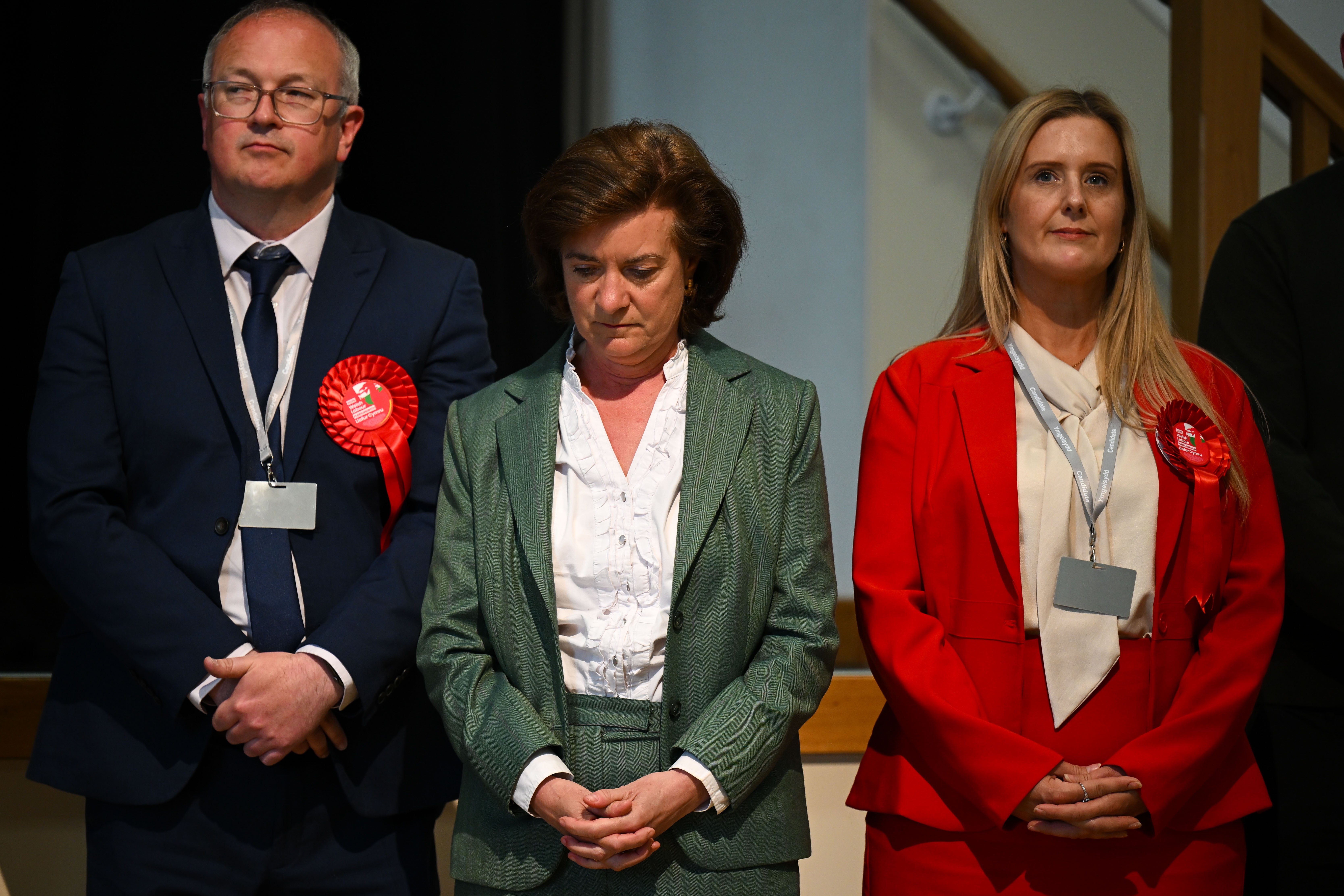
Taking responsibility for their loss in Wales, she took aim at the prime minister and said: “We need the Labour government nationally to change course.”
Standing down as the leader of Welsh Labour, she added: “It is clear that results across the whole of the United Kingdom have demonstrated deep frustration with the Labour Party.
“We need to go back to being the party of the working-class. We need the Labour government nationally to change course. We need the wealth of this nation to be more equally distributed away from the South East.
“But I was always clear that this election was about Wales and Keir Starmer was not on the ballot. I am taking responsibility, and I am resigning.”
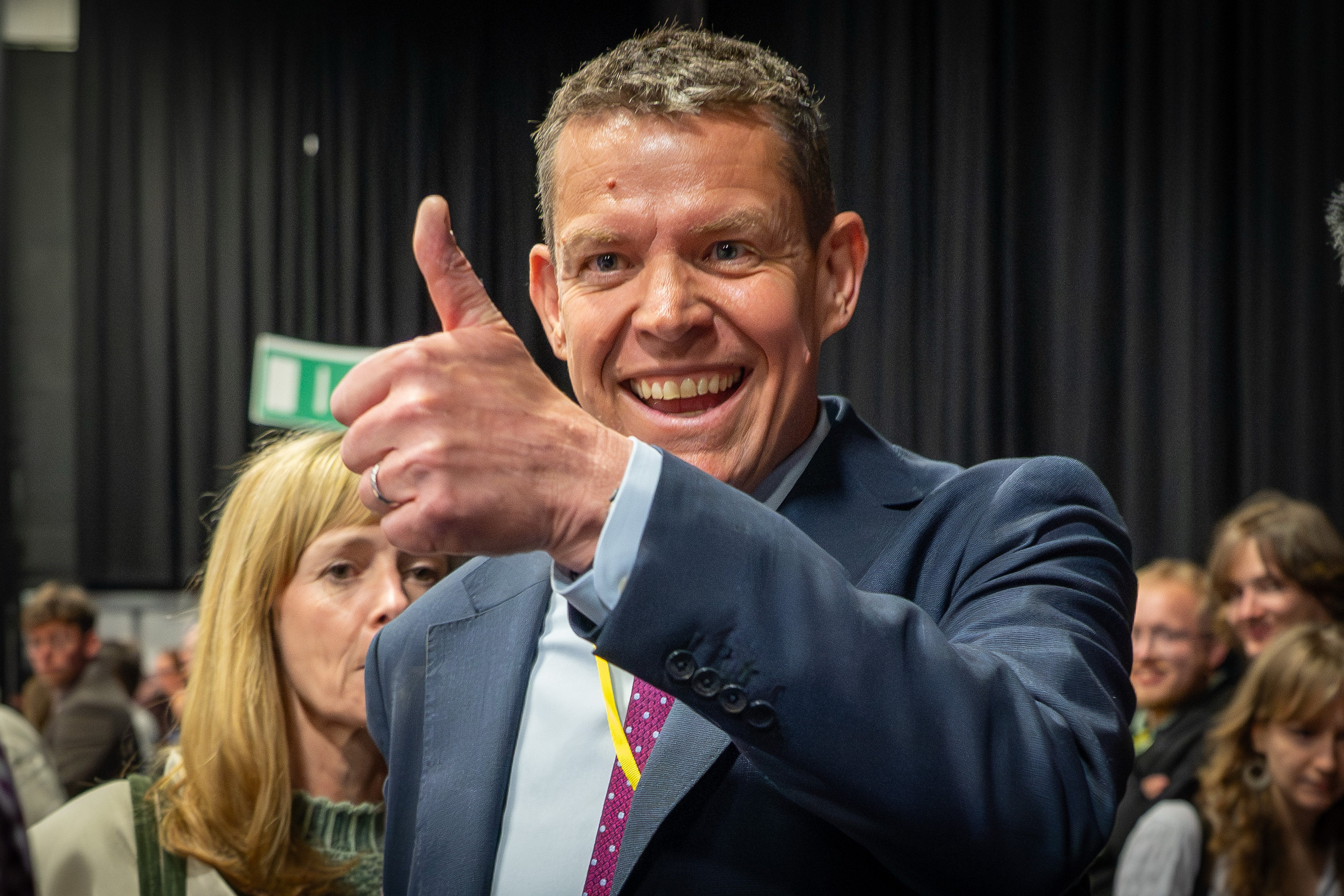
With the crushing defeat of Labour, politics in the Senedd is set for a seismic shift. Plaid Cymru has emerged as the largest party with Rhun ap Iorwerth set to become first minister, and Reform UK came a close second.
While the Welsh nationalist party has been around for 60 years, usually confined to the Welsh-language speaking constituencies of west and north Wales, the emergence of Nigel Farage’s party is hugely significant.
In the large hall, only media, candidates and their aides were present, with a notable lack of supporters. While it was initially rumoured that Mr Farage was set to arrive in the afternoon, it is believed his plans changed once it became clear that Plaid Cymru were in the lead.
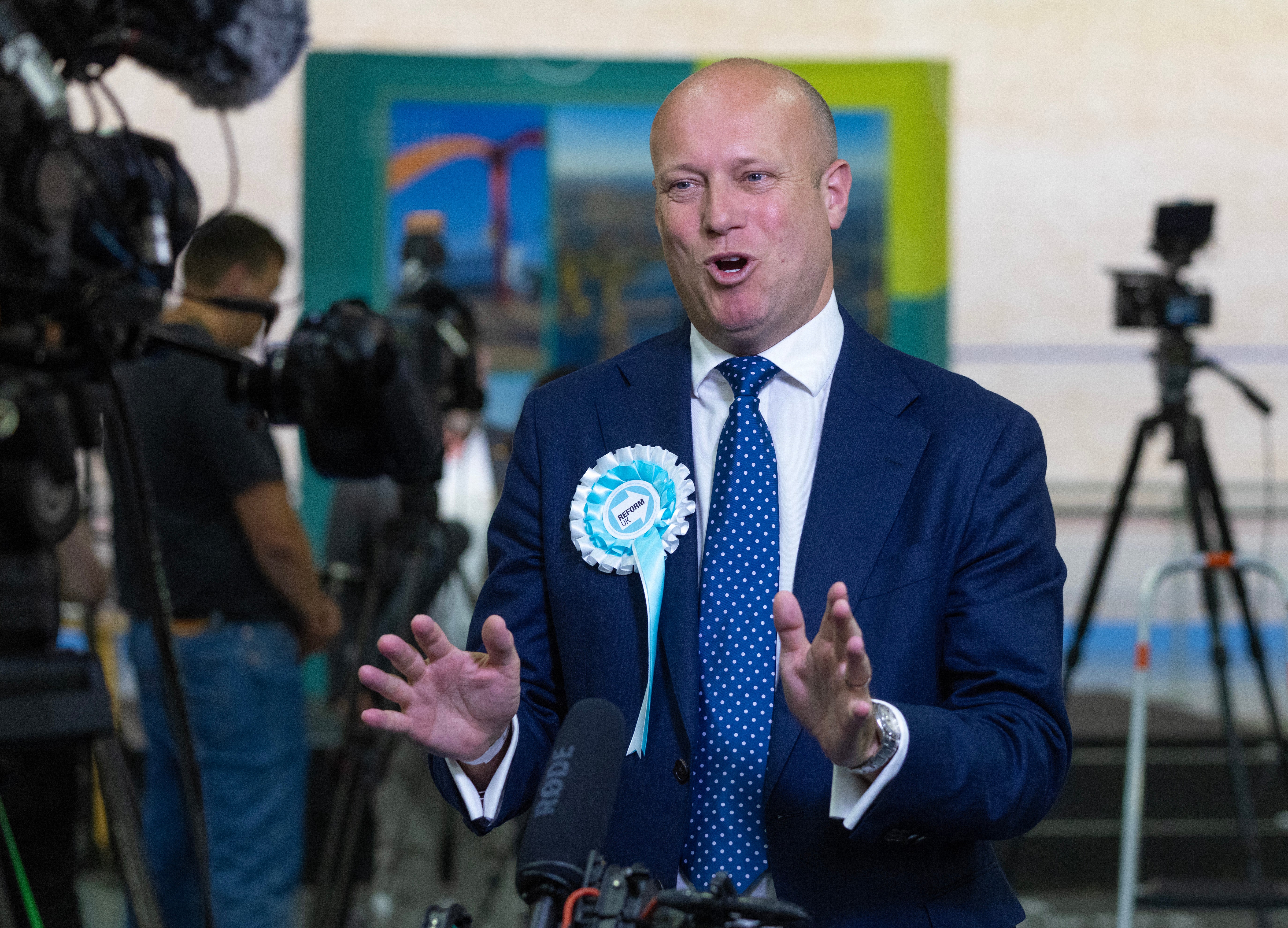
Despite refusing to speak to the media until leader Dan Thomas arrived, half an hour before the result, the team at the Reform UK table were confident had done enough to secure at least two seats in Casnewydd Islwyn.
“We all know that Labour are finished, we know that after 27 years of failure, letting the people of Wales down. We know that much,” Mr Thomas said.
In the last May elections in 2021, the party had only been in existence for four months and secured just one per cent of the vote. They now represent a third of the Senedd and will play an influential role in the years to come in shaping Welsh policy.