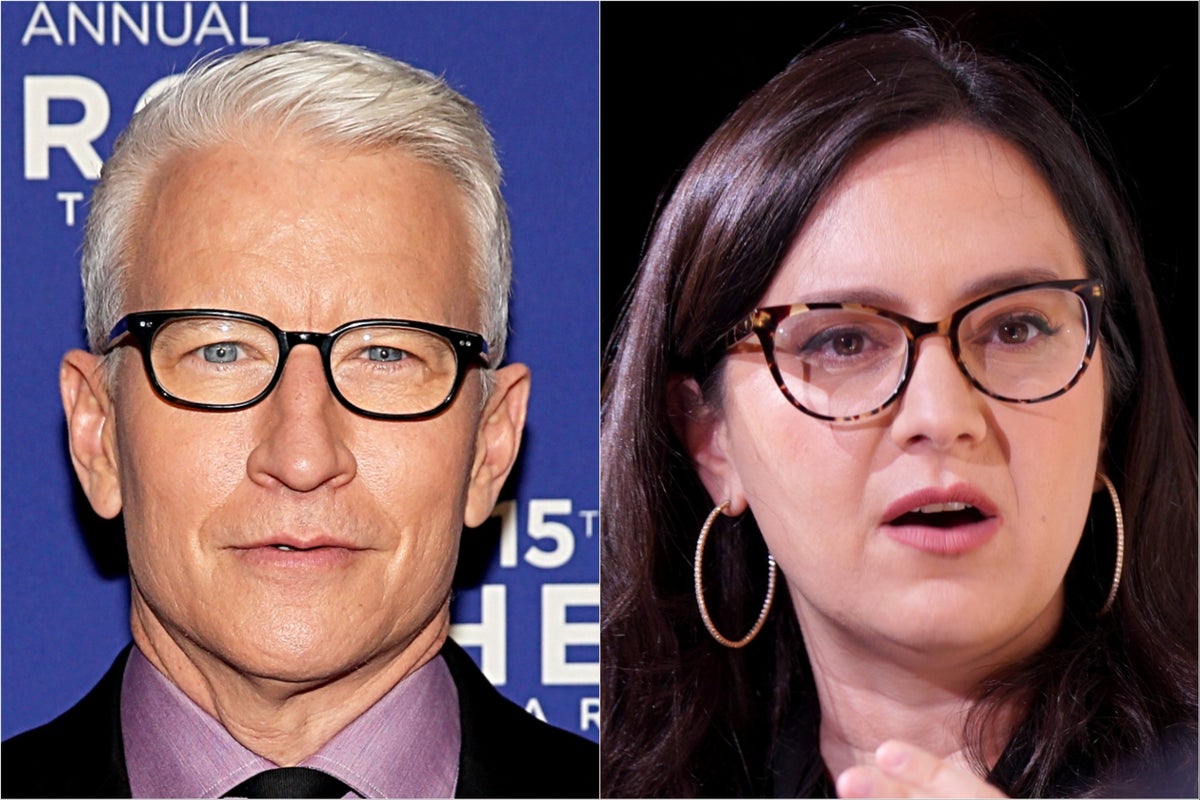



The good news for Thomas Tuchel is that there is a fit England international right-back in New York. The less good news is that Gary Neville is 51 and a pundit on a Brooklyn roof terrace.
As England found the least convincing of ways to win Group L, their curse of the right-backs continued. It is, admittedly, partly a self-inflicted curse, created by strange decision-making and needless stubbornness. As Jude Bellingham ended Panama’s resistance, a hooked breakthrough showing an enduring capacity to rescue wretched performances, England were temporarily down to 10 men.
Jarell Quansah was off the pitch, injury compounded by the insult of receiving a yellow card. A third right-back was down in two weeks: first Tino Livramento, then Reece James, then Quansah. Who, of course, is not really a right-back at all.
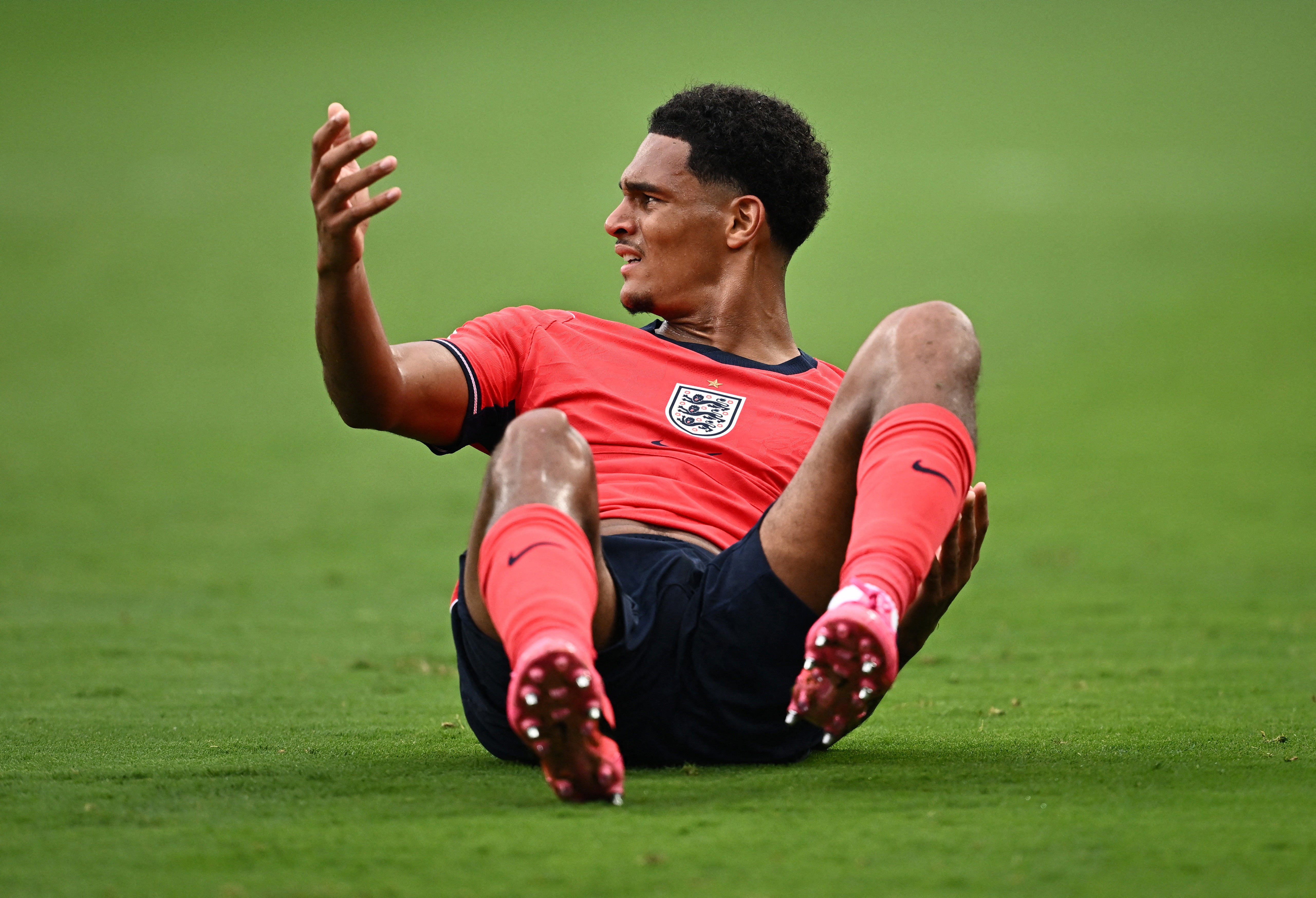
So enter Djed Spence, fourth-choice right-back. Or fifth, considering Ben White would have been ahead of him but for his own injury. All of which could have been deemed a case of extreme misfortune, but for a blinkered refusal to call up the obvious candidate.
For Tuchel, a manager who was supposed to have brought clarity of thought, the sense of confusion is damning. Quansah spent much of his hour on the pitch tucked in as a third centre-back, largely because he is a third centre-back. Or a fourth, fifth or sixth, given the number Tuchel has in his group. So much for the notion of building a squad around two players for each position.
Tuchel’s gameplan revolved around crossing, but one of the best crossers in the world was in Madrid, on Merseyside, on holiday; anywhere except where he should have been, playing right-back for England. There may be no point in further bemoaning Trent Alexander-Arnold’s absence but it remains ridiculous. Quansah did not overlap, but he should not be blamed for that: part of Tuchel’s rationale for selecting him is that he plays on the right of a back three for Bayer Leverkusen.
Meanwhile, if Quansah was supposed to add solidity, some of Panama’s brightest moments stemmed from Jose Luis Rodriguez, their left winger, who came close in either half. This England team can advance to the last 32 with consecutive clean sheets and yet an underlying sense of fallibility. Tuchel’s team talk, so galvanising at the break against Croatia, appeared less beneficial when Panama had a chance within 20 seconds of kick-off and another within 20 seconds of the first, entirely futile hydration break.
Like Ghana before them, Panama posed a threat on the counterattack. England did not look configured to stop them. And, once again, Tuchel’s best-laid plans have seemed to fall apart within what should have been a relatively undemanding group.
John Stones began against Croatia and has not been seen since. Stones was perhaps England’s outstanding tournament player over the Gareth Southgate era. But Pep Guardiola marginalised him last season; Tuchel seemed to ignore concerns about the defender’s physical decline. A game into the tournament, it feels like he has now given up on Stones’s body.
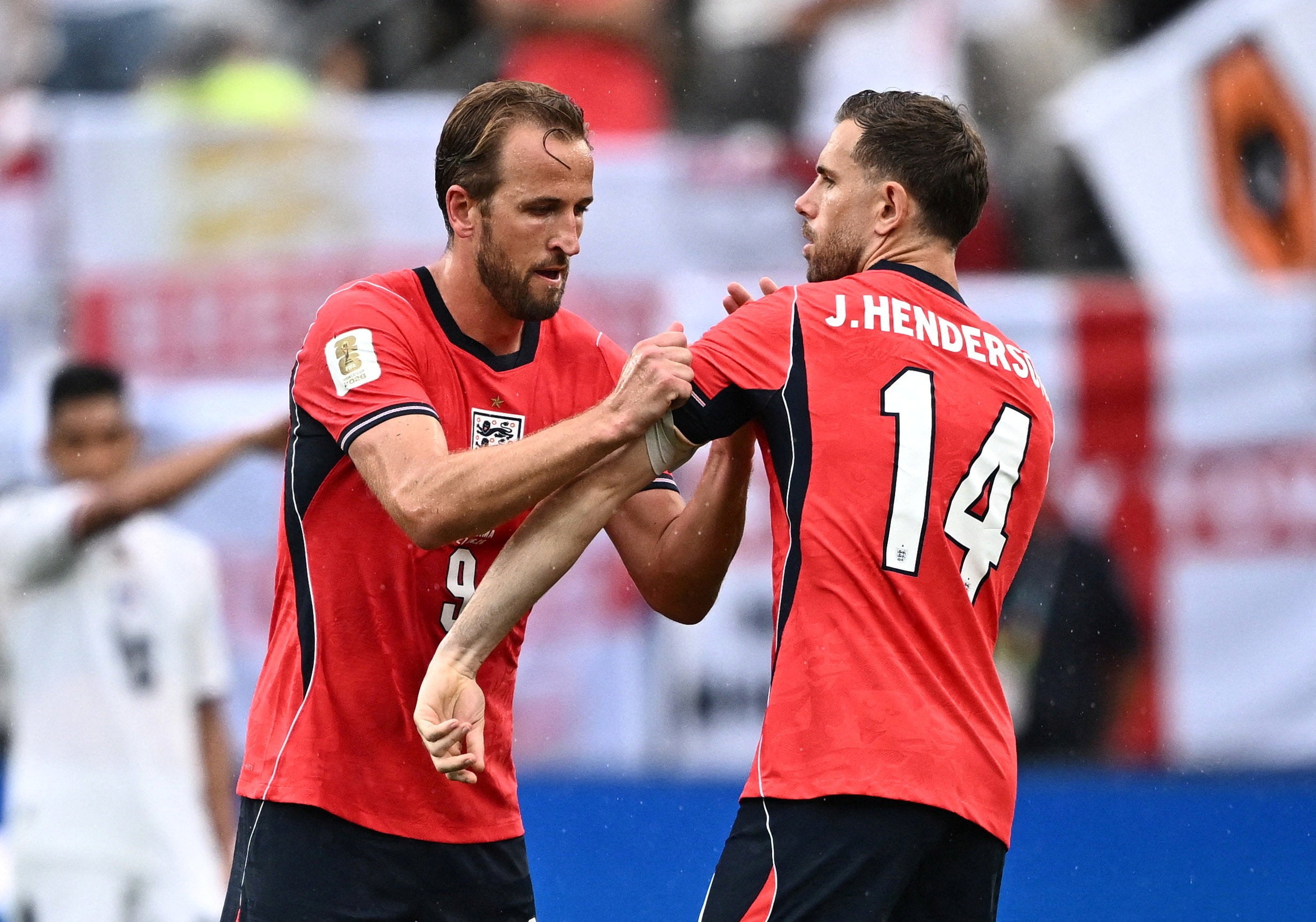
The decision to replace the sidelined Livramento in the squad with Trevoh Chalobah suggested as much. Meanwhile, with Stones, England are accumulating old-timers who are rarely risked on the field. Jordan Henderson got a few minutes with the armband, becoming the first England footballer to play at seven major tournaments. Yet he and Dan Burn seem the vibes veterans, picked for their roles around the camp.
And that camp is, ludicrously, right in the heartland of the United States. They carry on with their increasingly regular 2,000-mile round trips to Kansas City. If they stay for the duration – and on the basis of their last two performances, they will not – they will play six games in the east, whether in New York, Boston, Atlanta or Miami, and none in the west. There is no point being half-way between Los Angeles and Boston, Miami and Seattle, if England are not going to venture near the Pacific Ocean.
But it underlines part of the problem with Tuchel’s strategy. He didn’t forget to plan. He just finalised it too early. He settled on a base camp before England had a fixture list. He picked most of the squad nine months ago. His thinking should have shifted with events.
Instead, minds were made up too early. The decision to sideline much of the creativity in the English ranks – Alexander-Arnold, Adam Wharton, Cole Palmer, Phil Foden, Morgan Gibbs-White – feels more misguided by the day. Tuchel’s team look one-dimensional and uninspired.
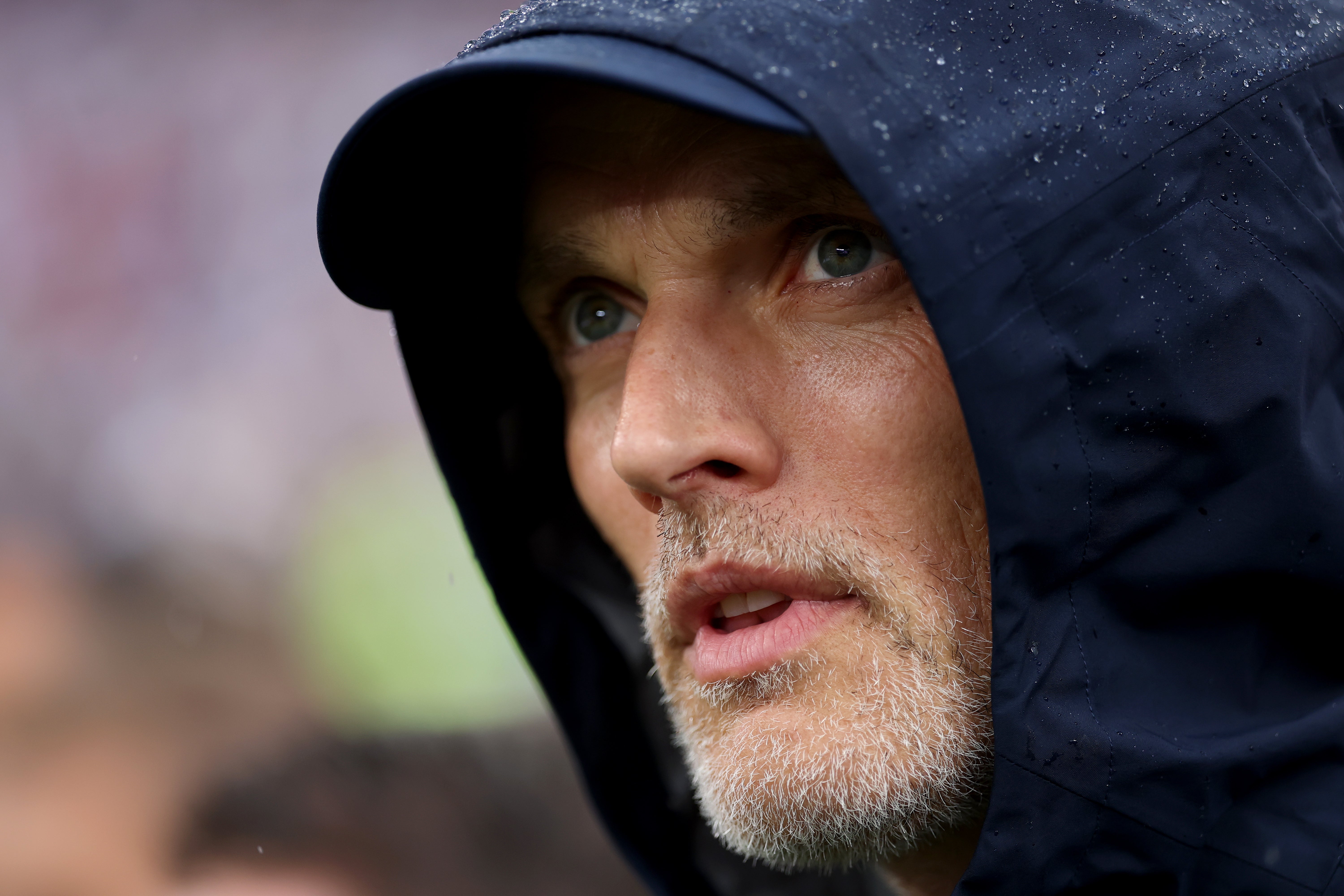
They have only really played well for 15 minutes so far in this World Cup. If some teams spend tournaments searching for continuity, England found it. They carried on where they left off against Ghana. They were terrible again.
Ultimately it did not cost them. But there may be another rethink required, partly due to Quansah. If his injury has a severity, Tuchel could see if Neville is available. He did have a decent World Cup, after all. Although it was in 1998.