
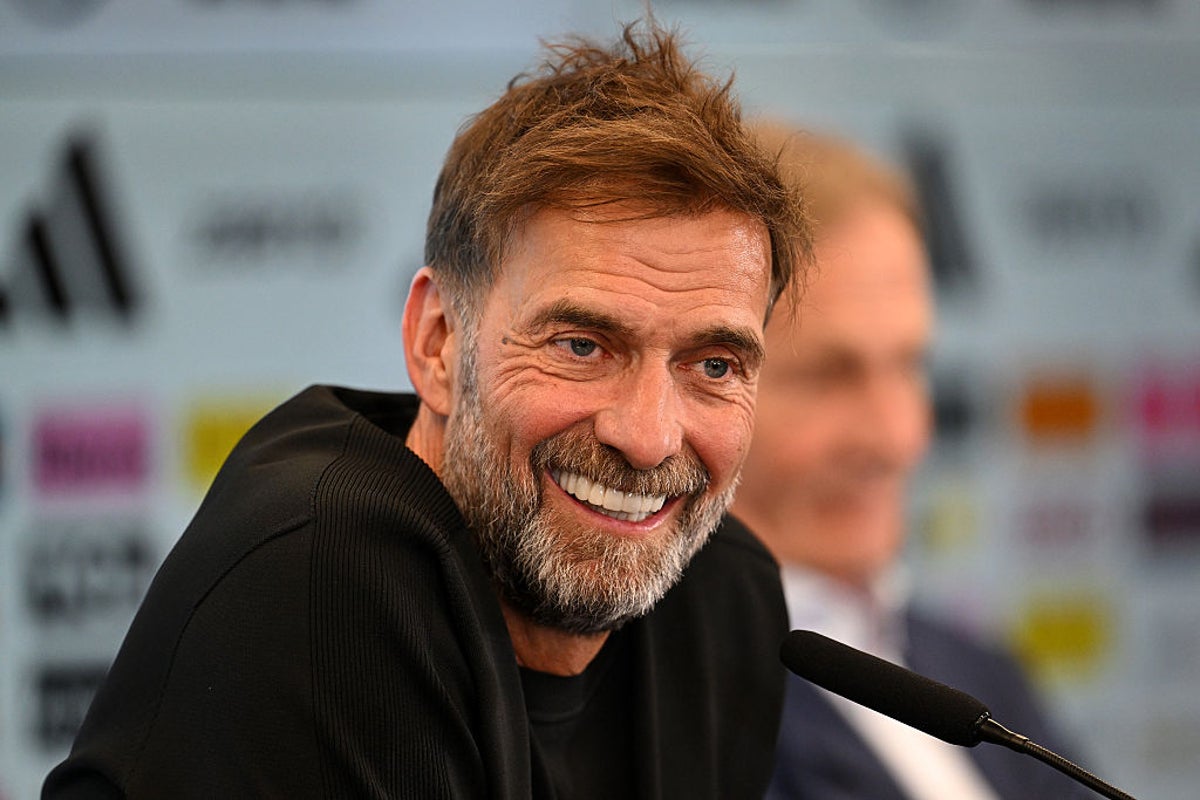
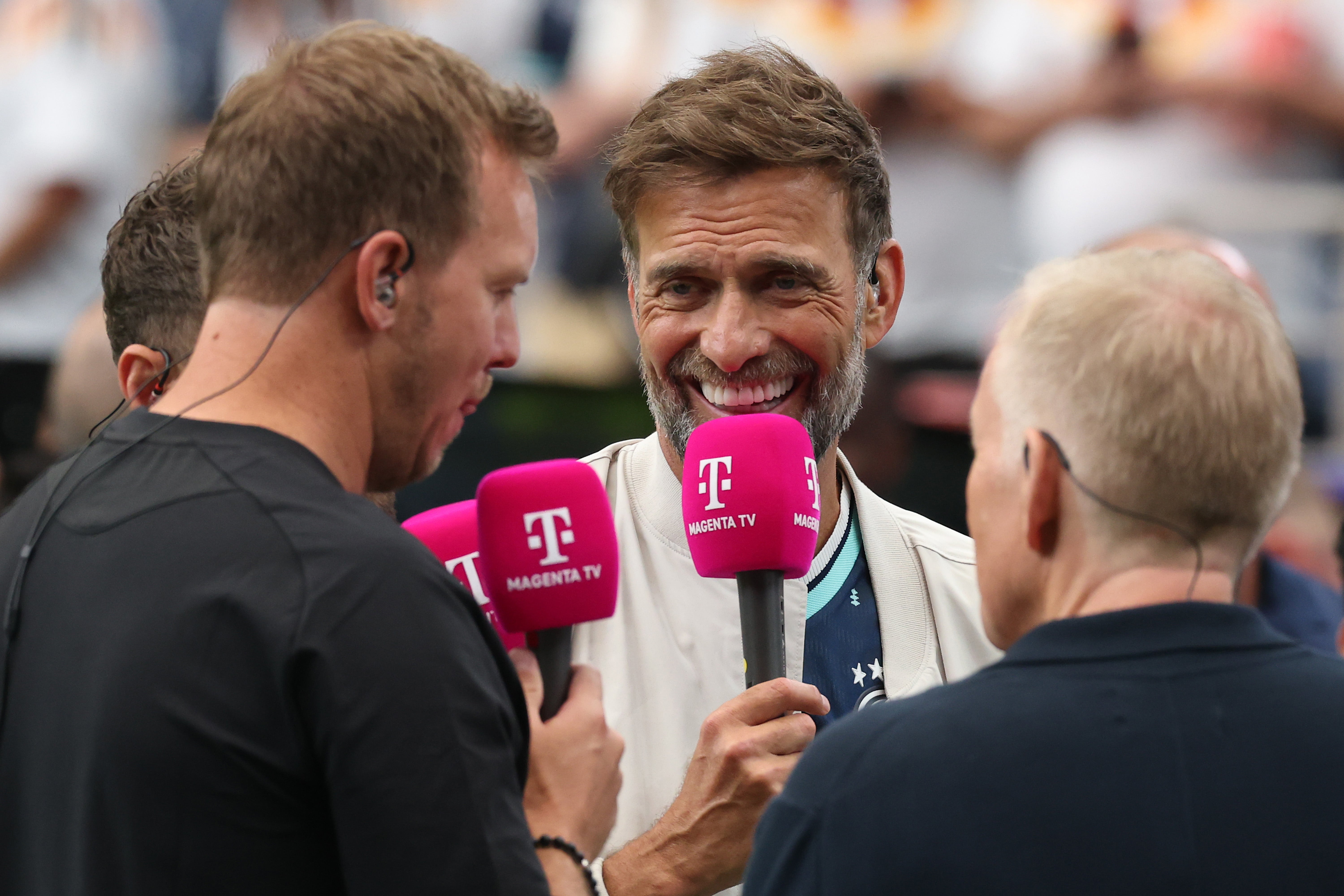
Jurgen Klopp could have sat back and let the punditry millions roll in. The charisma king of the dugout unsurprisingly made the transition to TV pretty seamlessly for the World Cup, alongside Thomas Muller – the former Germany forward whose penchant for Reels signifies that the permanent shift from footballer to entertainer isn’t too far away.
But Klopp’s personality is of better use in a more serious sector of the German football landscape.
As the team dabs its wounds after a dismal last-32 World Cup exit to Paraguay, the wait to win a knockout-stage match since their 2014 triumph goes on. Julian Nagelsmann failed to galvanise the country’s national team, like Hansi Flick did before him – two tactical aficionados and objectively fine managers, but that’s where it ends. They lacked a certain… aura.
Klopp doesn’t have that issue. At each of his three clubs, he has left as a deified figure, and for good reason – everywhere he goes, he ushers in a new period of glory. He guided Mainz to the Bundesliga for the first time in their history; he won back-to-back titles with Borussia Dortmund after seven years of failing to break the top four; and at Liverpool, he awoke a sleeping giant and won everything there was to win, including a first Premier League in 30 years.
His rock’n’roll style of football makes any team he manages easy to root for. “There are 11 nations ahead of us in the rankings – but we have to make beating them possible, with the way we play football,” Klopp vowed at the press conference where he was officially unveiled as Nagelsmann’s successor. But after years of blandness at the German helm, his presence alone will breathe life into a stalled setup.
Klopp has been Germany’s dream appointment for a decade. He was envisaged as the successor to Joachim Low, taking the World Cup-winning team he built and keeping them at the top. That isn’t Klopp’s style, though – at no point in his career has he arrived to do a maintenance job; it’s always been to rebuild and reinvent. It’s why persistent rumours of a Real Madrid or Bayern Munich move never felt right for him.
Now that Germany need him, he has risen from his Red Bull-funded slumber. “I’m not doing this job for myself. I’m doing it for you,” he said, playing into the “messiah” gimmick.
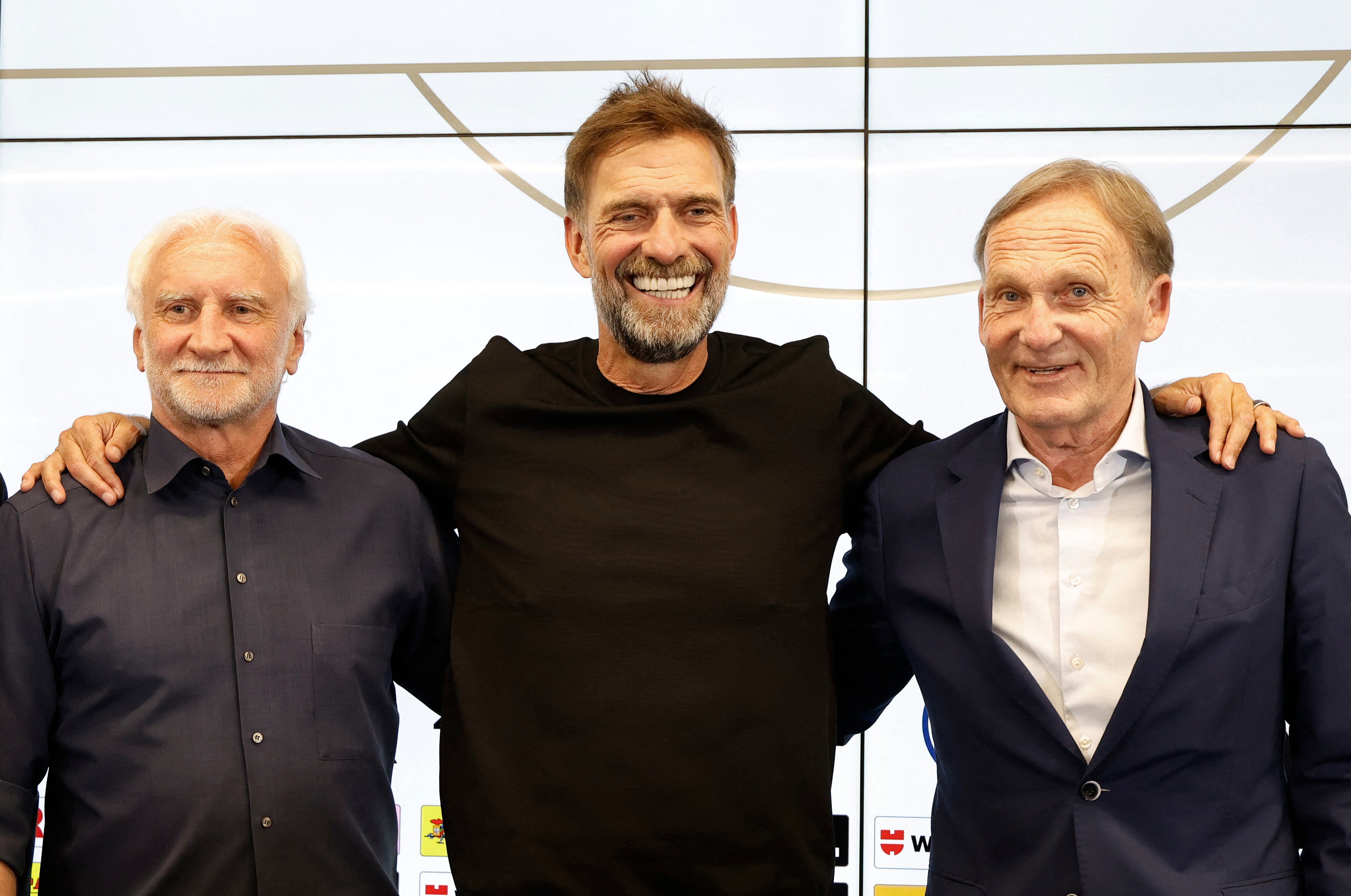
He is not the same man who ruled German football at the Westfalenstadion; he now has new teeth and new eyes for a start. He also has a much bigger trophy cabinet bolted to the wall. But his personality is largely the same, only moving with the extra swagger that comes with such success.
With that personality comes a certain volatility; he’s a man who doesn’t fear ruffling feathers. He is not universally beloved by any stretch; rival fans grew tired of his complaining, excuses and perceived preferential treatment by referees. More recently, he experienced fierce backlash and “sellout” accusations in his homeland for taking his head of global soccer role at Red Bull, with German fans despising the organisation’s multi-club model and effective circumvention of the 50+1 rule, which guarantees supporter voting rights at clubs.
His Germany unveiling, therefore, wasn’t all hugs and kisses. Klopp went as far as to issue a warning to the country’s press and public: he is not going to tolerate what has been the curse of the job for 12 years.
“I’m taking this job even though I’ve seen how you’ve treated Julian Nagelsmann,” he said bluntly. “I’m taking it even though I’ve seen how you’ve treated Thomas Tuchel.
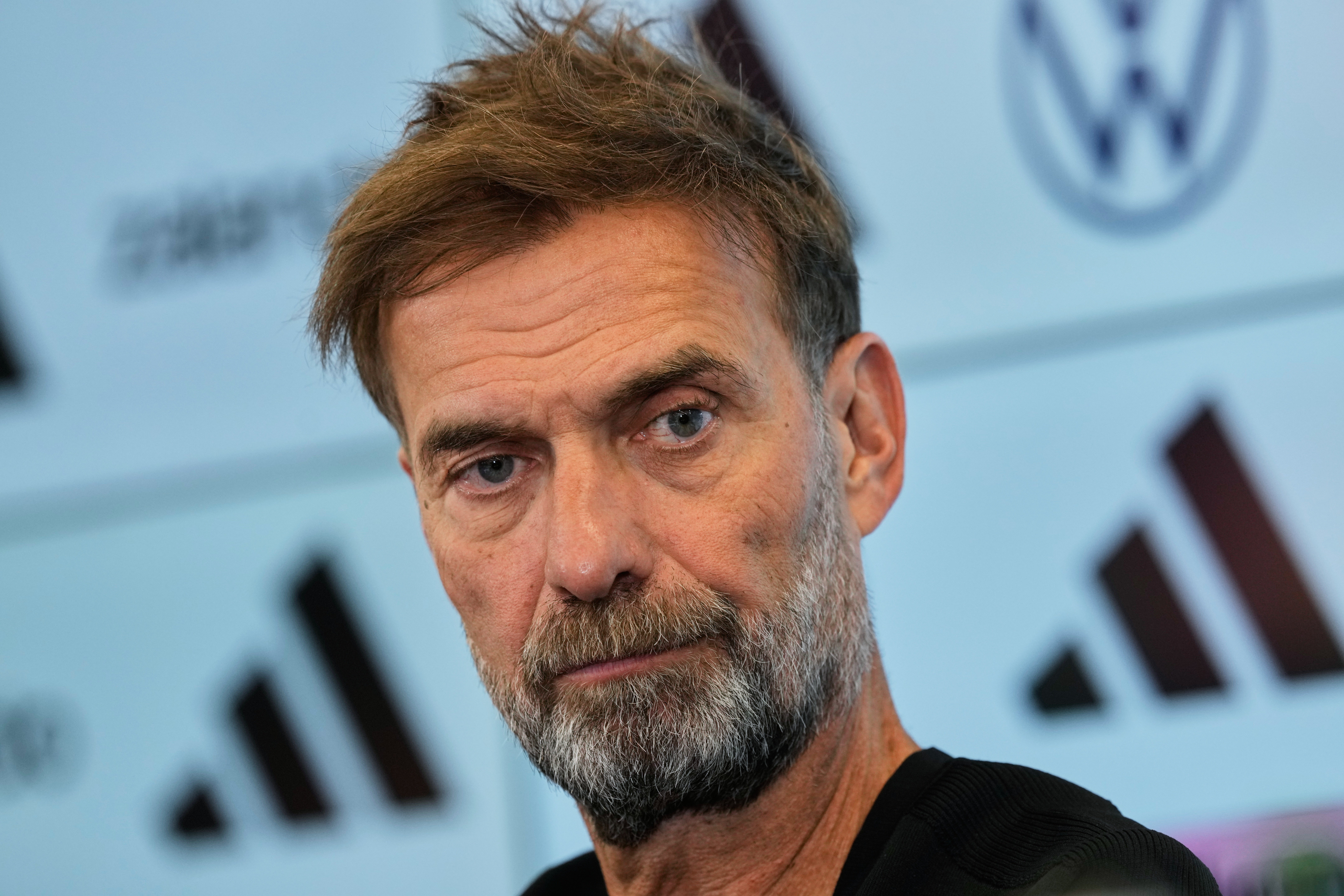
“The day you don’t want me anymore, I’m gone – without any severance pay. If you say tomorrow that he’s s***, I’m gone. Not just one person, it would have to be more than that. If the DFB [German Football Association] says he’s s***, I’m gone.
“If you behave badly and don’t leave my family in peace, I’m gone. Criticise me if something doesn’t work. I’m happy to work on it. It’s all about the job.”
This no-nonsense attitude will carry over to the dressing room and the training ground. Germany’s failure to perform under the pressure of knockout football reflects a somber shift in the setup’s culture. Anything but a “mentality monster” will surely not last under his regime.
But Klopp will not be able to revive Germany on his own. He will build his coaching staff around former Liverpool assistants Pep Lijnders and Peter Krawietz in a bid to emulate his Anfield glory, the former of whom just spent a season with Klopp’s storied rival Pep Guardiola. There were fantasies about this rivalry being renewed on the international stage amid Guardiola’s talks with Italy, only for the Catalan to say no to Paolo Maldini and co.
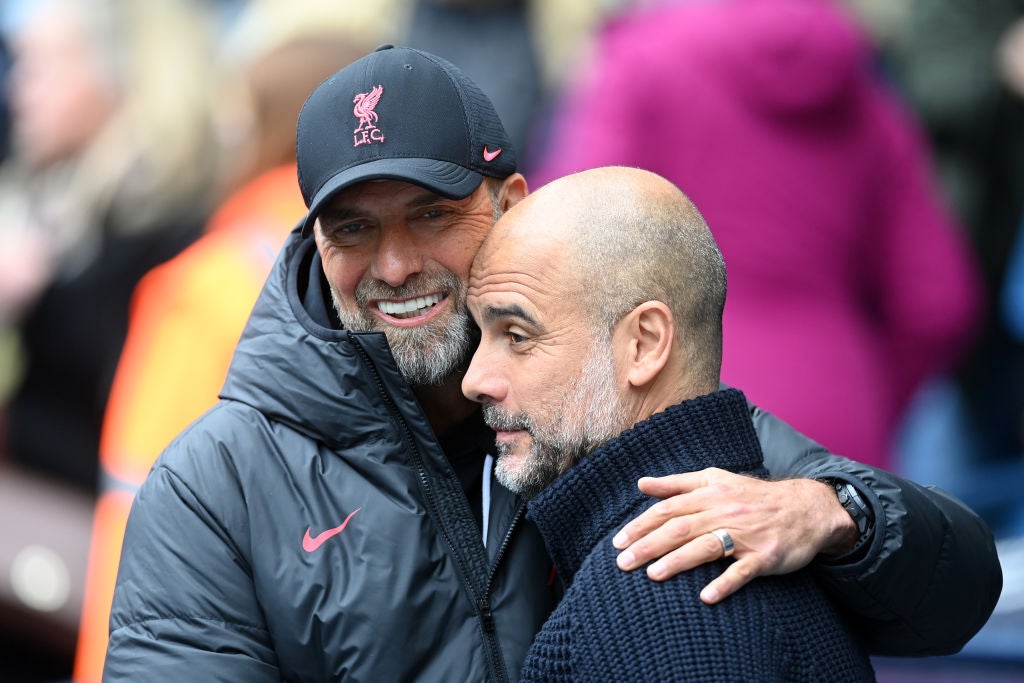
Taking his country back to the global pinnacle feels like the rightful culmination of Klopp’s glittering career. Whether he achieves that or just papers cracks, this will be it for him in the dugout.
“Jurgen Klopp doesn’t have a career after the national team. Ideally, this is the highlight of my career.”
When they meet traditional rivals the Netherlands in his first match in September, we’ll get a first glimpse into whether this particular Klopp fairytale can come true. At Euro 2028, in the country he conquered as Reds boss, legacy will be on the line.