

This summer has been a story of sky-high spending for many Americans.
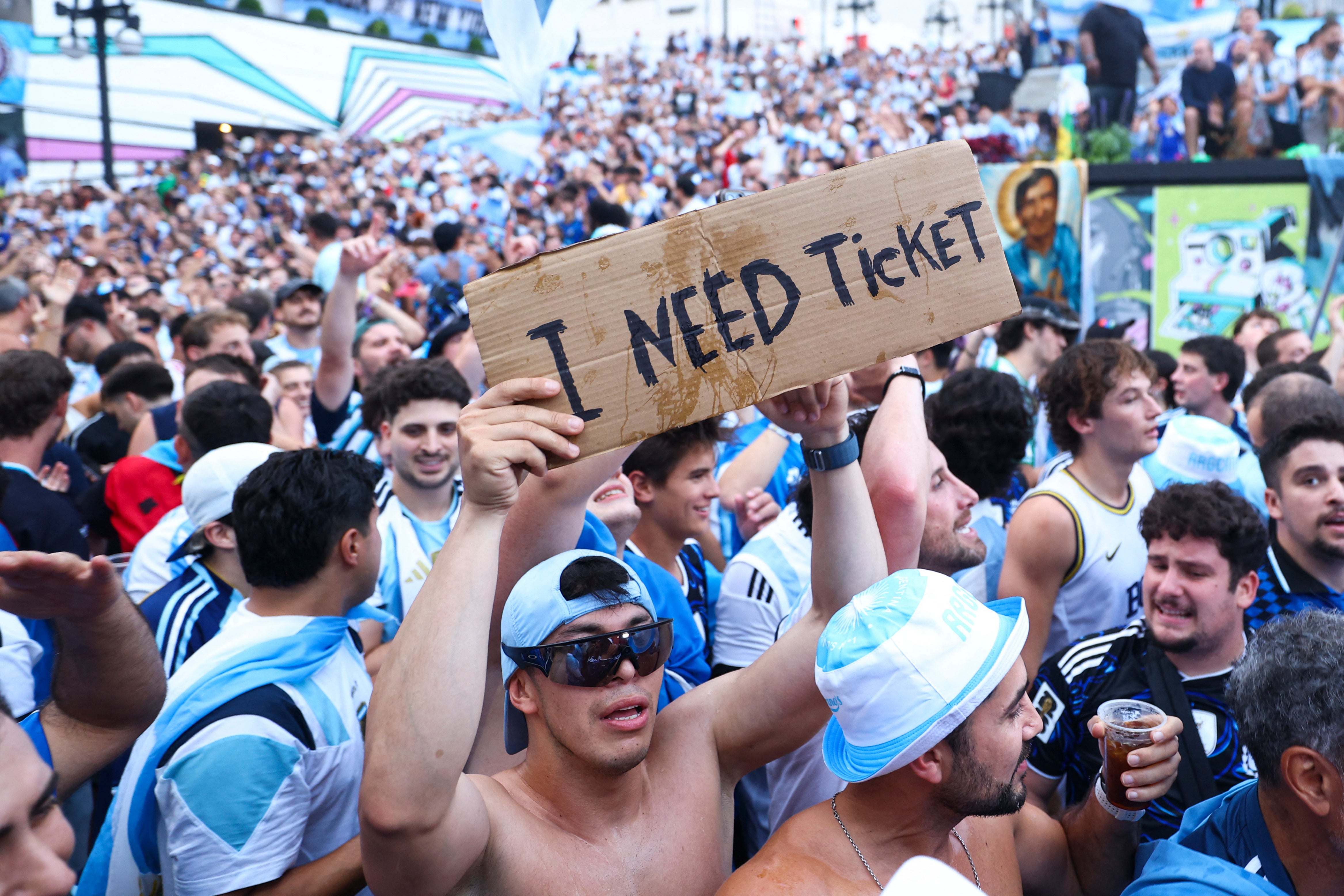
Where else to start but the World Cup: the cheapest ticket available for this Sunday’s final between Argentina and Spain costs $7,706, according to TicketData. That’s the average of three months’ rent in New Jersey, where the match will take place.
The last semi-final, between Argentina and England in Atlanta, cost $3,177 for the cheapest seat. And this was before the cost of parking at the venue – up to $234.99 – or concessions. (At the 2022 World Cup, the average price for the best seats at the final was $1,607, according toThe Sporting News.)
But the world’s greatest tournament isn’t the only reason so many Americans are having a summer of stratospheric spending.
The most affordable seat at the NBA Finals’ first game at Madison Square Garden in June peaked at $11,685, then dropped to $6,728 the day of the game, according to Ticket Data. Meanwhile, average ticket prices to the 2024 and 2025 NBA Finals ranged from $1,000 to $2,000, according to Yahoo Sports.
And California’s influencer-drawing Coachella music festival originally cost $649 on weekend one and $549 on weekend two, but resale passes sold for over seven times that amount, The Los Angeles Times reported.
Overall, the music industry has experienced price hikes, though not quite as severe as the sporting world. The average price of a concert ticket was $132.62 in 2025 compared to $96.17 in 2019, according to live entertainment news and data firm Pollstar. Nearly 10 million more tickets were sold in 2025 compared to 2019, Pollstar said.
Pent-up demand
The figures make for good headlines but that’s real dollars coming out of consumers’ wallets. The apparently insatiable demand to attend high-profile events can still be traced back to the pandemic, according to Larry Martin, chief commercial officer at secondary ticket market Gametime.
“Coming out of the pandemic, we saw something we haven’t stopped seeing since: people are craving real, in-person connection,” Martin told The Independent in an email. “Shared experiences have become more valuable.”
That craving turned into spending, he said.
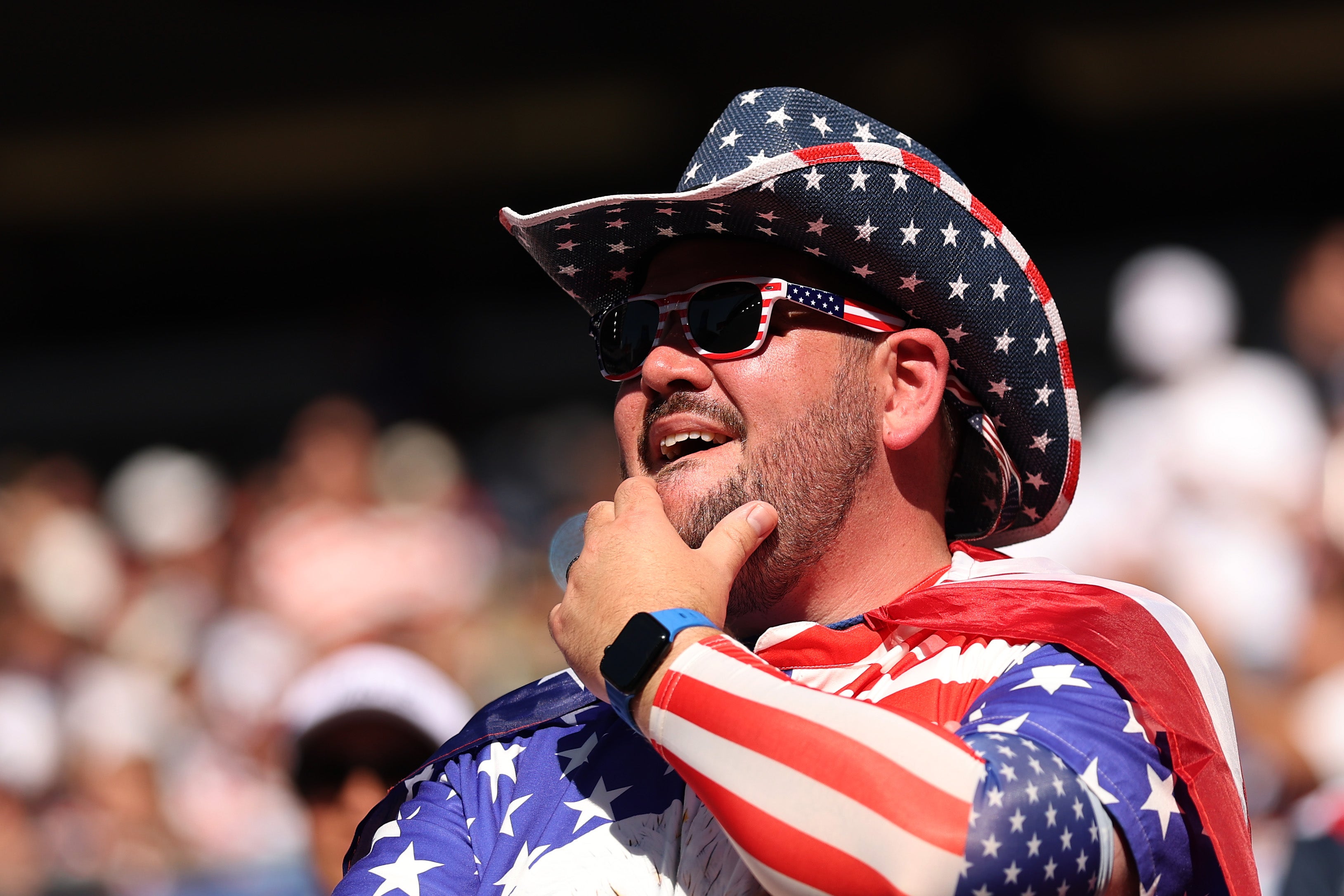
“There was a wave of pent-up demand to be back in the building – a concert, a game, a show – celebrating the teams and artists they love alongside other fans,” Martin said.
Part of that spending is driven by the most dread-inducing acronym, FOMO – “fear of missing out” on a marquee event. Research from credit bureau Experian found that 78 percent of consumers are “very or somewhat willing to take on additional expenses or debt to attend a once-in-a-lifetime event like the Olympics so they can attend.”
Craving beats saving
At the same time, many U.S. consumers are facing unstable economic conditions. In May, inflation hit a three-year high and gas prices reached a four-year high.
Credit card spending is up. More consumers are walking through the doors of dollar stores and consumers are making daily trade-offs to afford necessities like gas.
Understandably, 38 percent of consumers say ticket prices are their biggest concern while they’re planning a trip to an event, Experian noted.
Yet the average American is hard-pressed to give up memorable experiences like a concert or playoff game, even though they may worry about ticket costs, Martin said.
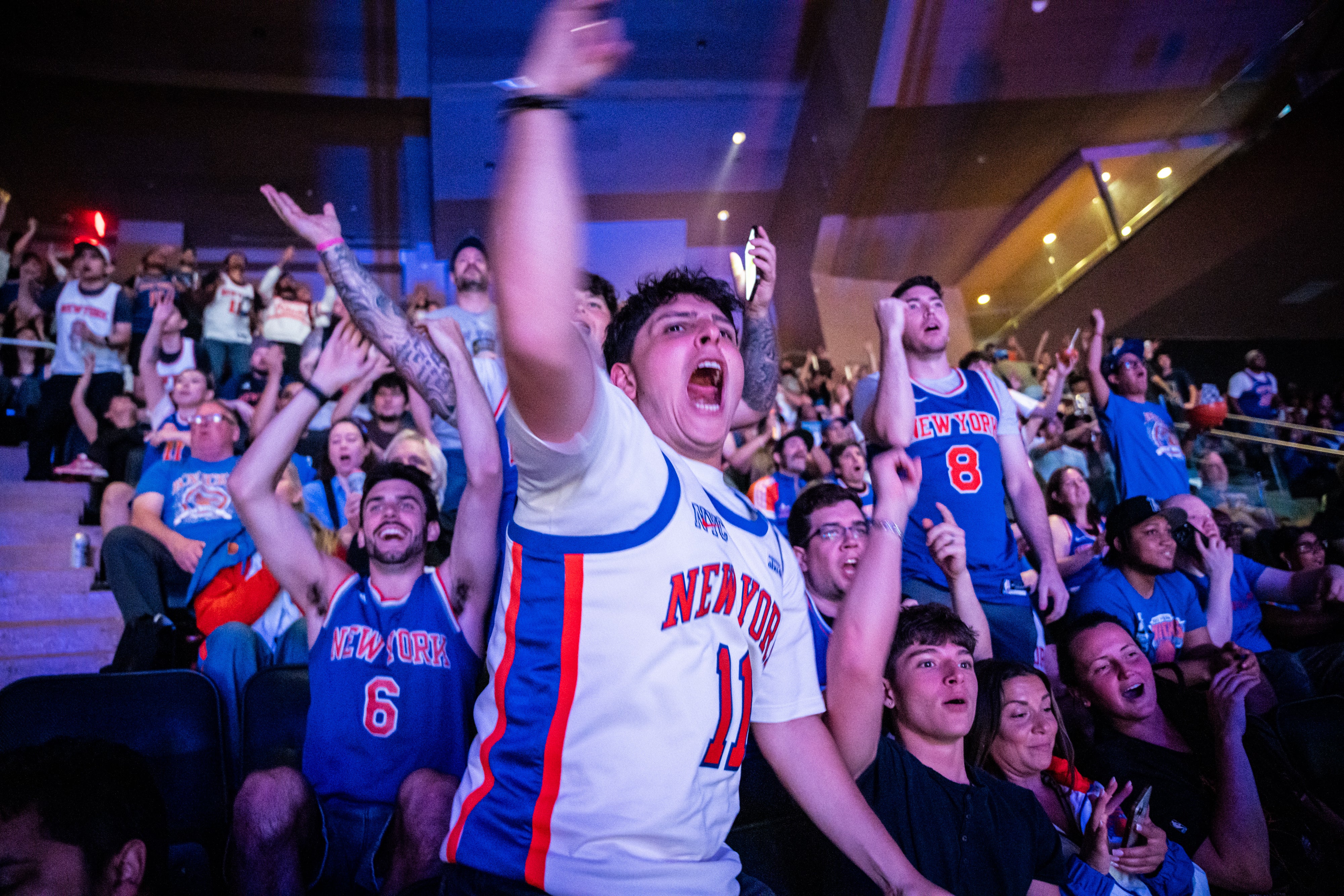
“Live events behave differently than most discretionary spending,” he said. “Even when budgets tighten, people are reluctant to give up the experiences that connect them to others – they’ll adjust what they attend or how they buy before they’ll stop going altogether.”
How they feel about teams or performers plays a role in consumers paying for events they can’t afford, said Marty Bauer, an ecommerce expert and director of partnerships at marketing firm Omnisend.
“People have very strong emotional connections to their favorite sports teams and musicians,” he said in an email to The Independent. “When they find out about a big concert or game, they experience a strong case of FOMO. At this point, all rationality evaporates, and people are willing to pay whatever it takes.”
The downside of demand
But marquee events like the NBA and World Cup finals? Those are in a league all their own when it comes to ticket prices, and consumers who are willing to pay almost anything for a memorable experience may draw the line – there’s a big difference between a $300 concert ticket and a $6,000 NBA Finals seat.
Simply put, it’s overwhelming demand that drives up ticket prices for premier sporting events and concerts.
“What’s generating the eye-catching numbers isn’t prices rising everywhere at once; it’s a handful of marquee, can’t-miss moments where demand is extraordinary and concentrated,” Martin said.
That demand not only drives up prices, but buying tickets on release day can become a maddening scenario for those who are ready to sacrifice hundreds or thousands of dollars for a single seat.
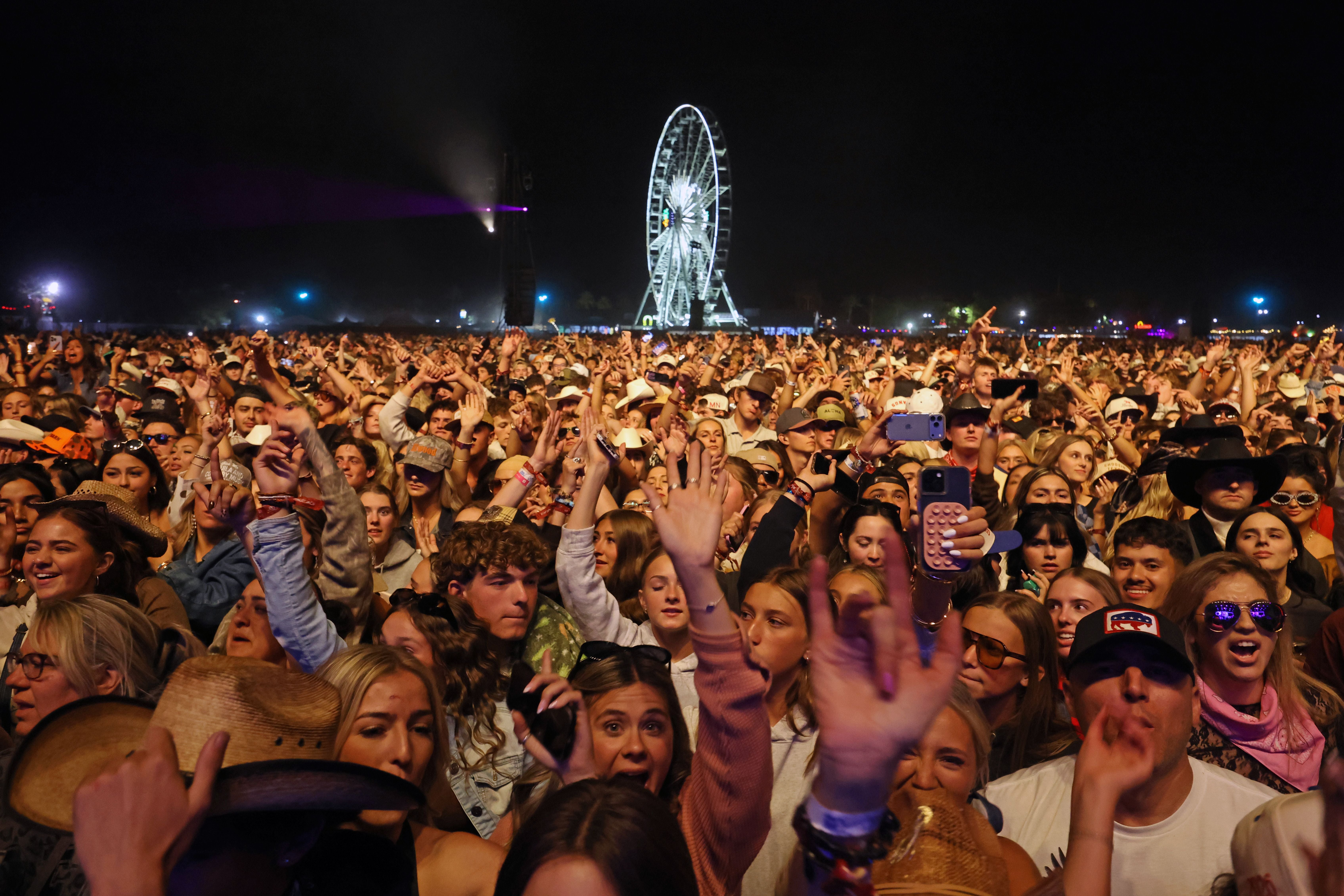
Fans were up in arms after FIFA’s final release of tickets in early April was plagued by demand-driven system crashes and technical issues, some of which left buyers waiting for hours only to find out tickets were sold out when it was their turn to buy, according to Atlanta-based news station Fox 5.
No relief in sight
Will there be any break in prices for consumers who want to attend top-tier events but can’t afford them at today’s prices?
Not anytime soon, Bauer said. Exclusive events are becoming a social flex and will continue to be so, pushing out the average consumer as wealthy socialites replace them.
“Anyone can rent a new designer bag or a fancy car,” Bauer said. “Events are different. They have a limited number of seats available. Want to show off your wealth to the whole world? Sit in a VIP lounge at the World Cup final.”
Buying habits are another reason why we may not see event ticket prices fall anytime soon, Martin said.
Consumers are waiting until one to three days before events to buy tickets from secondary markets. That trend concentrates demand and pricing into a small window.
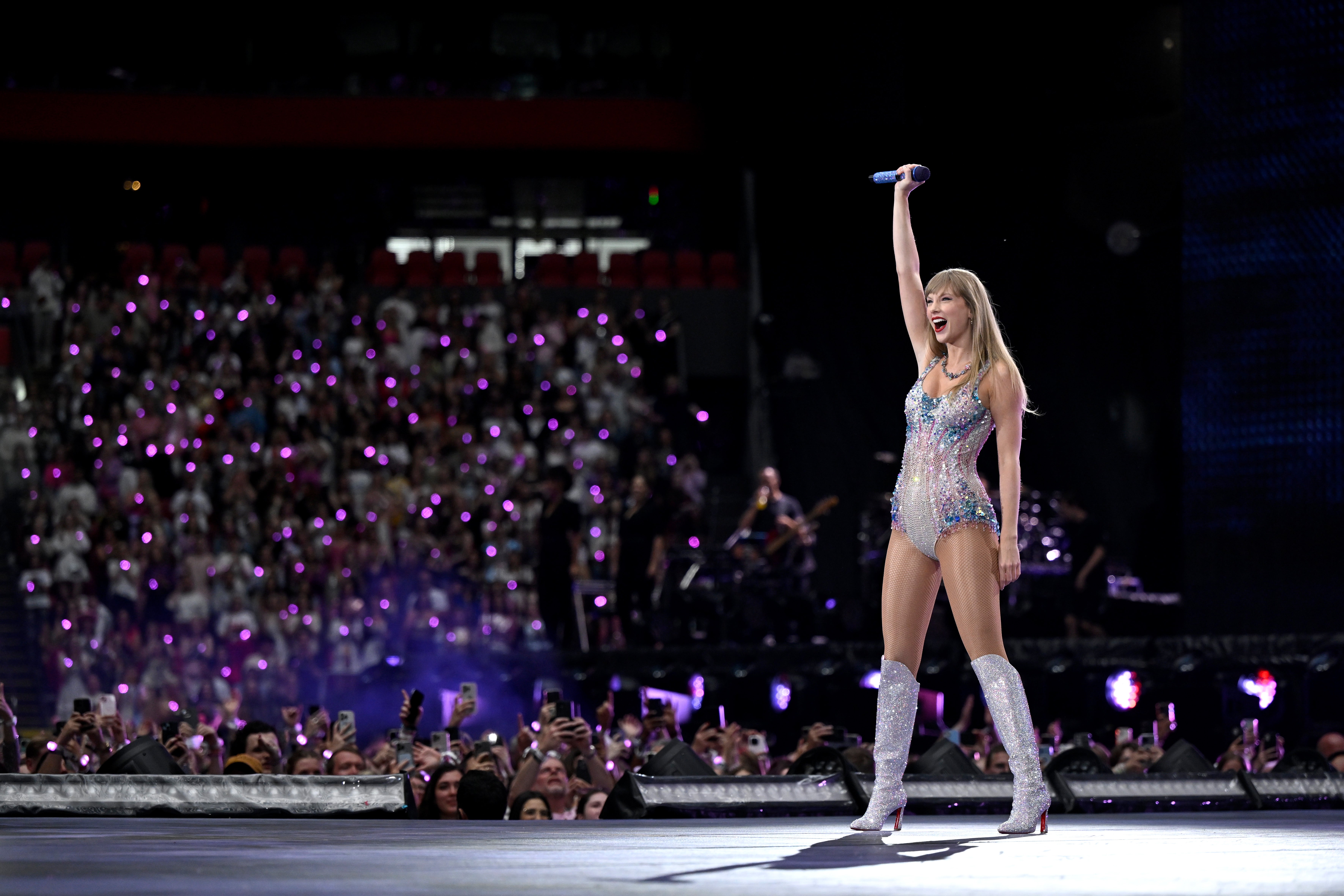
“When demand does spike – around a cultural moment, a star athlete, a playoff run, a limited tour – it can move prices much faster than it used to, simply because fans and inventory are both moving in real time instead of on a fixed on-sale schedule,” Martin said.
That demand is another reason why the growing cost of entertainment is more likely to continue its rise instead of subsiding, said Michael Boggiano, managing partner and financial planning firm WealthCare Financial.
“I expect prices to remain elevated based on what we’ve seen so far,” Boggiano said in an email to The Independent. “The NBA Finals, World Cup, Super Bowl, and major concert tours have something economists call relatively inelastic demand, meaning that there are far more people who want tickets than there are seats available. As long as demand consistently exceeds supply, prices are likely to stay high.”