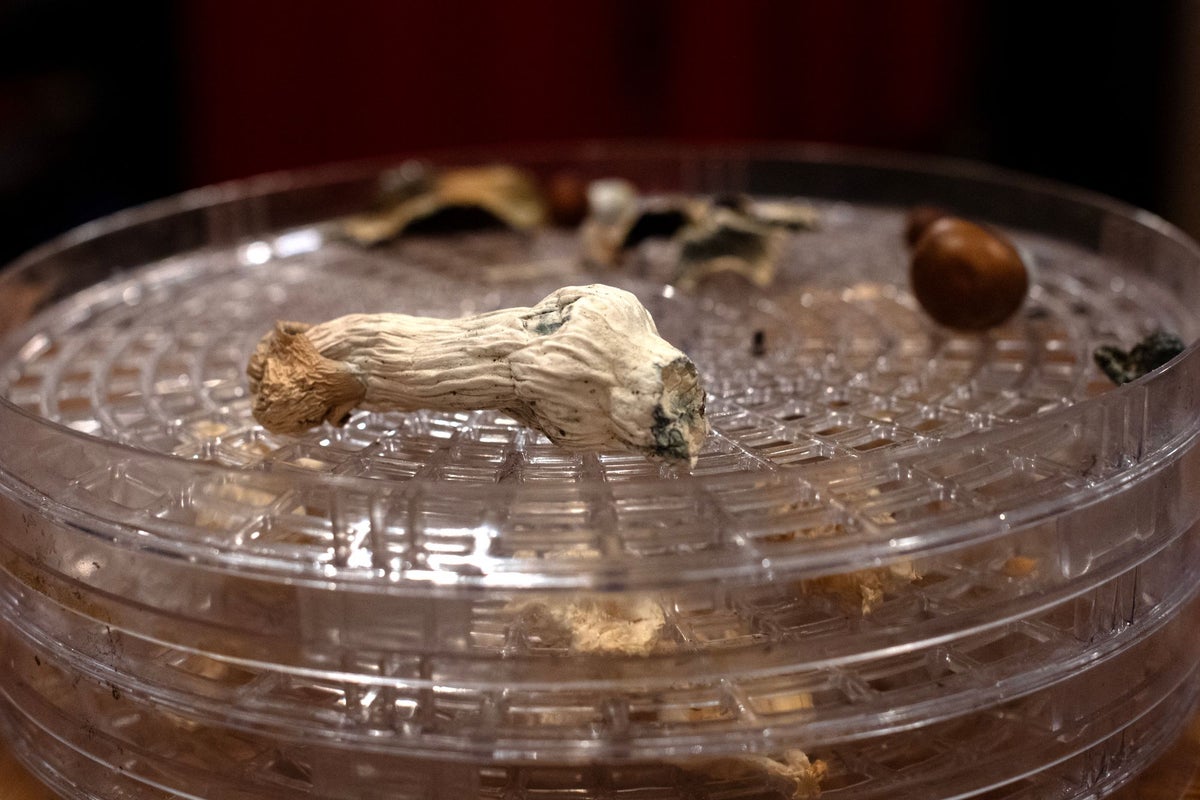
An 80-year-old woman living with advanced dementia experienced temporary improvement in several cognitive functions after receiving a high dose of magic mushrooms, according to a new case study.
The Japanese-American patient has been living with Alzheimer’s disease for nearly a decade. She’s under full-time care and speaks only in single syllables most of the time.
The woman entered a sleep-like state after she was given a 5gm dose of Enigma strain mushrooms. Some 20 hours later, her speech had improved, she could move better and even dress herself independently, according to the research published in the journal Frontiers in Neuroscience.
“Over subsequent days and weeks, functional improvements included restoration of urinary continence, improved ambulation, autonomous dressing, increased emotional responsiveness, sustained social interaction, contextual memory retrieval, preserved working memory, and spontaneous conversational engagement,” the study noted.
“Facial expressivity, emotional reciprocity, spontaneous humour, and gait agility appeared markedly improved.”
In one of the sessions, she even remarked: “It is pleasant to come here.”
The findings do not imply complete dementia reversal through magic mushrooms, researchers caution, only that psilocybin, the psychoactive ingredient in the mushrooms, may make some cognitive capacity transiently accessible under specific conditions.
“The findings shouldn’t be interpreted as a reversal of Alzheimer’s pathology,” they said. “Rather, they raise the possibility that latent functional capacities may persist in advanced neurodegeneration and become temporarily accessible under specific neuromodulatory conditions.”
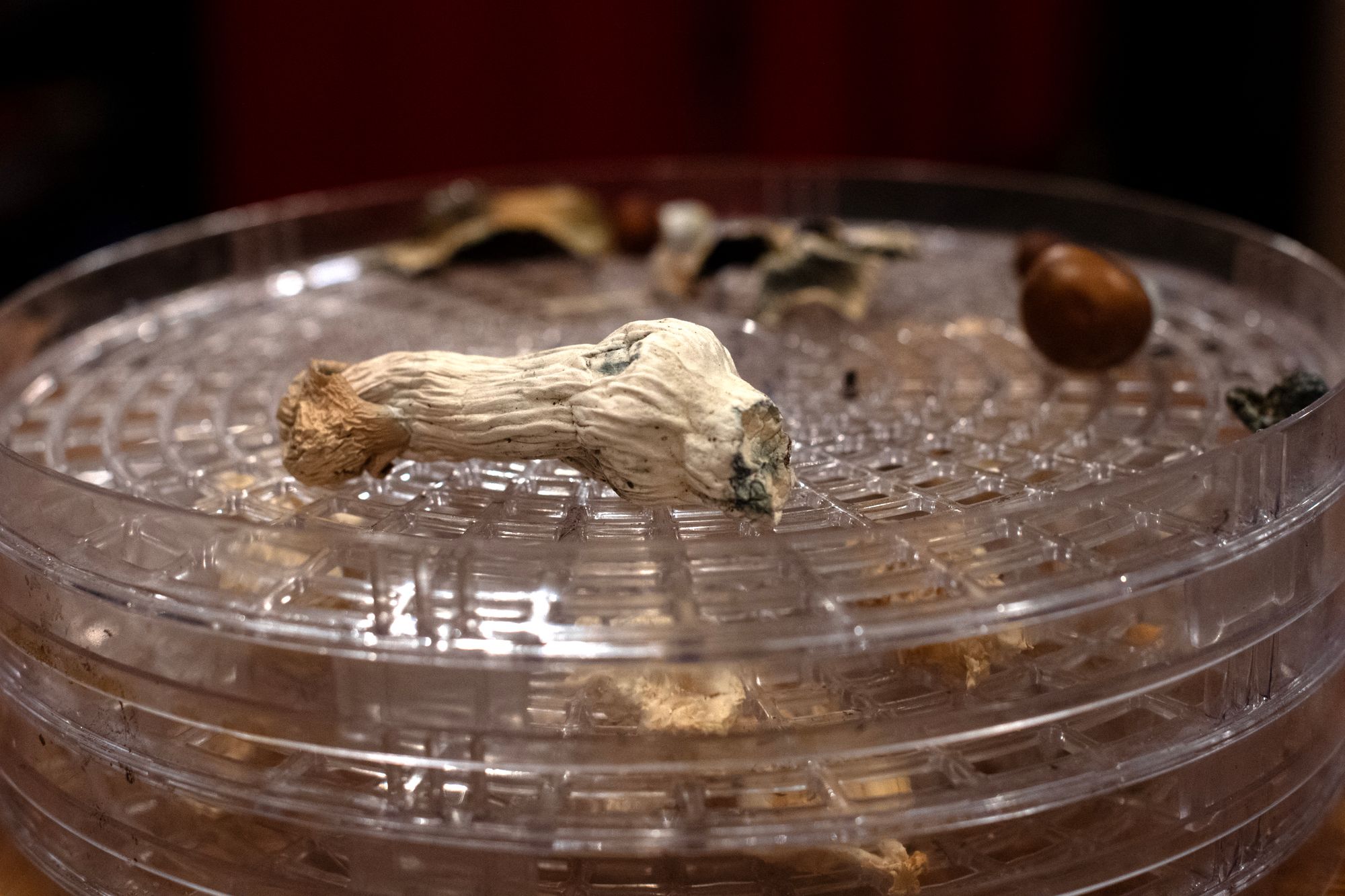
Psilocybin has gained significant attention in recent years from scientists studying mental illnesses.
Scientists have previously noted sleep improvements among chronic depression patients treated with psilocybin, pointing to a marked reorganisation of the brain’s networks following the administration of the mushroom compound.
“The prolonged deep sleep-like state observed in the present patient may therefore reflect interactions between psilocybin-induced network modulation and altered baseline neurophysiology characteristic of advanced Alzheimer’s disease,” the latest study noted.
Researchers, however, caution that the latest case study must only be understood as an observational description for generating hypotheses for future studies.
“The present report should be understood primarily as a detailed observational description intended to generate hypotheses for future controlled investigation,” they said, adding that more “systematic investigation is warranted”.