
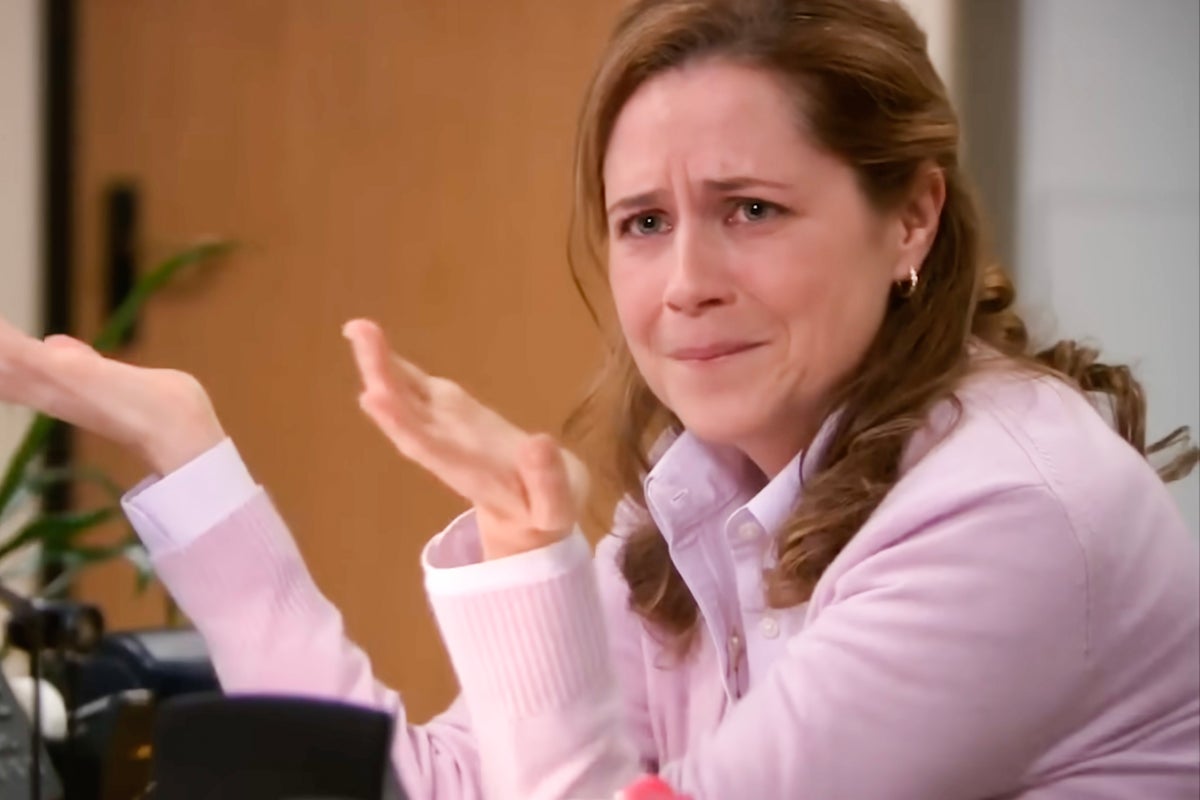
Read it and weep. According to LinkedIn’s chief economic opportunity officer Aneesh Raman, videos showing entrepreneurs and business owners breaking down in tears have no place on his social media platform.
“It is a platform of professionals,” he told The Times in May. “At its best, it’s a place where we’re learning, we’re growing. [It] doesn’t mean we cannot be ourselves… but it is the professional part of me… where I contribute the most and find the most value. So if you want to use LinkedIn and get the most out of LinkedIn, you’ve got to see it that way.”
Raman’s comments are enough to prompt tears of relief from LinkedIn cynics like me. Over the past few years, the social network that was once the place to throw out a few cursory thumbs up when a friend of a friend announced a new job move has become one of the most emotionally incontinent platforms on the internet.
It is now a place where long-winded personal anecdotes all trying to wring a deep business-related lesson out of an incident from the poster’s personal life. Births, weddings, divorces, funerals – they have all become fodder; ChatGPT-enhanced sentimental epics, broken down into endless short sentences (each requiring its own new line, for some grammar-defying reason) or pseudo-inspirational hustle culture slop.
The only explanation is that users now have to go to more extreme lengths to get noticed. Hence the upswing in sad, weepy posts about the often dispiriting realities of the world of business, whether these have been written on the verge of tears (according to their author at least) or whether the poster takes things up a gear and simply shares a photo or video of them crying.
It is posts like this that Raman can’t get on board with. Of course the world of work doesn’t need to be all stiff upper lips and breaking taboos over the realities of looking for work can be a welcome break from the gush of pick-me-positivity. But, honestly, does watching a horizontal video of a C-suite exec choking out tears really help us open up the discussion around workplace stress or burnout? It feels more like some sort of weird humiliation ritual than a useful conversation starter.

Perhaps the most notorious example of how stunts like this can go wildly wrong was the case of the “crying CEO”. Back in 2022, Braden Wallake, the CEO of an Ohio-based marketing agency, generated headlines around the world when he decided to make a handful of redundancies in his company all about him – specifically, all about his crying face. After Wallake, then 32, laid off a pair of his employees, he turned on his front-facing camera, snapped a tear-stained selfie and then headed over to LinkedIn in a misguided bid to perform emotional intelligence.
Of all the ways he could provide support to a couple of workers who now had to worry about how they were going to pay their rent or mortgage, Wallake chose the one most likely to boost his follower count and his own ego. “This will be the most vulnerable thing I’ll ever share,” he wrote in his (now-deleted) LinkedIn post.
“Days like today, I wish I was a business owner that was only money driven and didn’t care about who he hurt along the way. But I’m not. So, I just want people to see that not every CEO out there is cold-hearted and doesn’t care when he/she has to lay people off.”
Wallake’s attempt to humanise soulless CEOs only served to underline just how out of touch bosses can become when they feel the urge to transform any burst of emotion into content. Inevitably, a backlash brewed. One enterprising social media user even did some digging to discover that Wallake had recently adopted a sea otter, and told him: “Maybe it’s not a good idea to adopt a sea lion at the beginning of a recession?”

He later apologised and said his intention “was not to make it about me or victimise myself” (his company now also offers LinkedIn services “to get conversations started with your ideal target audience” – presumably teary photos are not part of the package).
Wallake’s time would surely have been better spent sending a personal message to the staff he’d laid off about how sad he was to see them go – rather than telling the whole world about how a deeply stressful event for them was actually having a really detrimental impact on him.
In trying to come across as authentic, the gesture came across as deeply performative – and therein lies the issue with LinkedIn weepers. You’re often running the risk of detractors asking at what point in their emotional breakdown they decided to rig up the ring light and semi-professional camera set-up.
“There is a lot of talk about being more human and vulnerable in the workplace, and this comes from a good place,” says careers coach Hannah Salton. “But in a bid to stand out, being overly emotional has become a bit of a trend – and weepy content can come across as attention-seeking or fake, ironically the exact opposite of what it was trying to achieve.”
Getting real about your emotions at work, Salton adds, “isn’t a weakness, and being open about the human side of working life can be powerful”, but think carefully before sharing.“What outcome or reaction are you hoping for?” she asks. If your main aim is that “people will feel sorry for you, it’s probably worth pausing, as on a professional platform this can easily have the opposite effect”.
Workplace culture strategist Mary Baird, meanwhile, suggests that if you feel compelled to make an emotional post, you should ask yourself if you would be speaking about a “scar” or an “open wound”. The former, she says, “is something that’s happened in the past”, with some time in between, so she believes that it’s “totally appropriate” to talk about that on LinkedIn (as long as it is “with authentic emotions” and “no fake tears”).
But if it is an “open wound”, or something that is “currently happening right now in your life”, such as a big change or a moment where emotions are running high, it is “not the time to be flipping on the video and shooting content for LinkedIn”. After all, an emotional video might only last a few seconds – but a label like “crying CEO” could darken your digital footprint for years.