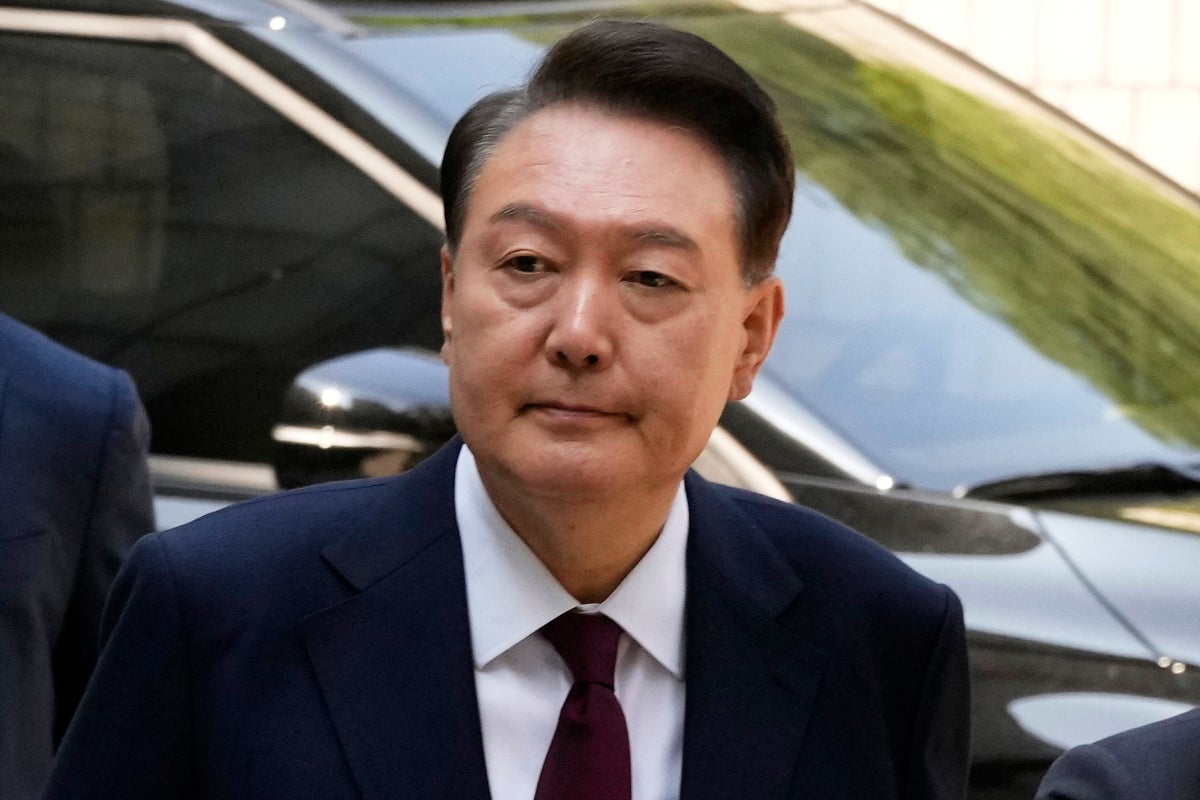


People poring over the crushing defeat of Viktor Orban’s government in Hungary – the most right wing in Europe – will draw the conclusions that his antipathy to the EU, closeness to Vladimir Putin, failure to address younger voters and a sense of political corruption were at the heart of his downfall.
Yet while this may be the case, all these factors were also true about Orban when he won an equally crushing victory in the 2022 election, a result which seemed to leave him untouchable.
In fact, he was arguably in a politically stronger position this time than he was in 2022, with his friend Donald Trump in the White House rather than a political enemy in Joe Biden.
He even had the US vice president JD Vance doing a last-minute cheerleading act at a rally on the eve of the poll, although polls suggest this may have hurt rather than helped.
What changed in the four years since that win, which left the opposition to his Fidesz party almost wiped out?
The truth is that the unravelling began with a visit by Pope Francis, and a scandal which followed that exposed the political corruption within Fidesz and Orban’s government, ended the careers of two of his political allies and put rocket boosters on Peter Magyar’s push to replace him as prime minister.
An unlikely Papal visit
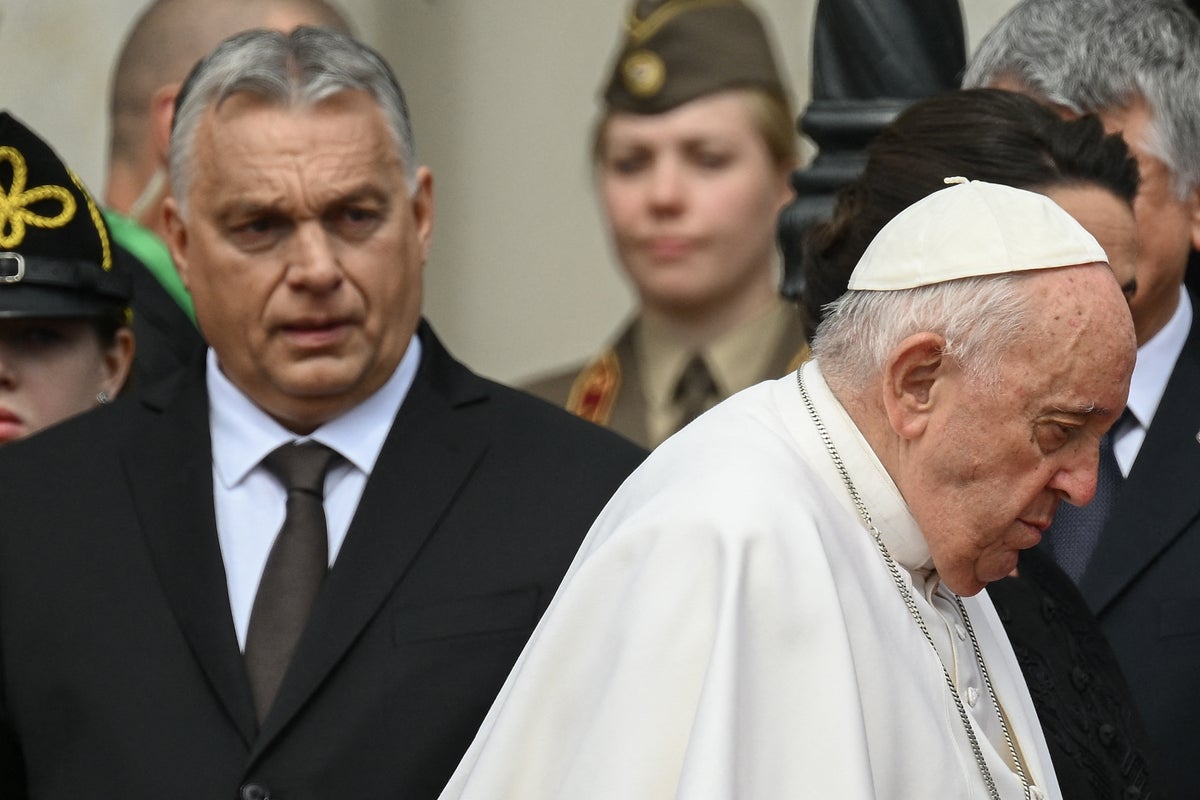
In April 2023, Pope Francis made an official visit to Hungary in a visit which was to be a crowning moment in the Orban era and a stamp of approval of his right-wing Catholic, pro-family, anti-LGBTQ+ policies.
It was an unlikely trip, though, politically. Francis and Orban were diametrically opposed, particularly on Orban’s hardline attitude to migrants.

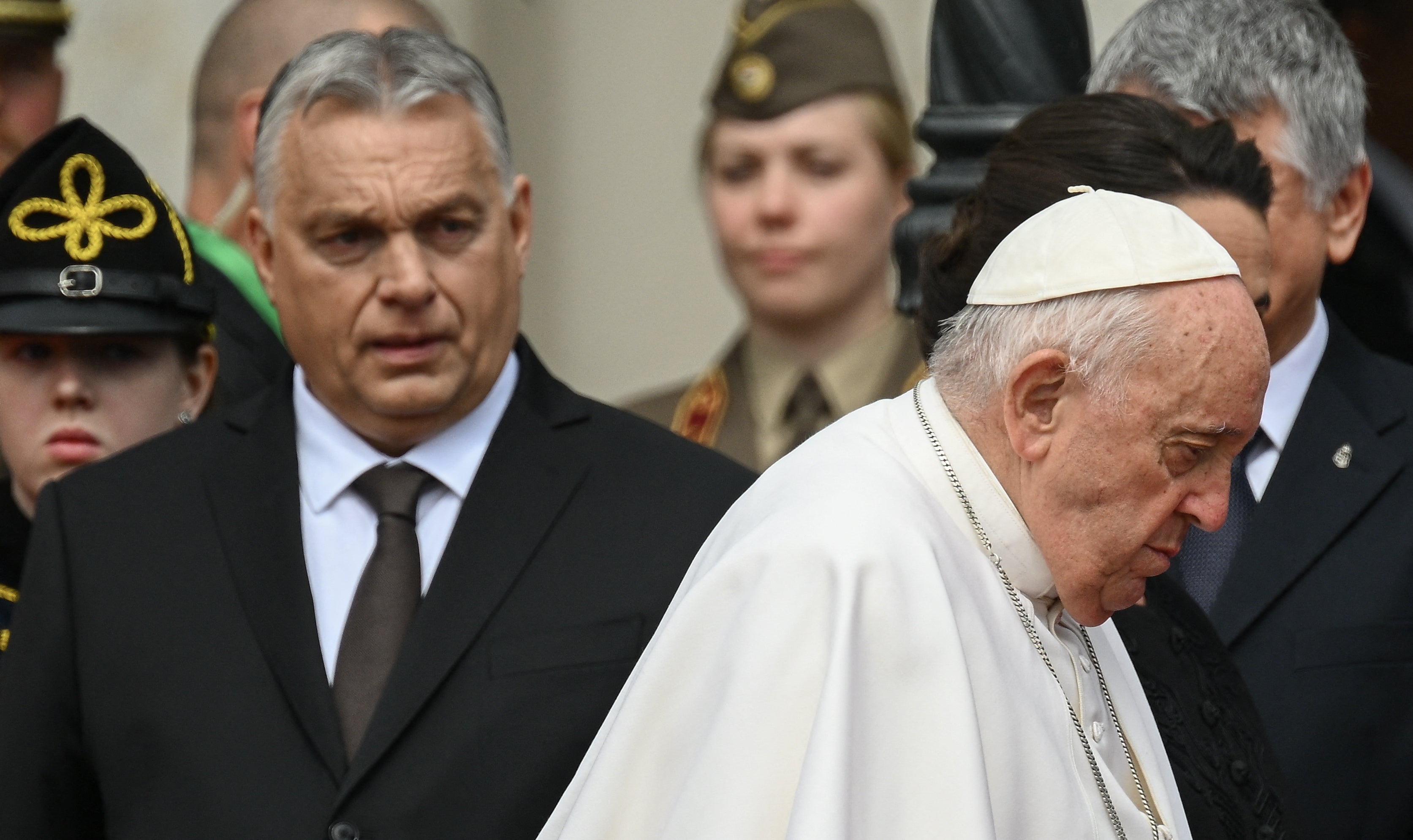
But at the same time, Pope Francis had a soft spot for Hungary. When he was head of the Jesuits in Argentina, he got to know Hungarian nuns who had fled the country as a result of the Communists putting down the 1956 uprising, and learnt their language.
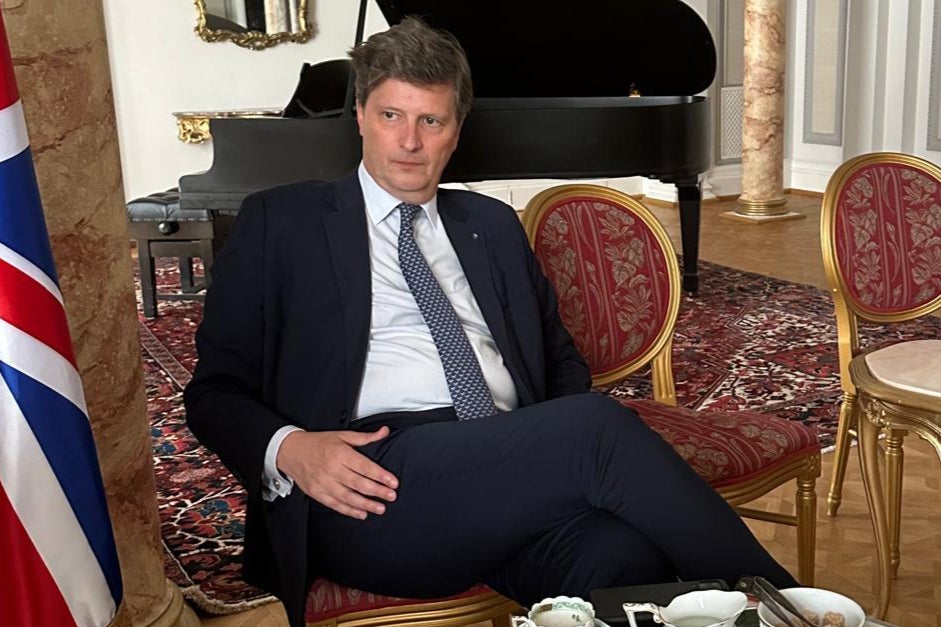
Added to that, in Eduard Habsburg, Orban had a skilled ambassador to the Holy See in Rome, who also happened to be a descendant of the Austro-Hungarian Empire’s royal family. He developed a warm relationship with the Pope.
He had already established a surprising alliance with the late Pope in finding a peaceful solution with Putin to end the war in Ukraine, rather than support military operations – another reason, perhaps, for the papal visit.
The fallout from the visit
The visit itself was a success, but the aftermath blew open Orban’s government and permanently loosened his grip on power.
In an attempt to reflect Francis’s theme of mercy, the Hungarian government decided to show clemency to 25 criminals and pardon them of their crimes. It proved to be politically disastrous.

It emerged that one of those pardoned was Endre Konya, the former deputy director of the Kossuth Zsuzsa Children’s Home in Bicske, who had intimidated children into withholding evidence of sexual abuse and paedophilia to protect his boss.
When this emerged, there was outrage. It was reported that it happened under pressure from Zoltan Balog, a former archbishop turned politician and ally of Orban’s.
The scandal led to the forced resignation of two key female allies. Katalin Novak, the president of Hungary and, to some, Orban’s potential heir, had been the architect of his pro-family policy.
She had granted the clemency, and Balog was her mentor.
The other was another rising star in Fidesz, Judit Varga, who had been the justice minister who put forward the list to be pardoned.
Both women were ordered by Orban to resign in early 2024, ending their political careers. But the damage was done, and from that moment his political star began to rapidly fall.
The ex-husband takes his chance
Apart from losing two of the next generation of leaders for Fidesz, there were immediate consequences, most notably around Varga.
At the time of her resignation, she was the driving force behind putting together a right-wing anti-EU coalition for the European parliament elections.
She was trying to work with parties such as Giorgia Meloni’s Fratelli d’Italia to change the shape of European politics. Those efforts largely ran aground when Varga was taken out of the picture. Hopes for a new European right-wing hegemony were lost with her.

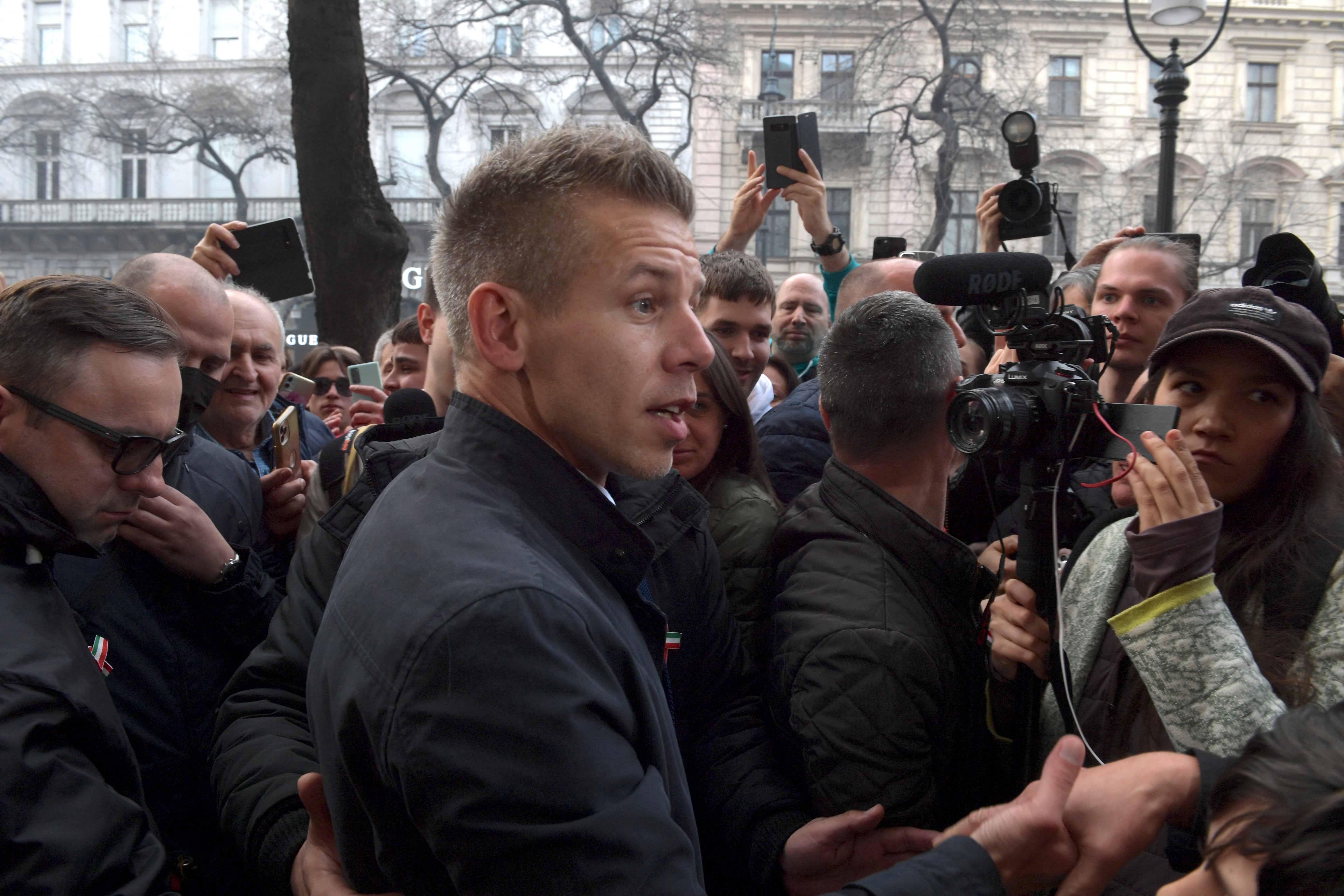
But far more significant was Varga’s failing marriage to an ambitious lawyer and politician, Peter Magyar, a former member of Orban’s party.
The couple’s marriage ended just before her career was left in ruins, and he started a social media campaign revealing many of the secrets of Fidesz, exposing its alleged corruption.
As the new head of the centre-right Tisza Party, he became the leader of massive anti-corruption demonstrations and then took charge of the coalition which would destroy Orban and make him the new Hungarian PM.
Crucially, unlike previous coalitions to unseat Orban, Magyar is of the conservative centre right, not the political left, and proved to be a much tougher opponent than his predecessors.
Like Donald Tusk in Poland, in removing another anti-EU right-wing government, Magyar had the blessing of the European Commission to an extent that Orban and Vance accused them of electoral interference.
Now Magyar will lead a much more moderate, pro-EU centre-right government, removing the last anti-Brussels government in the bloc.
A huge loss for the global right
The departure of Orban was largely the result of scandal and political hubris, but it has removed the intellectual network which has sustained many on the right across the globe with close links to Likud in Israel, Trump and the Maga movement in the US and those circulating around Nigel Farage and Reform in the UK.
Orban had supported a series of right-wing think tanks like the Danube Institute and Mathias Corvinus Collegium to come up with a right-wing agenda for the 21st century, while bringing American right-wing ideas to Europe. This included hosting the American Conservative Political Action Conference (CPAC) in Hungary annually.
Magyar’s victory potentially unravels all of this, and also crucially frees up the EU to take much tougher action against Putin over Ukraine and removes the last politician in the bloc who had the ear of Trump. Hungary should now receive funds that Brussels was withholding over Orban’s more extreme policies.
The papal visit was supposed to be a crowning achievement for Orban, but ended up being his downfall.