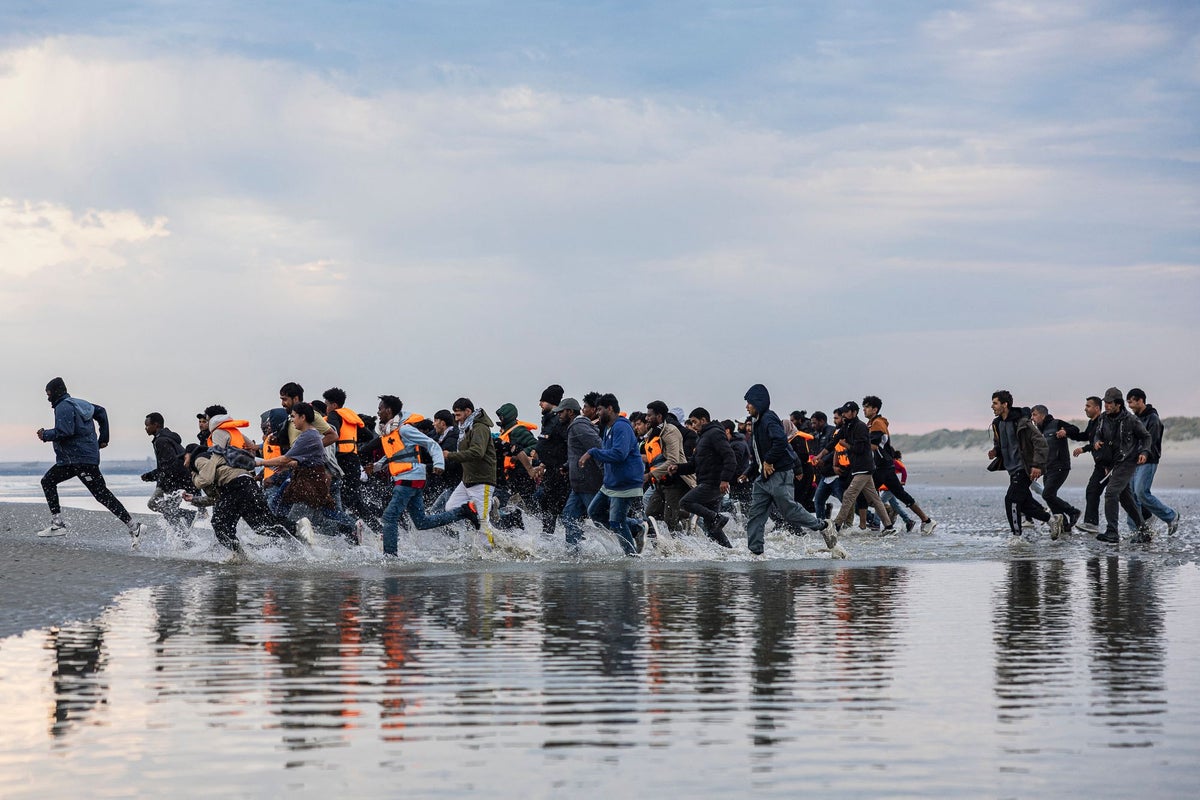
Three of the world’s most dangerous migration routes have seen a surge in deaths, figures show, as campaigners warn tough immigration policies are pushing desperate people towards riskier journeys.
The UN’s Missing Migrants Project (MMP) has recorded 81,540 deaths worldwide since 2014, hitting a peak in 2024 when 9,197 refugees and asylum seekers died trying to reach another country for a better life.
Despite a small decline in fatalities in 2025, the first month of 2026 was the deadliest January since records began, with 713 lives lost.
The deadliest single path is the Central Mediterranean route from North Africa to Southern Europe, with at least 26,416 people killed over the last decade. At least 501 have died trying to make the journey in the first weeks of 2026 already.

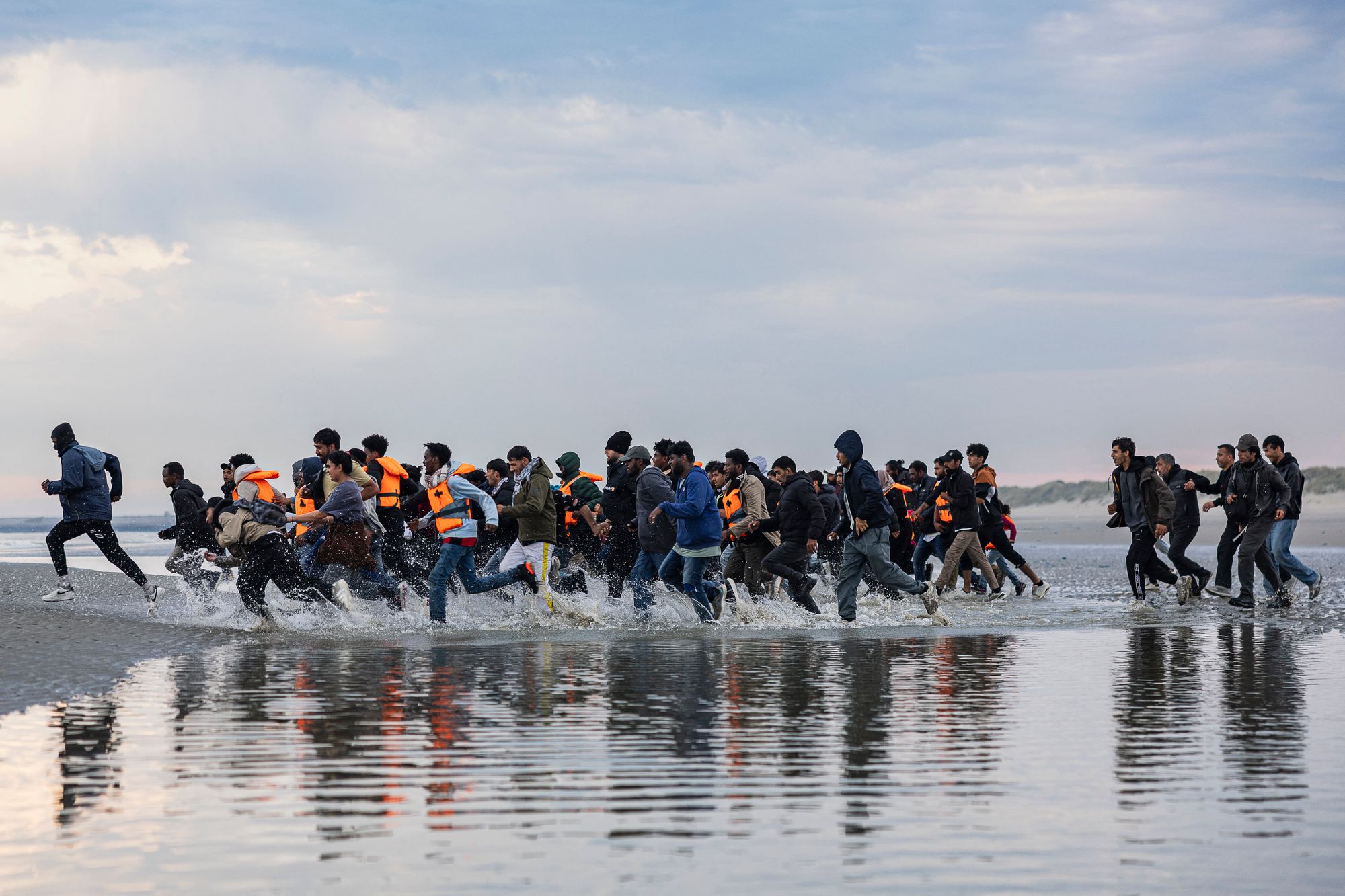
Two other routes have seen a particular surge in recent years. Deaths of migrants travelling overland from Afghanistan to Iran have risen by 1,900 per cent between 2019 and 2025 (65 to 1,323), with a particular increase since the Taliban retook control in 2021.
Lives lost between western Africa and Spain’s Canary Islands rose by 480 per cent during the same period (202 to 1,172).
[“These routes] are some of the most dangerous in the world, and certainly the ones where we’ve seen the greatest increases over time,” a spokesperson for the International Organisation for Migration (IOM), which runs the MMP, told The Independent.
The organisation believes that tougher policies merely move the problem elsewhere.
“We’re seeing that, because the counter-smuggling enforcement on a lot of the West and North African departure countries is getting stricter, people are leaving from as far south as the Gambia, an overseas journey of weeks, which is crazy when it’s often a fishing boat,” the spokesperson added.
Drowning during sea crossings is by far the leading cause of death (46,686), followed by transport accidents (7,188), lack of shelter, food or water (5,967), violent attacks (5,891) and illness (3,418).
European governments which have introduced strict policies to deter migrants claim this is the key to tackling the issue.
Downing Street insists its stringent set of asylum measures announced in November, will “dismantle the criminal networks profiting from human misery” while Italy’s prime minister Giorgia Meloni has said that “crushing the traffickers’ business” is the best method for reducing deaths.
However, while the Central Mediterranean route saw a steady fall in deaths in 2024 and 2025, campaigners warn that tougher migration policies are driving desperate migrants towards more remote routes, into the hands of criminal smugglers in regions with little humanitarian presence and where deaths are less well documented.
“The more you restrict border crossings, the more people use more remote routes,” she said. “If you’re already breaking the law, you’re more likely to engage with criminal actors. This really is putting people’s lives at risk.”
A spike in deaths in 2026 has seen 567 migrants killed across all three Mediterranean routes, including the eastern route from Turkey to Greece and the western route from North Africa to Spain.
The second closest year was 2015, when there were 427 deaths. IOM data shows that there were around 3,500 arrivals by sea in Italy in 2015, compared to less than 1,500 in January 2026, which suggests the rate of deaths per crossing has increased.
On 6 February, 53 people died when a migrant boat capsized near the Libyan coast. Weeks earlier, Italian authorities estimated that 380 people may have drowned in a single week while trying to make the crossing as Cyclone Harry was battering southern Italy and Malta.
Amnesty UK’s refugee and migrants’ rights programme director, Steve Valdez-Symonds, told The Independent that migration crackdowns have only increased the dependence of people on smugglers.
“Unworkable” deterrence policies will only cause more harm, he added, with campaigners arguing they do not stop people trying.
Greece is a case in point, says Lora Pappa, president of Greek NGO Metadrasi. Last July, Athens temporarily banned asylum access for arrivals from North Africa.
But boat arrivals, which averaged 3,182 during the first six months of 2025, jumped to an average of 4,058 during the ban.
“They stopped giving asylum… for people who are coming from Libya to create for three months. Did these people stop coming? No. They will take any risk,” Ms Pappa said. “I don’t think we can stop this kind of movement of people without being inhuman.”
In the UK, the government is introducing new deterrent measures that include 20 year waits for indefinite leave to remain, restrictions on benefits and family members coming to join people already here.
Despite this, more than 41,470 people crossed the channel in 2025, the second highest since data collection began in 2018.
Labour party backbenchers have accused the government of “shamefully ripping up the rights and protections of people who have endured unimaginable trauma” with its tougher stance.

.jpeg)
Veteran MP Diane Abbott, who previously criticised the government for not doing enough to tackle the “anti-migrant drift” in global debate on migration, told The Independent a different approach is needed.
In response to the death figures, she argued the high number is “a consequence of dehumanising migrants, so nobody really cares whether they drown”.
“Governments need to make it easier for migrants to get here,” she argued. “People are desperate and they are going to risk their lives.”
If anything, the MMP believes its figures on migrant deaths are a significant underestimate, warning that huge cuts to aid budgets that have limited the group’s presence in hard-to-reach areas could make accurate reporting even more of a challenge.
“Documenting irregular migration is really hard,” the MMP spokesperson said. “Bodies in remote areas may take days, weeks, months or never be found at all.
“There are a lot of what we call ‘invisible shipwrecks’, where we have no trace of what happened. We’ve had cases where whole boats of mummified remains are washing up in Brazil across the Atlantic.”
Ruvendrini Menikdiwela, the UNHCR’s assistant high commissioner for protection, told The Independent the figures were a “huge and growing concern”.
“We know that refugees and migrants continue to resort to dangerous journeys, often moving together,” she said.
“We urge states and partners to provide prompt search and rescue, to uphold their asylum commitments, to provide opportunities for refugees to rebuild their life in new countries, and facilitate the prompt return for those not in need of international protection.
“But we must also help people find safety and life-saving assistance closer to home, where – contrary to the perceptions of many – most refugees stay.”