


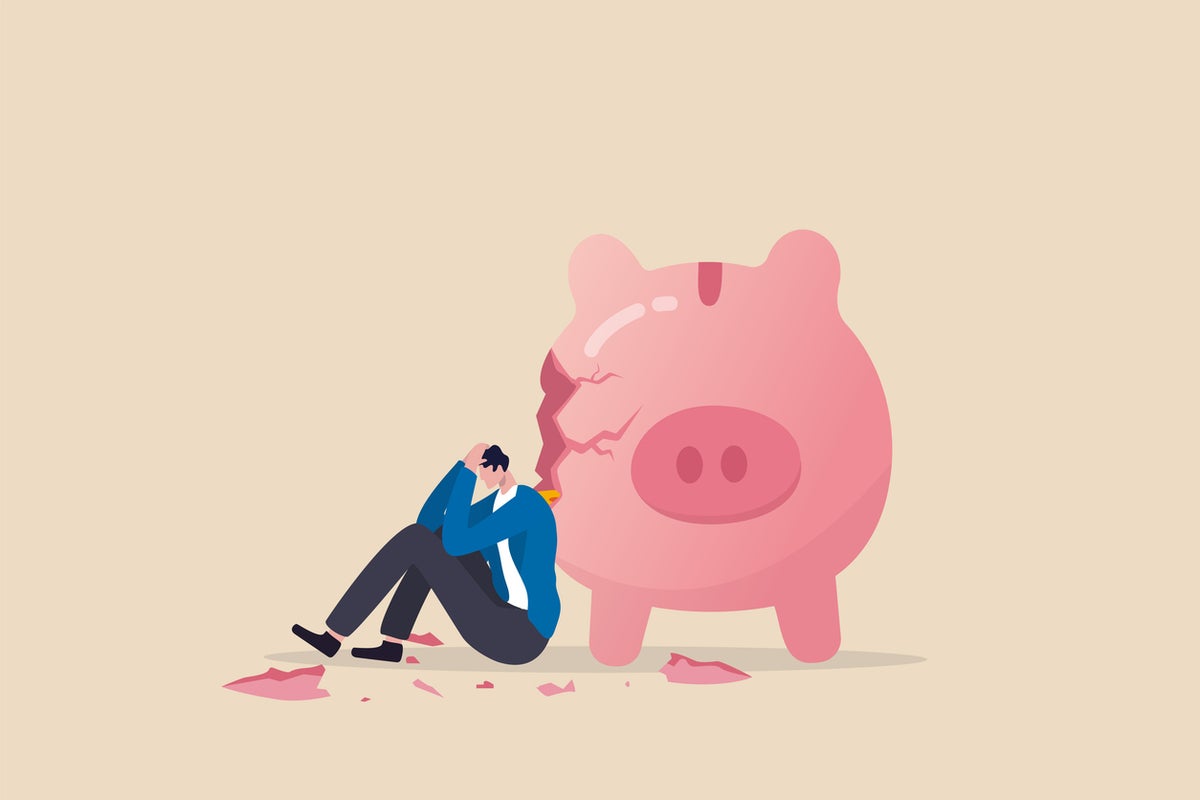
Brits are becoming increasingly focused on saving, with Google searches for “how to save money UK” jumping by two thirds (67 per cent) in recent months and emergency funds now the top savings priority for more than two in every five (44 per cent) workers.
But new figures suggest millions are still leaving cash in accounts that are losing money to inflation.
Analysis of CACI data by savings app Spring found £612.4 billion is currently held in savings accounts paying three per cent interest or less. With inflation now running at 3.3 per cent, and set to go higher across 2026, that means many savers are effectively going backwards in real terms, even if their balance appears to be growing.
The figures cover 69.4m savings accounts, with the average balance in accounts earning 3 per cent or less standing at £8,812.
Someone with around £10,000 in a low-paying, one per cent account could be missing out on more than £280 a year, compared with a more competitive easy-access deal.
Millions of savers are earning below inflation
The data also highlights how widespread the issue has become among larger savers. Around £538.9bn is sitting in accounts with balances above £10,000, while £185bn is held in accounts with more than £100,000 – all earning below three per cent.
It comes as many major high street savings accounts continue to pay rates far below the best deals currently available elsewhere in the market.
Rachel Springall, finance expert at Moneyfacts, said: “Loyalty does not pay, yet savers may feel like it’s not worth switching their account, or leave an old pot untouched, assuming it will still earn a reasonable rate of interest.
“Convenience should not come at a cost, so it would be unwise to keep an instant access pot with a high street bank if it is paying a paltry rate.”
Get a free fractional share worth up to £100.
Capital at risk.
Terms and conditions apply.
Go to website
ADVERTISEMENT

Get a free fractional share worth up to £100.
Capital at risk.
Terms and conditions apply.
Go to website
ADVERTISEMENT
Why inflation matters for savers
Inflation erodes purchasing power over time, meaning your money buys less even if the cash amount in your account rises.
Hargreaves Lansdown senior personal finance analyst Clare Stinton said the long-term impact is often underestimated. “The invisible risk inflation poses to cash over the long-term is not talked about enough,” she said.
“If the interest you’re earning doesn’t keep pace with inflation – put simply, prices are rising faster than your money is growing – you’re losing spending power.”
She added that something costing £10 in 2016 would now cost around £14.
According to calculations from Hargreaves Lansdown, £5,000 earning three per cent interest would grow to £5,808 after five years, compared with £6,259 at 4.5 per cent. Over 15 years, the gap becomes even wider: £7,837 at three per cent versus £9,808 at 4.5 per cent.
Importantly, many high street banks offer even lower rates than that – it’s not uncommon to see interest rates between one and two per cent with them, less than half the amount you should be earning elsewhere.
How much could savers be missing out on?
The biggest issue for many households is not necessarily inflation itself, but the low rates still attached to older or inactive accounts.
Spring said many savers remain stuck earning around one per cent to 1.5 per cent interest, particularly in long-standing easy-access accounts with major banks.
Someone with £10,000 in a one per cent account would earn just £100 in interest over a year. At 3.82 per cent, that would rise to £382 – a difference of £282 annually. For someone with £20,000 saved, the gap grows to £564 a year.
Spring’s Derek Sprawling said: “A lot of savers are still being hit by a loyalty penalty; by leaving their savings with their current account provider they’re often earning a far lower rate than they realise.”
Moneyfacts said some older easy-access accounts are still paying less than one per cent.
Springall pointed to one easy-access account paying just 0.9 per cent interest. On £20,000, that would generate £180 interest over a year, compared with £800 at a four per cent rate.
Why many don’t switch – and what savers should do now
Despite savings rates improving over the past two years, inertia remains a major problem.
Spring’s research found 31 per cent of savers keep money with their current account provider out of habit, while 26 per cent worry about losing instant access to their cash.
Closed accounts can also lag behind the wider market when rates rise, with some taking months longer to reflect higher Bank of England rates.
Experts say the first step is simply checking what rate you are currently earning.
Easy-access accounts paying more than four per cent are still available, while some fixed-rate bonds and ISAs offer around 4.5 per cent.
Stinton said savers should also think about tax. Basic-rate taxpayers can currently earn up to £1,000 interest tax-free outside an ISA, while higher-rate taxpayers get a £500 allowance.
“Savers should check what interest rate they’re earning and where they’re holding their cash,” she said.
“There’s a big difference between the top and bottom paying accounts on the market, so to get the best rate, it means shopping around rather than defaulting to your high street bank.”
For those with emergency savings already in place, she added that it may also be worth considering longer-term options such as a Stocks and Shares ISA to give savings a better chance of outpacing inflation over time.
When investing, your capital is at risk and you may get back less than invested. Past performance doesn’t guarantee future results.