

If Google Maps can help you find the quickest route home, Meowmbai can tell you where exactly to find the nearest cat.
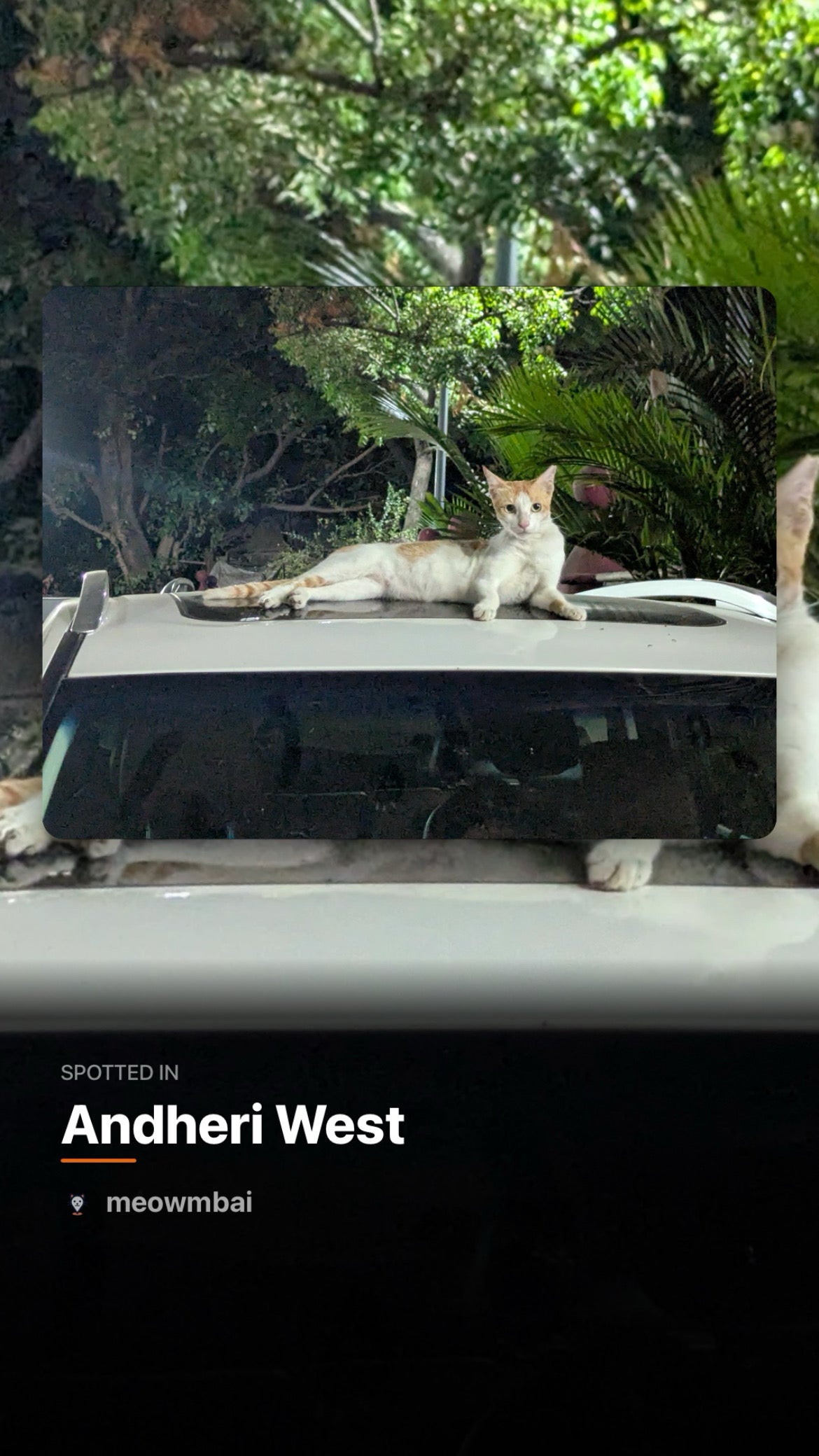
The crowdsourced website, its name a play on “meow” and the Indian financial capital Mumbai, invites users to pin pictures of stray cats exactly where they are seen. The result is a familiar street map dotted with feline sightings across the city.
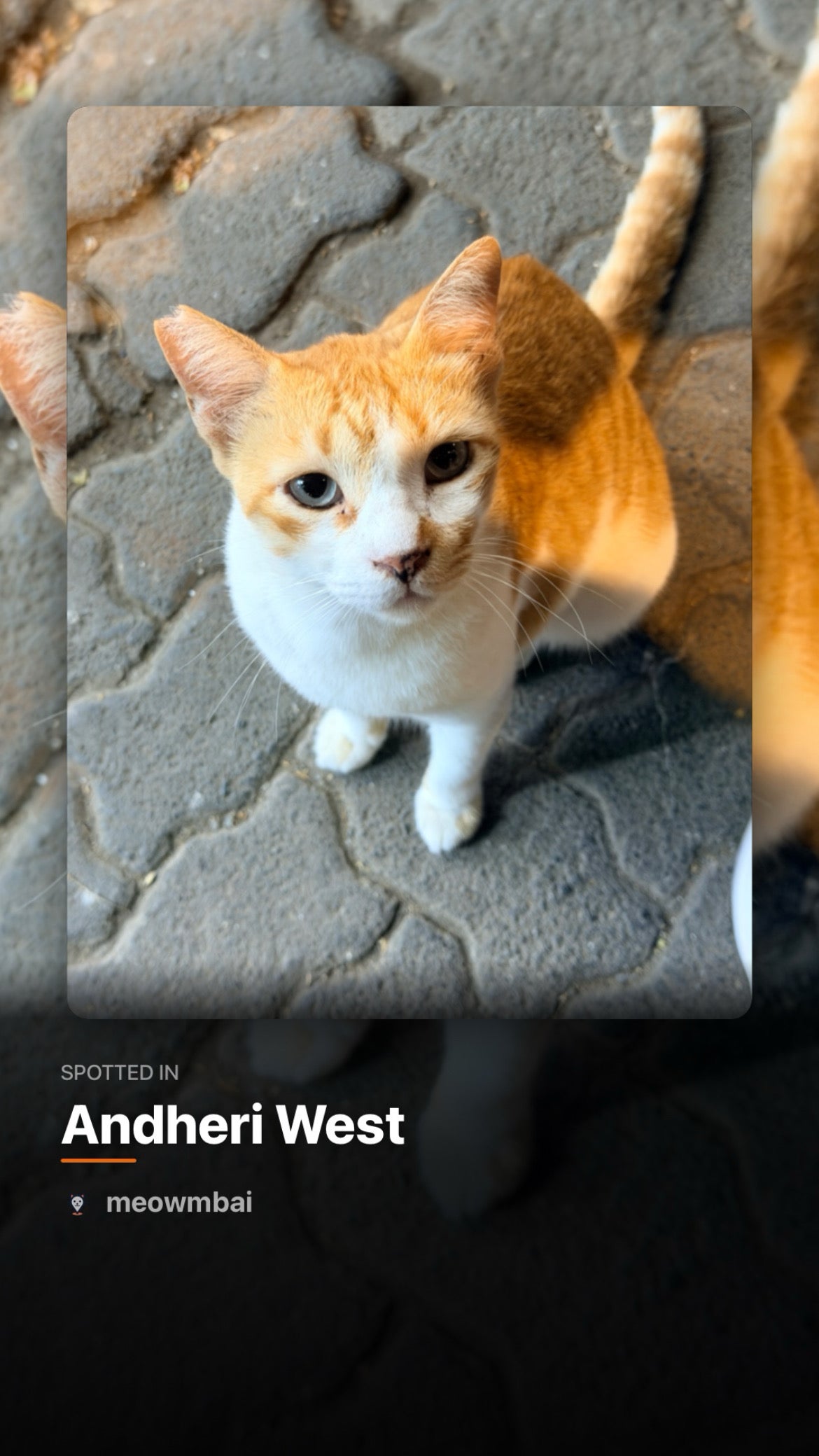
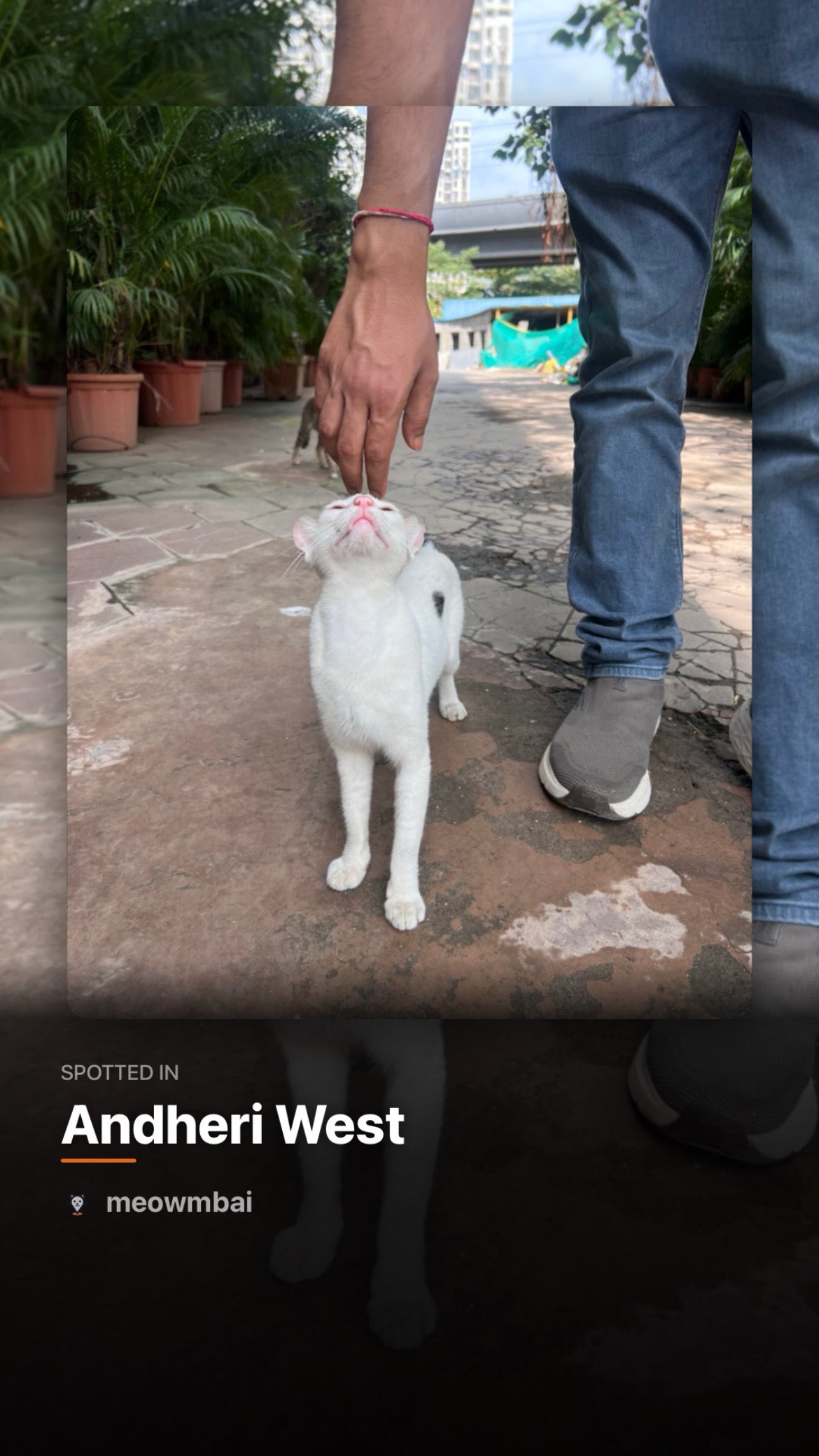
A quick glance at the map shows a ginger cat stretched across a compound wall in Bandra, another fast asleep on the seat of a bright orange motorbike in Colaba and a family of four on a sun-warmed pavement in Dadar. Hundreds more peer out from apartment complexes, tea stalls, and railway stations, each pictured by someone who decided that their neighbourhood cat deserved a place on the map.
It sounds like the kind of a niche idea that exists solely because one person thinks it’s fun, but its founder says the website is starting to have a real impact on the lives of so-called “community cats” – stray but familiar felines who go from house to house in a neighbourhood, relying on multiple regular feeders without having a single owner.
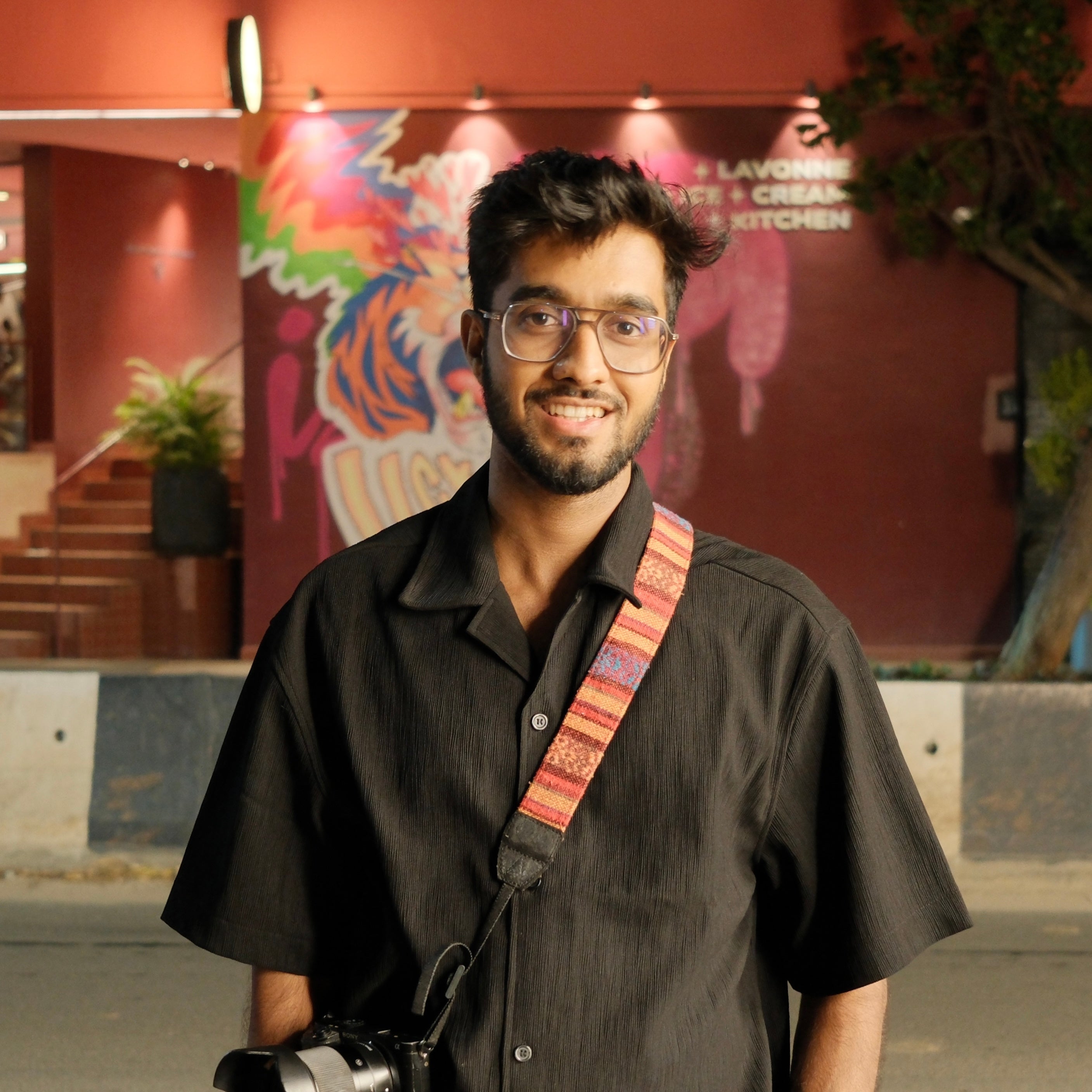
Sudarshan Birla, a 25-year-old product manager from Latur, a town about 500km east of Mumbai, had been living in the city for around a year when he was inspired to build the map by his frequent encounters with its many loveable strays. “I love documenting things,” Birla tells The Independent.
“Every time I took a picture of a cat, I felt it was attached to a place or memory. I would think, ‘This cat is from the corner near the tea stall that I walk past every other day.’ I wanted to build an interactive map where people could discover and revisit the city through them,” he says.
The idea to build Meowmbai came together remarkably quickly.
Birla spent around two weeks building the website before launching it in June. While he expected fellow cat enthusiasts to enjoy browsing the map, he didn’t anticipate just how quickly people would begin adding their own sightings or requesting versions for other cities.
“I was severely overwhelmed by the kind of response that I received,” he says, but it also made him change the way he thought about the project. What began as a playful map of neighbourhood cats quickly attracted messages from community feeders, rescuers, and animal welfare groups, many of whom saw possibilities beyond simply cataloguing feline sightings.
The more Birla listened to the people using Meowmbai, the more he realised that they weren’t simply treating it as a novelty.
“Someone emailed me yesterday that they’d accidentally located the cat in the wrong location and wanted to update it,” he says. “This is something even I hadn’t thought about – that the user would actually think about these many details.”
Some users sought better ways to identify neighbourhood regulars, while others wondered if the map could eventually help reunite lost cats or connect injured animals with nearby rescuers.
The questions were surprisingly earnest for a website whose only real purpose, at least initially, was to answer one delightfully frivolous one: where are all the cats?
The answer, it turns out, depends very much on which city you ask.
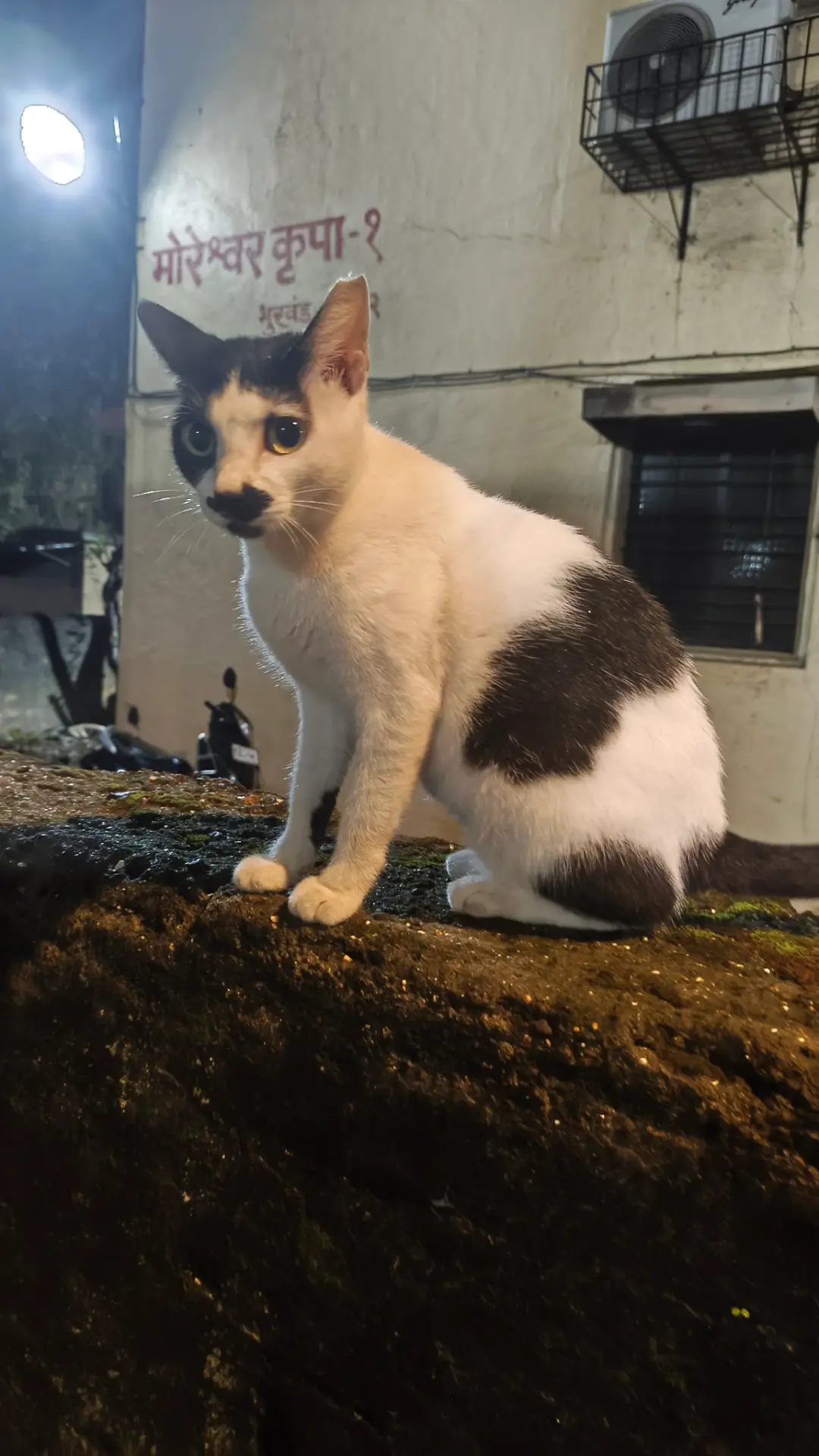
When Birla expanded Meowmbai beyond Mumbai, he expected the map to fill up at roughly the same pace elsewhere.
Instead, each city began developing its own character. Mumbai’s map rapidly became crowded with pins, while India’s technology hub Bengaluru remained comparatively sparse, with only around 35 cats logged when Birla spoke to The Independent.
“Only Mumbai city has so many cats. You can spot a cat right away if you go out even for half an hour. But that might not be true for other cities,” he says.
“I was in Bengaluru for a short trip and went to Cubbon Park, one of the best places for a weekend walk. I saw so many dogs. There were Huskies, Labradors and Golden Retrievers. But I could only spot two or three cats.”
Whether Mumbai is India’s cat capital is impossible to say.
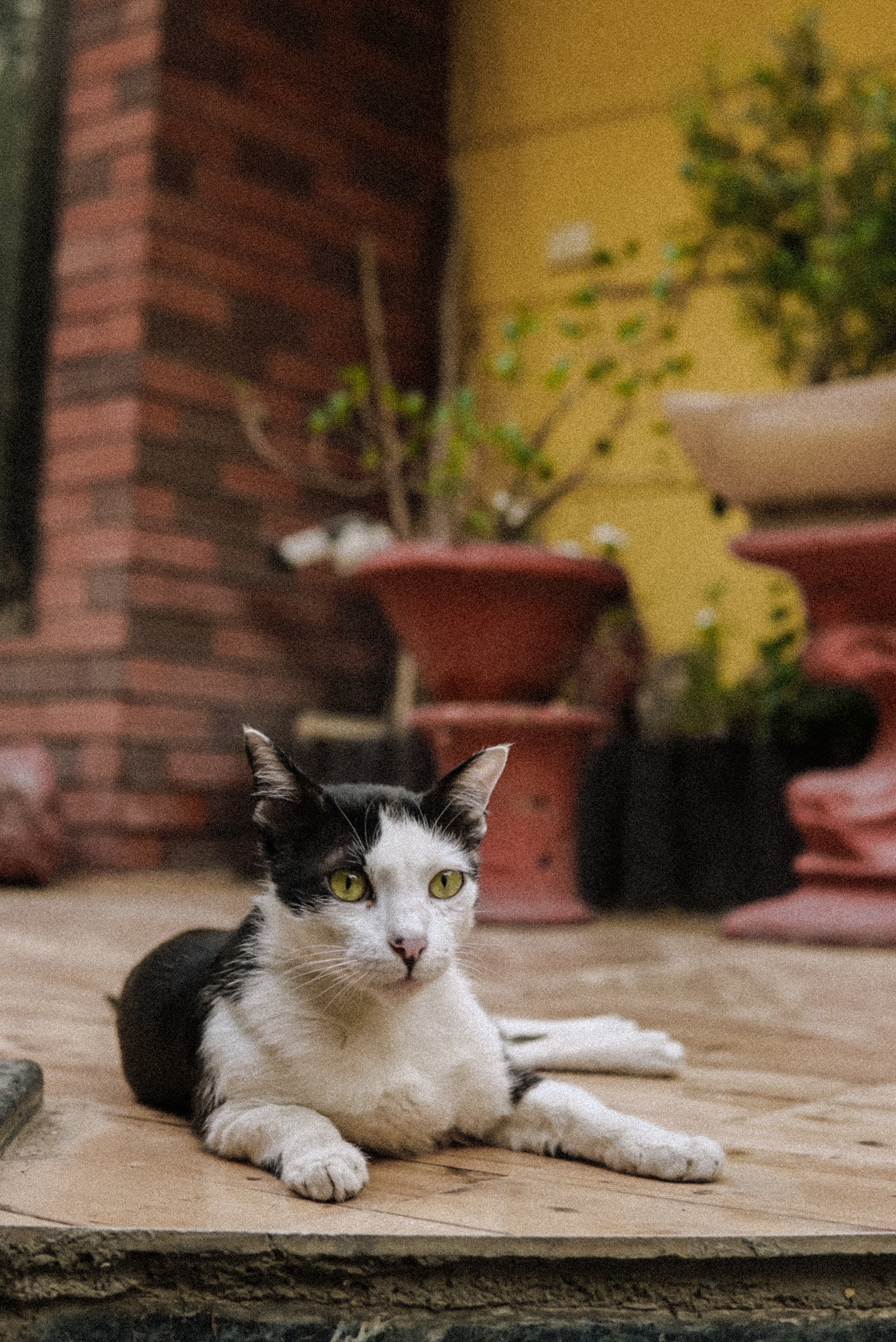
Unlike stray dogs, community cats aren’t routinely counted, and there is no official estimate of their population. But rescuers and feeders say Mumbai offers an unusually hospitable environment for free-roaming cats. The city’s dense residential neighbourhoods, fish markets, cafés, and restaurants provide a steady supply of food. In addition, generations of the city’s residents have quietly adopted local cats as unofficial neighbours.
Even the municipal body has recognised their growing presence.
In 2019, the Brihanmumbai Municipal Corporation became one of the first in India to approve a dedicated programme to sterilise community cats under its animal birth control scheme, despite acknowledging that no official feline census existed.
Though Meowmbai is not meant to function as a census of India’s cats, Birla is determined it should at least be an accurate record of the ones people encounter. Despite the growing number of submissions arriving each day, Birla manually reviews each photograph before it appears on the map, checking its metadata to verify the location.
As Meowmbai has evolved, Birla has become increasingly careful about the features. While some users have suggested highlighting neighbourhoods with large concentrations of cats, he has decided against it after conversations with rescuers and long-time caregivers.
“One thing I’ve decided against is adding cat ‘hotspots,’” he says. “From the feedback I have received, if people see there are already lots of cats in an area, they sometimes abandon kittens there.”
“Meowmbai started as a fun idea, which I hoped people would really enjoy,” he says. “But it is now creating a real impact. That means I have the responsibility to build it thoughtfully. My immediate priority is to make sure that the platform creates genuine value.”
He hopes that, in time, it may become useful for rescue organisations, whether by helping spread information, supporting campaigns, or connecting people already working with stray cats.
But he insists he is still “in the learning phase” and wants to understand the needs of rescuers before introducing new features.
For Birla, the biggest surprise has been not what the map has revealed about Mumbai’s cats but the people who have stopped to notice them.
“I already knew Mumbai had so many cats. But one thing I noticed was from the people’s perspective,” he says. People he had never met offered suggestions and help and artists and animal lovers all wanted to contribute to something that, at its heart, was little more than a map of neighbourhood cats.
“I would love to see people come to Mumbai and spend a weekend getting to know these cats,” Birla says. “Maybe spend some time with them, feed them some good food, take a picture and upload it to Meowmbai.”