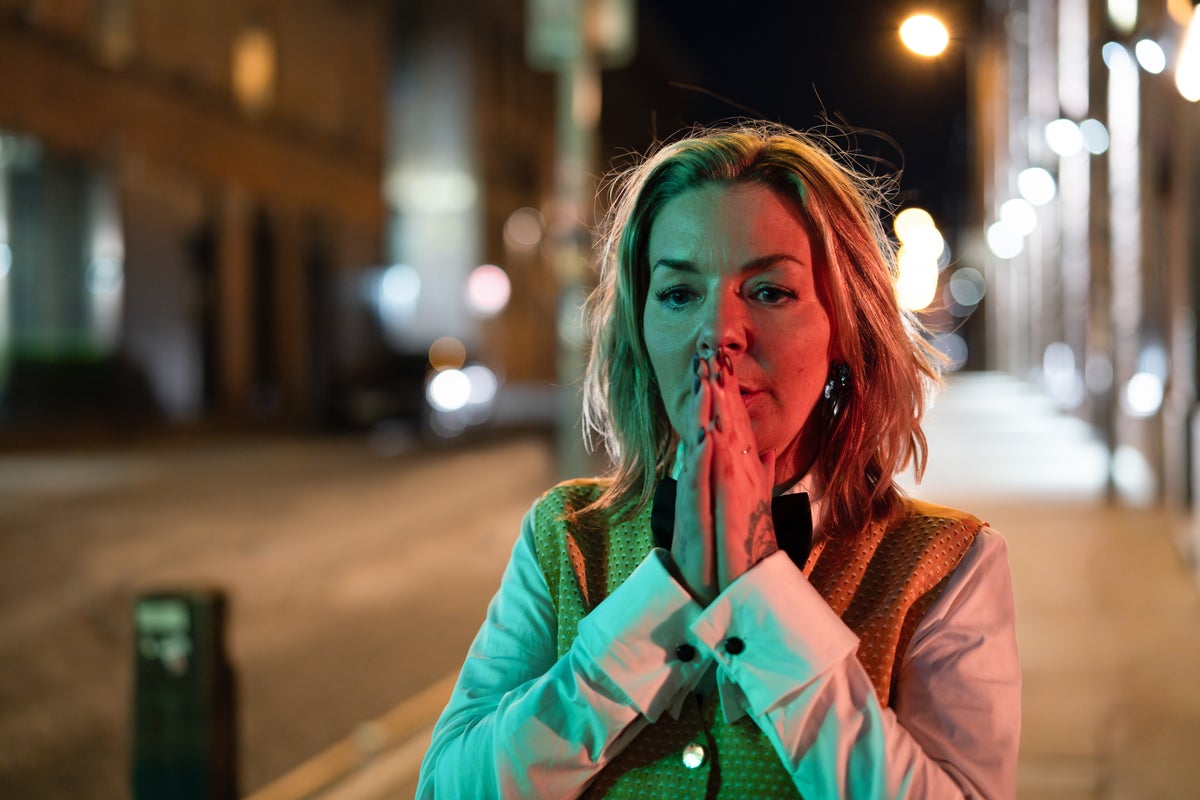
In The Cage, everyone is trapped. They are weighed down by debts and obligations, by family and friends, by work and duty. They twist and turn, and, with each manoeuvre, find themselves beating against the walls of their prison. In its glittering Merseyside setting, The Cage, a new five-part crime drama on BBC One, demonstrates the enduring appeal of breaking out of the confines of your circumstances.
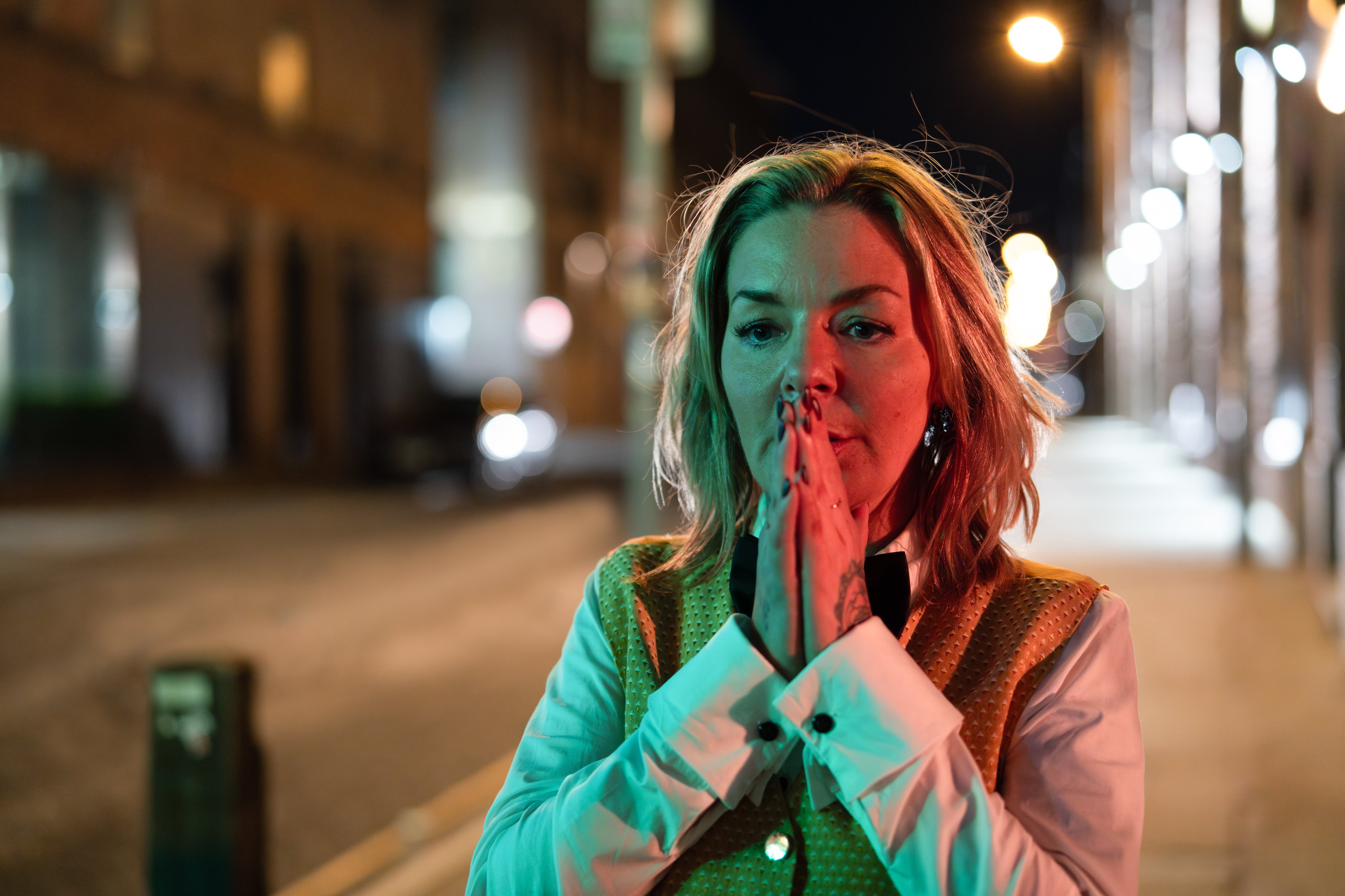
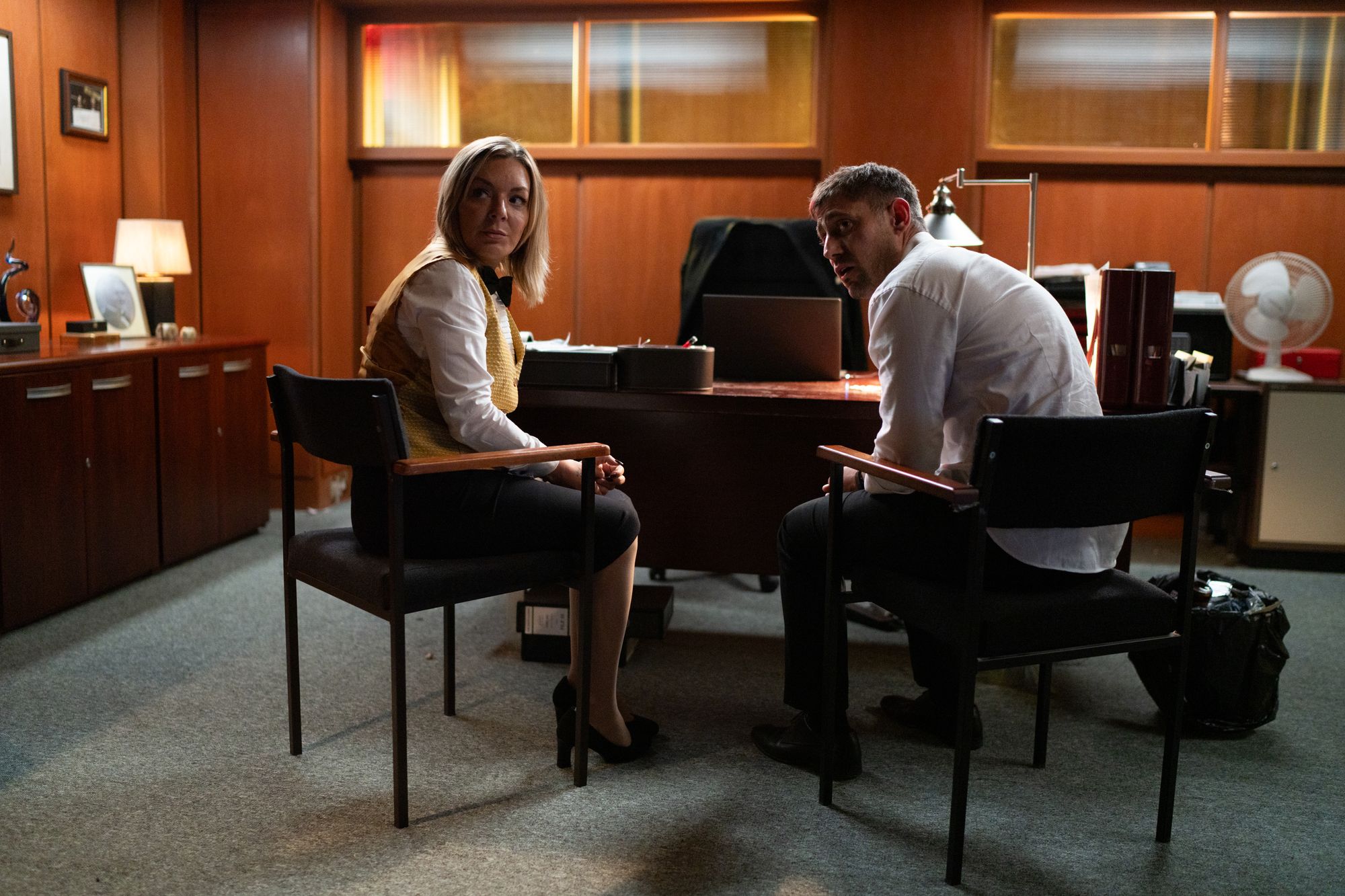
The Envoy is a downmarket casino in Liverpool, where punters play blackjack deep into the night – and long after their pay packet has protested. Matty (Michael Socha) works on the floor, keeping an eye on the luckless degenerates who frequent the place, while Leanne (Sheridan Smith) gets glammed up and heads for the cage, where money is exchanged for chips, the native currency of the gambling industry. Both, however, are skimming a bit of cash from their employer. A hapless endeavour, and one that puts them at risk: the casino is actually a money laundering operation for a drug empire. “You’re not thinking it through,” Leanne urges the bumbling Matty. “It’s not a Rubik’s Cube,” he replies, “it’s just a bit of robbing.” Both facing pressures at home, they begin to collaborate on the theft – just as the casino’s double life starts to fall apart.
Tony Schumacher, the show’s writer, previously brought Liverpool’s dark underbelly to life with The Responder, which starred Martin Freeman as a beleaguered police officer consigned to night shifts. It was, apparently, based in part on Schumacher’s own experiences policing the city earlier in his career. With The Cage, he steps away from “the bizzies” but deploys the same atmosphere, setting the action in a bustling port city slowly going to seed. But where The Responder was cast in a moody palette of dark blues, The Cage is lit in warmer tones. The lights of the casino twinkle and the fruit machines whir and jingle, as Matty and Leanne plot against their employers.

Schumacher’s casino thieves, however, are a long way from Danny Ocean’s gang. “I’m scared all the f***ing time,” Matty confesses. “I can’t do it.” Socha has one of British telly’s most interesting faces, a guileless mask that slips between charm and naivety. Smith, meanwhile, does her well-established routine as a woman whose outer toughness conceals her abject vulnerability. As a criminal duo, there is no mastermind here: they blunder their way into an aromantic partnership that eventually blossoms into real friendship. Thick as thieves. Their dynamic is refreshingly free of wisecracking or scheming or, frankly, competence.
But while Schumacher is trying to do something interesting with his central characters, other aspects of the show slip into cliché. There’s Ning (Sophie Mensah), a single-minded undercover cop (“I’m a copper,” she tells Matty, “it’s my job to enforce the law, stop crime and protect the innocent”) who harbours a personal grudge against smooth kingpin Gary (Barry Sloane). Their world – including Geraldine James as an icy matriarch – is sketched quite thinly, a composite of other police dramas (even as Ning protests that this is “not Line of Duty!”). And both Matty and Leanne are given the sort of exonerating backstories that are used to excuse criminal enterprise. Matty is a recovering addict, estranged from his teenage daughter and trying to rebuild his life. Leanne, meanwhile, runs the gamut of sob stories: a sketchy ex, school-age children, a cancer diagnosis, and a nan with dementia.

Where The Responder was relentless and bleak, The Cage has a lighter touch. Hardened drug lords gather around a TV showing Escape to the Country. “That’s the dream, eh,” one observes. “Run away from it all.” This streak of sentimentality and humour leavens some of Schumacher’s trademark gloom, but it does also introduce triteness. As such, The Cage feels like its heroes: sweet and simple, not bad but not terribly good either.