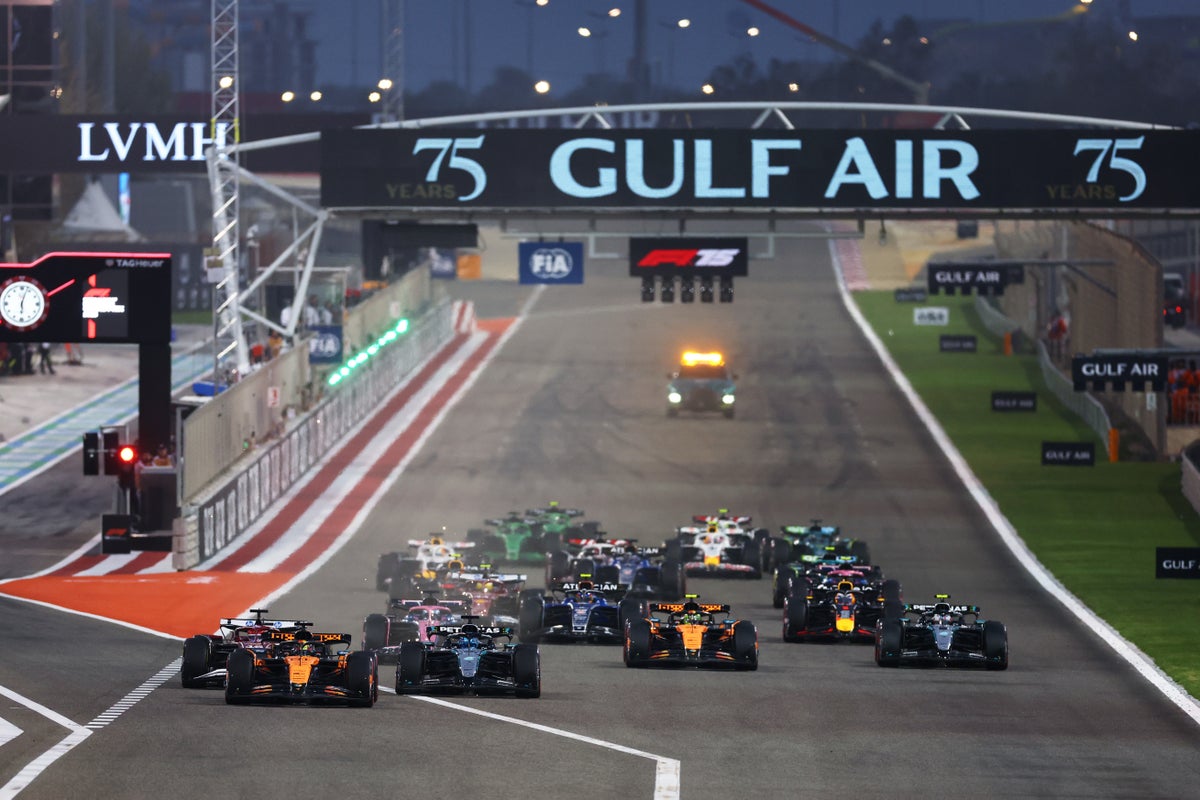
Formula 1 stands to lose an estimated £54m if next month’s races in Bahrain and Saudi Arabia are cancelled.
The escalating conflict in the Middle East, with locations in Bahrain and Saudi Arabia among those targeted by Iranian missiles, mean rounds four and five of the 2026 campaign are in serious doubt.
In Bahrain specifically, a hotel in the capital of Manama – which usually hosts a load of F1 personnel during the race – was targeted while major airports, serving as international travel hubs, remain closed throughout the region.
Cancelling the grands prix – with Bahrain scheduled for 12 April and Saudi Arabia a week later on 19 April – therefore looks likely, with the sport unlikely to replace the races with European locations due to the difficulties and logistics of such a last-minute operation.
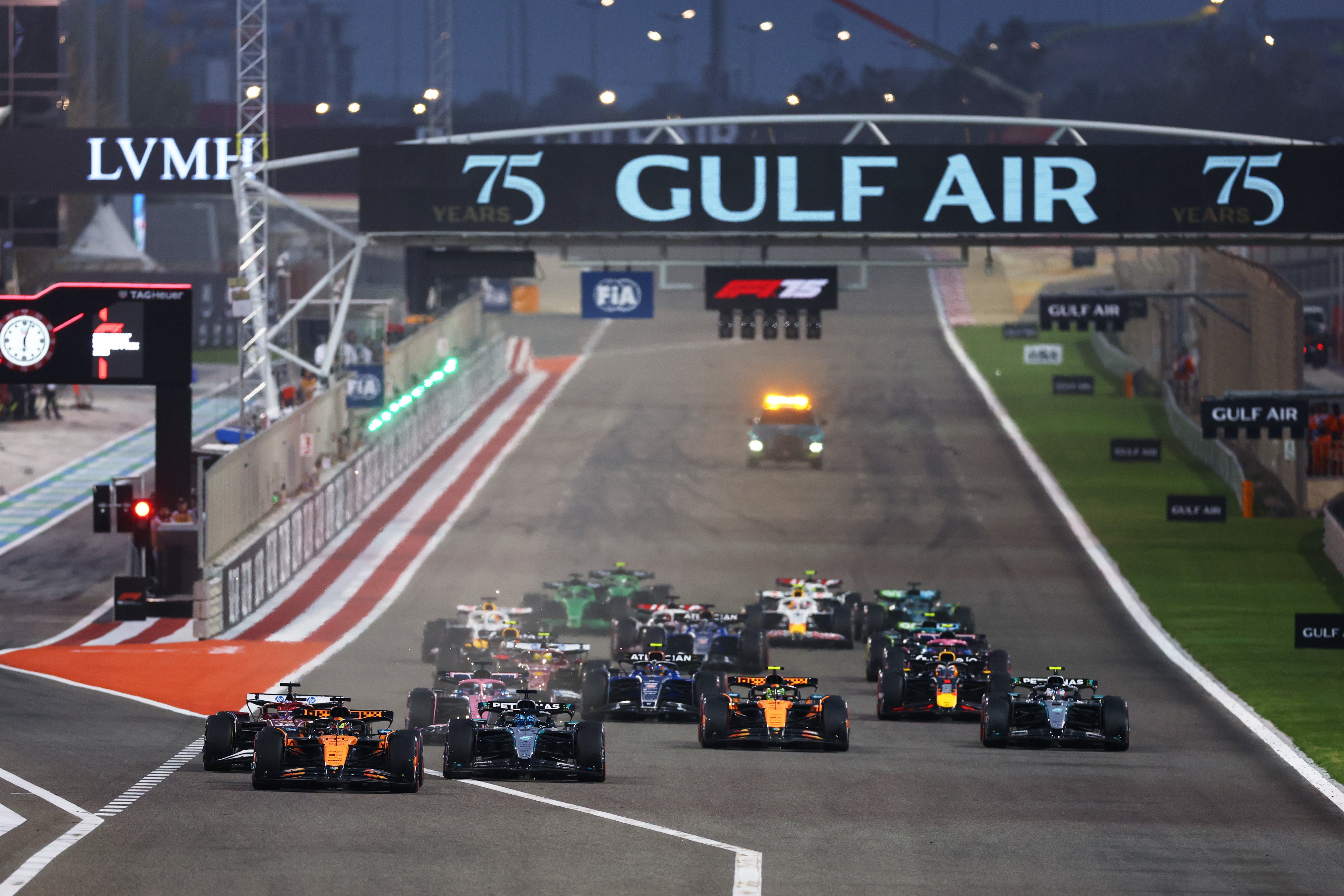
As a result, F1 could miss out on some of their most astronomical hosting fees. It is understood Saudi pays the joint-most of any race, alongside Qatar, at approximately £30m ($55m). Bahrain, which hosted the first-ever race in the Middle East in 2004, pays F1 an estimated £24m ($45m) for the right to host a grand prix.
Formula One’s overall revenues would be hit but given the calendar would still be 22 races, extensive by historical standards, the impact would be kept to a minimum.
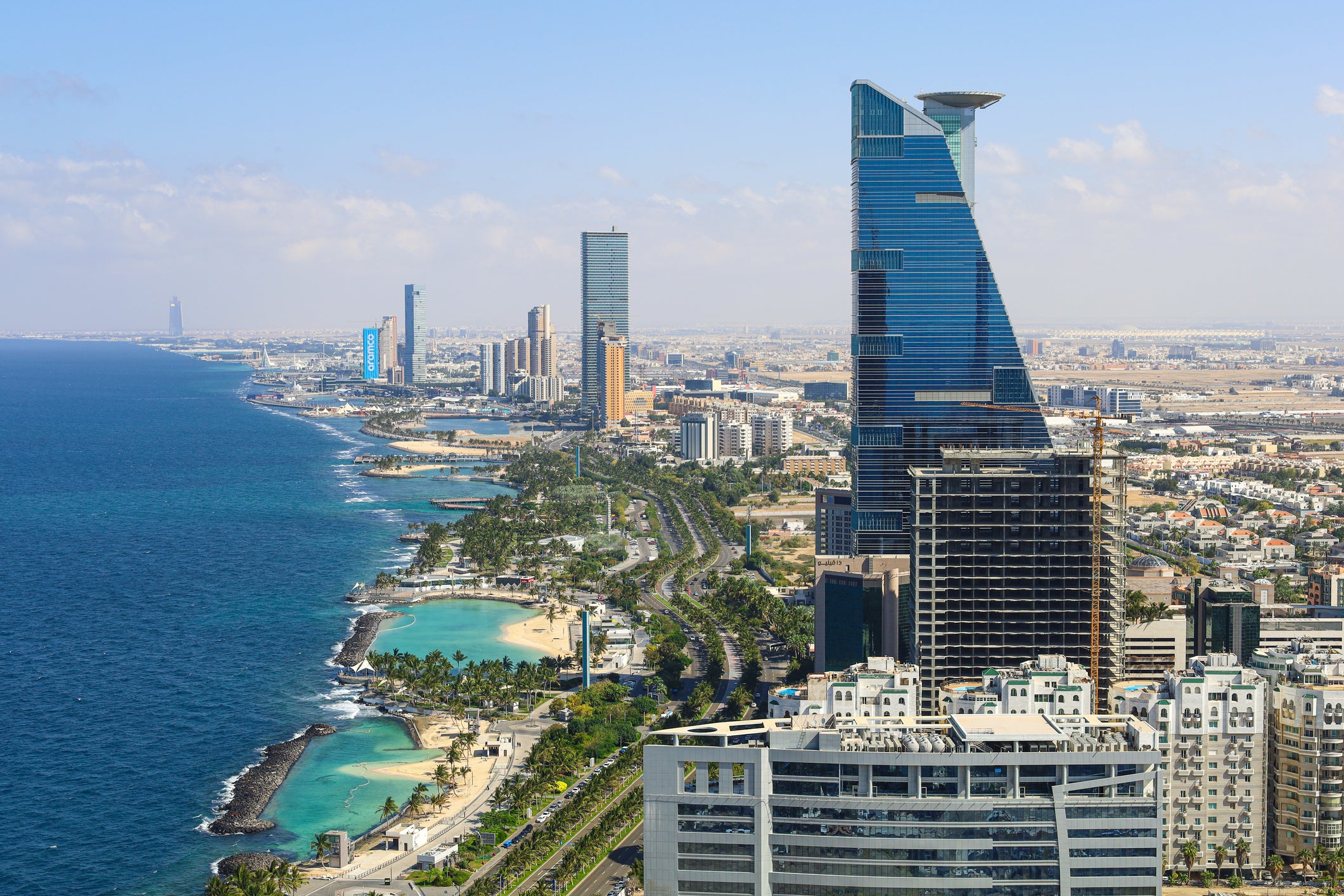
Not only are the Middle Eastern races significant financial contributors to F1 but both Bahrain and Saudi Arabia have deep ties to the sport; Bahrain owns McLaren, while Saudi Arabia is a prominent sponsor and investor via state-owned oil company Aramco.
A precedent for cancellation without replacement exists: the 2011 Bahrain Grand Prix was called off due to unrest in the kingdom and was not rescheduled after teams objected to a late October date.
Formula One’s then-commercial supremo Bernie Ecclestone later confirmed that Bahrain had paid its hosting fee regardless. Whether the Bahrain and Saudi (in Jeddah) races would do the same remains to be seen.

Current Formula One chief executive Stefano Domenicali and Mohammed Ben Sulayem, president of the governing International Automobile Federation (FIA), have both emphasised that safety is paramount.
“We don’t want to do any statement today because things are evolving and we still have time to make the right decision. This decision will be taken together,” Domenicali told Sky Sports television in Melbourne, ahead of an expected meeting with F1 bosses on Saturday.
When asked by The Independent about the situation, Mercedes boss Toto Wolff said: “I would very much hope we race. Is it realistic that we race there at the moment? I’m not quite sure.”
McLaren F1 CEO Zak Brown commented: “It’s the first get-together of all the teams. There’s been very little communication about it (the situation) yet because of the effort that it took just to get here to Australia.”

The wider motorsport community is also affected, with MotoGP’s Qatar round at Lusail, near Doha, on 12 April facing significant difficulties and unlikely to be rescheduled.
The World Endurance Championship (WEC) event in Doha, originally set for 26-28 March, has already been postponed.
While Formula One has some time before a final decision is required, with a loose deadline of 20 March set, other deadlines are fast approaching. Formula Two, a key support series, is due to fly its freight to Bahrain on Monday for a test at Sakhir from 25-27 March, following its season opener in Australia this weekend.
A senior source within the Formula Two paddock indicated that teams are awaiting clarification but anticipate both the test and race will be cancelled.
Additional reporting by Reuters