A species of bacteria living in the icy waters surrounding Antarctica could hold clues to future cancer treatment, especially for those battling melanoma, scientists say.
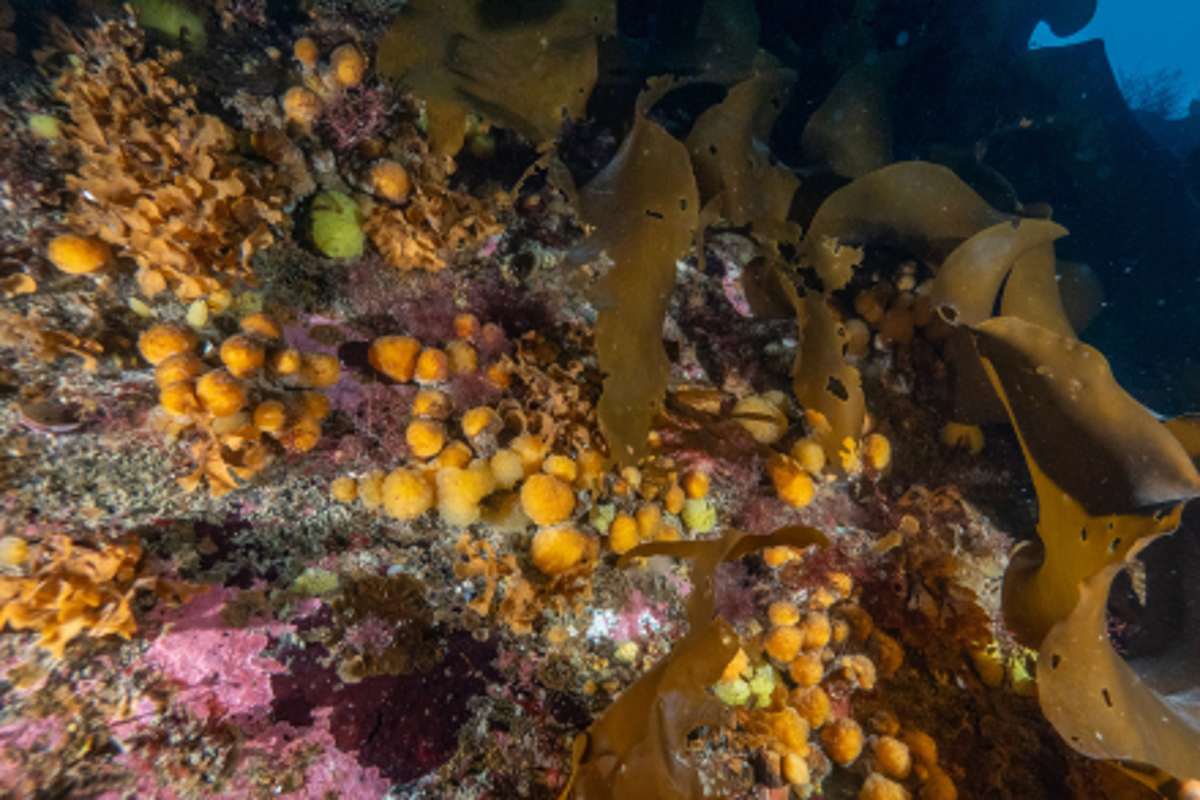
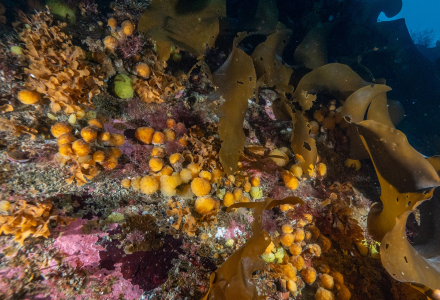
Researchers found that the melanoma-killing bacterium was growing on marine organisms called ascidians, or sea squirts, during a six-week expedition to one of the most remote environments on the planet.
“We first discovered this ascidian produces a bacterium that contains a toxic compound that kills melanoma cancer cells while not harming normal human cells,” said Bill Baker, a professor of chemistry at the University of South Florida.
“That selectivity is critical in drug development because you want to treat the disease without harming the patient,” Dr Baker said.

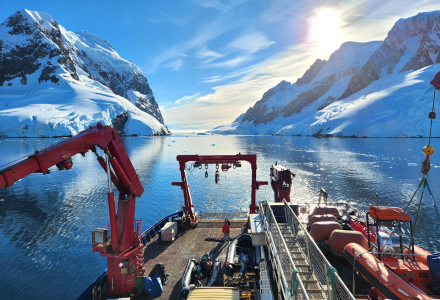
Many marine organisms in the frigid Antarctic waters rely on chemical defences to survive in the harsh environment, producing compounds that can deter predators and disease.
“The continent is unique because it has been geographically and environmentally isolated for millions of years,” Dr Baker said.
“As a result, species in Antarctica have had time to evolve independently, leading to highly specialised organisms. The ascidians we study are adapted specifically to this environment and are not found anywhere else,” he explained.
One of the compounds found to act effectively against melanoma cells is “palmerolide A” produced by the bacterium Candidatus Synoicihabitans palmerolidicus.
The latest expedition sought to find where the melanoma-killing bacterium occurs in the Antarctic and how widespread it is.
“We also wanted to understand how it lives inside the organism [sea squirt] and how that connects to the compounds linked to melanoma research,” Dr Baker said.
Researchers hope to further understand how the compounds are produced naturally and whether they can eventually be harnessed for medical applications.
Sea squirts harbouring the melanoma-killing bacteria are typically found at depths between about 18 and 24m (60 and 80ft), often along sloped or vertical seafloor surfaces where water currents are strong, scientists found.
At these depths, currents help deliver nutrients that sustain the organisms, they say.
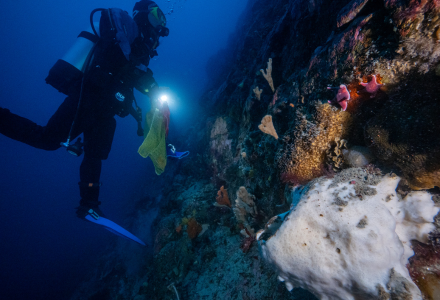
Researchers conducted multiple dives and used two remotely operated vehicles to explore deeper waters.
The dives were carefully planned to ensure the safety of the scientists and the samples, they say.
“This research is important both environmentally and medically. We are learning how organisms use symbiosis to survive in extreme conditions, which is still largely unknown in cold-water ecosystems like Antarctica,” Dr Baker said.
“Understanding the source and function of this compound is critical if we hope to develop it into a drug,” he said.