


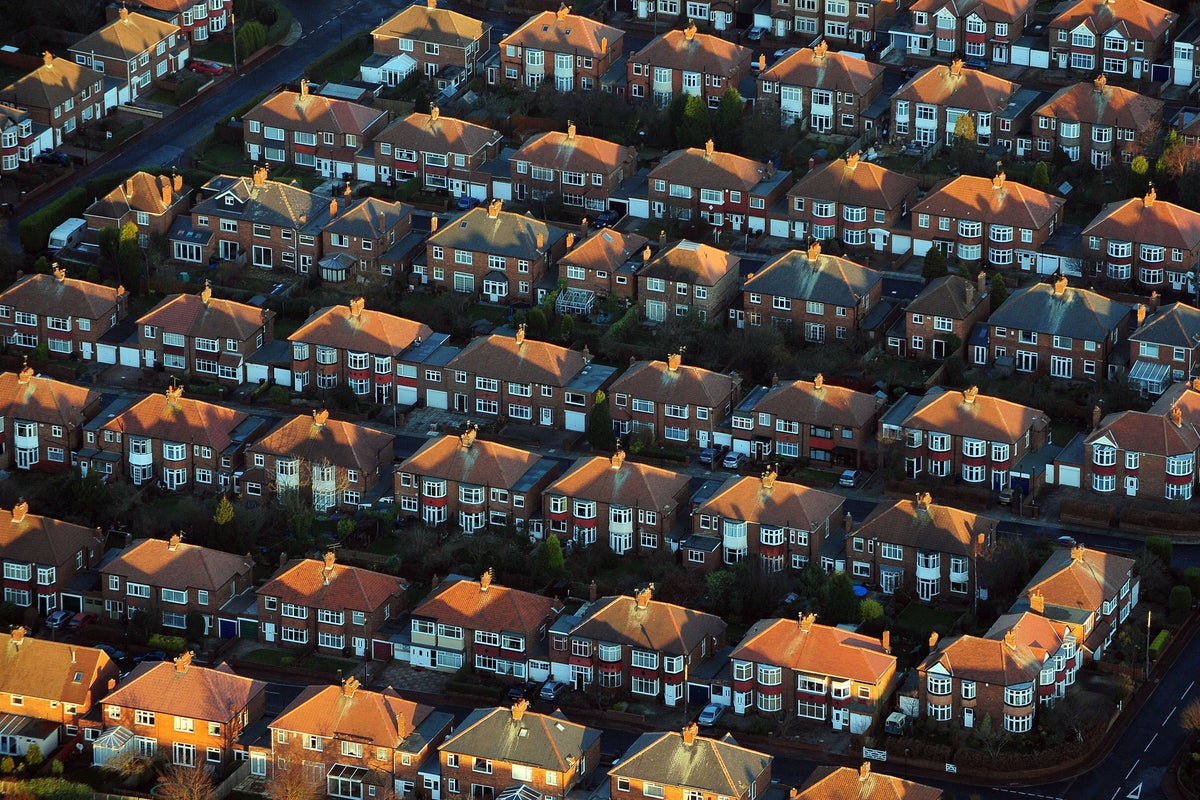
First-time buyers in London face a formidable challenge, needing to amass a deposit roughly three times larger than people in Scotland or parts of northern England, new analysis reveals.
Nationwide Building Society research indicates that securing a 10 per cent cash deposit in the capital could take a prospective homeowner nine years – a stark five years longer than for those attempting to get onto the property ladder in some northern English regions.
In the North East, a typical 10 per cent deposit for a first home stands at approximately £13,100.
Scottish buyers face a similar hurdle, requiring around £13,900, while those in Yorkshire and the Humber would need to save about £15,400.
However, a first-time buyer in London would typically need to raise a substantial £44,800 for the same 10 per cent deposit, starkly illustrating the significant regional disparity in property accessibility across the UK.

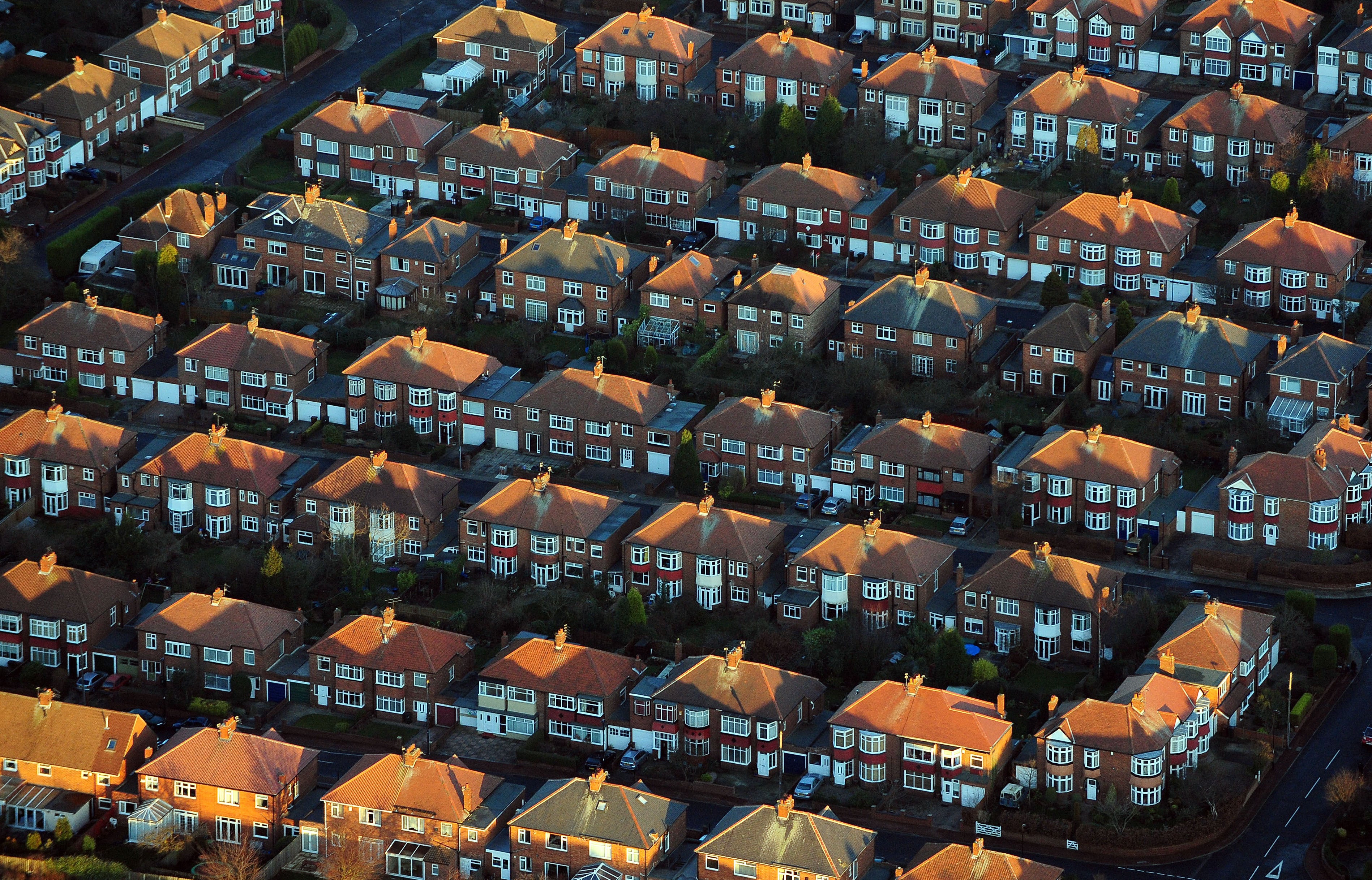
Andrew Harvey, Nationwide’s senior economist, said: “A 10 per cent deposit on a typical UK first-time buyer property is around £23,000.
“Even based on saving 10 per cent of average net pay (around £320) per month it would take a prospective buyer nearly six years to accumulate this.
“However, the level of deposit required also varies considerably by region, reflecting differences in average house prices.
“For example, a 10 per cent deposit in London is over three times larger than the equivalent in the North. It would also take a Londoner nine years to save for their deposit versus around four years for someone buying in the North, based on saving 10 per cent of their average net pay.”
Some first-time buyers may find they can boost their savings, for example by using Lifetime Isas, which come with a bonus.
Financial help from loved ones is also often vital to first-time buyers trying to increase the size of their deposit.
Mr Harvey said that in 2024-25, over a third of first-time buyers were estimated to have had some help raising a deposit, either in the form of a gift or loan from family or friends, or through an inheritance.


He added: “Looking ahead, we expect housing market activity to strengthen a little further as affordability continues to improve gradually via income growth outpacing house price growth and a further modest decline in interest rates.”
Mr Harvey also said mortgage affordability is particularly challenging in some employment sectors, such as for those working in sales and customer service roles and in occupations such as construction and manufacturing labourers, cleaners and couriers.
Mr Harvey said: “In these groups, typical mortgage payments would represent around 50 per cent of average take-home pay.”
Here are what deposits of 10 per cent equate to in cash terms for average or typical first-time buyer properties, according to calculations by Nationwide Building Society:
North East, £13,100
Scotland, £13,900
Yorkshire and the Humber, £15,400
Wales, £17,300
North West, £17,400
East Midlands, £19,400
Northern Ireland, £19,400
West Midlands, £20,400
East Anglia, £21,200
South West, £24,700
Outer South East (includes Ashford, Basingstoke and Deane, Bedford, Braintree, Brighton and Hove, Canterbury, Colchester, Dover, Hastings, Lewes, Fareham, Isle of Wight, Maldon, Milton Keynes, New Forest, Oxford, Portsmouth, Southampton, Swale, Tendring, Thanet, Uttlesford, Winchester, Worthing), £26,300
Outer Metropolitan (includes St Albans, Stevenage, Watford, Luton, Maidstone, Reading, Rochford, Rushmoor, Sevenoaks, Slough, Southend-on-Sea, Elmbridge, Epsom and Ewell, Guildford, Mole Valley, Reigate & Banstead, Runnymede, Spelthorne, Waverley, Woking, Tunbridge Wells, Windsor and Maidenhead, Wokingham), £32,800
London, £44,800