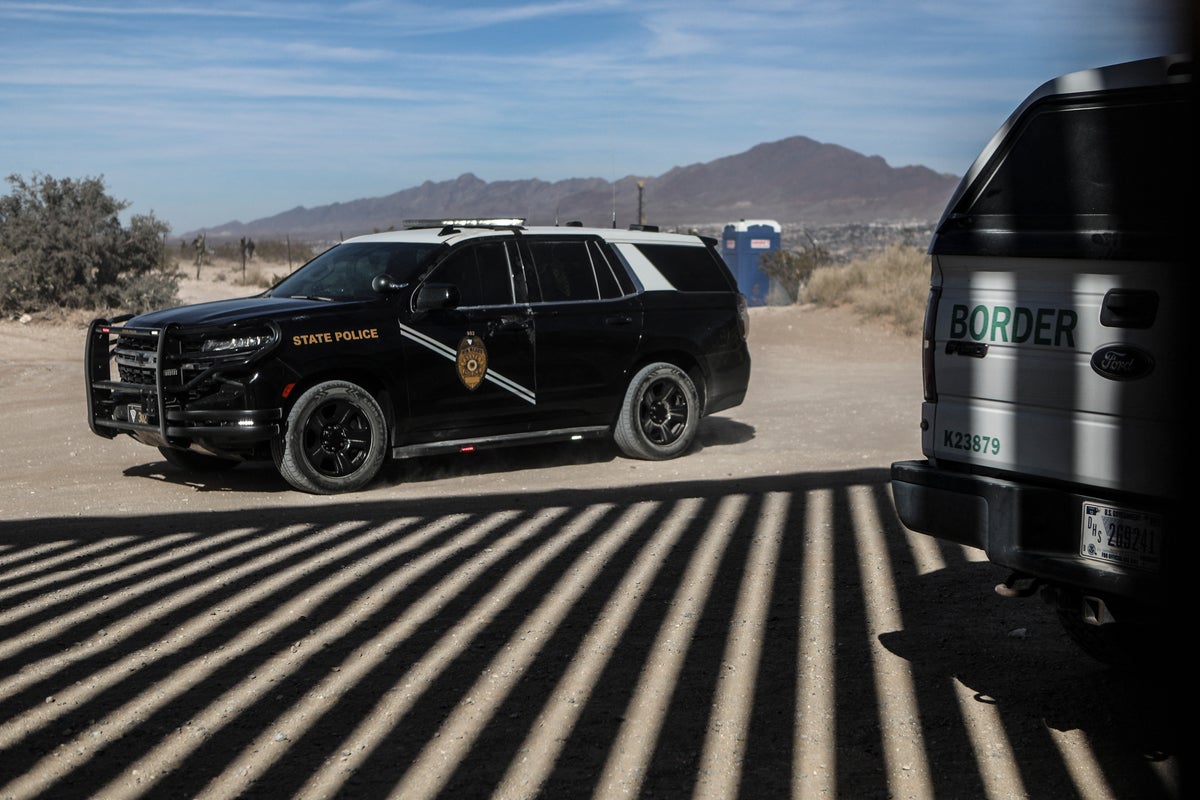
A controversial Texas law empowering state police to arrest individuals suspected of illegally entering the country can now take effect, following a federal appeals court decision on Friday that lifted a lower court’s injunction.
The Fifth U.S. Circuit Court of Appeals reinstated the measure, known as Senate Bill 4, by ruling that the plaintiffs lacked the legal standing to sue, thus avoiding a judgment on the law’s underlying constitutional questions.
Texas lawmakers passed SB 4 in response to what they described as an “invasion” due to record border crossings, which have since decreased.
Historically, immigration enforcement has been the sole purview of the federal government.
Texas’s legislation directly challenges this precedent, drawing immediate constitutional challenges from immigrant and civil rights organizations who argue that policing immigration falls exclusively under federal authority.
In a 10-7 decision, the appeals court determined that plaintiffs Las Americas Immigrant Advocacy Center, American Gateways, and El Paso County could not proceed with their lawsuit. “These Plaintiffs voluntarily incurred costs to advocate for clients. Under recent Supreme Court precedent, that falls far short of conferring standing. We vacate the preliminary injunction to the contrary,” the 5th Circuit’s order stated.
Texas Attorney General Ken Paxton celebrated the ruling on social media, declaring, “Texas’s right to arrest illegals, protect our citizens, and enforce immigration law is fundamental. This is a major win for public safety and law and order.”
SB 4 establishes a state misdemeanor for illegally crossing the border into Texas, allowing authorities to arrest suspected violators. The law also mandates state magistrate judges to order those arrested for illegal entry to leave the country for Mexico, either in lieu of prosecution or upon conviction.

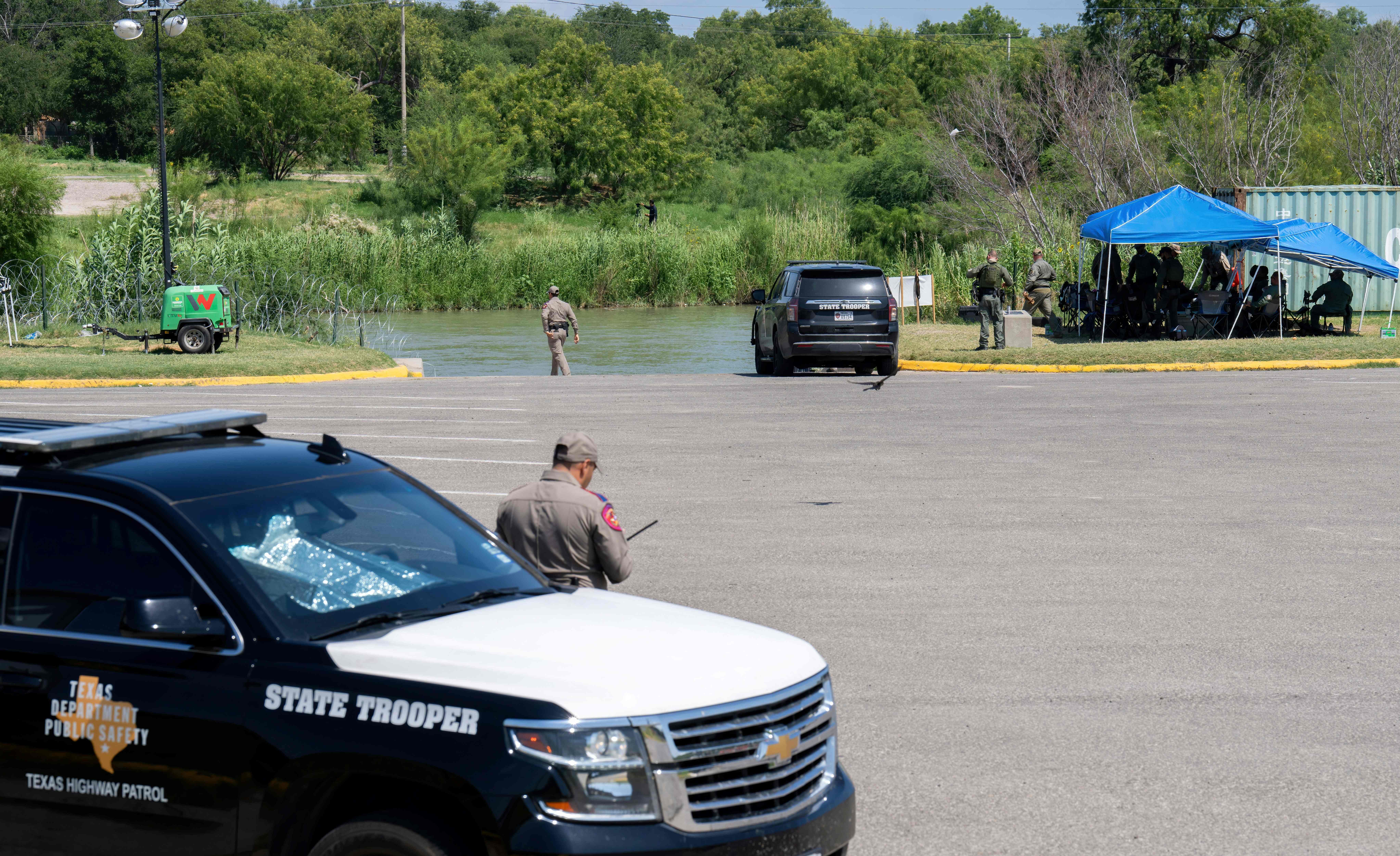
The Biden administration had challenged the law, deeming it unconstitutional, though the Trump administration later withdrew the Department of Justice’s participation in the lawsuit.
Texas officials have consistently defended the law, both in and out of court, asserting the state’s right to self-defense against what Republican leaders have termed an “invasion” of illegal migration. Courts in recent decades have largely rejected this “invasion” argument, and immigration rights advocates have voiced concerns that such rhetoric could incite violence against immigrants.
The appeals court’s majority decision explicitly avoided the “invasion” argument, focusing solely on the plaintiffs’ standing and stressing that the ruling was made “without addressing the merits” of the case. However, Judge James Ho, in a concurring opinion, argued that Texas possessed a right to defend itself, citing a book that suggests Mexico and other nations have “weaponized migrants” against the United States. “If our adversaries are going to weaponize mass migration to harm America as well as other countries, our elected officials are entitled to respond accordingly,” he wrote. “And in any event, these are political matters for which elected officials are held accountable by voters, not judges.”
It remains unclear whether SB 4 will go into effect immediately.
Nicolas Palazzo, director of legal services at Las Americas Immigrant Advocacy Center, criticized the 5th Circuit for taking “the easy way out” by not ruling on the merits. “By avoiding the core question of S.B. 4’s unlawfulness, it left the road wide open for S.B. 4 to continue its reign of fear and targeted profiling against migrants and their families, undermining safety and security in El Paso,” Palazzo stated. “We remain committed, however, to continue to challenge S.B. 4 and its abuse of power.”