
A teenage rape victim was sent a graphic letter recounting her assault and explaining her attacker would not face charges, a watchdog has revealed.
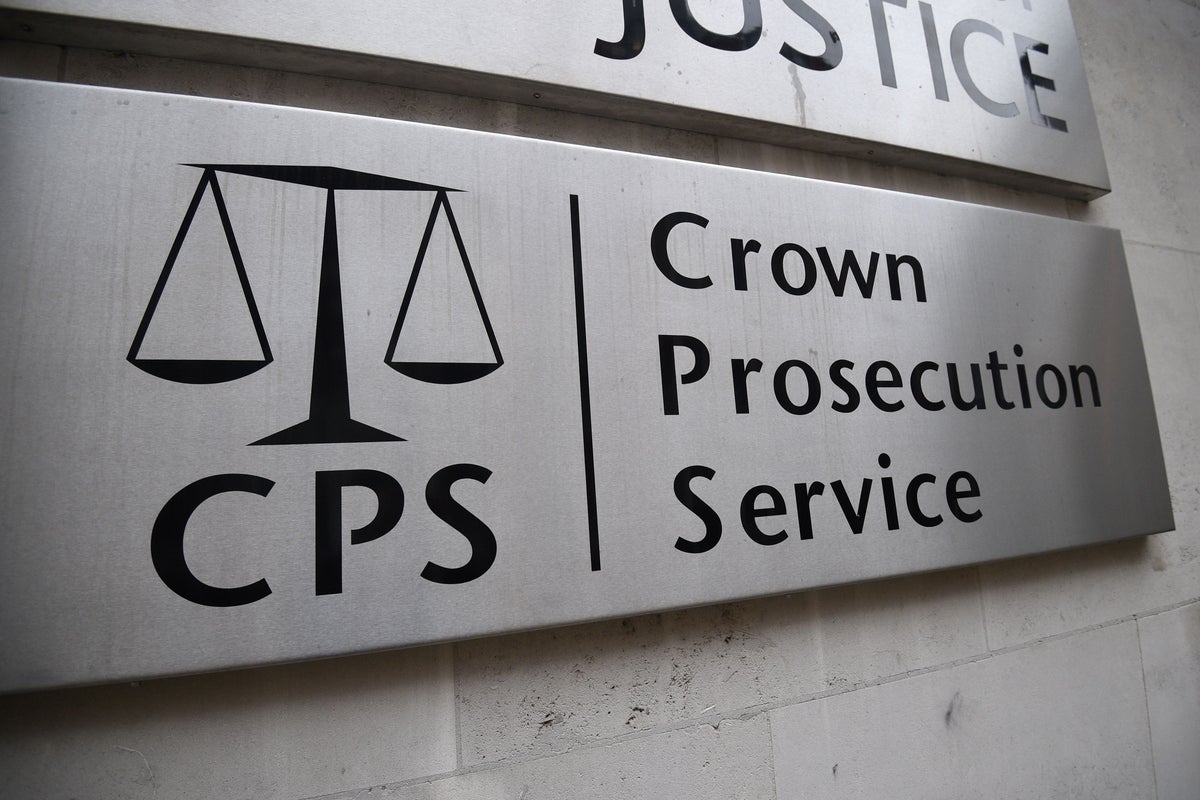
Her experience is one of hundreds highlighted by the chief inspector of the Crown Prosecution Service (CPS) who says prosecutors are failing to adequately explain life-changing charging decisions in six in ten letters to victims of crime.
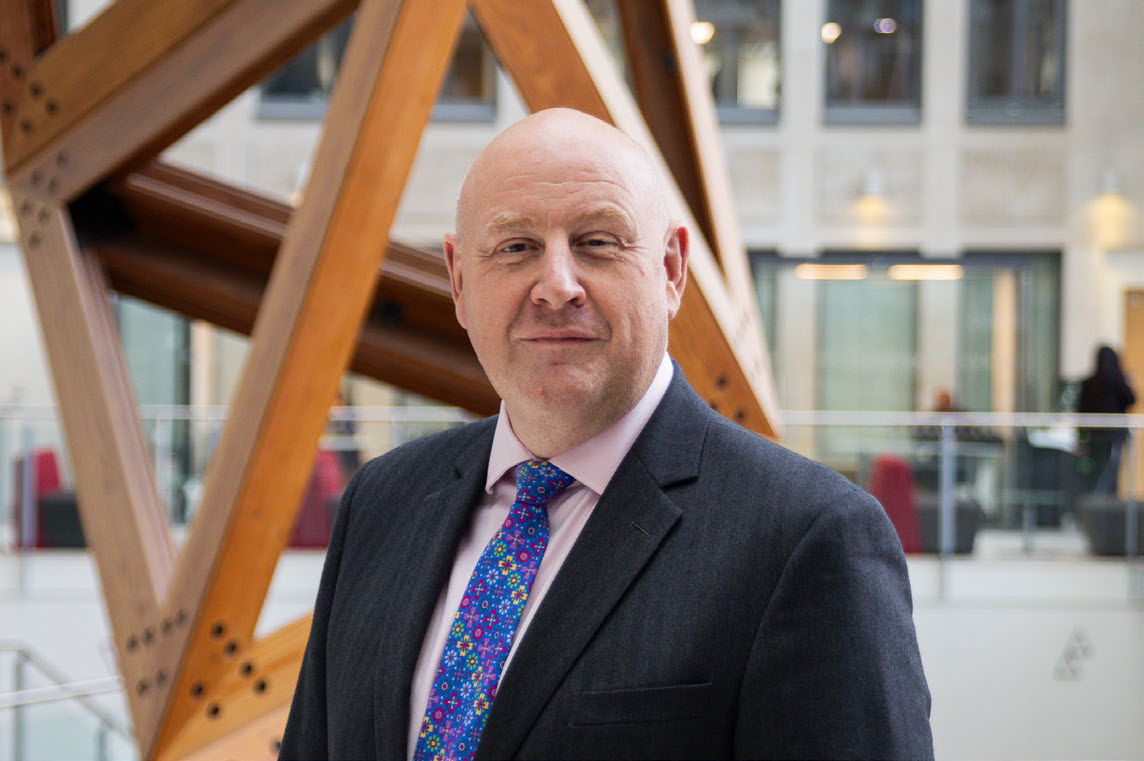
Anthony Rogers, has hit out at a lack of care by prosecutors writing vital letters to survivors about whether their case will proceed to trial.
He told The Independent “something has to change” after his latest inspection showed only 36.9 per cent of letters sent under the Victim Communication and Liaison scheme (VCL) met basic standards.
The findings have left him “exceptionally frustrated” and “very disappointed” after the watchdog first raised the issue in 2018 and again in 2020.
He said the letters are often a victim’s only contact with the CPS after a traumatic incident, adding: “In terms of public confidence, getting a bad letter or getting a letter that you feel doesn’t explain very well, and you don’t really understand very well, must be actually horrific to a victim.”
Often, the poor explanation is driven by a lack of good case analysis and strategy in the first place, he added.
He has now called for the CPS to “significantly improve the quality” of letters by July 2027, by which time he wants to see 70 per cent meeting minimum standards.

Although overall levels of empathy had significantly improved since his last inspection in 2020, 57 of 420 letters assessed did not display the appropriate empathy with its recipient, the inspection found.
A total of 91 letters did not correctly explain the CPS legal decisions and more than half failed to sufficiently explain the decision. In five cases, prosecutors had failed to spell the victim or defendant’s name correctly.
“If you can’t spell somebody’s name right, how much do you really care when you are drafting that letter,” Mr Rogers said, but added that this had significantly improved since his last inspection.
In one letter to a 17-year-old rape victim, a prosecutor included extensive detail about the alleged crime as they explained they would not be taking any further action. The letter contained no warning of the graphic or potentially triggering information, which recounted the allegations in “minute detail”.
The letter included dense legal jargon which had not been adapted for a teenage reader and risked re-traumatising them, the report found.
“I was shocked at how graphic that was,” Mr Rogers added.
He called for prosecutors to consider the ‘grandmother test’ when drafting difficult letters by imaging how that letter would be received by a loved one.
“Somebody you love, they’re opening that letter blind,” he said. “How would you feel if that was your, the person you love the most in the world? I think the CPS need to think about that a bit more now.”
In a separate report on CPS handling of rape cases earlier this year, inspectors found less than 16 per cent of cases met required standards during the pre-charge decision-making phase.
Although he does not have statutory powers to enforce his recommendations, the watchdog has urged the CPS to urgently act to improve its communication with victims, who are often vulnerable and traumatised.
“I am so frustrated,” he continued. “I want this one to land, because I want everybody to know six years on, eight years on, something has to change, and the service they’re receiving from the CPS at the moment is just not good enough.”
The inspector previously reviewed the CPS’s handling of the prosecution of Nottingham attacker Valdo Calocane, which sparked outrage from victims’ families after prosecutors accepted his guilty pleas to manslaughter by diminished responsibility rather than pursuing murder charges.
He said Calocane’s case highlighted the “fragmented and disjointed” nature of a victim’s journey through the justice system, adding: “Experiencing this as a victim is very confusing.”


In his annual report, which was also laid in Parliament this week, the inspector said victims are being failed by a criminal justice system that treats their support as a series of separate initiatives rather than a shared national priority.
Although the government has invested significantly in victim support, he warns that these measures are being developed in isolation across different government departments.
“I don’t understand why you have to, as a victim, interact with potentially half a dozen or more [people], and that’s actually potentially in a very easy case, you know. That’s in a simple case.”
All too often, victims have little understanding of how the justice system works from police reports, to CPS charging decisions, to court hearings, he added, suggesting citizenship classes in schools would help increase public awareness.
Sarah Hammond, CPS lead for victims and witnesses, said: “Victims are at the heart of everything we do. Behind every charge is a person whose life has been impacted, often profoundly.
“This report recognises that while progress has been made, particularly in the empathy shown in letters to victims, it is clear there is still significant improvement needed. Work to make those improvements is already underway.
“Improving how we communicate with and support victims remains a priority, so that they feel informed, supported and at the centre of the justice process throughout.”
The Independent contacted the Ministry of Justice for comment.