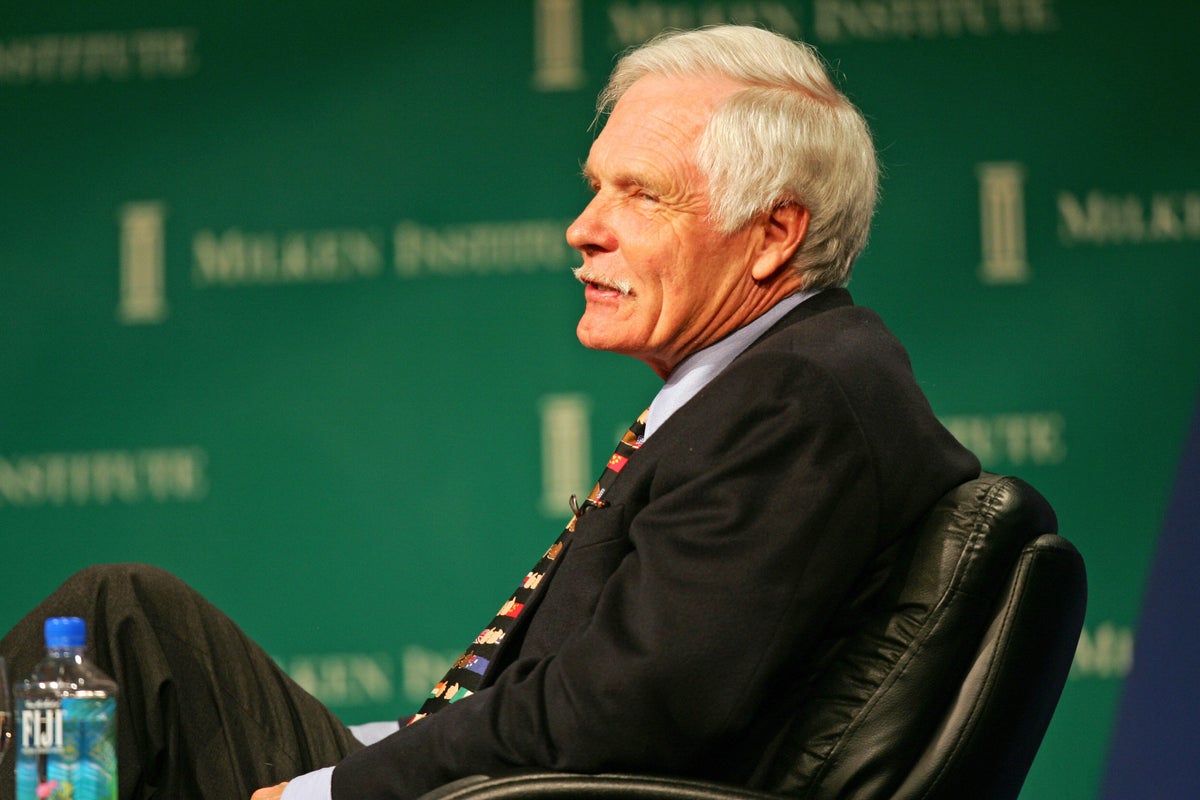
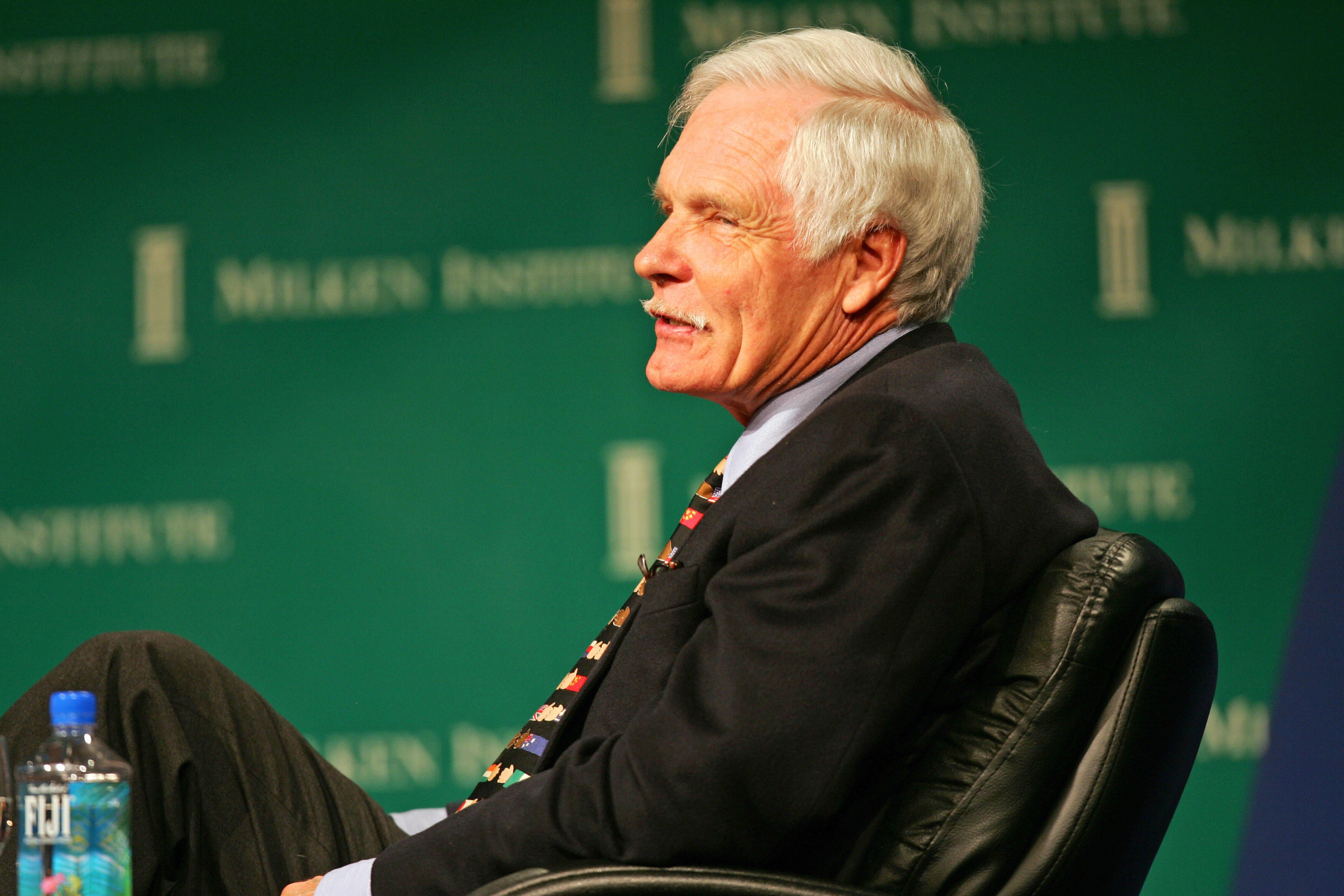
Ted Turner, the brash media mogul who made billions pioneering modern cable television, died Wednesday at 87 years old – news that was broken by CNN, the cable channel he founded.
His network altered news forever in 1980 by delivering it 24 hours a day for the first time.
But his impact extended far beyond CNN. Turner established the concept of the “superstation,” which allowed local cable television to access a national audience, created the Turner Broadcasting System and launched channels such as TNT, Cartoon Network, TBS and more.
His ambition led him to own the Atlanta Braves and turn it into a national franchise, renew interest in professional wrestling with the creation of World Championship Wrestling, win the America’s Cup in yachting, and amass millions of acres of land across several states for preservation.
Married three times, once to actress Jane Fonda, Turner was well-known for making no-filter statements that earned him the nickname “Mouth of the South.” Turner’s outspoken nature sometimes overshadowed his risk-taking business acumen.
He once bragged, “If only I had a little humility, I’d be perfect.”

“Ted was an intensely involved and committed leader, intrepid, fearless and always willing to back a hunch and trust his own judgement,” Mark Thompson, the CEO and chairman of CNN, said in a statement.
“He was and always will be the presiding spirit of CNN. Ted is the giant on whose shoulders we stand, and we will all take a moment today to recognize him and his impact on our lives and the world,” Thompson said.
Turner died after a long battle with Lewy body dementia, a progressive brain disease, Turner Enterprises said in a statement.
President Donald Trump acknowledged Turner’s death in a statement, claiming the media mogul was “personally devastated” after selling CNN and his other networks to Time Warner in 1996 for $7.5 billion.
“He founded CNN, sold it, and was personally devastated by the Deal because the new ownership took CNN, his ‘baby,’ and destroyed it,” Trump said in a Truth Social post. “It became woke, and everything that he is not all about. Maybe the new buyers, wonderful people, will be able to bring it back to its former credibility and glory. Regardless, however, one of the Greats of Broadcast History, and a friend of mine. Whenever I needed him, he was there, always willing to fight for a good cause!”

The creation of CNN
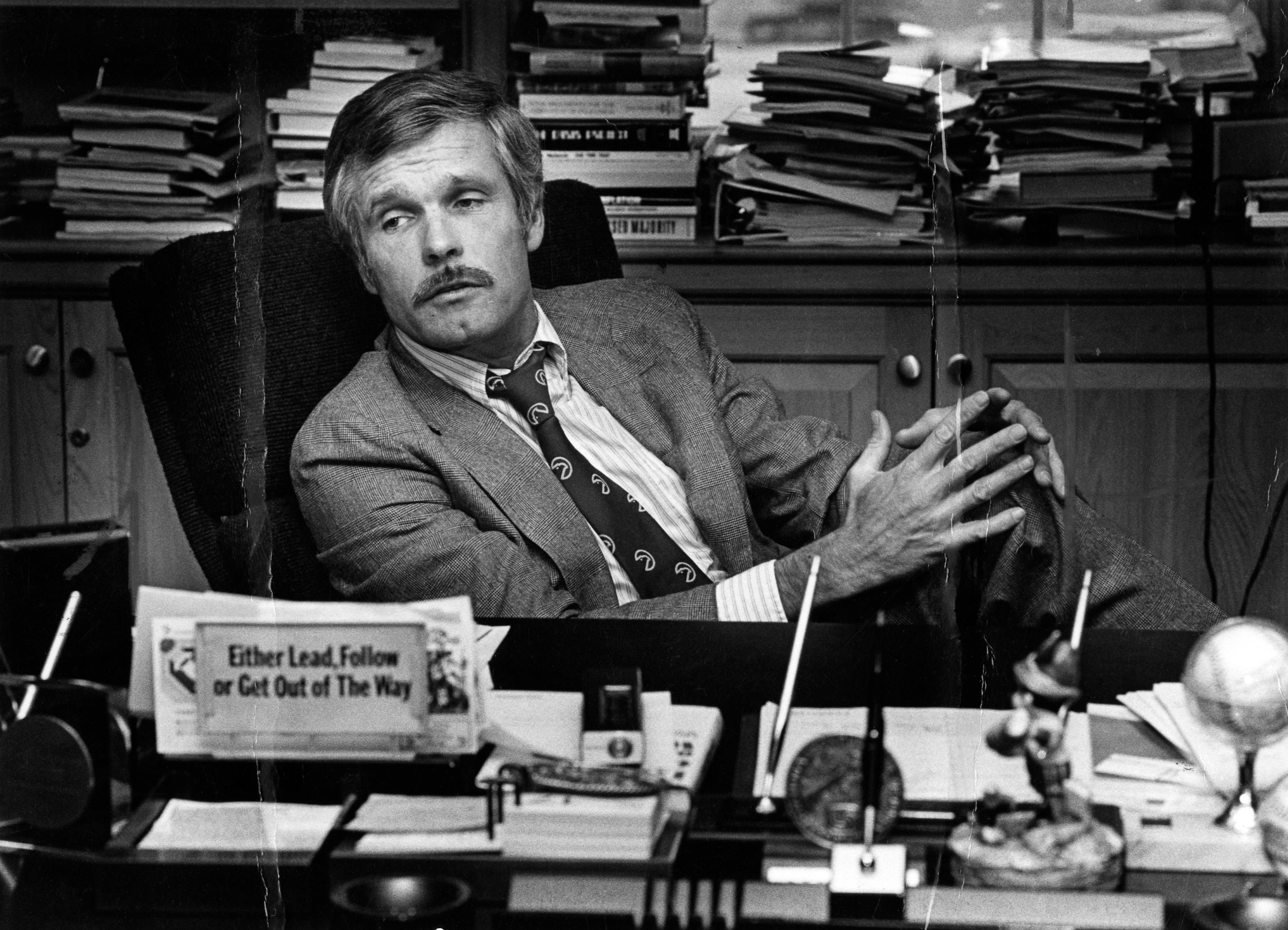
Turner’s signature achievement was creating CNN, the first 24-hour, all-news television network in 1980.
After taking on his father’s billboard company after his death, Turner purchased a small Atlanta television station and began transmitting the station to cable systems across the nation via satellite – greatly expanding the channel’s audience.
He took a chance by starting CNN, sometimes derided as the “chicken noodle network” in the early days of cable television. Turner sued the Reagan Administration to gain access to the White House press poll.
“I didn’t care what [or] how much adversity life threw at me. I intended to get to the top,” he told CBS News in 2008.
CNN became a training ground for young journalists as it tried to find its footing, relaying headlines, sports and other news 24 hours a day, according to NPR.
“Look, we were young and at times very shoddy, but we were the only game in town and we did some extraordinary things,” former CNN executive Eason Jordan told the broadcaster.

CNN’s breakthrough moment came during the Gulf War with Iraq in 1991. While most television journalists fled Baghdad, CNN stayed, capturing arresting images of a war.
Though it created an entirely new standard for cable news, the creation of CNN nearly bankrupted Turner due to its rapid growth and accruing debt.
“I was gonna go broke if I didn’t get things turned around real fast. But I was able to get it refinanced, without government help, I might add, unlike what’s going on today, but we made it. But by the skin on our chinny chin chin. And two years later, we made a run at CBS, unsuccessful, but we did take a swing,” Turner told CBS News.
Eventually, Turner merged his broadcasts with Time Warner in 1996, cementing his status as a giant in the media industry. Although Turner was promised a continued role in CNN after his company’s sale, he was gradually pushed out, much to his regret.
“I made a mistake,” he later said. “The mistake I made was losing control of the company.”
The same year as the merger, television saw the birth of Fox News Channel and the arrival of a new dominant mogul in cable news, Rupert Murdoch – whom Turner publicly feuded with for years.

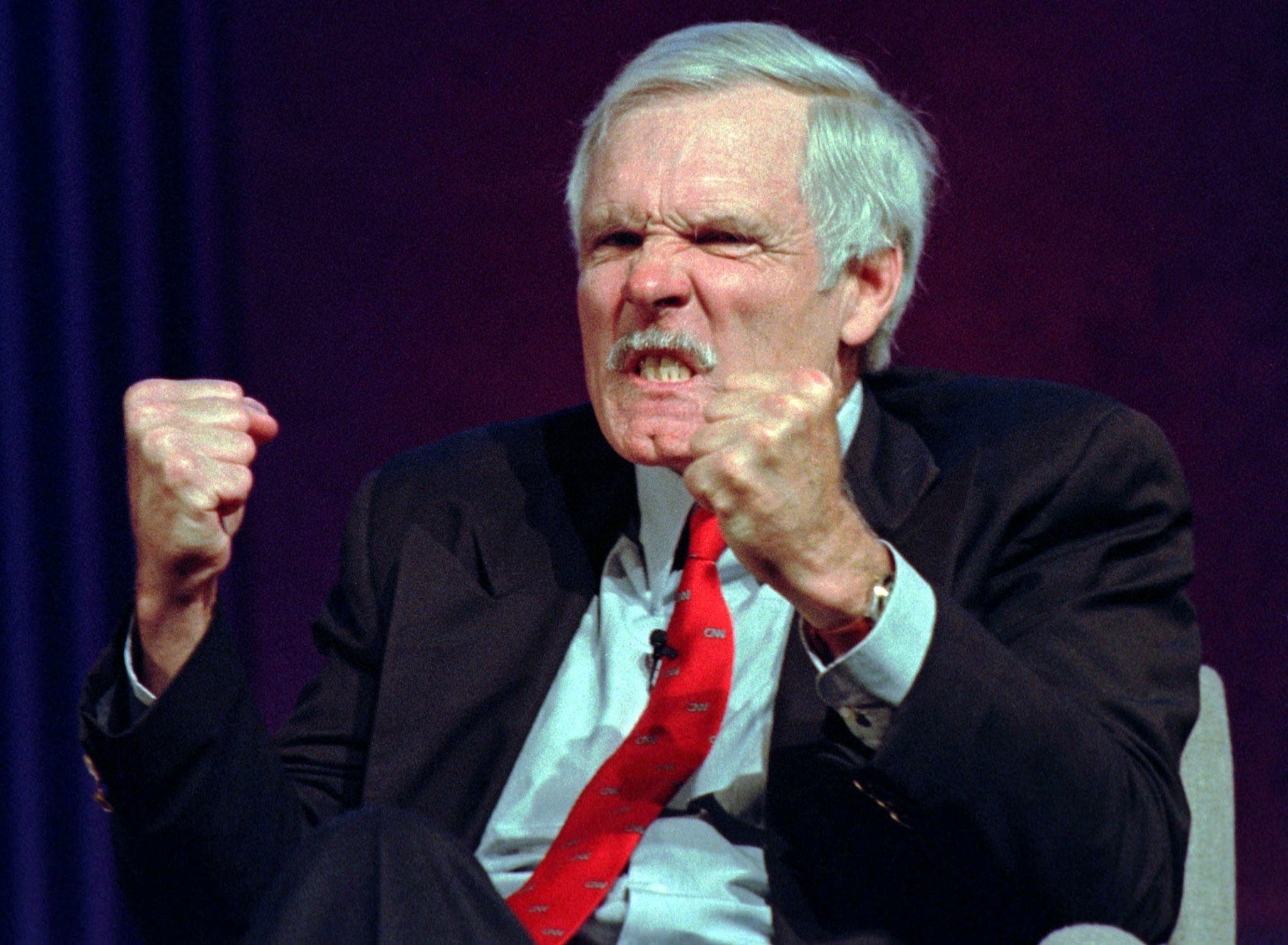
‘The Mouth of the South’
Through the years, Turner’s antics and penchant for making brash, controversial statements occasionally overshadowed his professional activities.
He was expelled from Brown University for living with his girlfriend in a dorm and, seeking to avoid the Vietnam War draft, joined the Coast Guard because “I liked boats,” as he told the Washington Post.
After winning the America’s Cup in 1977, Turner became inebriated and was captured stretched out on the floor at the victory celebration.
Turner managed to insult many with his shoot-from-the-lip style. He once called Christianity a “religion for losers” and referred to CNN employees, who wore ashes on their foreheads for Ash Wednesday, as “Jesus freaks” who should go work at Fox – then a rival network. He later apologized.
He suggested in a speech that unemployed Black people be used to haul mobile missiles with ropes “like the Egyptians building the pyramids.” After civil rights leaders demanded an apology, he said he was just joking.

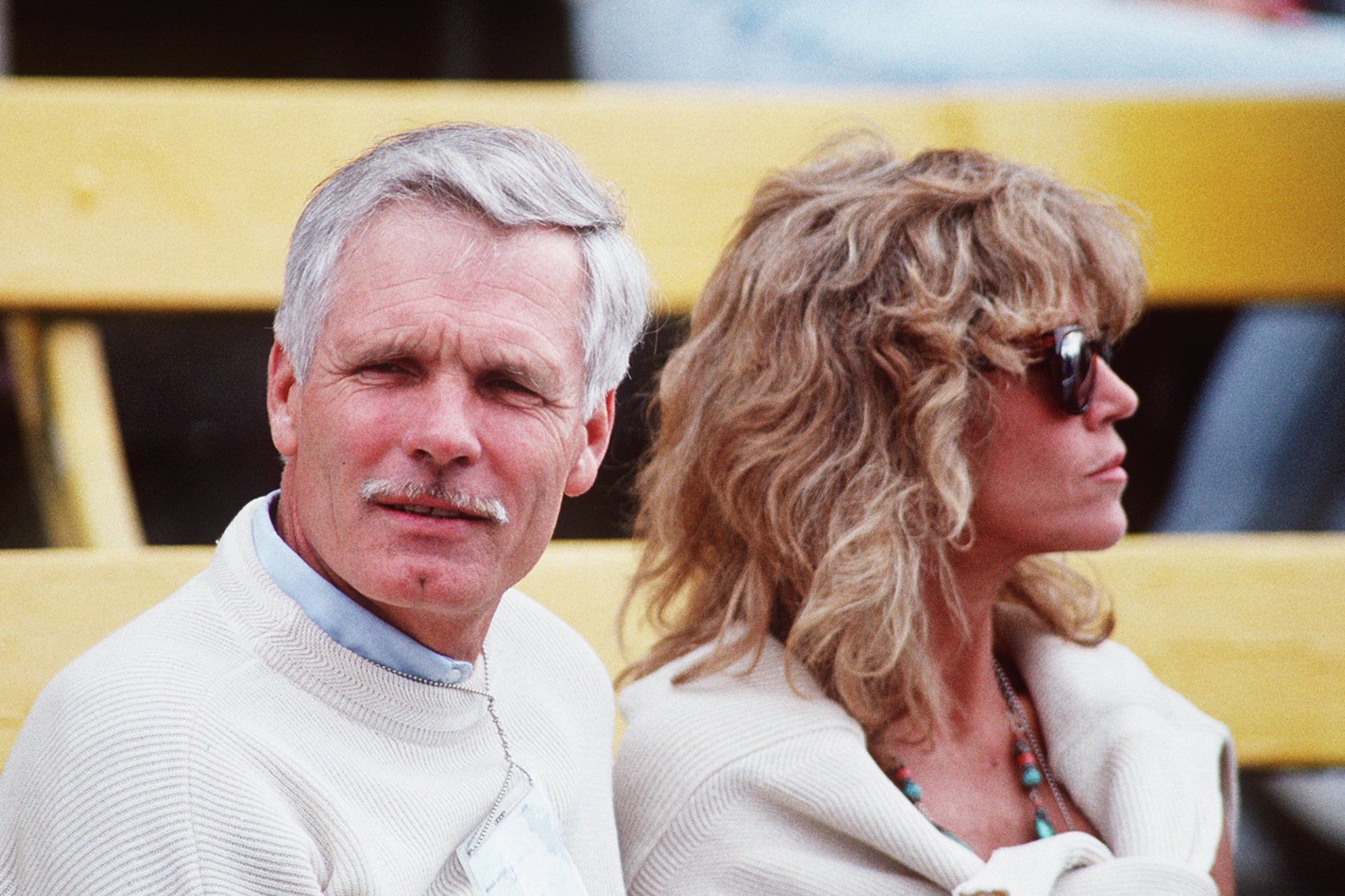
Throughout his life, Turner was married and divorced three times: Judy Nye from 1960 to 1964, Jane Shirely Smith from 1965 to 1988 and Jane Fonda from 1991 to 2001.
In her memoir, “My Life So Far,” Fonda revealed Turner cheated on her early in their relationship. Nevertheless, she referred to him as her “favorite ex-husband.”
A one-time Atlanta Braves manager
Turner went into debt to purchase the Atlanta Braves in 1976, but used his television station to broadcast every game, turning the team into a successful national franchise.
He was well-known for being a hands-on owner – sometimes to a fault. Amid a 16-straight loss streak in 1977, Turner dismissed the Braves’ manager for 10 days to take the helm.
He took charge as the Braves lost against the Pittsburgh Pirates but, ultimately, did not get another chance to manage the franchise because the National League president informed him that he had violated a rule about owners with stock in a team becoming managers.
The following day, Turner returned to his box seats in the audience.
“Managing isn’t all that difficult,” Turner said at the time, according to the New York Times, while sipping beer from a cup during the eighth inning. “Just score more runs than the other guy.”
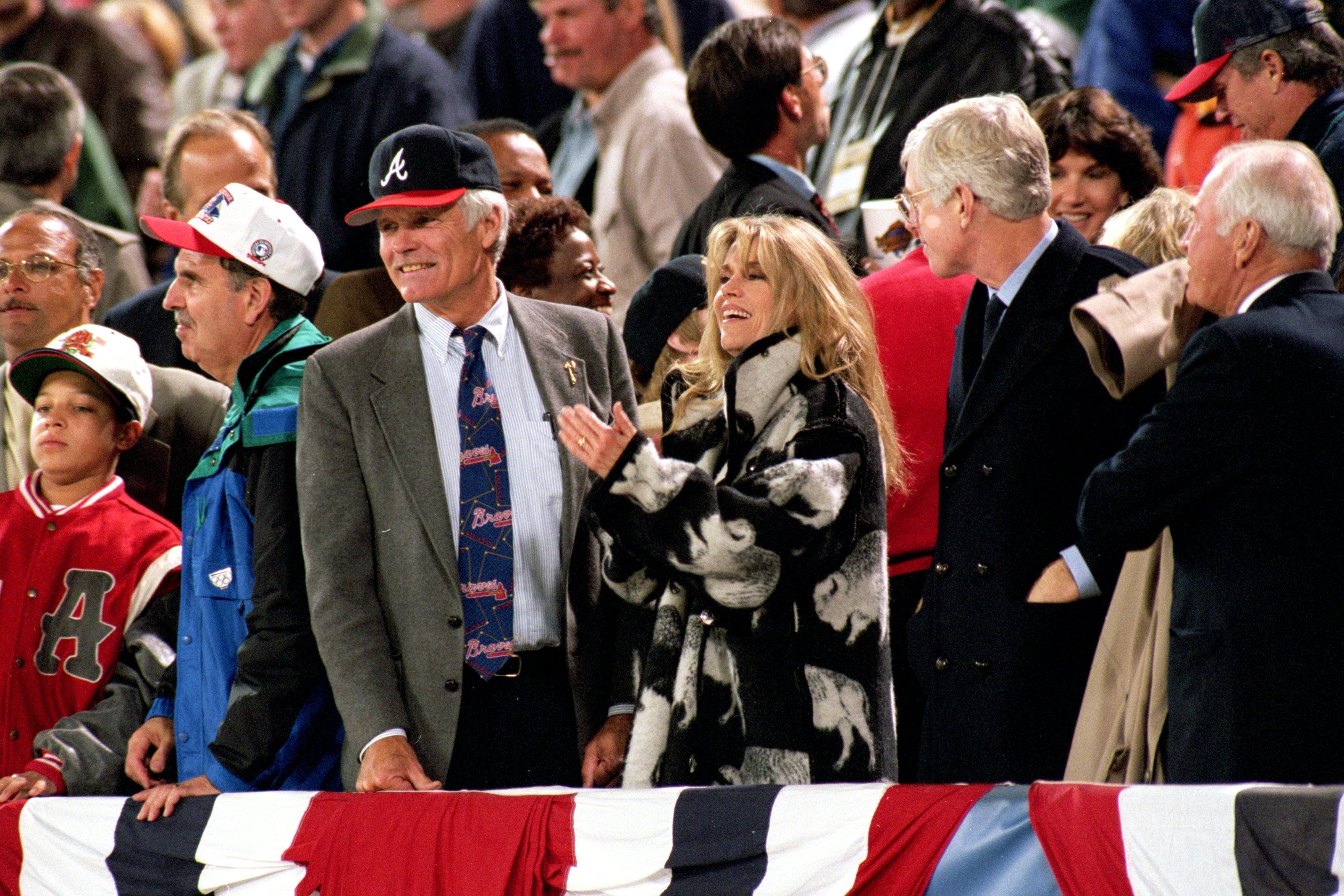
Turner presided over the team during its 1995 World Series championship, as well as for the construction of Turner Field in 1996, which became a key venue for the Atlanta Olympics, The Athletic reports. He sold control in 1996.
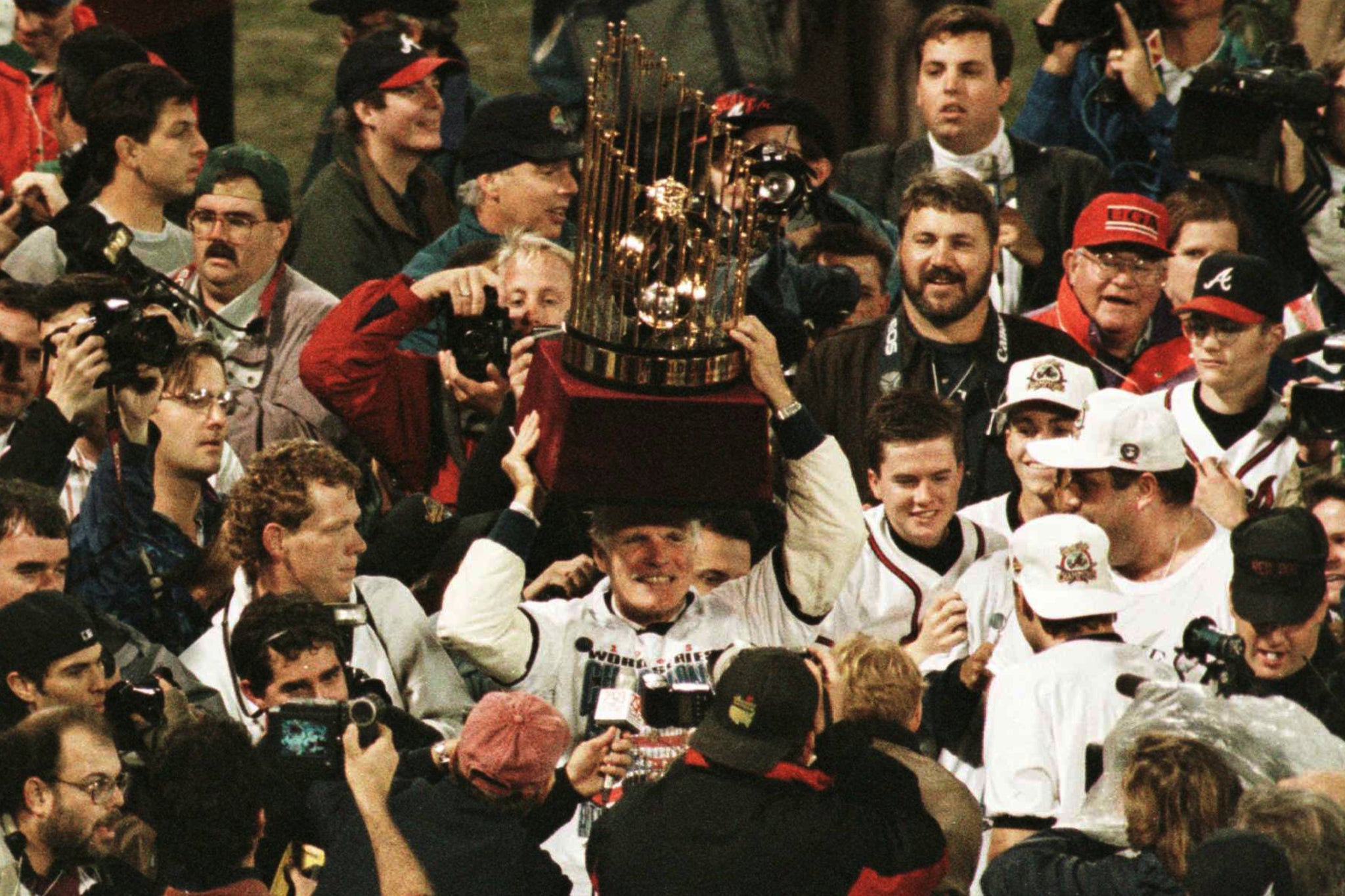
In a statement, the Braves called Turner “one of a kind – a brilliant businessman, consummate showman and passionate fan.”
“Under his stewardship, the ballclub experienced one of the greatest runs of sustained success in Major League Baseball history and brought a World Series championship to Atlanta in 1995,” the Atlanta Braves said.
A focus on environmentalism and charity
Turner dedicated much of his life to environmentalism, amassing more than two billion acres of land for preservation, becoming one of North America’s largest private landholders.
He often spoke of reviving the West’s bison herd, eventually managing over 45,000 bison around his various ranches and serving bison burgers at his restaurant chain, Ted’s Montana Grill.
He became a prolific philanthropist, pleading $1 billion to the United Nations Foundation in 1997 to focus on aiding women and children, promoting clean energy and climate, as well as fighting disease.
In 2001, he co-founded the Nuclear Threat Initiative, a nonprofit aimed at reducing nuclear, biological and emerging cyber threats.
Turner is survived by his five children, 14 grandchildren and two great-grandchildren.
Robert Edward Turner III was born on November 19, 1938, and died at 87-years-old on May 6, 2026.