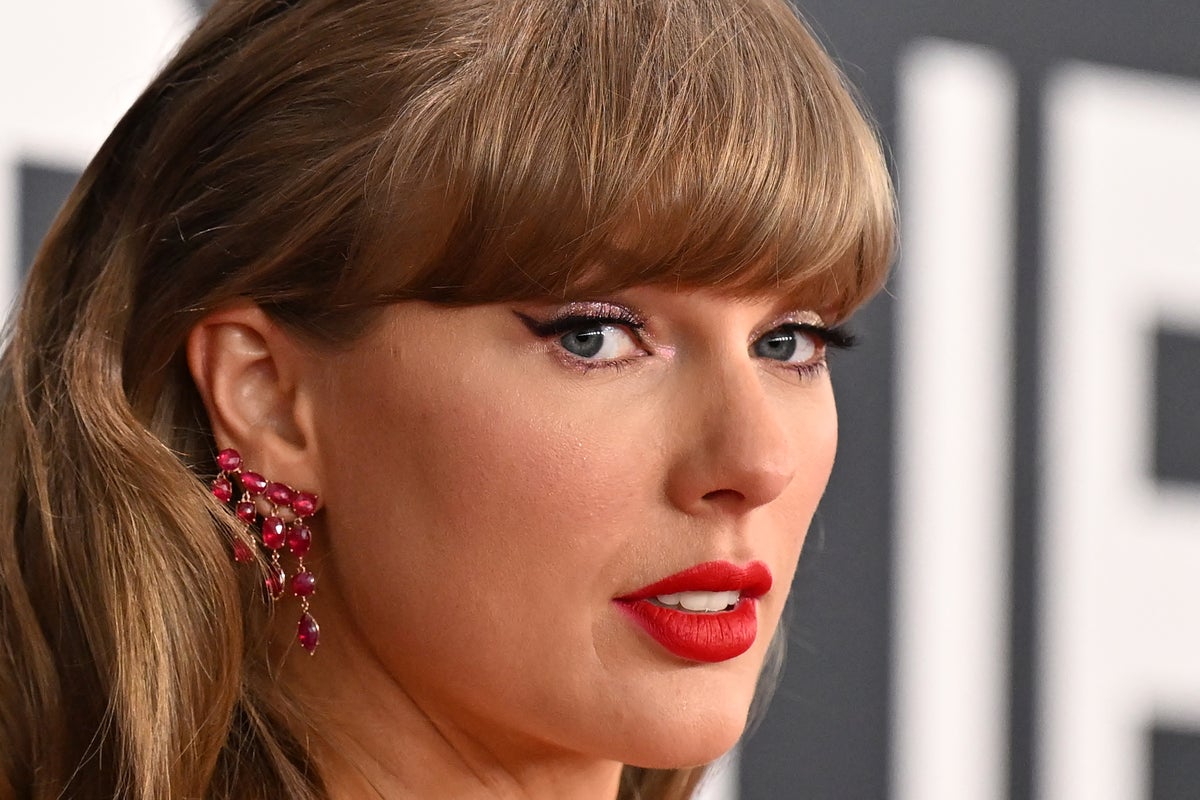
Taylor Swift has filed trademark applications covering her voice and likeness, apparently in a bid to halt the creation of artificial intelligence deepfakes.
The pop superstar, who was recently named as Spotify’s most-streamed artist of all time, submitted two sound trademarks covering her voice, one including the phrase “Hey, it’s Taylor Swift,” and the other simply “Hey, it’s Taylor.”
She also filed to trademark an image of herself holding a pink guitar during her record-breaking “Eras” tour.
In a blog post, intellectual-property attorney Josh Gerben (who does not represent Swift) argued that is likely the filings are intended to protect Swift from unauthorized AI versions of herself being created.
“Theoretically, if a lawsuit were to be filed over an AI using Swift’s voice, she could claim that any use of her voice that sounds like the registered trademark violates her trademark rights,” wrote Gerben.

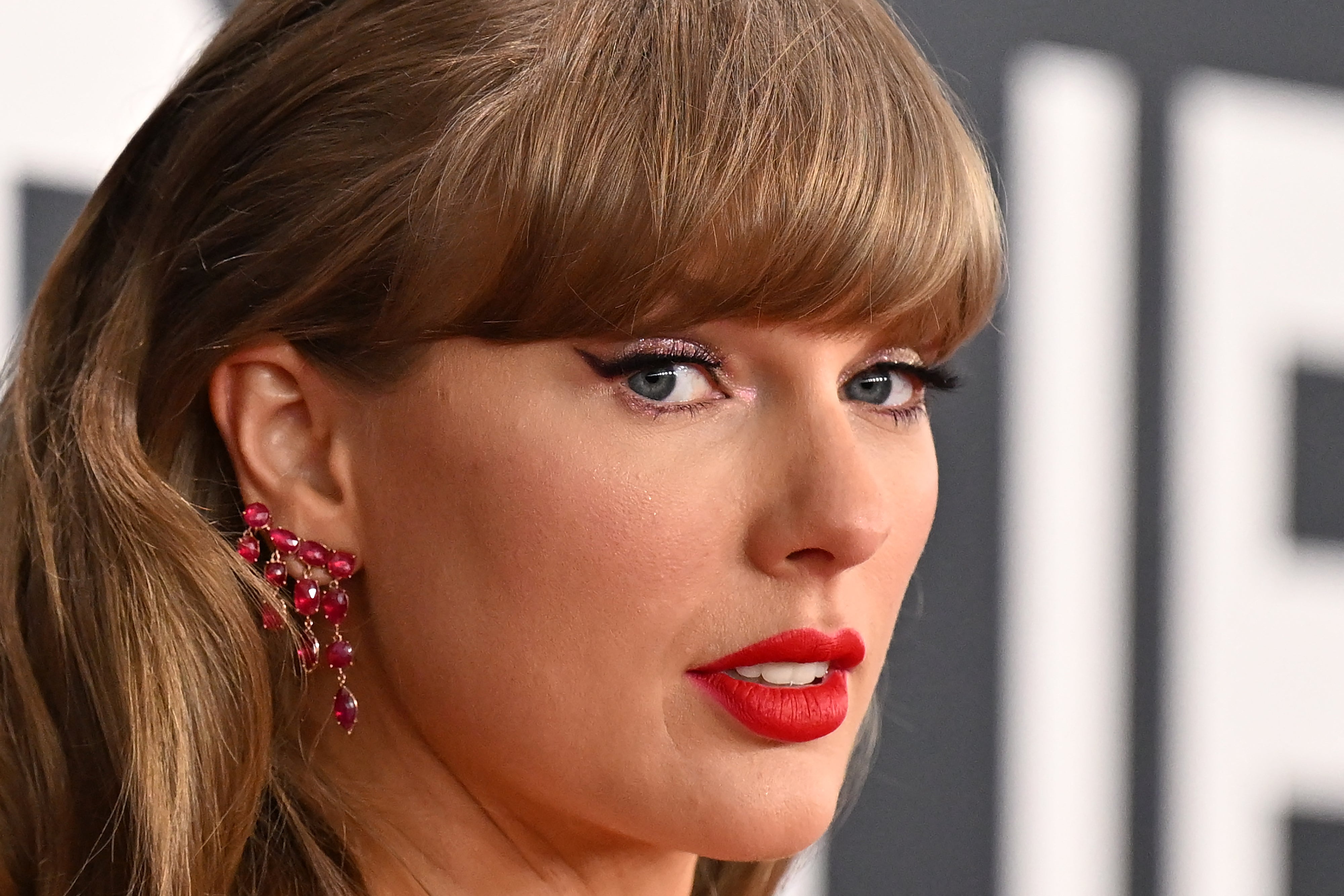
Gerben continued: “The image-based filing serves a similar purpose. By protecting a distinctive visual, down to Swift’s commonly worn jumpsuit and pose, Swift’s team may gain additional grounds to pursue claims against manipulated or AI-generated images that evoke her likeness.”
Last year, actor Matthew McConaughey was granted a trademark for his signature catchphrase “alright, alright, alright” in a similar legal move.
Attorneys for the entertainment law firm Yorn Levine, representing McConaughey, applied for the protection in December 2023, but the U.S. Patent and Trademark Office approved the trademark in December 2025.


Enjoy unlimited access to 100 million ad-free songs and podcasts with Amazon Music
Sign up now for a 30-day free trial. Terms apply.
Try for free
ADVERTISEMENT. If you sign up to this service we will earn commission. This revenue helps to fund journalism across The Independent.
Enjoy unlimited access to 100 million ad-free songs and podcasts with Amazon Music
Sign up now for a 30-day free trial. Terms apply.
Try for free
ADVERTISEMENT. If you sign up to this service we will earn commission. This revenue helps to fund journalism across The Independent.
While state consumer protection laws already protect celebrities from having their likeness replicated to sell products, McConaughey’s trademark strategy means that the Interstellar actor will now have grounds to sue in federal court over general “misuse” on the internet, even if misleading AI videos using his image are not explicitly selling anything.
Yorn Levine founder and lawyer Kevin Yorn said in a statement shared with The Independent: “We embrace AI, invest in it, and actively support its evolution. Progress, however, should have boundaries. Protecting individual voice, image, and intellectual property is essential to building a future that works for everyone. Along with Matthew, we are forward-looking, engaged in the possibilities of AI, and thoughtful about how everyone’s creative identity is represented and protected.”
McConaughey told the Wall Street Journal: “My team and I want to know that when my voice or likeness is ever used, it’s because I approved and signed off on it. We want to create a clear perimeter around ownership with consent and attribution the norm in an AI world.”