
-(1)-(1).jpg?width=1200&height=800&crop=1200:800)
In 1968, Taj Mahal was onstage at the Whisky a Go Go in Los Angeles when he looked out and realised he was performing to a who’s who of British rock music. “Three of the Stones were dancing, along with three of The Animals,” he remembers. “Eric Clapton was in the back of the room. There was a current going back and forth.”
The young stars of the British Invasion all borrowed heavily from the blues, and were intoxicated by Mahal’s thrillingly electrified version of American roots music. In turn, the then 26-year-old had grown up in the States tuning in to UK radio shows. After his set, he approached Mick Jagger and asked him to let him know if there was ever an opportunity for his band to play in England.
“Three months later, they sent us eight first class round-trip tickets,” remembers Mahal. “We went over and they treated us absolutely the best we’d ever been treated by anybody.” The Rolling Stones invited him to perform at their Rock and Roll Circus, a star-studded concert also featuring John Lennon and The Who. “It was wonderful,” recalls Mahal. “We were travelling with the Stones and wherever they went, it was happening.”
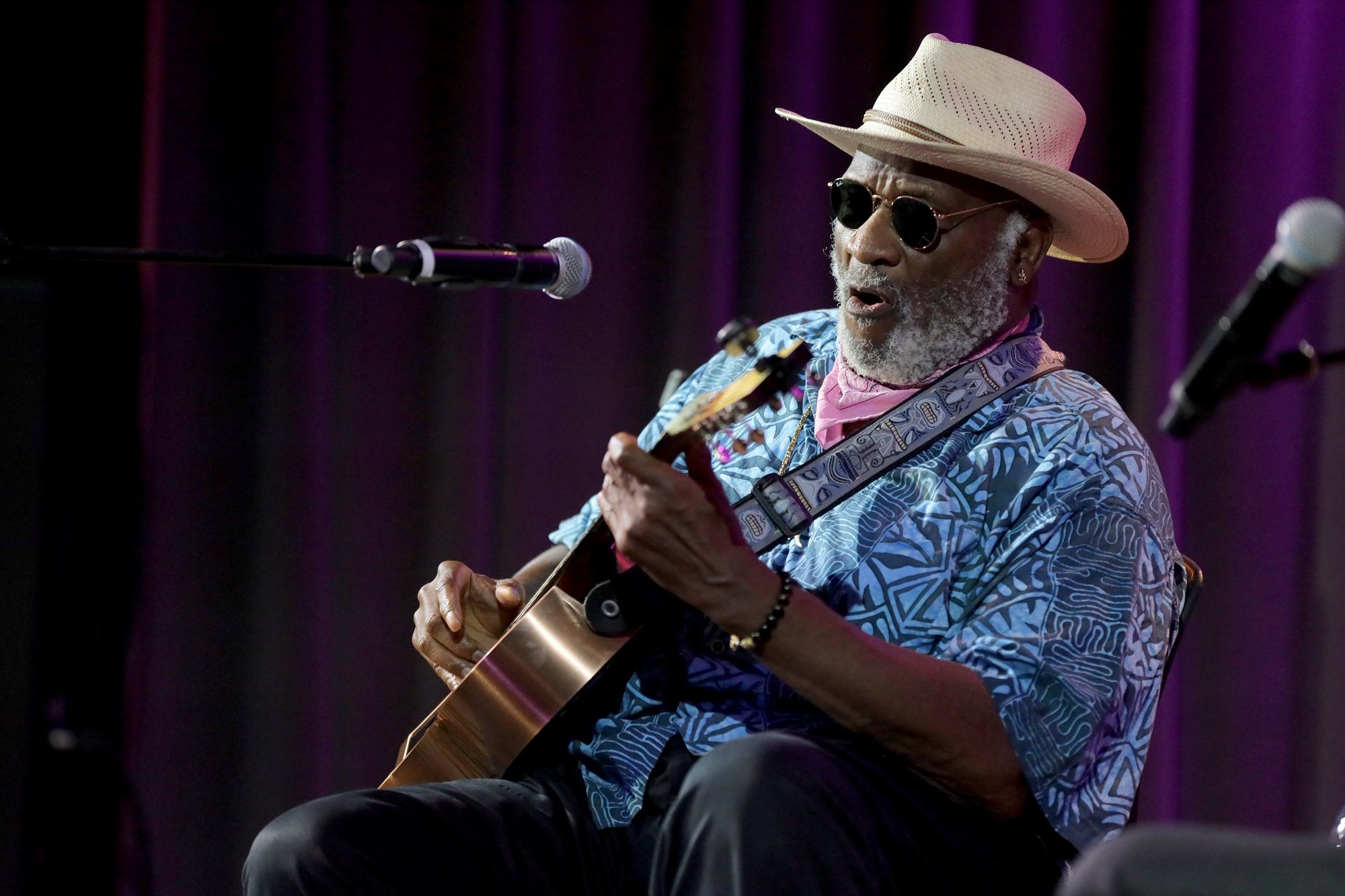
Almost six decades later, Mahal, now 83, is backstage in Los Angeles again, preparing for a show at the grand Art Deco venue The Wiltern. In the intervening years, the seasoned bluesman has become a Grammy winner five times over and released more than 40 records, and he’s not slowing down yet. His breezy, upbeat new album, Time, has him collaborating with his old friend Bob Marley’s son Ziggy and recording a previously unheard Bill Withers tune.
We meet a couple of hours before showtime. Mahal is dressed in a black baseball jacket and dark circular shades, with a red neckerchief tied under his snowy white beard. It appears he’s lost none of his enthusiasm for life on the road as he happily holds court from his leather armchair, speaking in a low, resonant drawl. “It’s all about the music,” he says nonchalantly. “I love the people, and like to see them enjoying it.”

Mahal has been immersed in music his whole life. His father, Henry St Claire Fredericks Sr, was a composer and arranger who worked with Ella Fitzgerald at a time when she was regularly performing at the Savoy Ballroom in Harlem, New York. She called him “the genius”.
“That’s because he was!” says Mahal. “He was an all-around musician, a classically trained Caribbean piano player who played jazz, jump blues and swing.” Yet his father gave up his career after he married Mahal’s mother, having met at one of Fitzgerald’s Savoy shows: “He wanted to have a big family, and he wasn’t going to be able to do that on a musician’s salary.”
After the family moved north to Springfield, Massachusetts, his mother sang in a gospel choir and Mahal used a shortwave crystal radio to tune into music from all around the world. Still, by the time he was a teenager, he was working on a dairy farm; he thought music might just be something he did between milking cows and growing corn.


Enjoy unlimited access to 100 million ad-free songs and podcasts with Amazon Music
Sign up now for a 30-day free trial. Terms apply.
Try for free
ADVERTISEMENT. If you sign up to this service we will earn commission. This revenue helps to fund journalism across The Independent.
Enjoy unlimited access to 100 million ad-free songs and podcasts with Amazon Music
Sign up now for a 30-day free trial. Terms apply.
Try for free
ADVERTISEMENT. If you sign up to this service we will earn commission. This revenue helps to fund journalism across The Independent.
“I knew from ancient tradition that music always accompanies whatever it is that we did,” he says. “I would have played it on my back porch on the farm, or wherever, but I never had enough collateral to buy a farm, so music came and got me! I came out to California, hooked up with Ry Cooder, and things started rolling.”
Henry Jr adopted his monumental stage name at the start of the 1960s, inspired by dreams he had about Mahatma Gandhi’s nonviolent resistance campaigns in India. In 1964, he heard about Cooder’s talent as a guitar player and moved to Santa Monica to meet him. They formed a band, Rising Sons, and played shows at LA folk club the Ash Grove, famed for hosting the likes of Big Mama Thornton, Howlin’ Wolf and Muddy Waters.

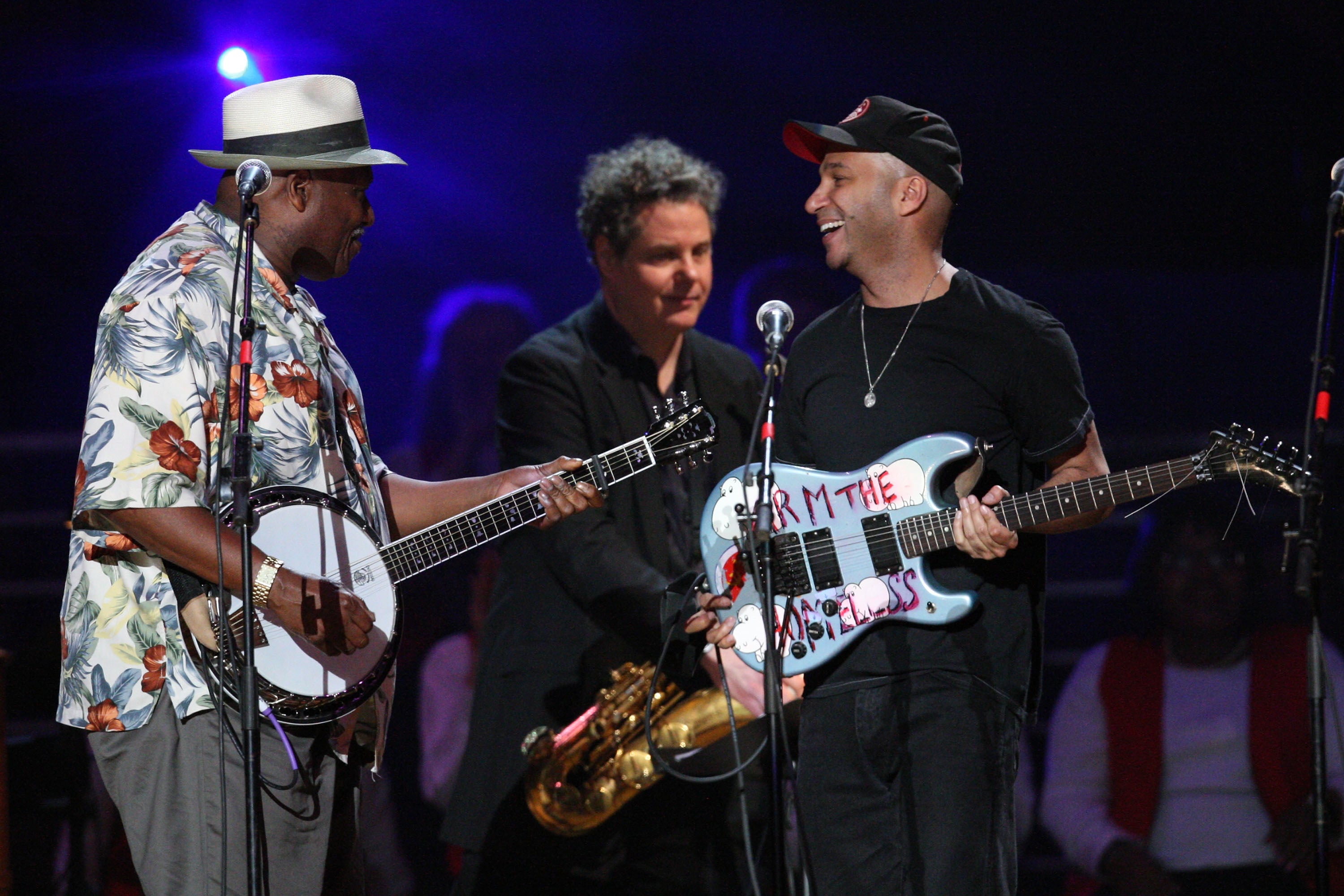
After Rising Sons split in 1966, Mahal released both his first two solo albums in 1968: his self-titled debut and follow-up The Natch’l Blues, which included his own compositions such as “She Caught The Katy (And Left Me a Mule to Ride)”. The song later found a wider audience when avowed fan John Belushi covered it as the theme to the 1980 comedy-musical The Blues Brothers. “All I wanted to do was eventually be able to write good tunes,” says Mahal, with a modest grin. “I’ve had some success with that.”
In the early 1970s, Mahal began to incorporate more Caribbean sounds into his music on records such as 1974’s reggae-inspired Mo’ Roots, which featured Wailers bassist Aston “Family Man” Barrett. During the recording, he got to know Bob Marley, who was working on his own album Natty Dread. “He came to my house and we were trying to create something together,” he remembers. “But we never got around to it.”
On Time, he and Marley’s son Ziggy duet on the Natty Dread track “Talkin’ Blues”, a song Mahal reveals he helped inspire. “‘Talkin’ Blues’ is about me!” he says. “Bob sings: ‘I’ve been down on the rock so long/ I seem to wear a permanent screw’. Who came up with that? ‘I had the blues, so bad/ One time it put my face/ In a permanent frown’ [from Mahal’s ‘Cakewalk into Town’]. I appreciated that! Bob was a competitive person, but we always had a good rapport.”
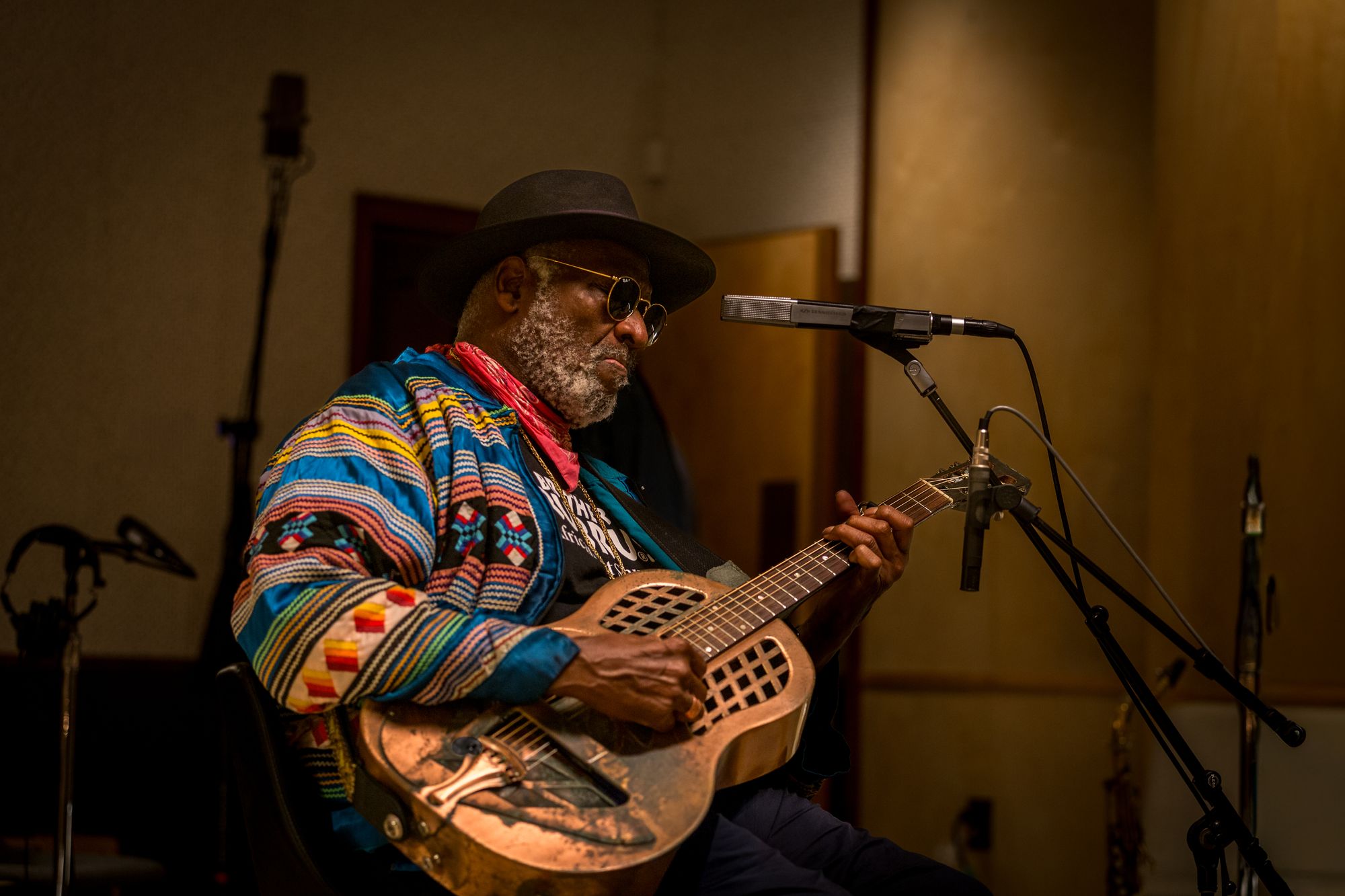
Before long, he’ll be on stage wiggling, growling and kissing the air as he delights an exuberant audience with one of the new album’s highlights, his version of “Wild About My Lovin’”, a song first recorded a century ago. “We’ve taken an old blues tune and put some Caribbean hot sauce on it,” he beams. “It’s an oldie, but a goodie.”
“Wild About My Lovin’” is far from the first time Mahal has taken a nearly forgotten blues tune and used his particular brand of spice to revive it. He’s been a preservationist and an interpreter longer than he’s been a songwriter. His first album was all reinvented covers, including a famous arrangement of Blind Willie McTell’s “Statesboro Blues” with slide guitar by Jesse Ed Davis that inspired the Allman Brothers Band to record a similar version.
On Time, he sprinkles his magic on the title track, based on a Bill Withers demo the soul singer wrote but never released before his death in 2020. Withers was a major star in the 1970s, but by the mid-Eighties he had largely stopped recording – in part due to the musician’s conflict with record company executives.
“For me, it’s an example of the industry being so ignorant, with their heads up their keisters,” says Mahal. “He was a complete creative, and they were telling him he had to use synthesisers and speed up his music! Bill was somebody I really liked, and if they had not gotten in his way, think how much more music you would be able to hear. Every time he did something, it sounded like him, but it sounded new.”
.jpg)
Mahal has a nomadic musical spirit, one which has seen him draw inspiration from everywhere from Mali to India. All of those global influences filtered into the music he made with the Phantom Blues Band, a backing group built around drummer Tony Braunagel, bassist Larry Fulcher and guitarist Johnny Lee Schell. Their collaborations helped Mahal win back-to-back Grammys in the late 1990s and produced some of his best-loved songs, including “Lovin’ In My Baby’s Eyes”.
Mahal wrote that song while caring for one of his daughters, Deva. “I think she must have been about three,” he recalls. “She was on the veranda, looking up at me. I looked at her, and energy went back and forth. We were communicating. She was smiling. That stuck in my head: ‘Loving in my baby’s eyes.’”

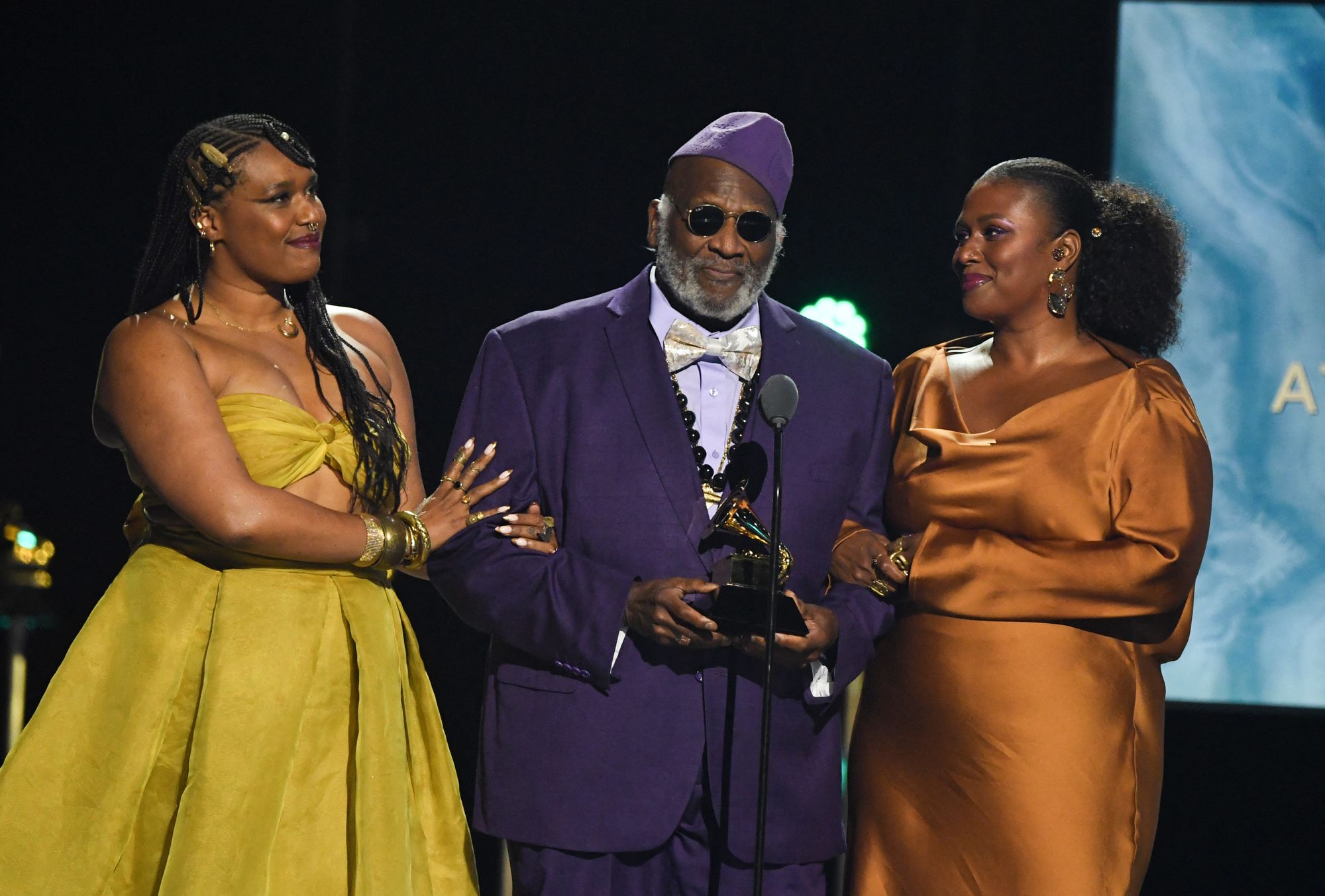
He reunites with the Phantom Blues Band again on Time, a record that demonstrates – much like tonight’s live show – the ease with which Mahal can slip between country-fried banjo hoedowns, New Orleans-style funk and sun-kissed reggae.
His first love, however, remains the blues. He closes Time with a playful cover of “Rowdy Blues”, one of only two songs known to have survived from the sole 1929 recording session by the enigmatic Delta bluesman Kid Bailey. Even after all these years, Mahal says, there are still plenty of older songs worth bringing to a new audience.
“I love that ‘Rowdy Blues’, and when we play it we have a good time,” he says. “This is not dead music! You will never chew all the flavour out of the blues. No way. Jazz will give you back your mind, reggae will give you back your body, but the blues? The blues will give you back your soul.”
Taj Mahal & the Phantom Blues Band’s ‘Time’ is out now