The Supreme Court handed President Donald Trump another win Monday, allowing him and future presidents to fire the heads of independent federal agencies – though they declined to allow him to fire Federal Reserve Governor Lisa Cook.
In decisions handed down on one of the last days of the Supreme Court’s term, the justices first declined to take up the president’s request that they allow him to fire Cook on allegations of mortgage fraud, thwarting his attempts to install his allies on the Federal Reserve.
The decision in Trump v. Cook means Cook will remain on the Board of Governors.
But in Trump v. Slaughter, the court ruled 6-3 that the president had the authority to fire the leaders of independent agencies, reversing the 91-year-old precedent set in Humphrey’s Executor v. United States, which determined Congress is permitted to limit the president’s power to fire certain government officials.
The case is just the latest example of the Supreme Court repeatedly awarding Trump’s request to expand his executive power. Over the last two years, the conservative majority has granted the president immunity from official actions, restricted nationwide injunctions to allow some of his policies to move forward, and consistently responded to the administration’s emergency requests via the shadow docket.
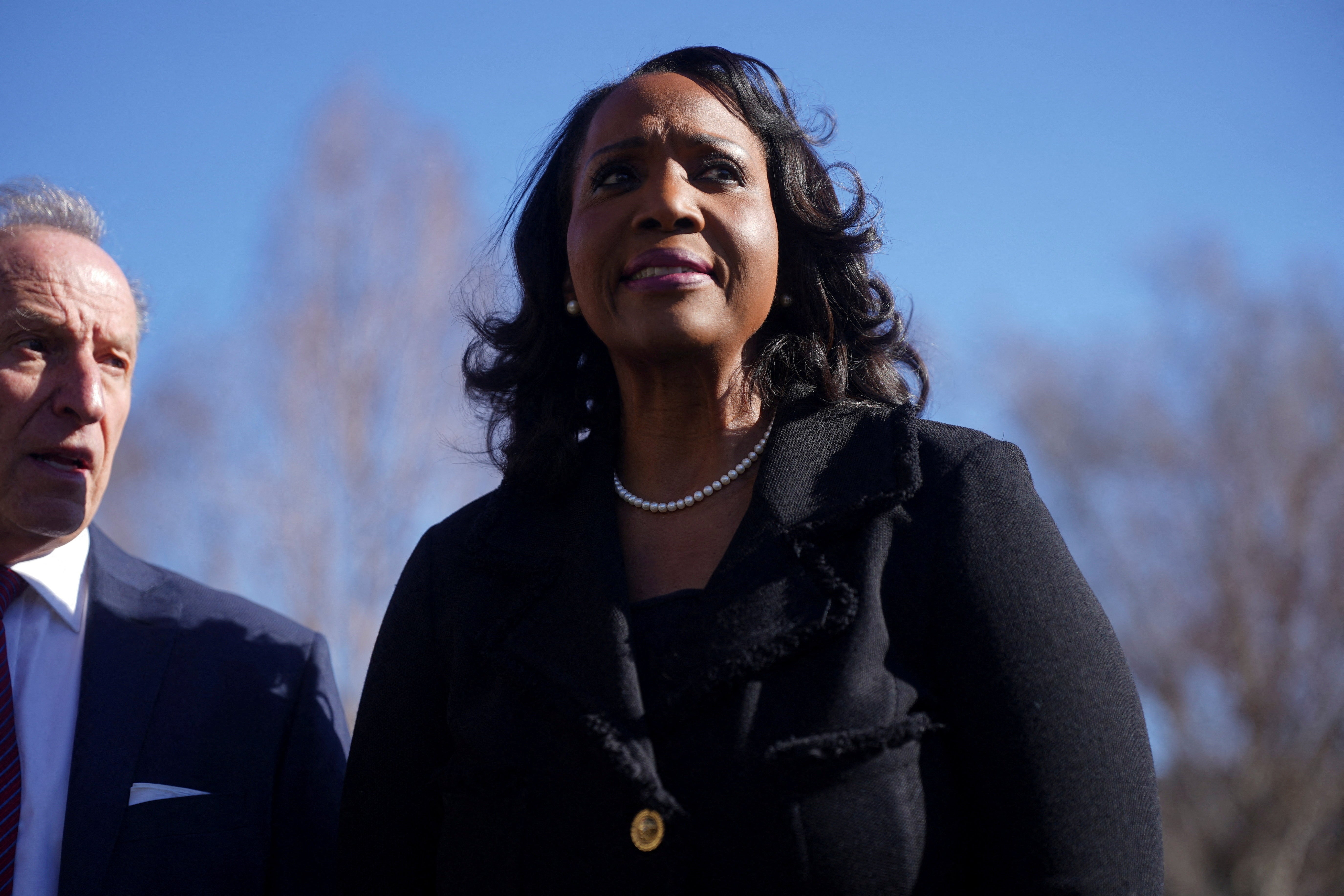
Trump attempted to remove Cook, who has been a Federal Reserve governor since 2022, in August, citing accusations that she made false statements on one or more mortgage applications.
The Federal Reserve Act of 1913 gives the president the power to remove a person from the Federal Reserve’s Board of Governors “for cause” – however, the statute fails to define what “for cause” means.
Bill Pulte, the director of the Federal Housing Finance Agency, claimed Cook had declared two separate properties to be her primary residence, one in Michigan and one in Georgia, to obtain favorable terms.
Cook denied the allegations, saying she had always referred to her condo in Atlanta as a “vacation home” in documents.
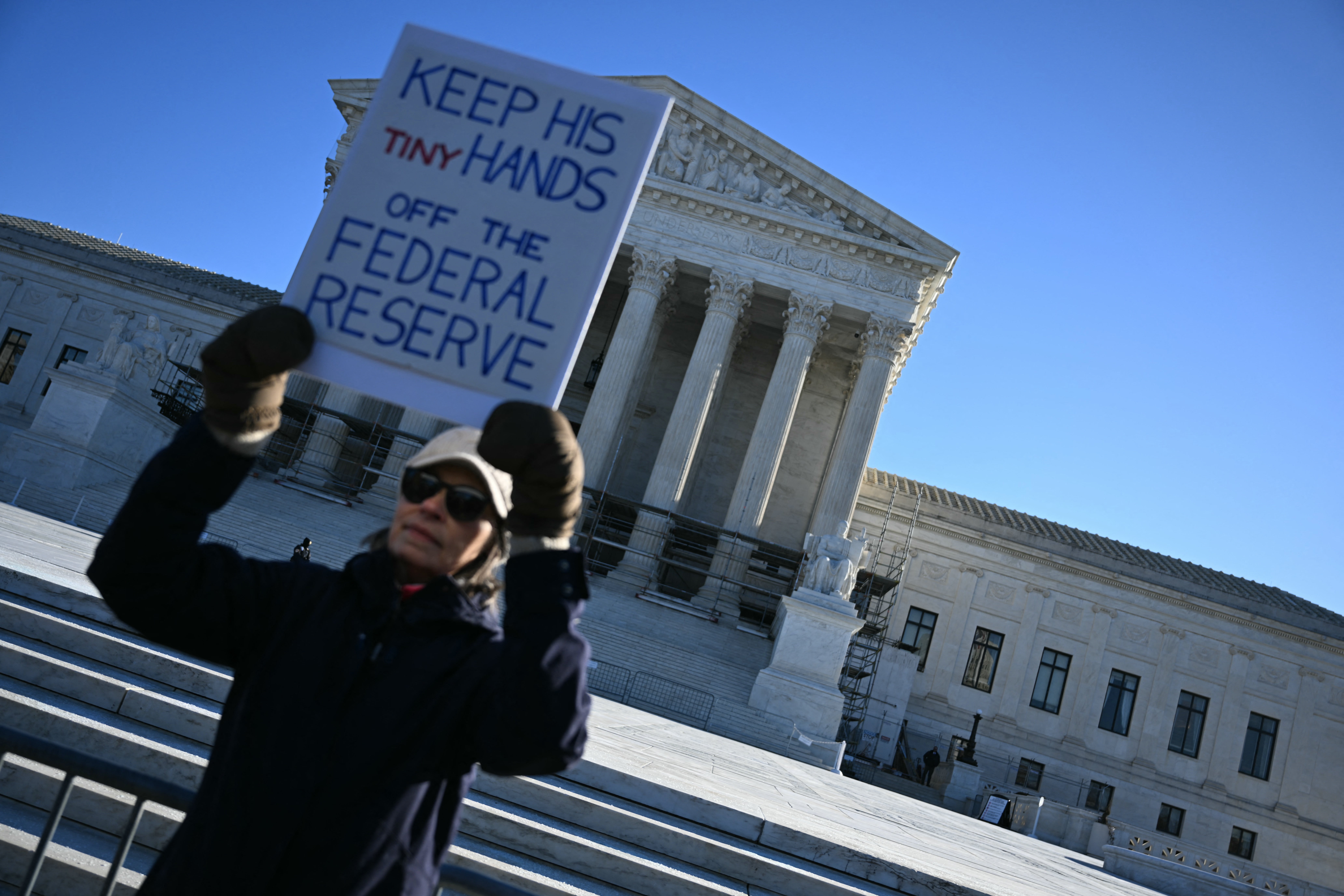
During oral arguments in January, justices from across the ideological spectrum cautioned that a ruling in favor of Trump could undermine the Federal Reserve’s independence. The Fed was deliberately established separately from the White House and Congress to prevent politics from influencing monetary decisions, such as setting interest rates.
In the other case, Trump fired Rebecca Slaughter and another Democratic appointee from the Federal Trade Commission in March 2025, seeking to stack his government with loyal officials while also dramatically downsizing the size of the federal workforce.
The president removed Slaughter, claiming she was “inconsistent” with his administration’s priorities, and cited his Article II power as justification.
Slaughter sued, arguing that while the Federal Trade Commission Act of 1914 gives the president the power to remove an FTC commissioner, that can only be for “inefficiency, neglect of duty or malfeasance in office.”
At least two other former officials, also ousted by Trump on similar terms, have sued the administration. The Supreme Court temporarily allowed the administration to fire them while the case was being argued.
The ruling could have a domino effect on a dozen other independent agencies that enjoyed protections against arbitrary firings, including the National Labor Relations Board, the Merit Systems Protection Board, the Consumer Financial Protection Bureau and more.
“Fighting for the rule of law, for checks and balances, and for a government that is accountable to the people of the United States and not to the oligarchy is something that is not going to stop being important to me, whatever happens in this case,” Slaughter told Vanderbilt Law School in April.
This is a breaking news story, more follows…