


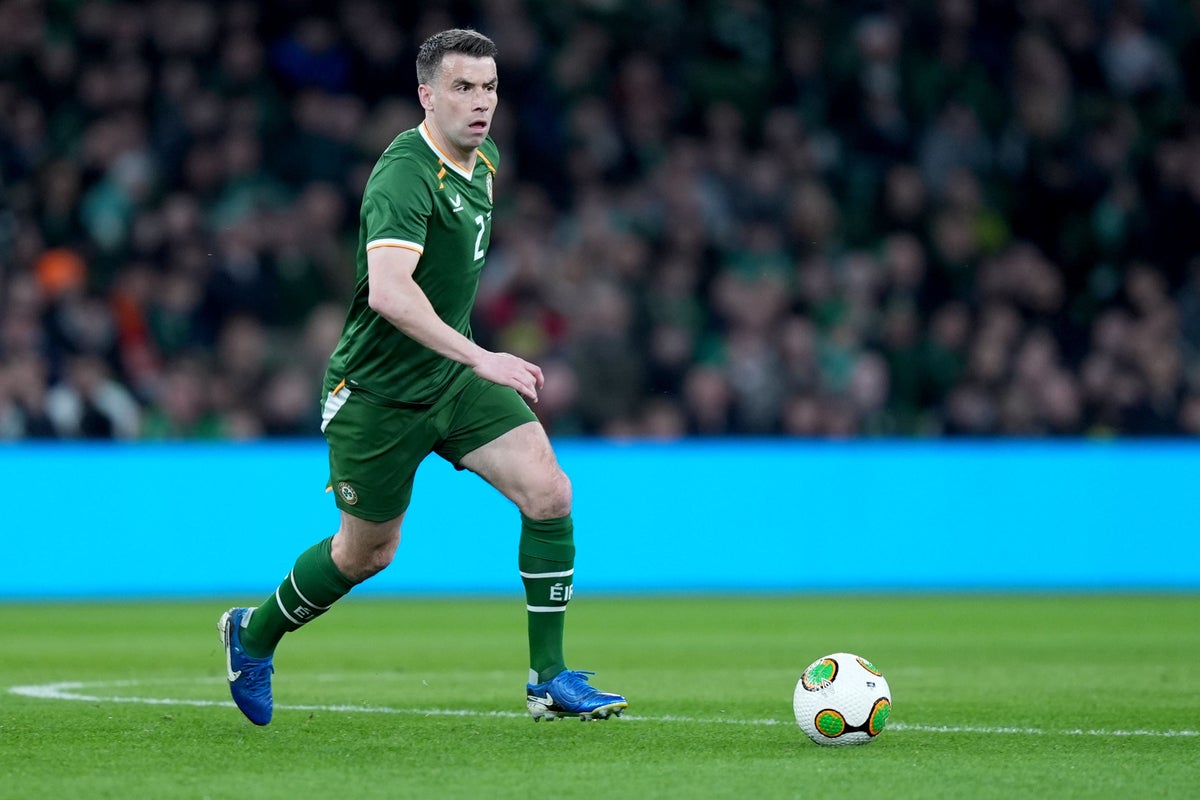
Republic of Ireland’s upcoming Nations League fixture against Israel will be played behind closed doors in Serbia, the Football Association of Ireland (FAI) confirmed on Monday.
The match, scheduled for 4 October, will take place at the TSC Arena in Bačka Topola, northern Serbia, a decision approved by European football’s governing body, Uefa.
This relocation follows an earlier announcement by the FAI that the game would be held at a neutral venue. The teams are also set to meet on 27 September for Israel’s ‘home’ game, which will be staged in Debrecen, Hungary.
The decision comes amid significant controversy, with calls for Ireland to boycott the matches against Israel.
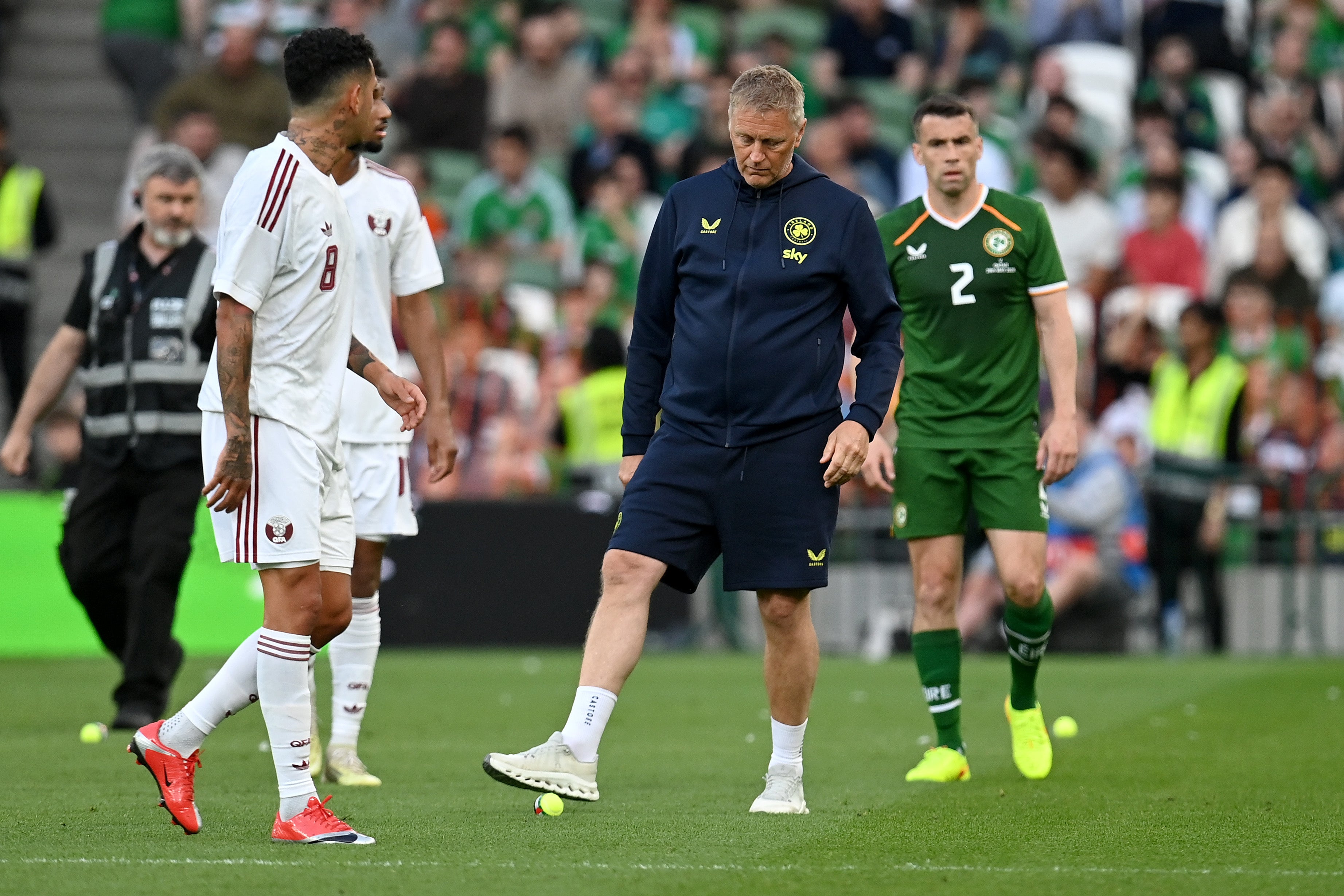
Activists previously disrupted a home friendly against Qatar by throwing tennis balls onto the pitch, bearing “Stop the Game” messages in protest of the Nations League fixtures.
The FAI has resisted calls for a boycott, arguing that such action could jeopardise Ireland’s prospects of qualifying for the 2028 European Championship, which the nation is co-hosting with Britain.
The federation also revealed it had previously urged Uefa to suspend the Israel Football Association from its competitions, citing Israel’s military actions in Gaza.
Confirming Ireland’s participation in the match earlier this month, the FAI wrote in a statement: “Following consultation with various stakeholders, the Association is of the view that operational challenges could impact on the delivery of the game on home soil, so the fixture will be played away from the Aviva Stadium.
“The Association thanks An Garda Síochana (Irish police) for their support and advice over recent months and states that the decision to relocate to a neutral venue is one that has been considered an appropriate course of action by the FAI Board with the support of Uefa.”
Neither Republic of Ireland nor Israel secured qualification for the ongoing 2026 World Cup.
Republic of Ireland are due to co-host Euro 2028 with the UK but automatic qualification for hosts is no longer guaranteed.
This means that they will have to go through the qualification process alongside England, Scotland, Wales and Northern Ireland to earn their right to play in the 2028 tournament.