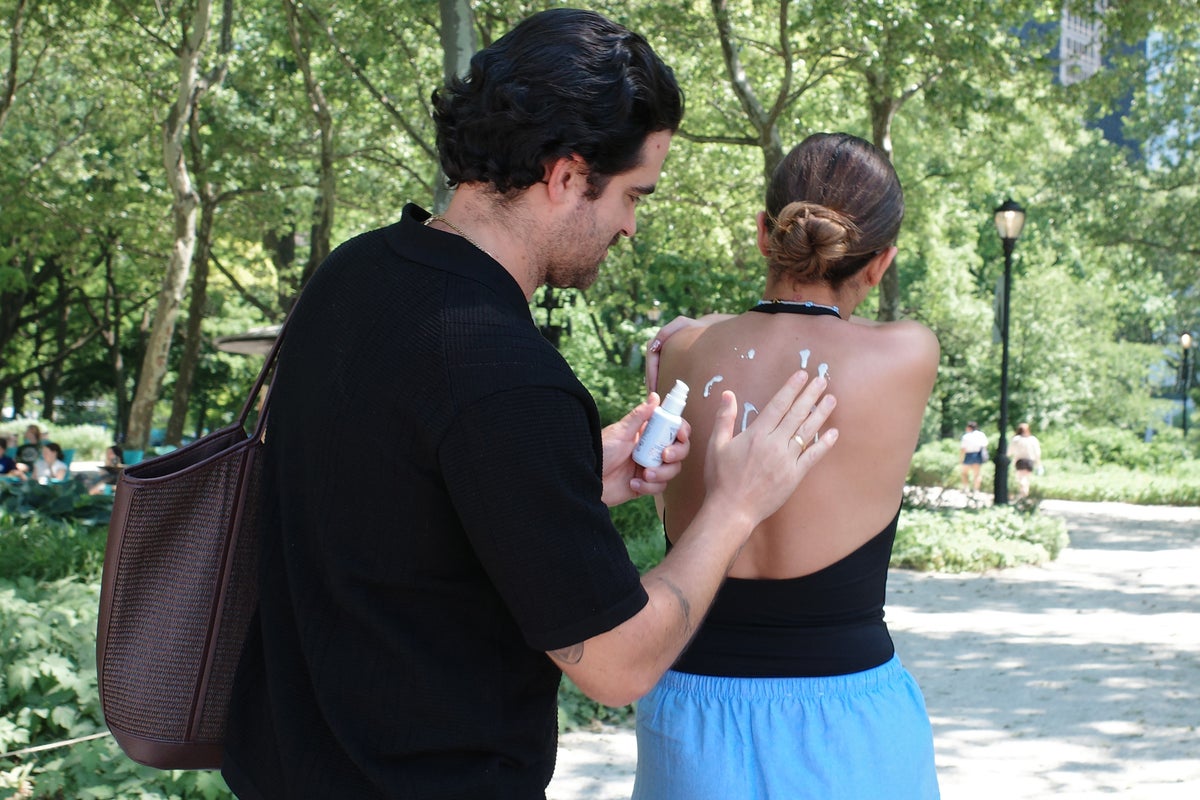
It’s hot across the U.S. again and doctors want you to know you should be reapplying your sunscreen to shield from the sun’s skin-damaging ultraviolet rays.
But how often should you be reapplying? Well, that depends on where you are and what you’re doing.
“Generally, sunscreen should be reapplied every two hours, especially after swimming or sweating,” Johns Hopkins Medicine says.
While there are water-resistant products that last for 40-80 minutes, there’s no such thing as waterproof sunscreen and all sunscreens wash off eventually, according to federal regulators. 0While you’re inside and working, you may not need to reapply. But caution is paramount.
“Be mindful of how often you step outside, though. Keep a spare bottle of sunscreen at your desk just to be safe. Even a short stroll at lunch could put your skin at risk,” Johns Hopkins instructs.
One of the threats from too much sun exposure is skin cancer. That cancer is primarily caused by sun damage and is the most common kind of cancer in the U.S. More than 5.4 million cases of non-melanoma skin cancer were treated in 2012, which is still considered the best estimate of cases to date, according to the Skin Cancer Foundation.
Melanoma, a more severe form, only makes up 1 percent of yearly cases, but are connected to more than 8,000 annual deaths.
This year, about 8,510 people are expected to die of melanoma, according to the American Cancer Society.
Getting a sunburn leaves you susceptible and being badly burned five or more times more than doubles your risk of developing potentially deadly melanoma, the foundation says.
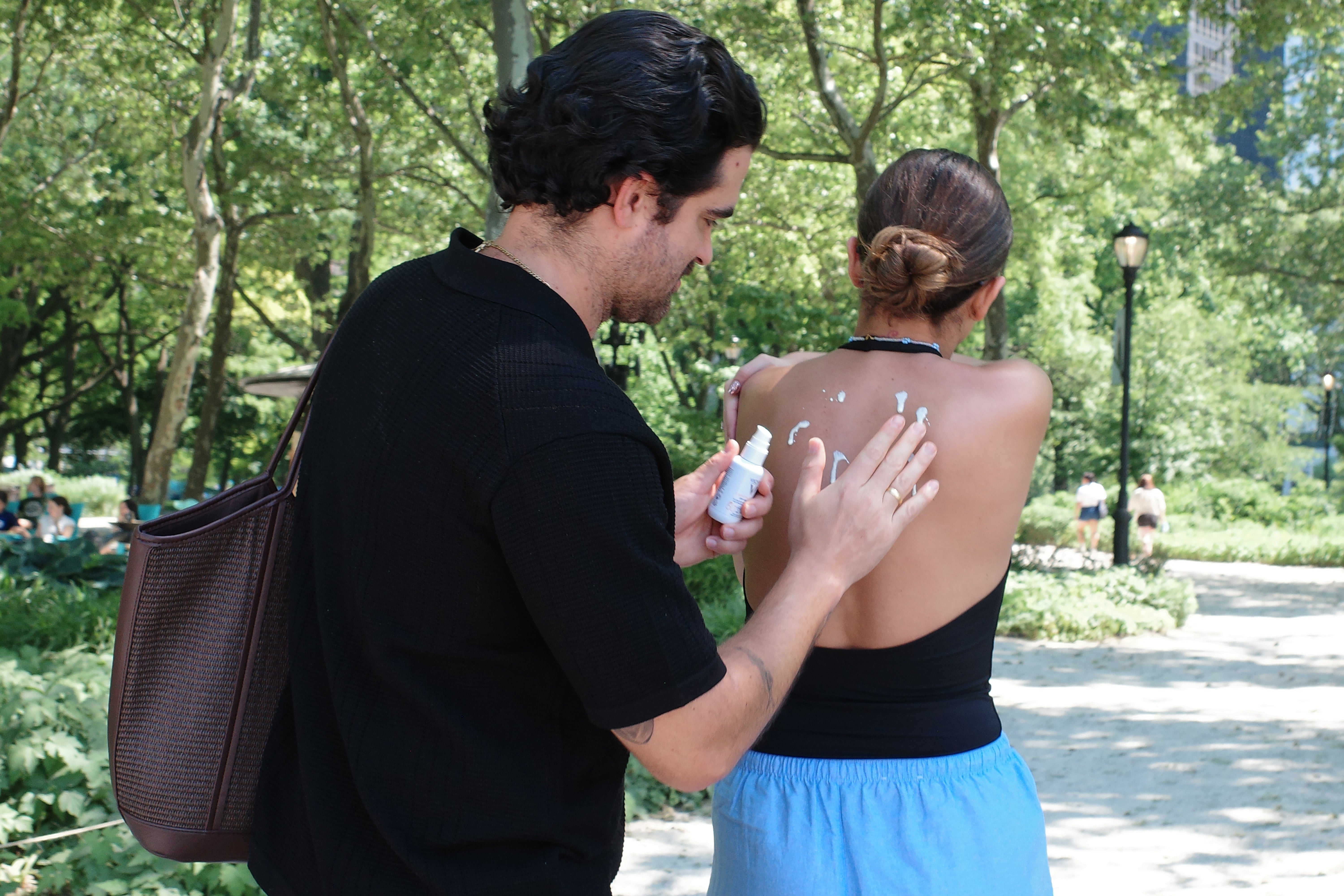
So, staying protected is incredibly important. That means applying sunscreen 15 minutes before you go outside, according to the American Academy of Dermatology Association.
“It takes approximately 15 minutes for your skin to absorb the sunscreen and protect you. If you wait until you are in the sun to apply sunscreen, your skin is unprotected and can burn,” the academy explains.
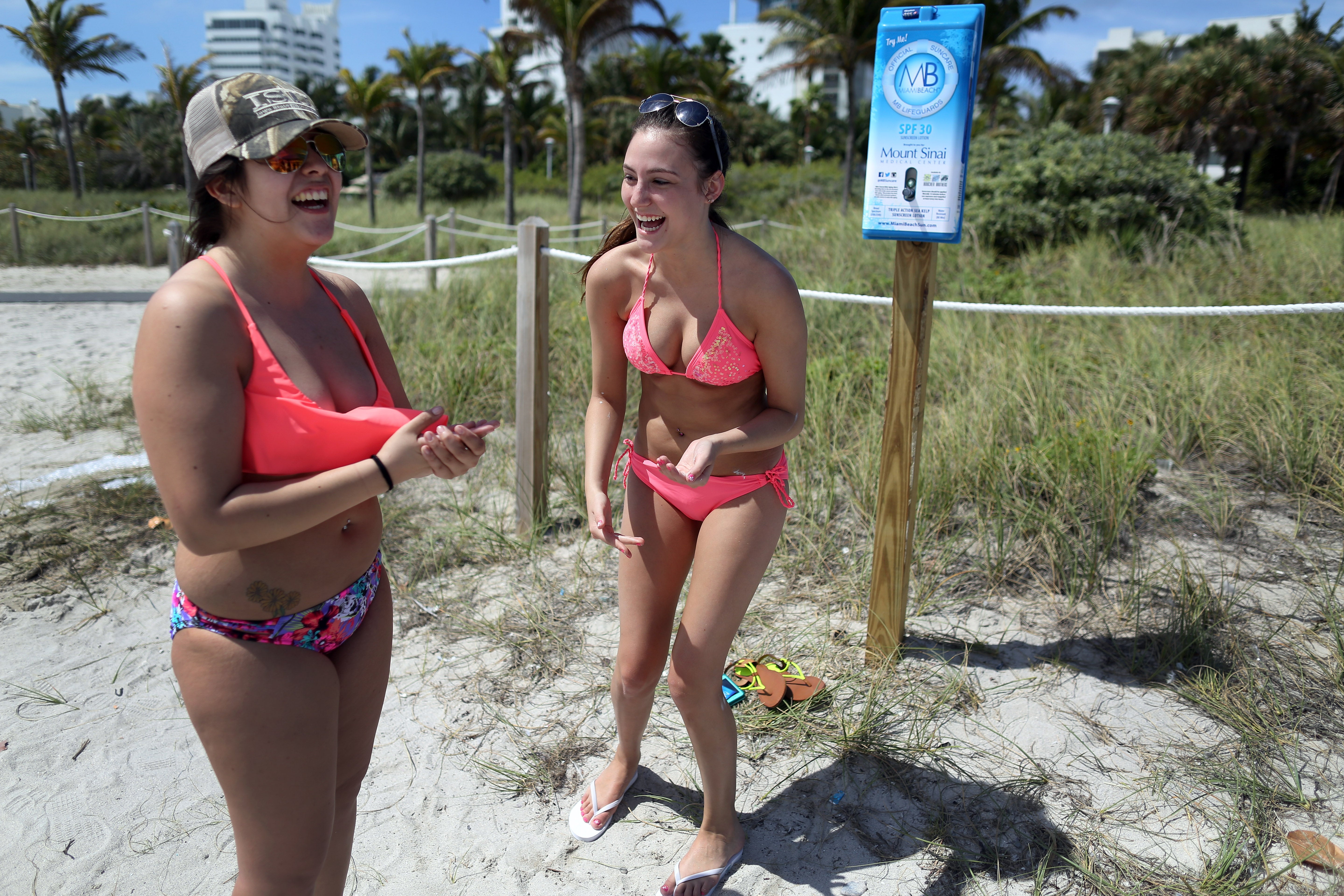
Every person is different, but experts recommend rubbing on a shot glass-sized amount to fully cover skin that’s exposed to the elements. Some people may need more.
Even if you don’t choose water-resistant sunscreen, make sure to go for higher SPF – sun protection factor – sunscreens, as they provide greater sunburn protection. At a minimum, choose SPF 15, experts say. The highest is 100-plus.
Notably, the newly-approved sunscreen ingredient bemotrizinol can better guard against both types of ultraviolet rays: UVA rays that can lead to wrinkles and premature aging and UVB rays that result in sunburns and skin cancer.
Those products are expected in the U.S. later this year.
“Keep in mind that no sunscreen is perfect,” Johns Hopkins adds. “Wear wide-brimmed hats, sunglasses or other protective clothing, and seek shade whenever possible.”