







Sir Keir Starmer will be out of office in just a few weeks, but even as he heads to the exit door in fairly humiliating style, he has decided to make one last stand to create a legacy for his premiership by unveiling the long-awaited – and long-delayed – Defence Improvement Plan (DIP).
In some ways, it reflects everything that went wrong with his premiership. Sir Keir today revealed a reasoned and costed plan which, if communicated well, would be a positive story about how he is revamping the armed forces with record investment.
But the whole thing is overshadowed by the recent resignations of his former defence secretary John Healey and ex-armed forces minister Al Carns over the failure to meet the necessary ambitions with cash.

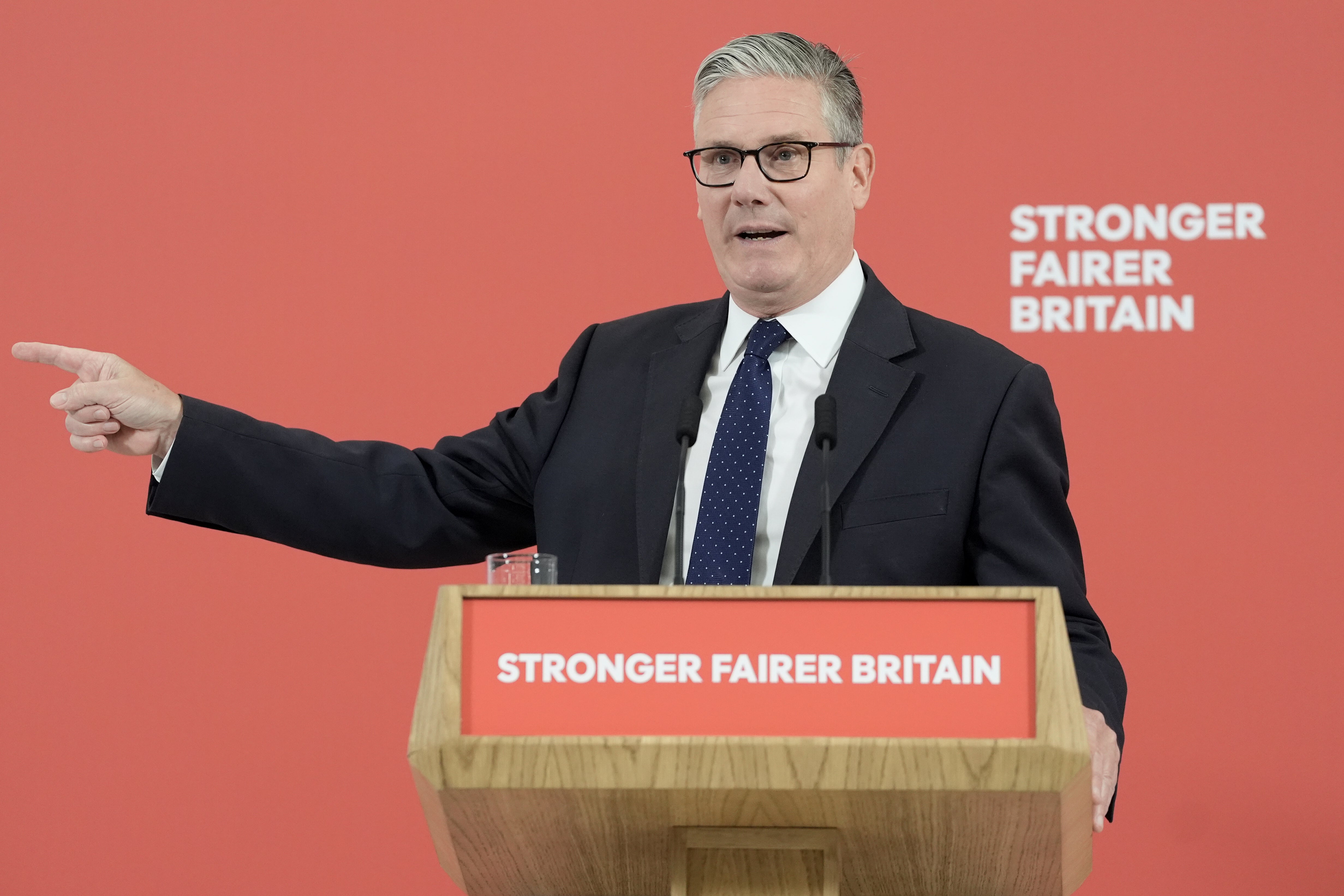
The outgoing PM himself dithered for months as he found himself caught between the Treasury and Ministry of Defence. Even at the last minute, his new defence secretary Dan Jarvis forced him to find an extra £1.5bn.
As last stands go, this would register as pyrrhic without the victory. His troops have mostly deserted him or been lost in political battle, and the document he is announcing is likely to be rewritten by his successor.
In some ways, it is surprising that the DIP was unveiled at all, but this at least was a way for Sir Keir to deliver some economic messages to his successor and critics.
Sir Keir’s underlying message was that he has succeeded in reversing the decline in defence spending and investment and has created “a platform my successor can build on” to revive Britain’s “hollowed-out military”, which he says he inherited.
It is true that the peacetime dividend of the end of the Cold War is now definitely at an end, and the pressure from Donald Trump and the US more widely means that all Nato allies will have to spend much more on defence.
But Sir Keir wanted to deliver a message about the importance of “economic stability”, which he described as hard-won, and how without economic stability the country will not be secure.

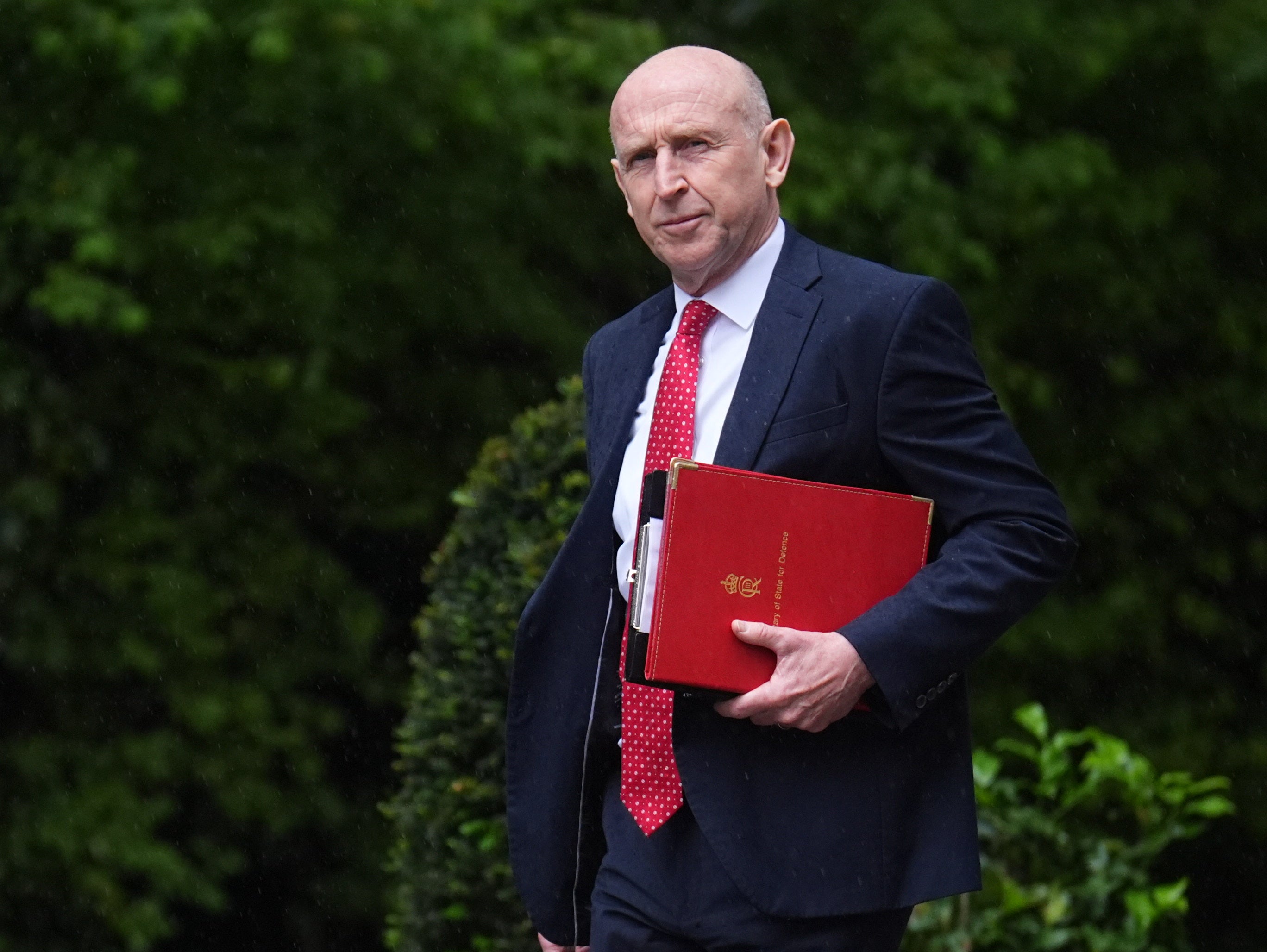
That, he says, is why he refused to “borrow on the never, never” with defence bonds, although he admitted that the government “looked very carefully” at this idea.
Unfortunately, Sir Keir did not really address the elephant in the room. Mr Healey, Lord George Robertson, who helped write the strategic defence review, and others have made it clear where the extra money should come from – welfare.
Sir Keir dared not mention the “w” word in his explanation but his failure to reduce and control the welfare bill casts a shadow over this defence announcement.
The rebellion by Labour backbenchers last year to prevent welfare savings not only destroyed his authority but meant he was hamstrung in finding money for defence.
In the end, while the Defence Improvement Plan has many good things, it is a monument to Sir Keir’s failures politically and financially. Less a last stand and more a confirmation of the reasons why by the end of the month he will no longer be prime minister.


