


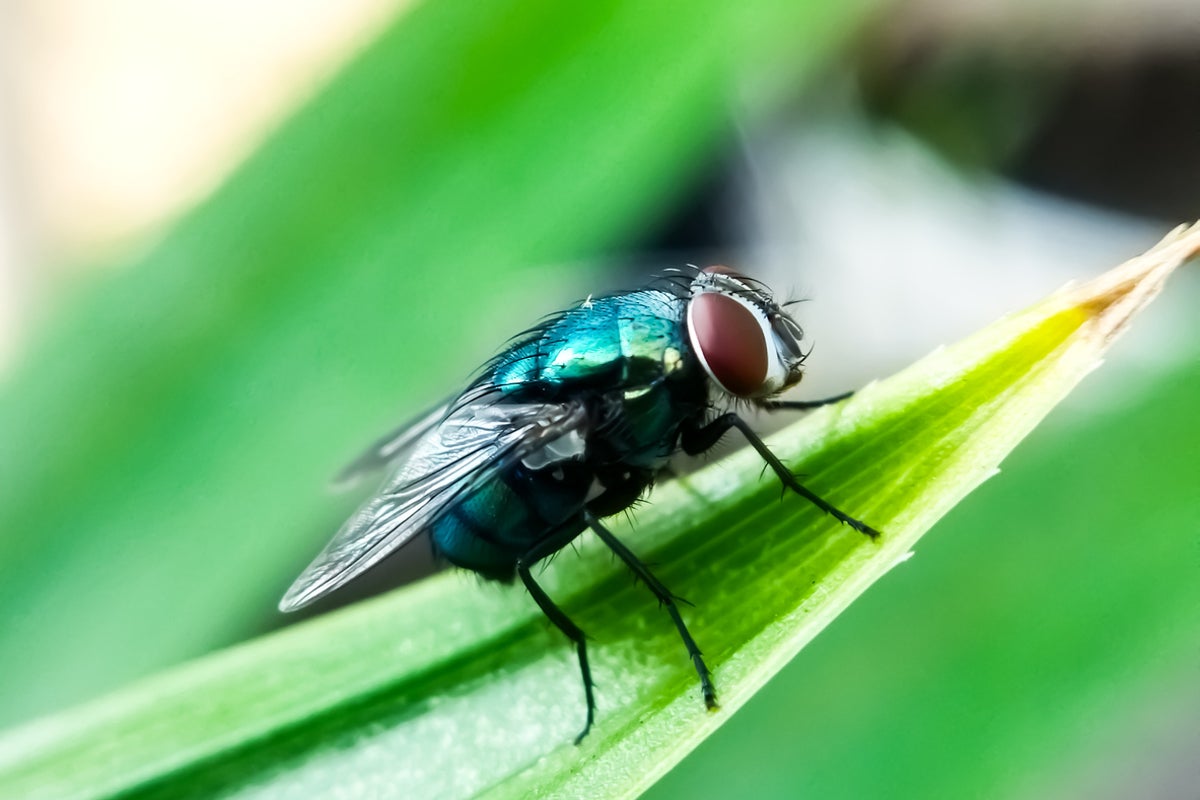
The cattle-killing New World Screwworm has been found in the U.S., prompting a slew of southern states to issue new rules to help fight the spread of the parasitic insect.
Florida Agriculture Commissioner Wilton Simpson issued an emergency rule to tighten restrictions on bringing warm-blooded animals — the insect’s preferred breeding ground — into the Sunshine State. Animals from infestation zones and other “high-risk areas” will be subject to the new rule, according to News 6 Orlando.
“We are going to need a unified front from the government, our agriculture community, and the public to respond to this threat,” Simpson said in a statement.
The insect lays its eggs in the open wounds of warm-blooded animals, like cows, and its maggots eat healthy flesh. This both harms the animal and creates new opportunities for further breeding.
“The New World Screwworm — a destructive parasite that targets warm-blooded animals — was eradicated from the U.S. more than four decades ago,” Florida officials said in a release. “Its return would pose a serious threat to livestock, wildlife, and domestic animals, particularly in states like Florida with warm climates and abundant animal populations.”

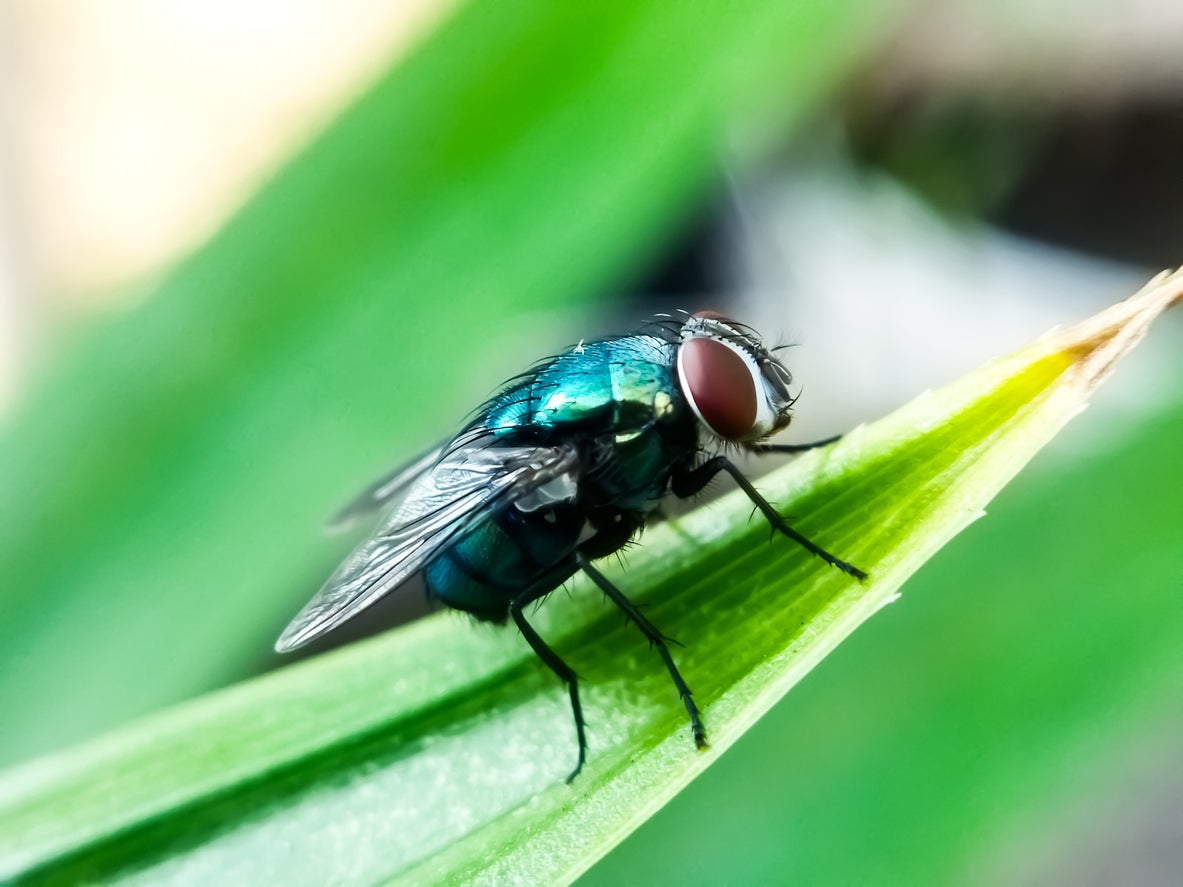
The U.S. Department of Agriculture announced on June 3 that it had identified animals in Texas that were infested with New World Screwworm maggots.
Louisiana, Texas, New Mexico, and Arkansas have all announced similar rules or guidance to help stop the spread of the parasite beyond current infestation zones.
Under Louisiana’s new rules — which were made effective on Monday — no warm-blooded animal can enter the state if it has traveled through a known infestation zone unless it has an Official Certificate of Veterinary Inspection, KNOE reports.
On June 5, Texas Governor Greg Abbott issued a disaster proclamation due to the New World Screwworm infestation in his state.
The proclamation declares that “the spread of NWS northward from Mexico into Texas threatens Texas’ wildlife and livestock industry and economy and poses an imminent threat or occurrence of widespread and severe property damage, and pursuant to Section 418.014, Texas Government Code, do hereby declare a state of disaster for all Texas counties.”
Texas’ current rule prohibits the movement of warm-blooded animals inside infestation zones, out of them, or into the state from known infestation zones without a veterinary inspection and permit first.

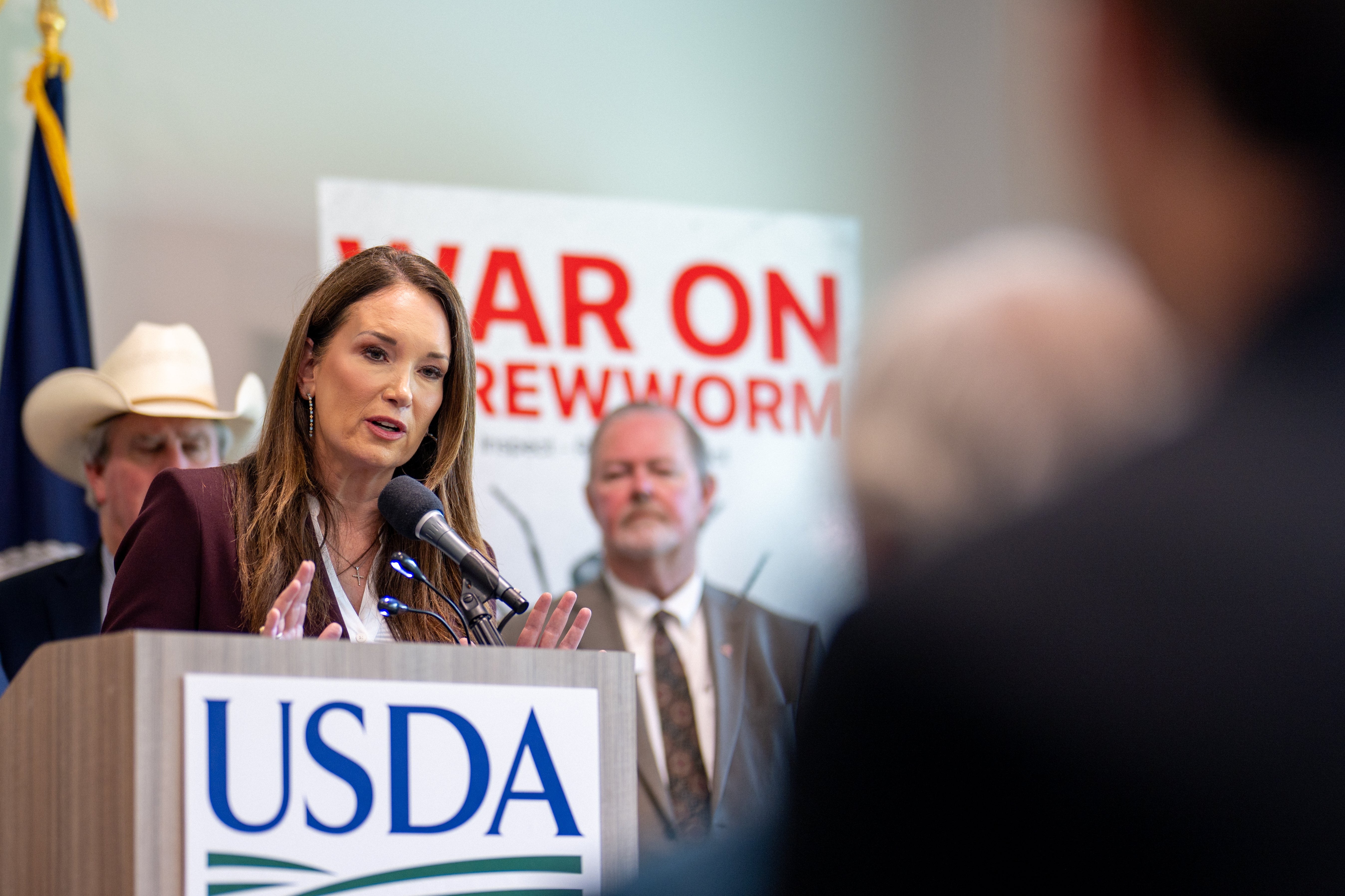
In Arkansas, livestock producers have been urged by the state to monitor for any signs of infestation and to report any concerning findings to the Department of Agriculture’s state veterinarian’s office.
New Mexican state officials are also urging that travelers, especially those with warm-blooded animals, monitor and report any findings consistent with New World Screwworm infestation.
“While New World screwworm has not been detected in New Mexico, USDA’s confirmation of the pest in South Texas serves as an important reminder for everyone to remain vigilant,” New Mexico Secretary of Agriculture Jeff Witte said in a statement. “We encourage anyone who has recently traveled or plans to travel to the affected area with livestock, horses, pets, or other animals to closely monitor them and report any suspicious wounds or infestations. Early detection and reporting are essential to protecting New Mexico’s agriculture, wildlife, and animal and human health.”
The USDA’s Animal and Plant Health Inspection Service is responding to the threat posed by the New World Screwworm — which, left unchecked, could devastate the U.S. cattle supply — in part by using sterilized flies to help stop the insect’s ability to successfully reproduce.
The method was used to eradicate the native U.S. screwworm population in 1966. The latest crop of insects has traveled up from Central America.