.jpeg?trim=0,1,0,0&width=1200&height=800&crop=1200:800 "See inside Trump’s new 0m Air Force One that was gifted by Qatar – UK Times")


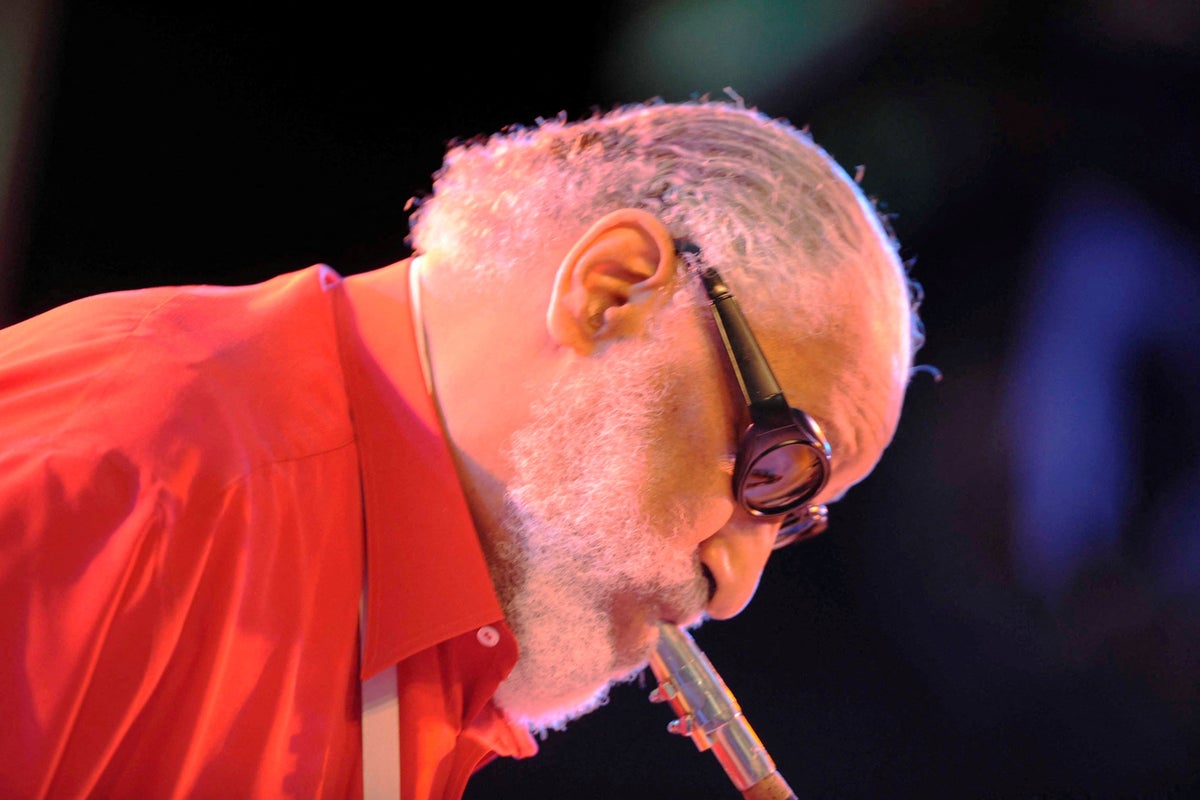
Sonny Rollins, one of the defining musicians of postwar jazz and among the last surviving stars of the bebop era, has died aged 95.
Rollins’ publicist Terri Hinte confirmed his death, writing that “one of the most honoured and influential figures in American music of the 20th century and beyond, died this afternoon at his home in Woodstock, NY.”
No cause of death was given, but the saxophonist reportedly suffered from pulmonary fibrosis and other respiratory problems in recent years, forcing him into retirement more than a decade ago.
Across a career spanning more than six decades, Rollins became celebrated for his expansive improvisations, muscular tenor saxophone sound and constant stylistic experimentation.
He recorded more than 60 albums as a bandleader and worked with many of the central figures of modern jazz, including Miles Davis, Thelonious Monk, Max Roach, Dizzy Gillespie, Charlie Parker, and John Coltrane.
His 1956 album Saxophone Colossus became one of the landmark recordings in jazz history and gave Rollins the nickname that followed him for the rest of his life. In 2017, when the album was inducted into the US Library of Congress’s National Recording Registry, the institution described it as “one of the defining albums of Rollins’ career,” praising the “power, grace and humour” of his solos.
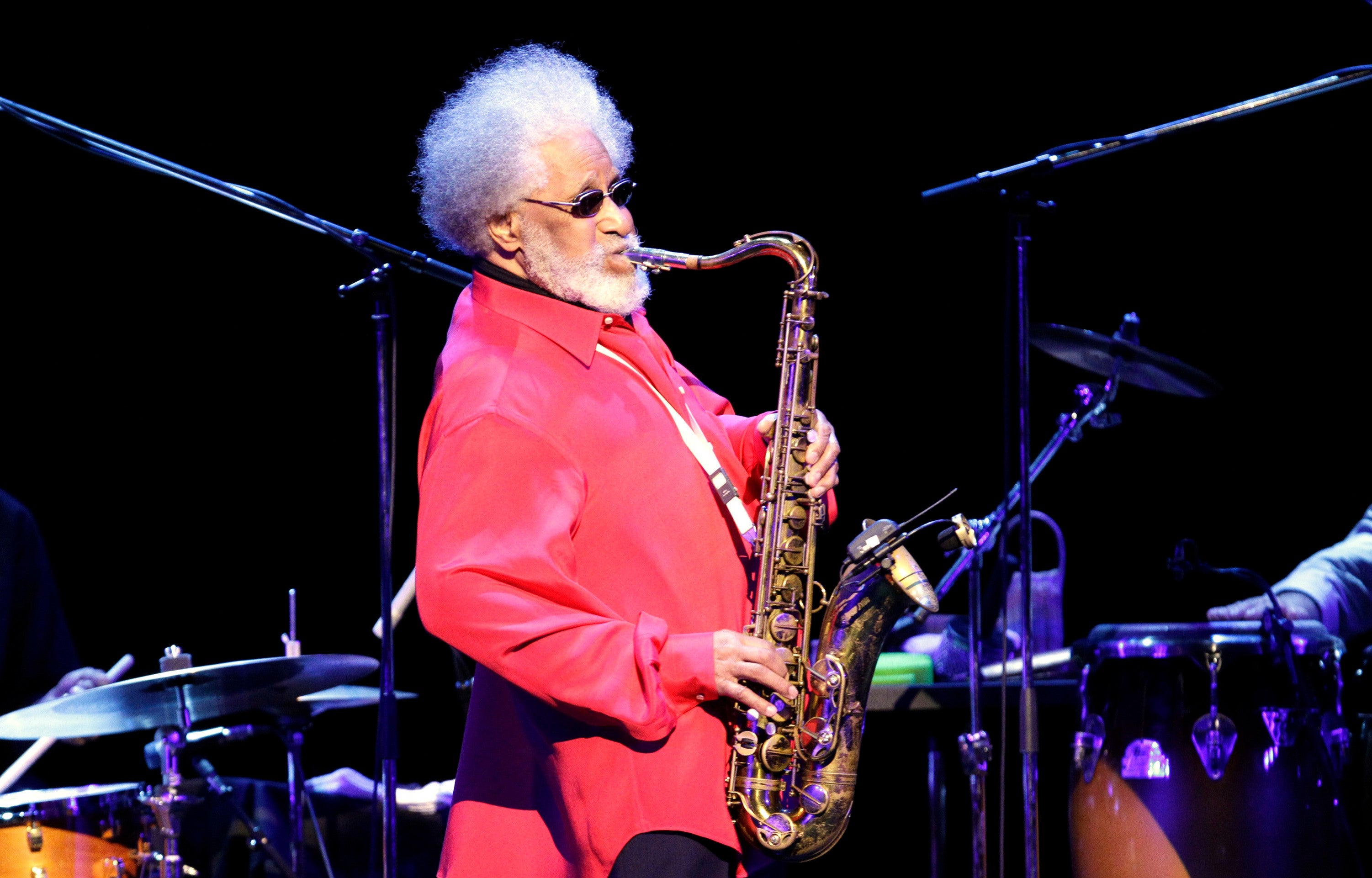
Born Theodore Walter Rollins in Harlem on 7 September 1930 to parents from the US Virgin Islands, he grew up in New York during the rise of bebop and began playing professionally while still in his teens.
According to the New York Times, Rollins made early recordings with the pianist Bud Powell and the trombonist JJ Johnson before joining sessions led by Miles Davis and Monk.

Enjoy unlimited access to 100 million ad-free songs and podcasts with Amazon Music
Sign up now for a 30-day free trial. Terms apply.
Try for free
ADVERTISEMENT. If you sign up to this service we will earn commission. This revenue helps to fund journalism across The Independent.
Enjoy unlimited access to 100 million ad-free songs and podcasts with Amazon Music
Sign up now for a 30-day free trial. Terms apply.
Try for free
ADVERTISEMENT. If you sign up to this service we will earn commission. This revenue helps to fund journalism across The Independent.
Like many jazz musicians of the era, Rollins struggled with heroin addiction in the early 1950s. He served jail sentences including imprisonment for armed robbery before eventually seeking treatment at a federal rehabilitation facility in Lexington, Kentucky.
“I began to have a deeper philosophy of what life was about. From that point on is when my consciousness awoke,” he told the Associated Press in 2007.
After overcoming addiction, he entered the most acclaimed phase of his career. Between 1956 and 1958, Rollins released a succession of albums now regarded as jazz classics, including Tenor Madness, Way Out West, A Night at the Village Vanguard, and Freedom Suite.
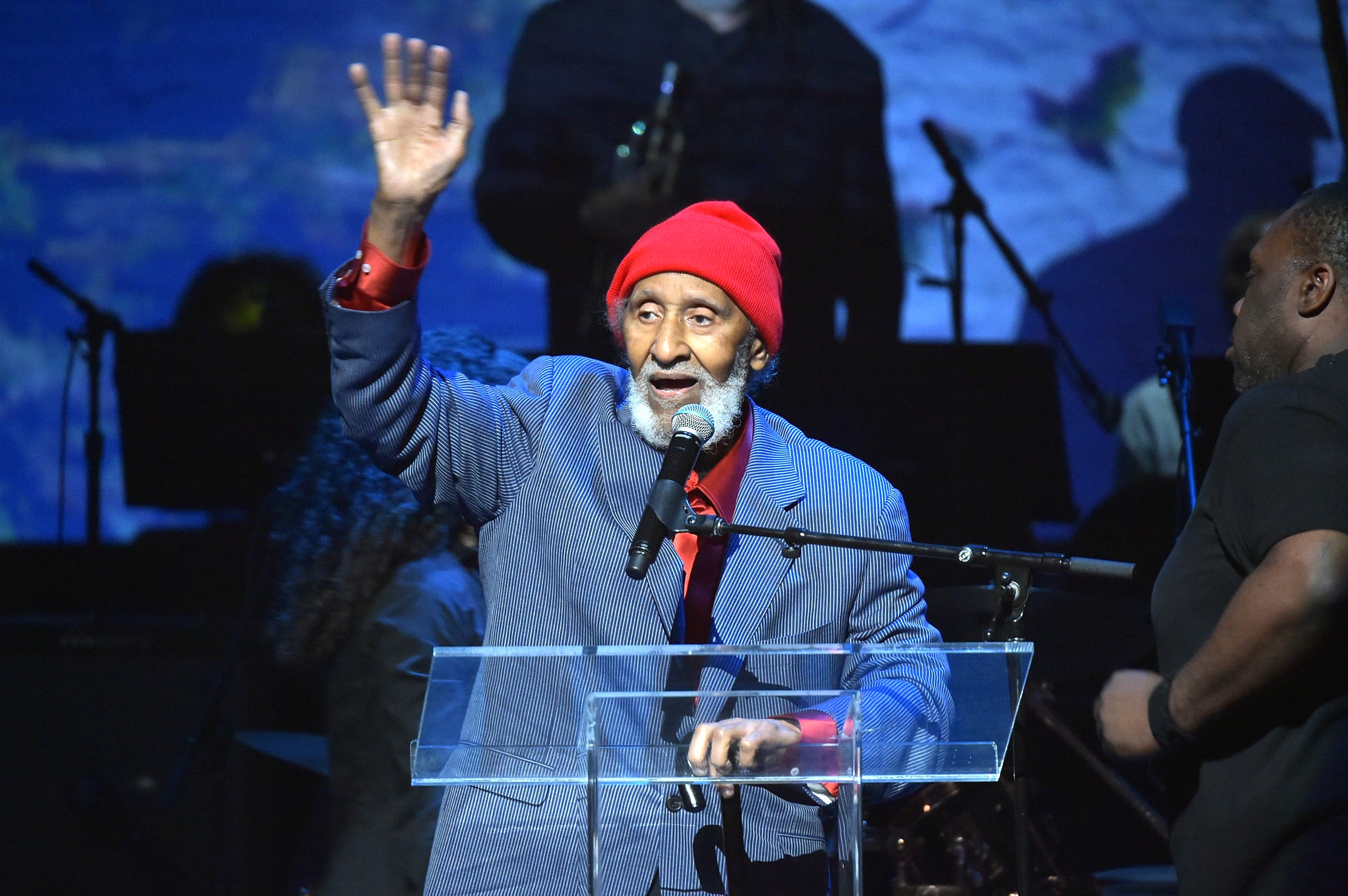
The latter included a 19-minute composition addressing racial inequality during the early civil rights era. Decades later, Rollins said: “Being a Black musician – in fact being a Black person – everything you do is political whether you want it to be or not.”
At the peak of his success, Rollins abruptly stepped away from public performance in 1959, dissatisfied with his own playing despite widespread acclaim. During his self-imposed exile, he spent hours practising alone on New York’s Williamsburg Bridge, later returning with a comeback album titled The Bridge in 1962, according to the Washington Post.
“What made me withdraw and go to the bridge was how I felt about my own playing,” he later told The Guardian. “I knew I was dissatisfied.”
Rollins continued to experiment stylistically over the following decades, embracing free jazz, calypso, funk, and R&B influences while maintaining the improvisational approach that made him one of jazz’s most admired performers.
He composed the score for the 1966 British film Alfie starring Michael Caine, and in 1981 reached a broader audience by contributing saxophone solos to the Rolling Stones album Tattoo You, including the hit “Waiting on a Friend.”
After the September 11 attacks in New York, Rollins evacuated his apartment near the World Trade Center carrying only his saxophone before travelling to Boston days later for a concert later released as Without a Song: The 9/11 Concert. The recording won him a Grammy award for best jazz instrumental solo for the track “Why Was I Born?”
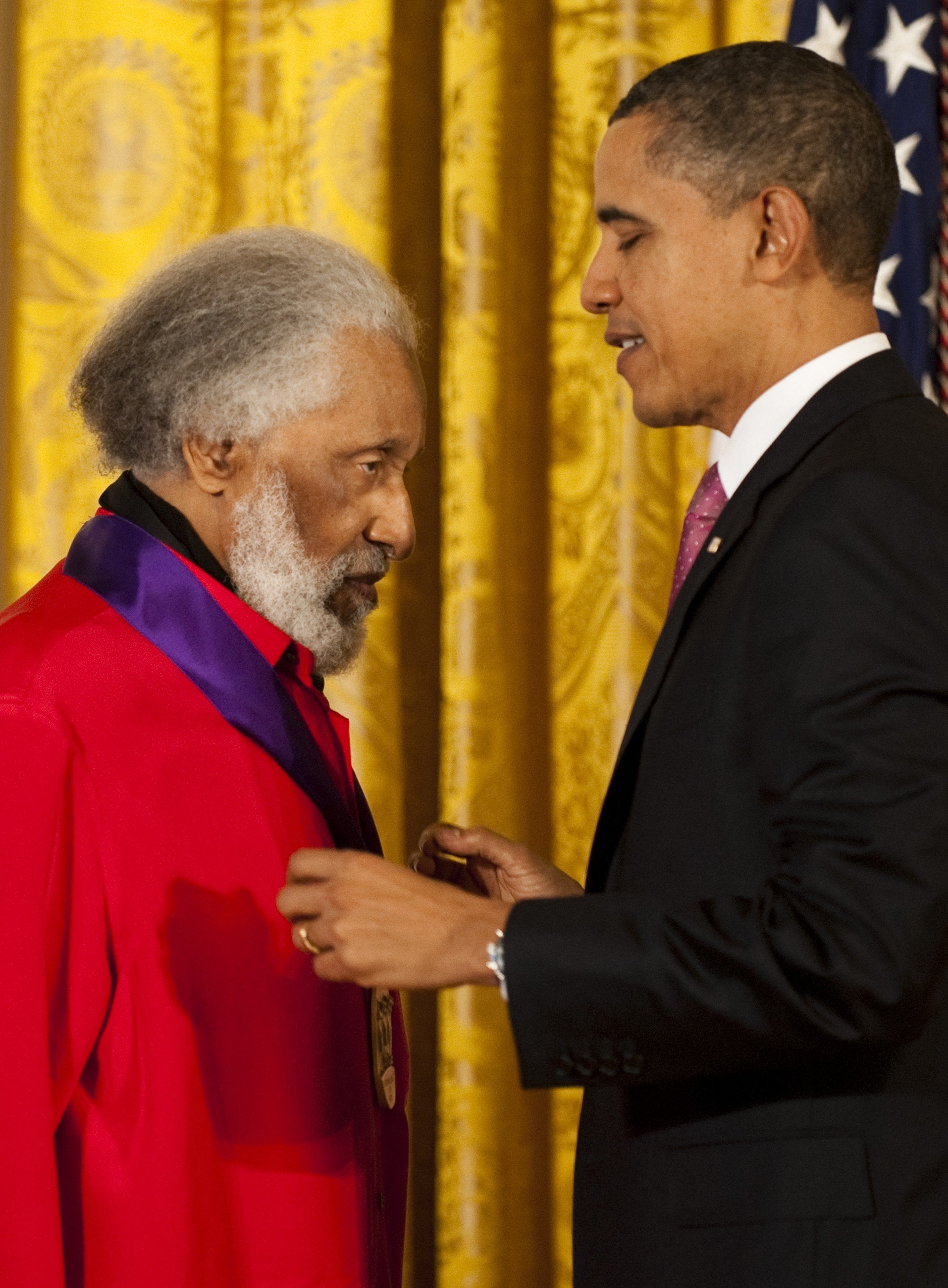
Over the course of his career, Rollins received numerous honours including a Grammy lifetime achievement award in 2004, the National Medal of Arts in 2010 and a Kennedy Center Honor in 2011. Presenting the National Medal of Arts, Barack Obama said Rollins had inspired him “to take risks that I might not otherwise have taken”.
Rollins is survived by his nephew Clifton Anderson and nieces Vallyn Anderson and Gabrielle DeGroat.