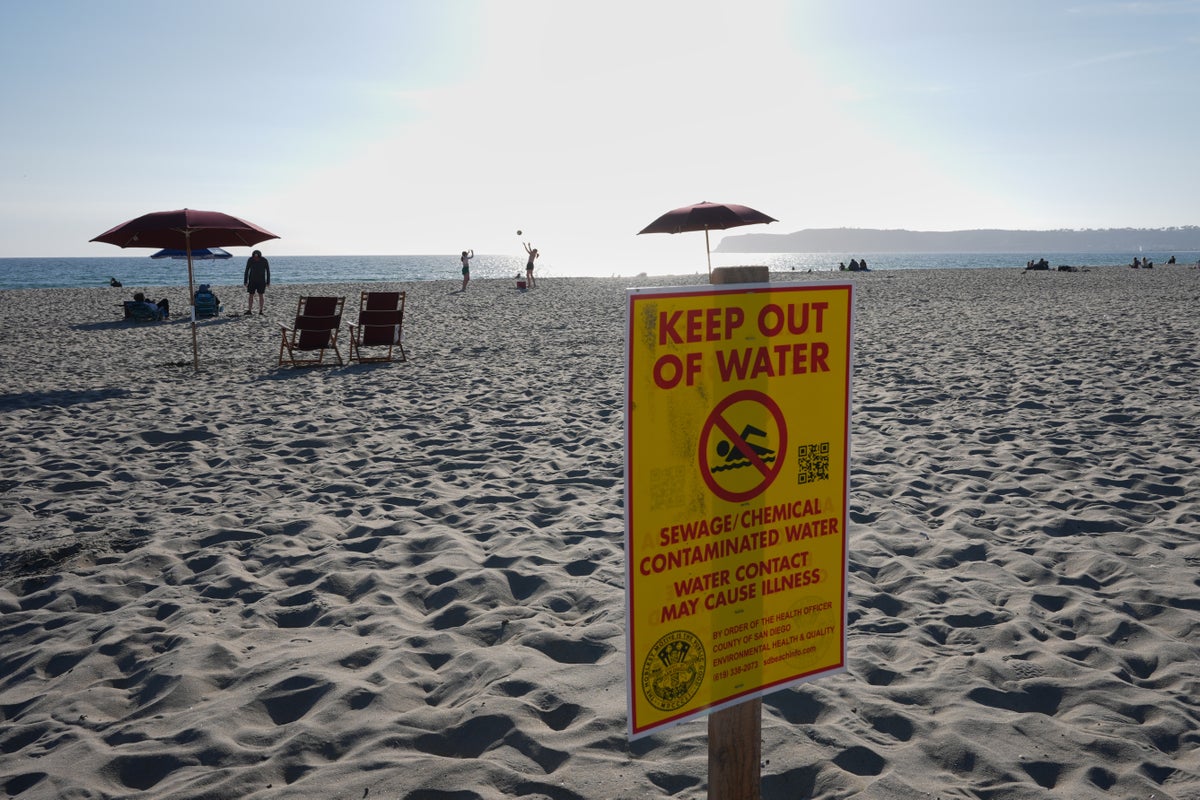
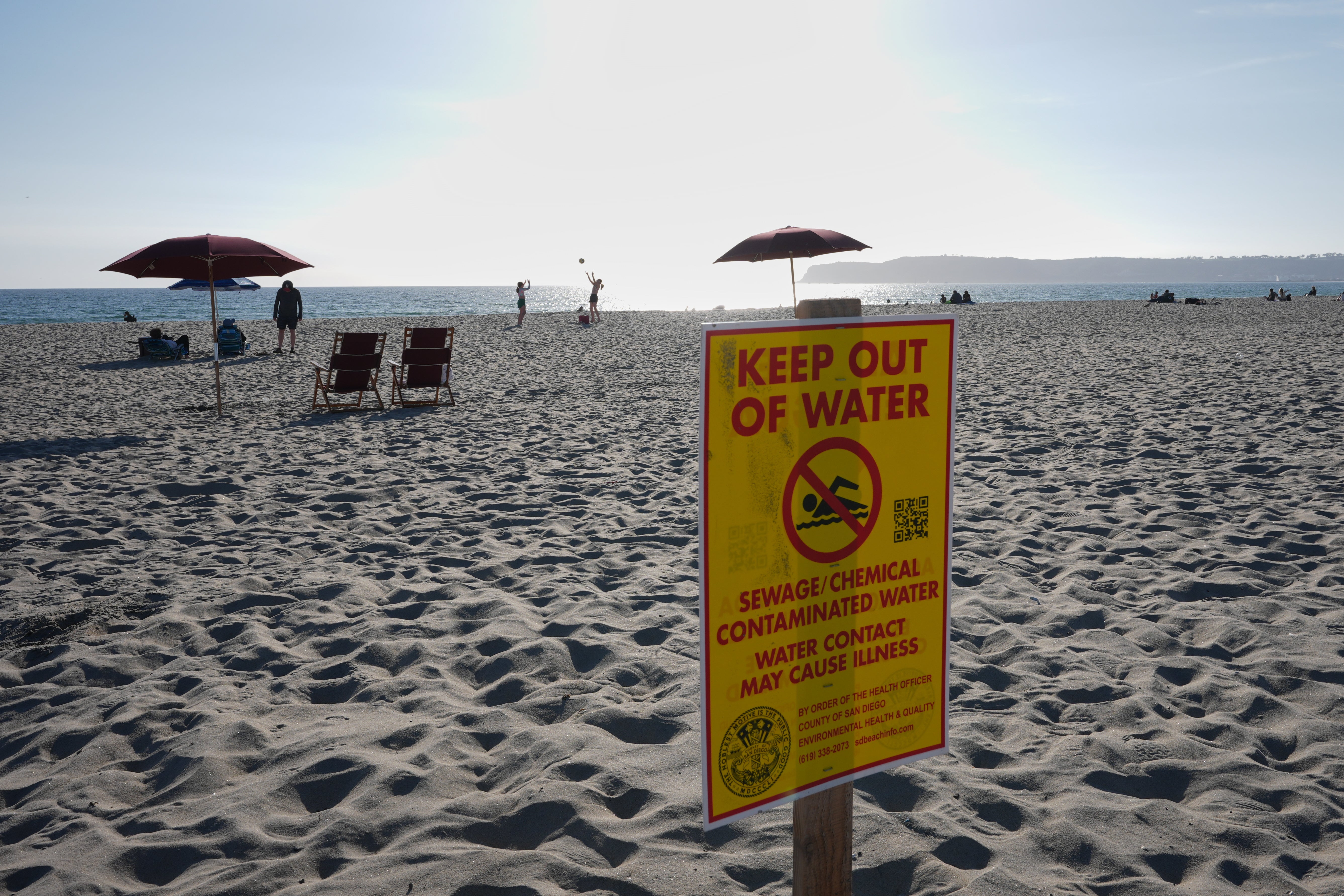
Beachgoers in Coronado – one of California’s ritziest beach towns – are being greeted by bright yellow “water contact may cause illness” signs as sewage from Mexico continues to force closures ahead of peak summer.
The contamination is largely tied to the Tijuana River, which carries untreated wastewater from Tijuana, Mexico, into the Pacific Ocean. From there, currents push polluted water north along the beaches of southern San Diego County, including Coronado. As much as 30 million gallons of sewage-tainted water can flow into the ocean daily, overwhelming the region’s ability to maintain safe beach conditions, the Wall Street Journal reports. Since 2018, more than 10 billion gallons of raw sewage have flowed into the Tijuana River, according to the International Boundary and Water Commission.
“It was heaven on earth and now I call it paradise lost,” Whitney David, a retired surgeon and surfer, said. He told the outlet he ultimately left Coronado largely due to the ongoing sewage problem. “All kinds of trash you would see floating in the ocean—food wrappers, bottles, clothing. Once in a while, you would even see a piece of crap.”
The problem has been going on for years, with a major factor being that Tijuana has not been able to keep up with rapid population growth and an aging wastewater system. When storms hit or systems fail, untreated sewage regularly spills into the river and flows downstream into U.S. waters.
The contamination was once mostly limited to Imperial Beach near the border, where conditions became so severe that officials distributed thousands of air purifiers to protect residents from toxic hydrogen sulfide gas, according to the WSJ. Hydrogen sulfide gas is linked to serious health effects, including asthma attacks, headaches and in extreme cases, life-threatening exposure.
More recently, nearby Coronado has faced repeated beach closures due to raw sewage, sometimes lasting weeks or months. In 2025 alone, water access was restricted for more than 129 days, including during peak tourist season.


“It smells like, you know, sewer,” Larry Delrose, entertainment director at the Coronado Shores condo community, told the WSJ.
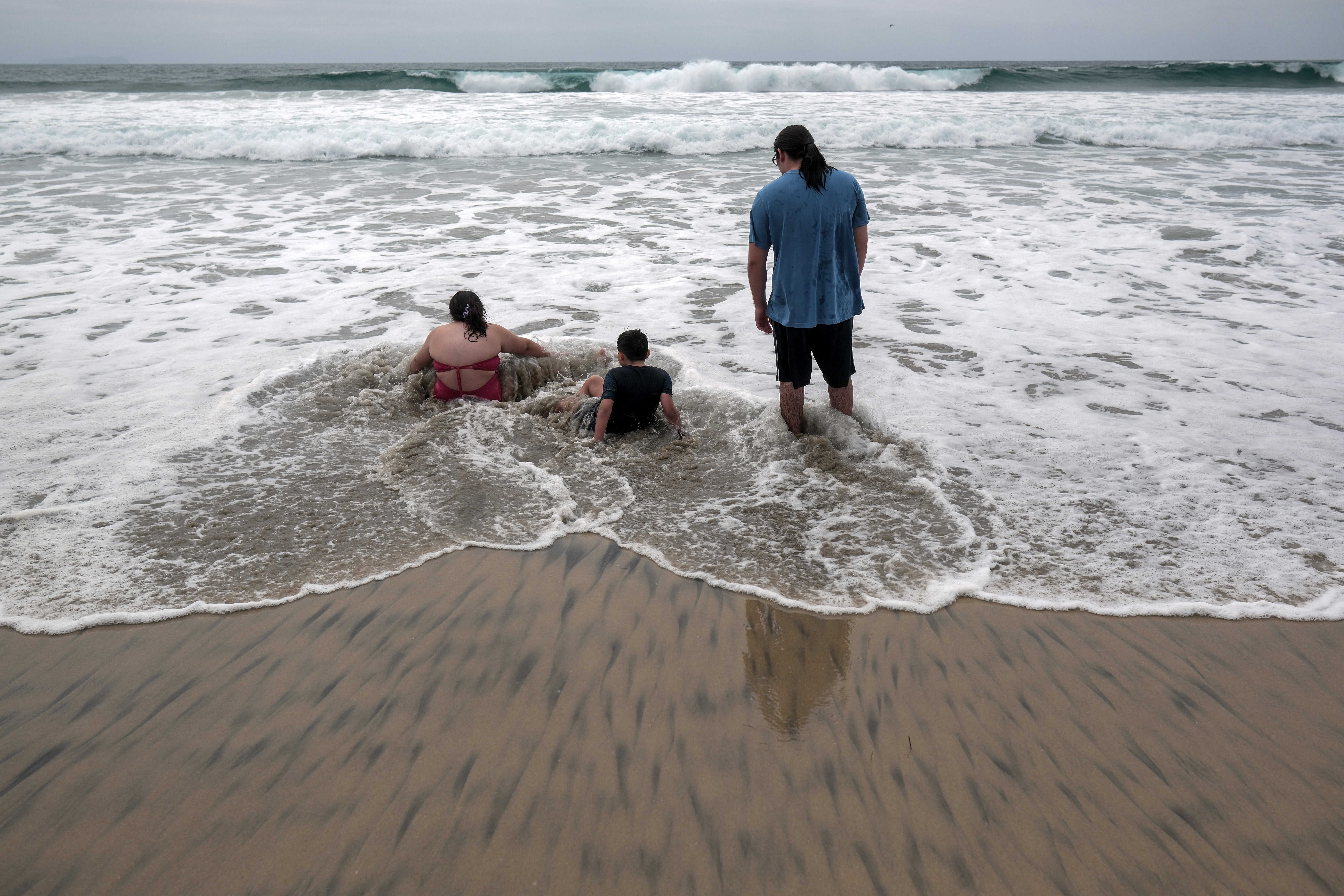
While the beach closures are disappointing and frustrating for both locals and tourists, entering the water could quickly turn a beach day into a health risk, with potential gastrointestinal illness and respiratory problems.
Meanwhile, local businesses, from surf schools to beachfront shops, are seeing far fewer customers, as the ongoing contamination discourages visitors and takes a growing economic toll on the community.
“I’m getting my ass kicked, man,” Sam Frederick, owner of Little Sam’s Island & Beach Fun, which rents out boogie boards and water toys, told the WSJ.
Ryan Wamhoff, who runs the Coronado Surfing Academy and can typically have up to 28 students in the water at once, said none were out during his WSJ interview.
“I mean, my entire business, the success of my business, is based upon this beach right here. It’s insanely frustrating.”
Residents blame both sides of the border for the ongoing crisis, pointing to Mexico for the sewage overflow and to the U.S. for not applying enough pressure or moving faster to fix the underlying infrastructure issues.
However, the scale of the problem is enormous. Congress approved over $300 million in funding, but Environmental Protection Agency officials say it could take about $1 billion and roughly two years to fix once repairs begin.
The EPA told The Independent in a statement Wednesday, “Moving at TRUMP SPEED, the Trump Administration negotiated and signed two historic new agreements with Mexico — the Memorandum of Understanding in July 2025 and Minute 333 in December 2025 — committing both sides to speed up project timelines and take additional actions to prevent this crisis from reoccurring down the road. In addition, we completed a 100-day expansion of the South Bay International Wastewater Treatment Plant, which prevents an additional 10 million gallons per day of raw sewage from reaching U.S. waters, and slashed 12 years off project timelines of U.S. and Mexico-side project timelines.”