

Restaurants in deep red Texas are making an unlikely call for immigration reform as the Trump administration’s deportation campaign continues to rock the industry nationwide.
A group of businesses and food-industry groups came together last month to form Seat the Table, which is lobbying for work permits for immigrant food and agriculture workers.
“I think the vast majority of Americans recognize that there is a large group of undocumented immigrants who have been literally keeping food on our tables,” Kelsey Erickson Streufert, chief public affairs officer at the Texas Restaurant Association, a coalition member, told The New York Times. “And if we remove those people, it is going to hurt everyone in terms of higher prices.”
Restaurateurs and labor organizers alike say the Trump administration’s immigration agenda has sent chills across the industry, with businesses losing workers to deportations and even legal employees staying away for fear of being picked up.
“We have created networks of people that are driving, observing, and guarding our spaces in shifts morning and night,” an anonymous restaurant owner told the industry news site SevenFifty Daily about his employees in Minneapolis during this winter’s mass federal immigration operation in the state.
“We moved team members from riskier areas and secured rent-free places for them to live in safer neighborhoods. We’ve filled out DOPAs [Delegation of Parental Authority documents], so we have guardianship for our team’s children in the event that they are taken. One of our employees’ partners was deported, so our babysitters are watching their baby too. It’s worse than what you’re seeing on the news.”

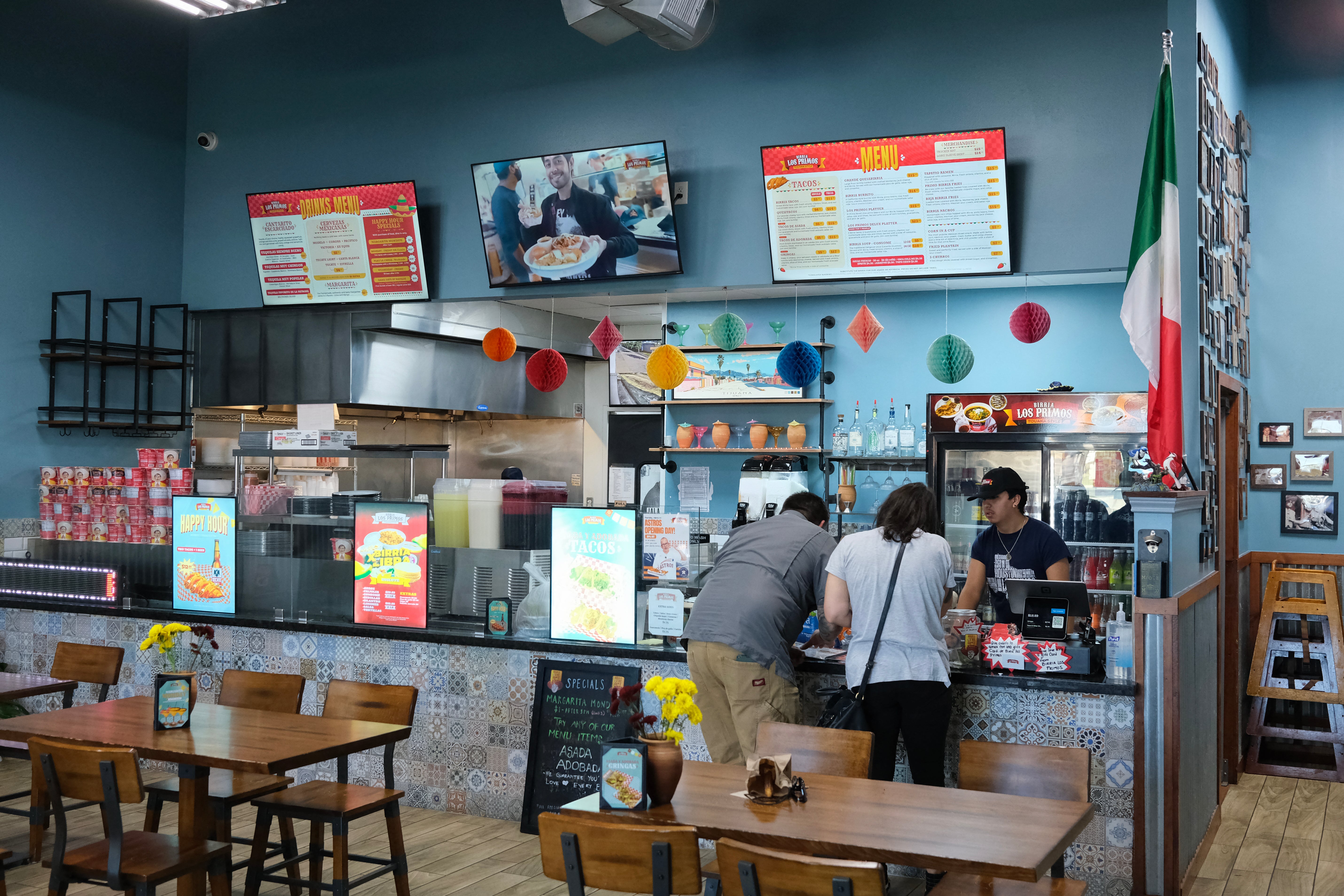
The Trump administration’s deportation campaign has been especially tough on industries including agriculture, construction and restaurants, which feature tough margins with a large immigrant workforce.
So far, the Trump administration has been most willing to accommodate demands to ease conditions on U.S. farms, which have struggled for decades to recruit American workers and often rely on foreign guest workers or undocumented laborers instead.
The Trump administration has made it easier to hire more temporary farm workers on H-2A visas, a boon to an industry which by some estimates relies on undocumented people for nearly half its workers.
“The near total cessation of the inflow of illegal aliens combined with the lack of an available legal workforce, results in significant disruptions to production costs and threatening the stability of domestic food production and prices for U.S consumers,” the Department of Labor warned in a federal notice last year, adding that stepped-up immigration enforcement under Trump’s “One Big Beautiful Bill” could eliminate another estimated 225,000 farm workers.
Other industries haven’t been so lucky.

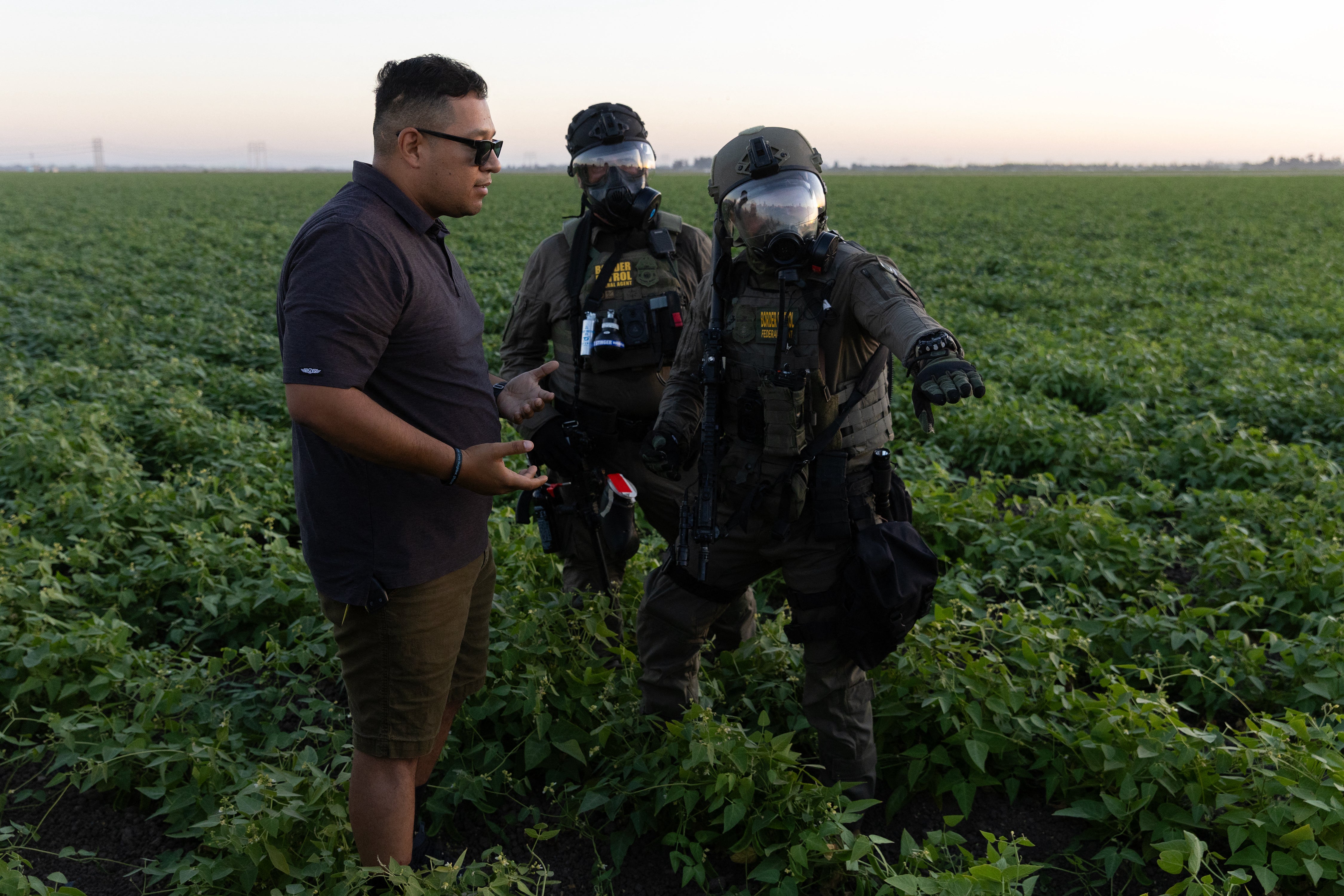
Trump toyed last summer with a pause on raids at hotels, restaurants and farms, only for the administration to insist days later there would be “no safe spaces for industries who harbor violent criminals or purposely try to undermine ICE’s efforts.”
Lawmakers have pushed for bipartisan solutions to the labor squeeze.
The Essential Workers for Economic Advancement Act, introduced last year, would offer non-citizens temporary, renewable visas for up to nine years to work in key industries where employers are struggling to hire, while 2025’s Dignity Act would offer temporary status to undocumented people and order them to pay thousands in restitution.
Neither of these efforts have advanced since their introduction, and major immigration reform appears unlikely with a Republican trifecta controlling Washington.
The Independent has reached out to the White House for comment.

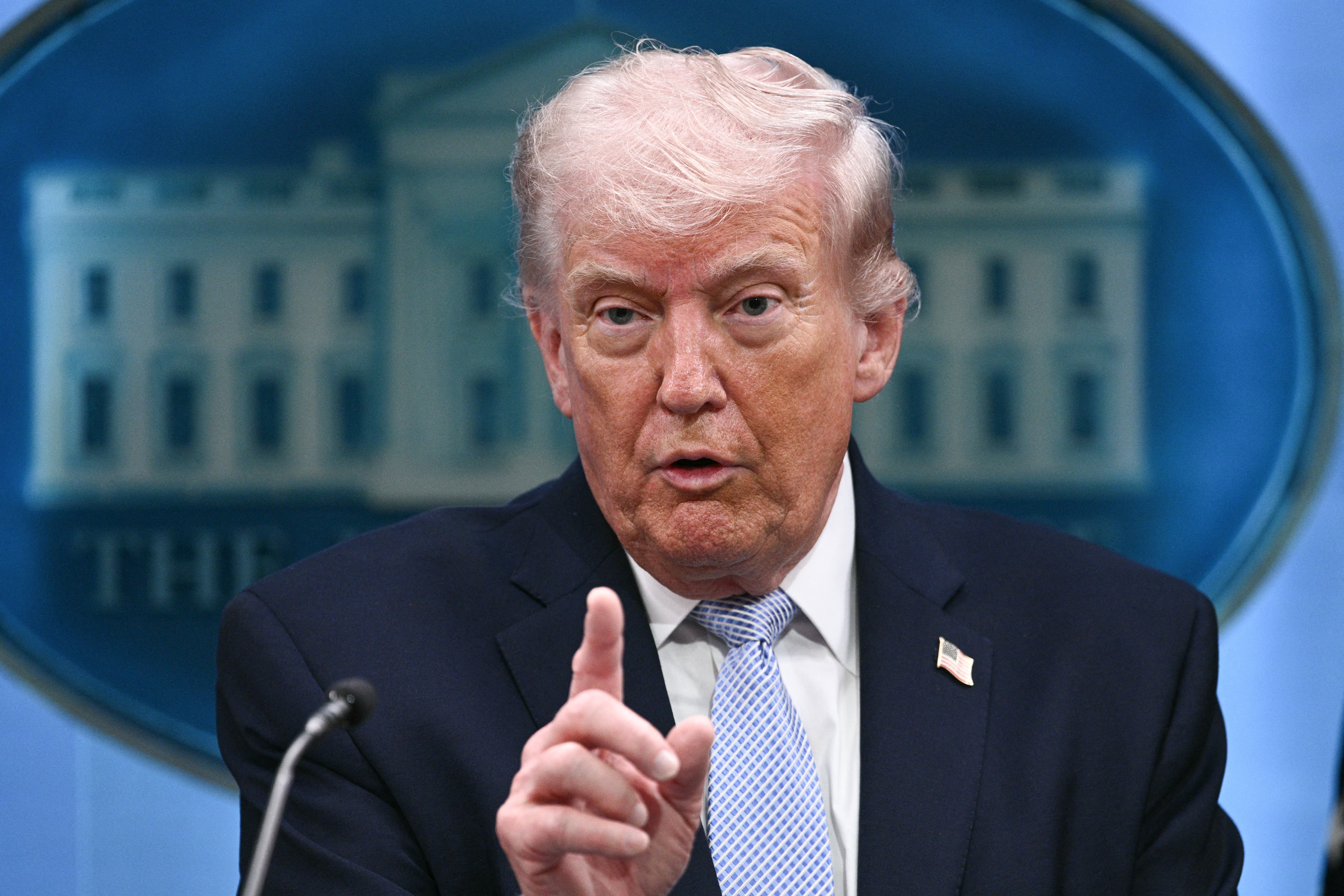
The president, himself a hospitality businessman whose companies have reportedly used foreign and undocumented workers before, has at times acknowledged the clash between his immigration policies and the economic reality of many U.S. businesses.
“Our great Farmers and people in the Hotel and Leisure business have been stating that our very aggressive policy on immigration is taking very good, long time workers away from them, with those jobs being almost impossible to replace,” he wrote last June on social media.
But even with a slightly less aggressive immigration posture under the newly appointed Homeland Security Secretary Markwayne Mullin, major changes to the U.S. labor system still appear far off.