I’ve never been particularly interested in the world of finance. I have a humanities brain, and like books and paintings infinitely more than stock charts and spreadsheets.
I used to see the world of investing as sort of like astrology for boys; full of jargon and unpredictability. I say mercury’s in retrograde, you tell me the S&P 500 is trading down around 0.61 per cent – now, we’re both confused and think the other is simply making nonsense up. So, as is the case for many others, my money sat in the safety of a savings account, earning a pitiful one per cent interest rate each year.
That was until, on one afternoon spent scrolling on TikTok, Mia McGrath popped up on my spoon-fed “For You” page. The 25-year-old financial influencer (finfluencer) – who previously worked in the world of fashion and coined the term “frugal chic” – has six figures in her savings and investments, and plans to become a millionaire by the time that she’s 30.
Unlike the city’s money men – or even Martin Lewis – she wasn’t dressed in a crumpled suit and sad brown shoes. She was sitting in her bedroom, in a black rollneck and jeans, speaking in terms I could actually understand. Inherently, I trusted her and, without checking any of her credentials, moved my money around to copy her investment strategy.
This might sound monumentally stupid, and perhaps it is – but it’s also not uncommon. A recent survey found that just over seven million people have followed financial advice from an online personality or influencer. Of those, 1.9 million didn’t check whether the content creator held any financial qualifications. These numbers significantly accelerate among Gen Z, 75 per cent of whom have sought financial advice online, according to Credit Karma.
“The popular expert isn’t some hoity-toity ivory tower academic,” says Copenhagen University professor Andreas Lindegaard Gregersen, who’s studied the strategies finfluencers employ. “It’s a person who can speak at large about complicated things in layman’s terms,” he says.
“Early examples would be someone like Jamie Oliver; a celebrity cook who can talk about the importance of [nutrition] but that everyone can relate to… The difference is if I look up a new chicken recipe and I don’t like it – that’s fine. I can try again or find another influencer. But with finance, you’ve lost real money and now you have to recoup.”
There has been a finfluencer boom, with content creators of this type experiencing rapid follower growth. On TikTok, there are 3.7 million posts under #investing, and 24 million under #money. At this financially precarious time, when war in Iran is threatening to usher in soaring inflation and a bottle of olive oil already costs £12, it’s somewhat unsurprising that people are looking for ways to get more cash.
The world of finance is also, increasingly, everywhere. From our algorithms to the latest season of Industry, to single girls “looking for a man in finance” we are now consistently tuning in and lusting after the sector. Plus, let’s not forget the manosphere bros promising young men lives of luxury and yachts. Notably, Andrew Tate spoke about being rich, getting rich, and other words relating to success and money in 43 per cent of his videos – twice as much as he mentions women.
“There is so much that gets us invested, literally, in this particular political economy that we have,” says historian Amy Edwards, author of Are We Rich Yet? The Rise of Mass Investment Culture in Contemporary Britain.
“Culture sometimes celebrates or makes fun of it – but that doesn’t matter whether it was taking the mick or not. There’s just so many more images of stock markets, yuppies and traders, whether that’s Dragon’s Den, or the fact that the president of the US got famous on the world-of-business reality show The Apprentice. That makes people more aware – and then want to be part of that world and its success.”


Finance, historically, has been a white man’s game. Industry demographics from March 2024 show that three quarters of certified financial planner professionals are men and more than 82 per cent are white. Meanwhile, financial influencers are more likely to be women or people of colour, with research by economic sociologist Adam Hayes finding that influencer messaging – the language they use, the topics they focus on – explicitly promotes diversity.
Financial influencer Zoe Burt, who previously trained and worked as a financial adviser, says she slowly started to question her industry when she noticed the clients she was serving were “frankly pale, stale and male”. It’s a valid concern. Notably, one study this March found that women are twice as likely to have poor financial literacy than men. Burt reflects: “It just felt like a lot of people were being left behind and often they were women.” Now, she makes content, runs workshops and provides coaching specifically designed to help women invest.
In the Eighties, the boom in investing was bolstered by Margaret Thatcher’s government, who sold nationalised industries like British Gas and British Airways to private investors and kept share prices cheap to attract small investors. “It was this social cultural endorsement, which says ‘investing is a good thing to do’,” says Edwards of the reassurance.
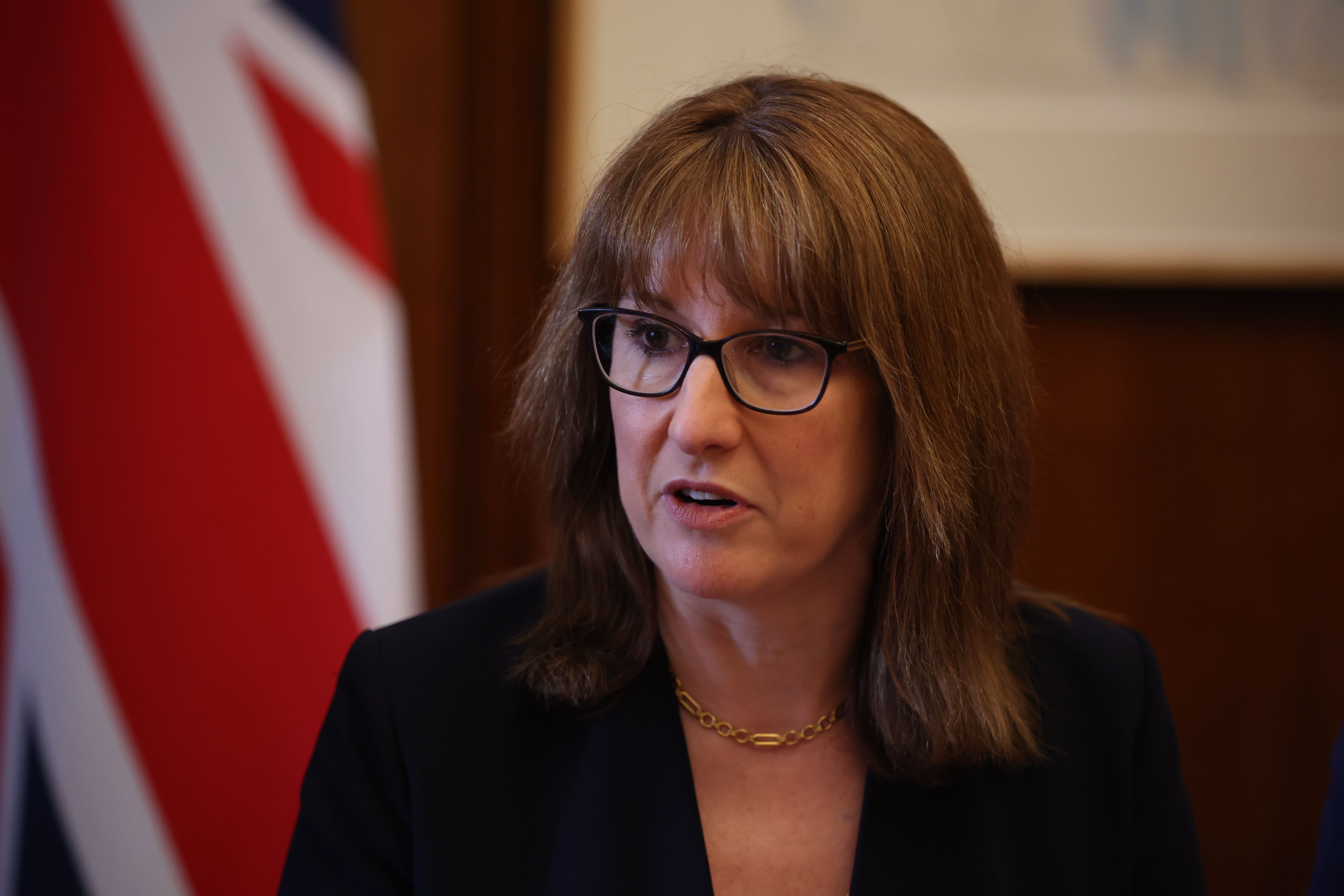
Today, the equivalent influencer in chief is Rachel Reeves, who wants Britons to put more of their cash into shares to help get them better returns, support UK businesses and the London Stock Exchange. Since she has spouted this wisdom, the market has been trading down due to heightened geopolitical tensions in the Middle East, fears over a severe oil supply shock, rising inflation and potential stagflation. Right now, a lot of people with stocks are losing money, as is always the risk.
Whatever the manosphere bros would have us believe, investing is a long-term game, with most financial experts advising to wait at least five years before selling in order to ride out any short-term fluctuations. The longer you hold, the higher the chance of a higher return.

Everyone gaining financial literacy and earning more cash sounds great. But Edwards points out we aren’t going to topple inequality in this way alone. “In the Eighties, lots of people sold their shares quite quickly,” she says. “It didn’t create enough of an investing culture where people then reinvested money in something else. It was a one-off. They were like, ‘Ooh, I bought these shares in BT and now I can sell them for a bit of money.’
“There wasn’t enough infrastructure, or support, or education that meant people felt confident in investing, creating a diverse portfolio. So, all those shares just got bought up by institutional investors, which meant the shares wound up back with these large financial institutions, who are already very dominant in the financial markets and have a big say in how our economy is run.”
So, who do you trust and what do you do? Especially in these precarious times, when some finfluencers claim we’re on the brink of a financial armageddon and the best thing to do is bury your cash in the woods?
Gregersen warns against taking the advice of any influencers who claim to have “frontrunner tips” about the market. “If you’re in the know, you’ll shut up and make those millions yourself, right?” he says.
His second red flag is anyone who is flogging a “bespoke trading system” and is offering to mentor people if they want to leave their 9-to-5 job. “It’s a sort of finance multi-level marketing scheme where the hook is that you’re the trader but you’re being bled dry by all these weird partnerships,” he explains. “Long-term investments are fine – but there are no get-rich-quick schemes.”


The Financial Conduct Authority (FCA) has previously expressed concern that finfluencers’ advice can be misleading and that they have “little knowledge of what they’re promoting”. They added: “This lack of expertise is reflected in the large number of promotions that are either illegal or non-compliant, making it likely that consumers will see poor-quality information on social media.” Luckily for me, McGrath is one of a handful of content creators to have actually worked with the FCA to ensure safe and smart information is shared online.
Elsewhere, China’s Cyberspace Administration has banned influencers who don’t possess degrees in finance, health or law from speaking on the topics online, in an aggressive step to prevent fraud and misinformation. No such big swing is planned in the UK as of yet.
“We want consumers to feel confident when investing, and legitimate finfluencers can provide really useful advice,” the FCA told me. “However, other so-called ‘influencers’ are unauthorised and promoting outright scams or high-risk investment schemes without explaining the risks,” a spokesperson added, pointing to the FCA Firm Checker as a tool to avoid being duped. “We are continuing to engage with finfluencers who want to play by the rules and help consumers. We will soon be providing new guidance for them.” In the meantime, scroll with care.