


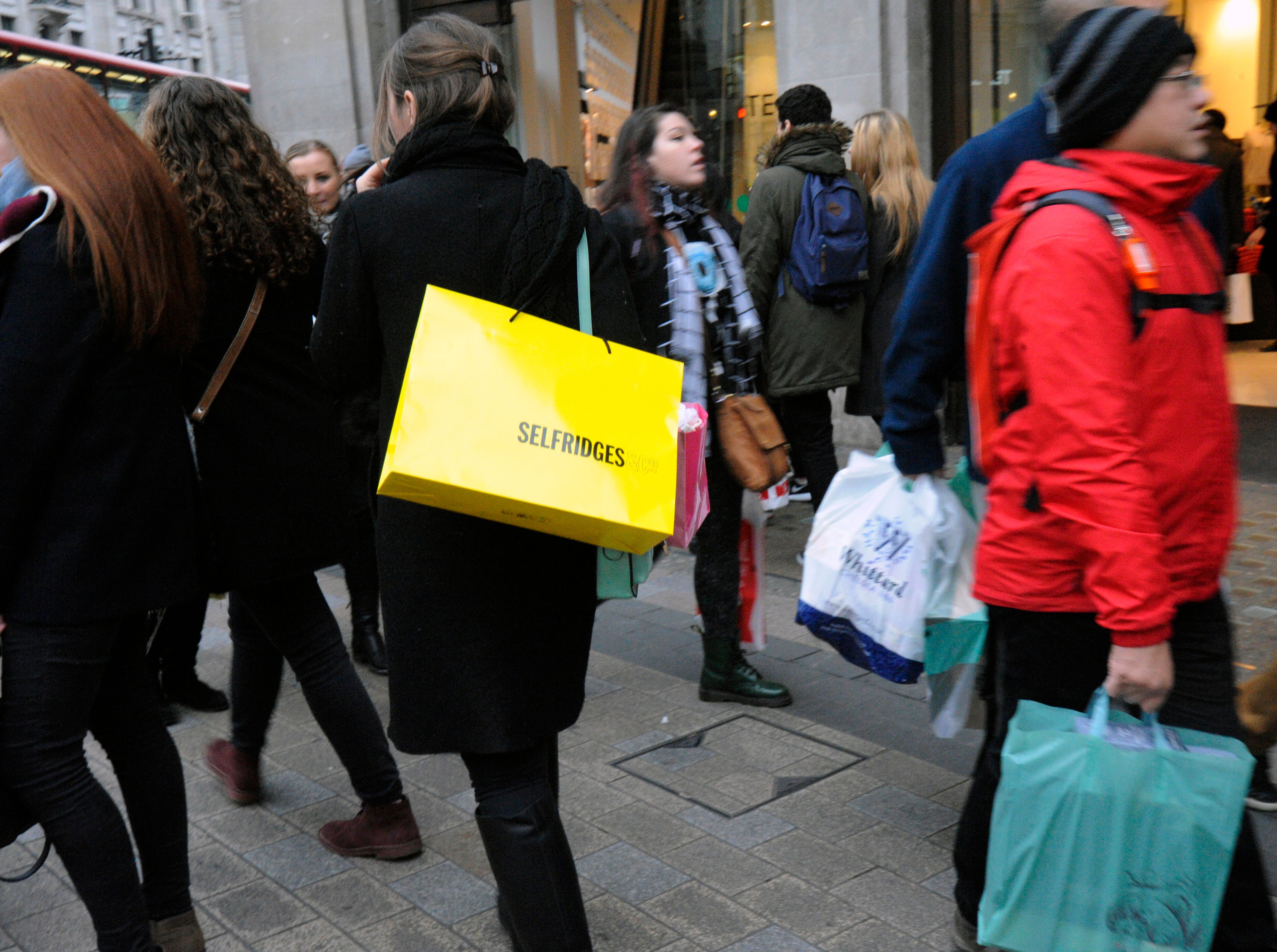
UK high streets and shopping destinations are showing signs of recovery as more than 13 retail stores opened each week over the past year, according to new figures.
However, England and Wales have still seen more than 6,000 retail premises vanish from local communities over the past five years.
Analysis of Valuation Office Agency data by tax firm Ryan, found that there were 507,810 retail premises across England and Wales at the end of 2025.
It said the figures showed that a recent contraction across the sector has appeared to stabilise, with a 723 net increase in the number of retail stores compared with a year earlier.
Property numbers increased across every region of England and Wales, with the exception of the North West, which saw a decline of 41.
It suggests that parts of the sector are now beginning to rebalance following significant structural contraction seen since the pandemic.
The creation of new retail units also comes as many retail real estate firms, such as Hammerson, have turned empty large units, often former department stores, into a greater number of smaller units.
Other retail groups, such as John Lewis, have moved away from ambitions to transform some retail property for other uses such as rental accommodation.
Nevertheless, the retail sector is still facing pressure from higher business rates for many firms, increased labour costs and concerns over consumer sentiment.
The data also shows that there has also been significant decline over the past few years, with a net reduction of 6,045 retail properties since the end of 2020.
London recorded the largest five-year regional reduction, with 1,266 retail premises disappearing over the period, followed by the South East (-1,191), North West (-719) and North East (-672).
The figures show retail premises which have permanently disappeared from communities altogether, having either been demolished or converted for alternative use.
The figures come as Ryan’s 2026 annual business rates review highlighted that the retail sector saw a 9.3% increase in rateable values at the 2026 business rates revaluation despite the major shift in the retail landscape since the pandemic.
Alex Probyn, practice leader for Europe and Asia-Pacific property tax at Ryan, said: “The pandemic accelerated structural changes that were already emerging across the retail sector, including changing consumer behaviour, hybrid working patterns and a reduced reliance on traditional retail floorspace in many locations.
“Many locations were arguably over-retailed before Covid and high streets have evolved towards more mixed-use environments, with retail space being rebalanced alongside growing demand for residential, leisure, hospitality and service-led uses.
“The revaluation outcome does suggest a large proportion of retail premises have seen bigger increases in their assessments than underlying market conditions and rental evidence would have led occupiers to expect.
“Retailers should therefore carefully review and, where appropriate, challenge their assessments.”