



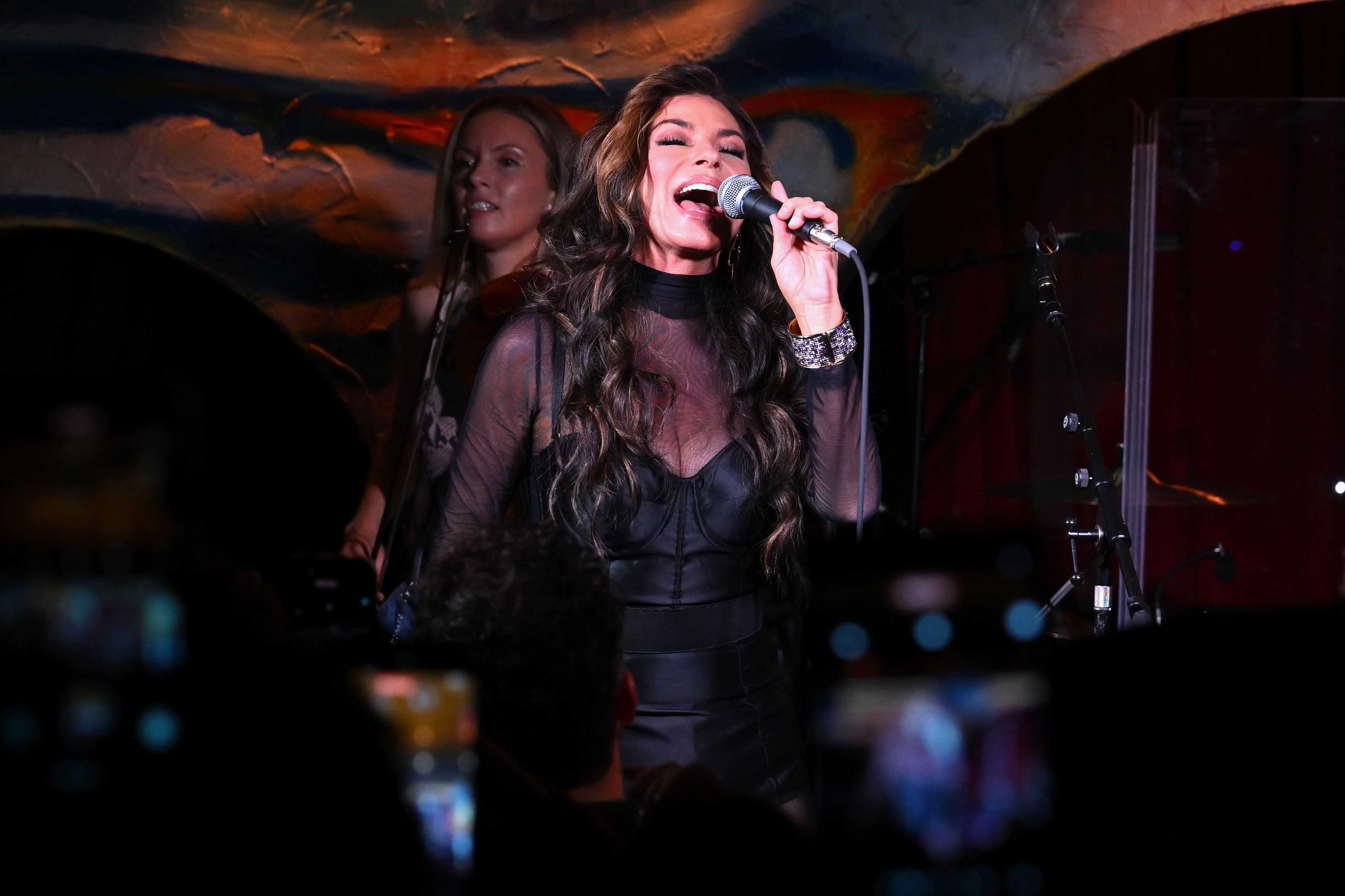
The Shacklewell Arms is one of London’s best small music venues, emerging mercifully unscathed from the great Gastro Pub scourge of the 2010s. From its graffiti-covered toilets to the tiny stage and low ceilings that drip with sweat, it’s the perfect place to scout out a hot new band. Tonight it’s packed to the rafters, pints are being poured, fans – wearing double denim, cowboy hats and a lot of leopard print – chatter excitedly.
So far, so normal. But this evening’s headliner is no newcomer. In fact, she’s one of the biggest-selling artists in history: a Grammy-winning, international superstar who changed the landscape of country music forever. “Please welcome,” the venue’s manager yells, “Shania Twain!”.
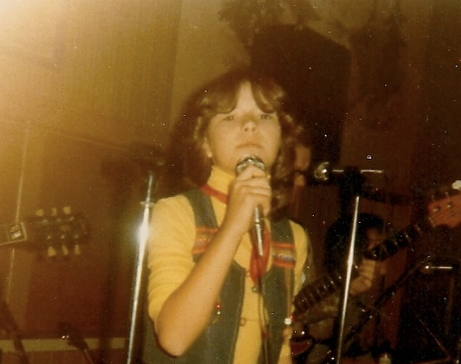
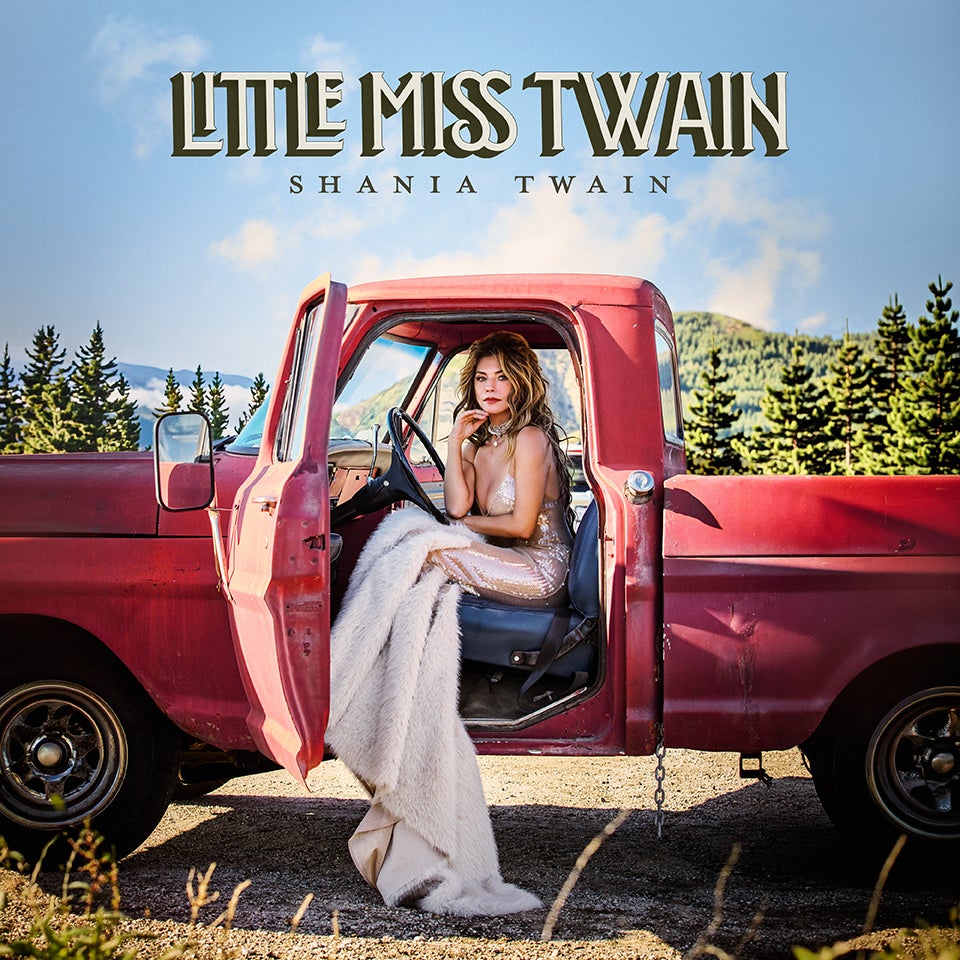
Hemmed in by stetsons and flailing arms, Twain’s sound engineer is understandably stressed, but the Canadian country-pop artist – resplendent in an all-black outfit and big hair – is having the time of her life, belting out hit after hit. More than 50 years ago, dive bars and watering holes were her stomping ground, where the eight-year-old Twain sang covers of Waylon Jennings and Hank Williams to earn money for her family in Timmins, Ontario. Tonight, she’s got her own songs – “Any Man of Mine” and “That Don’t Impress Me Much”, her new single “Dirty Rosie” – but throws in a barnstorming cover of “Cotton-Eyed Joe” for good measure. It’s a reclaiming, of sorts, as she prepares to release her new album Little Miss Twain, about the formative experiences that shaped her into the superstar she is today.
“Really, my mother was the one that made me get on stage,” Twain tells me. “I did not want to be in the spotlight. I was petrified of it.” We’re in the plush meeting room of a London hotel, not long before her 12-night stint opening for pop star (and noted Twain fan) Harry Styles at Wembley Stadium. Twain is on brilliant form: fizzy, playful and typically forthright. Her pet pomeranian, Sapphire, is tucked away with a minder; members of her team move quietly from room to room, tapping away on laptops or fetching more coffee.
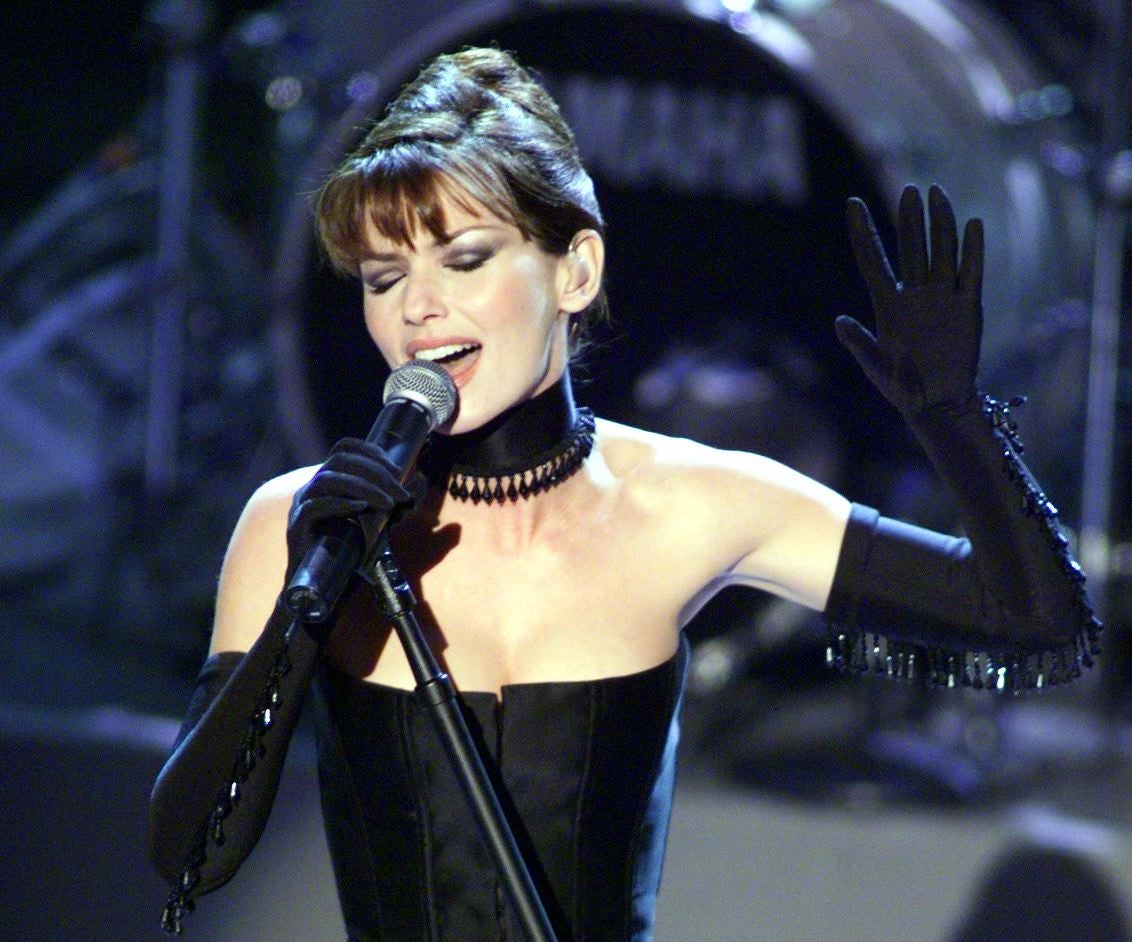
Styles, like many of us millennials, was raised on Twain’s music. She practically invented the art of the crossover record, breaking through in Nashville with her second album, The Woman in Me, in 1995 before incorporating rock and pop influences into 1997’s Come On Over. The latter was a multi-platinum sensation – spawning immortal hits like “Man! I Feel Like a Woman!”, “You’re Still the One” and “Love Gets Me Every Time” – and groundbreaking in the way it tackled themes of romance and female empowerment.
Those lessons of empowerment were hard-won. “It was not fun,” Twain continues of those early shows, pushing her dark tumble of hair from her face. “I had school the next day, and my parents would often fight because we’d burn the gas to go to the bar for me to sing.” A rowdy, smoke-filled bar was hardly an appropriate place for a child. “There was a lot about it that was unnatural,” she says, “including that it felt like a responsibility, not a fun thing. I loved singing in my bedroom with a hairbrush, or sitting by the river with my guitar, [not] being in a crowded bar with intoxicated people.” She developed early, wearing two bras to keep everything contained, and would hide her body under loose clothes. Her guitar was a shield. “I didn’t put it down until I was 13.”
Twain’s voice – honest, authentic, full of character – has always shone through in her music, but she faltered when it came to writing about this particular chapter in her history. “I’m just being honest now,” she says, “but I never thought it would be something fans would consider, you know, interesting.” This surprises me, given that Twain’s early life could form the basis of a thousand country songs, with its heartache and tragedy, and her eventual triumph against the odds.
She was raised in poverty, living through freezing-cold winters in a house with her mother, Sharon, and stepfather Jerry, a forestry worker who adopted Twain and her two sisters; the couple also had a son, Mark, and adopted Jerry’s nephew Daryl. Jerry was an Ojibwa Native American who suffered discrimination and mental illness – he was also an alcoholic who physically abused Sharon, and sexually abused Twain when she was 10. She wasn’t able to confront him as an adult, as both her parents died in a head-on collision with a logging truck when she was 22. Twain had to abandon her burgeoning career to raise her three youngest siblings, and it was only once they’d left home that she signed her first record deal, aged 27, in 1993.

Enjoy unlimited access to 100 million ad-free songs and podcasts with Amazon Music
Sign up now for a 30-day free trial. Terms apply.
Try for free
ADVERTISEMENT. If you sign up to this service we will earn commission. This revenue helps to fund journalism across The Independent.
Enjoy unlimited access to 100 million ad-free songs and podcasts with Amazon Music
Sign up now for a 30-day free trial. Terms apply.
Try for free
ADVERTISEMENT. If you sign up to this service we will earn commission. This revenue helps to fund journalism across The Independent.
Yet Little Miss Twain neither dwells on the most difficult parts of her life nor looks at it through rose-tinted glasses. Ensconced in country twangs of guitar, the pluck of banjos, gorgeous harmonies and the glide of fiddles, she remembers a first crush; a favourite pair of jeans she had as a teenager; nights under the stars; the beat-up truck she named Dirty Rosie.
“I was a free spirit,” she says with a grin. “I didn’t have a fun childhood, but I had moments that I clung to.” Like moments with her sister on the snow machine, or at bush parties around a campfire. “Where I come from is wild and untamed, and there’s something that stays there when you leave. The songs are written more like stories – the whole album’s a story in itself, my life from when I first hit the stage at eight years old to being signed in my late twenties,” she continues. “It’s a whole side of me that nobody really knows about; at least, not the musical journey of it – or my mother’s part in it.”
What was her mum like? “I think I’m a lot like her – she was very energetic, a real fast speaker, walked fast, did everything fast,” Twain says. “It’s a good question, because I didn’t get to know her as well as I wanted to. She died at 42, and I was 21 the last time I saw her. The most I knew of my mother was her neediness [towards] me, really; her dependence on me and my music.” Twain believes that Sharon, who suffered from depression, saw her music career as a means of escape. “She wanted to believe that this wasn’t it, that there was more, so she was living vicariously through her dreams that I’d be the next Tanya Tucker. She wanted to see one of us break that cycle of the life we had.”
Twain did break the cycle, but she also brings things full circle on the title track of the new album – a duet with Tucker herself. Now 67, the former child star – who shot to fame aged 13 with her debut single, “Delta Dawn”, in 1972 – joins Twain as she reflects on the hardships of that small town, her dreams of Nashville, Tennessee, and how she and her mum would push-start the old family Chevy to get to gigs. Elsewhere on the album, there’s the tale of giddy, forbidden teenage romance (“Faded Blue Jeans”), the empowerment bop “Dirty Rosie”, and the bluegrass-influenced opener “Stranger Things”, a gorgeous tribute to young love out in the wilderness.
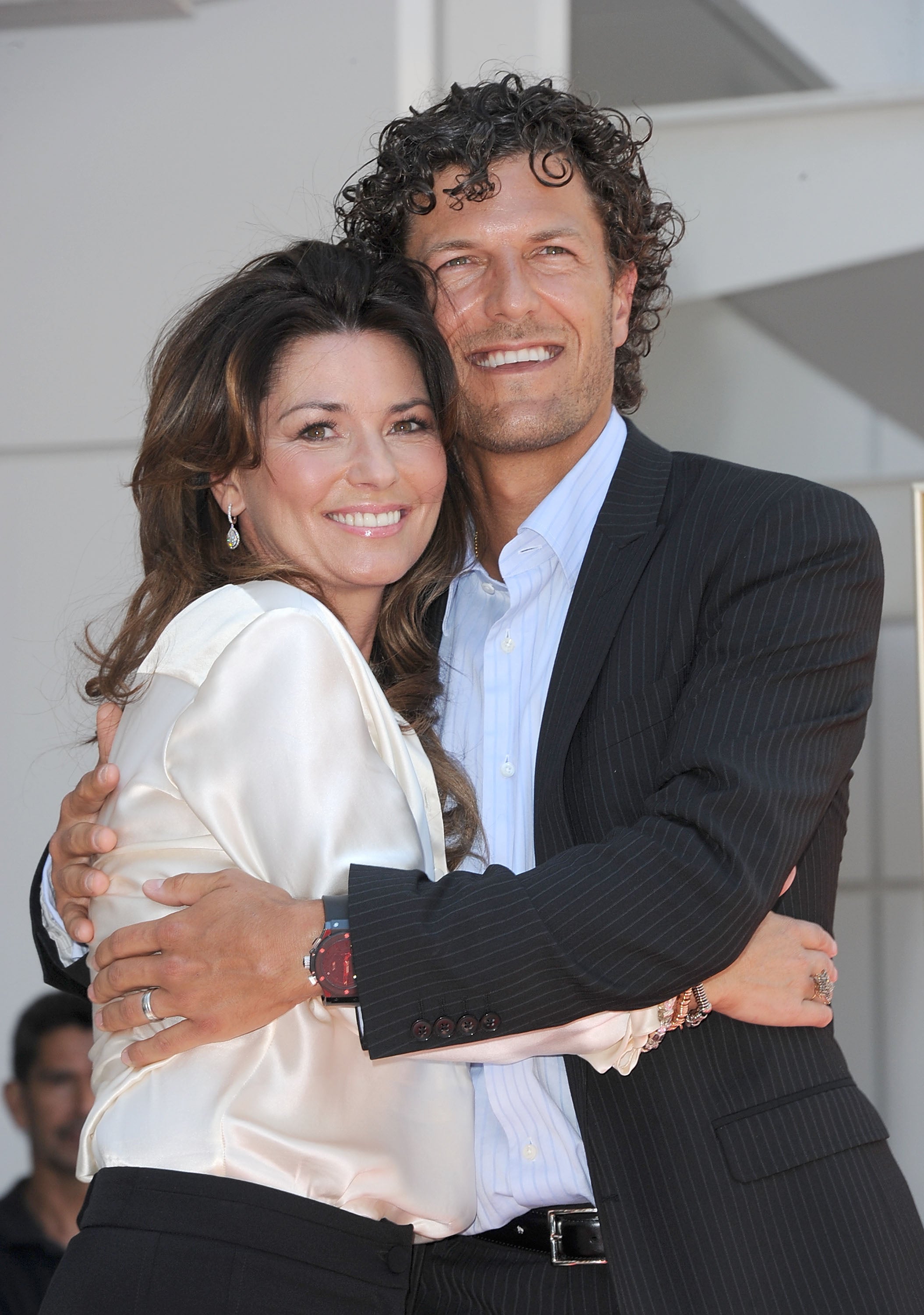
There’s also a song inspired by her husband, Swiss businessman Frédéric Thiébaud, who now works on her management team. The couple’s romance is the stuff of country music legend. Twain split from her first husband, Mutt Lange – who produced three of her albums, including Come On Over, and with whom she shares a son, Eja – after he revealed he was having an affair with her then close friend and personal assistant, Marie-Anne Thiébaud.
éTwain and Lange had moved to Switzerland amid her 15-year career hiatus: she contracted Lyme disease from a tick bite, suffering damage to the nerves that control her vocal cords, not long after releasing her fourth album. Amid the devastation of their divorces, she and Fred were there for one another; they fell in love, and married in 2011. They now split their time between the Swiss town of Corseaux and the Bahamas (Twain also has properties in Canada and Las Vegas), and seem blissfully happy.
Of course, no marriage is perfect. Growing up in Timmins, Twain spent a lot of her time by the Mattagami River. “I did a lot of thinking and reflecting there, whenever I needed to get grounded,” she says. One day, she and Fred had an argument; he wanted to talk, she needed to cool off. They compromised and took a walk together, down to the river (presumably not the Mattagami, but any river will do in a pinch).
“It solves everything,” Twain says. “That’s what my younger self would have done at that moment.” And then, as Little Miss Twain probably would have done, too, she wrote a song about it.
“Dirty Rosie” is the only new material she gives an airing while opening for Styles at Wembley. Otherwise, it’s the big hitters, backed by the same brilliant band she crowded onto the stage with at the Shacklewell. She and the former One Direction star met backstage at one of his solo shows, before he went truly stratospheric. He then invited her out as a surprise guest at Coachella in 2022, singing “Man! I Feel Like a Woman!” and “You’re Still the One”.
It was a “huge compliment” when he texted her to say he’d love her to join him at his London residency, she says: “It’s a once-in-a-lifetime thing to do.” What does she think makes him such a great pop star? “He’s just so real, and natural – he’s got a real calm way about him, he’s not hyperactive like me,” she says with a self-deprecating laugh. “But he’s funny, too; he doesn’t take himself too seriously, and I think that’s important.”
.jpeg)
Last time we spoke, back in 2020, Twain lamented the lack of space afforded to women in music. Since then, the landscape has shifted rather dramatically – artists such as Olivia Rodrigo, Sabrina Carpenter, Olivia Dean, Billie Eilish, Chappell Roan and Charli xcx are all challenging the notion that there can only be one woman at the top. Amid the resurgent country music boom, too, women are ruling the roost, not least Ella Langley (another Twain fan) with her runaway hit “Choosin’ Texas”.
“Well, because Shania Twain said something, and everything changed,” she responds, cackling. “No, really I think it was just becoming obvious to everybody that there was an imbalance. It took a bit of time to do something about it.” She has faith that “the best always rise to the top… as long as nobody gets in the way”.
Other things, unfortunately, have not changed. In recent weeks, younger pop artists like Rodrigo and Irish singer CMAT have both addressed ludicrous attacks on their clothing and bodies. Twain, memorably, received plenty of scrutiny herself over her bold outfits, her dancing, and her midriff-baring videos (Nashville lost its mind over those).
If she were to give her younger self any advice, knowing what was waiting for her, it’d be to embrace her insecurities and ditch the shyness. “If you’re not comfortable in your own skin, you will never be yourself,” she says. “That’s why I wrote ‘Man! I Feel Like a Woman!’. I was saying, ‘I’m over strapping my chest down’… that stopped after my first video.” Music videos were actually one of the best ways for her to express herself, to celebrate what she’d previously felt selfconscious about.
“I have a 60-year-old body, but I will walk on the beach in my bikini,” she adds, magnificently unbothered. “I don’t really care if [people] are OK with it or not, right? I don’t have any regrets about most things, but if I’d come out of my timid skin earlier, it would have been much healthier.”
‘Little Miss Twain’, the new album from Shania Twain, is out on 24 July

