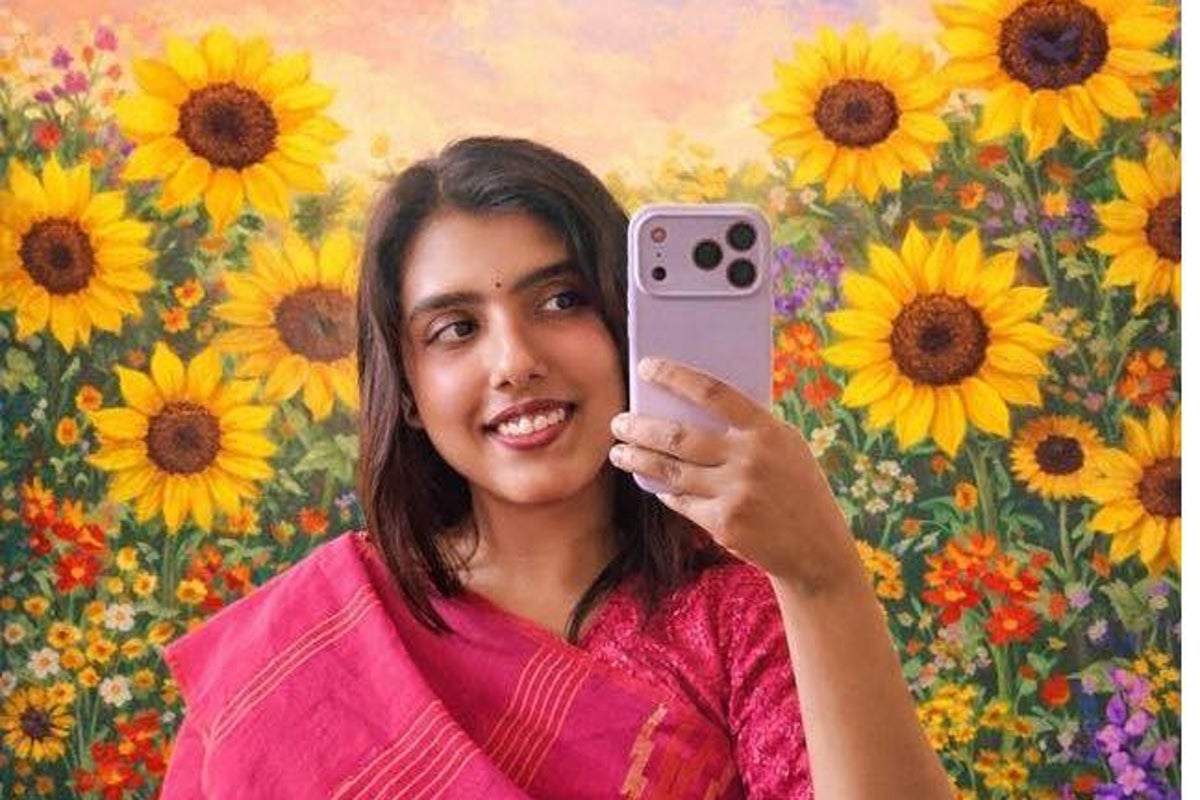
Human remains discovered near a bridge in the Tampa Bay area have been identified as Nahida Bristy, the second University of South Florida doctoral students reported missing last month, authorities announced Friday.
The remains, found Sunday, were confirmed to be Bristy through DNA, dental records and clothing, Hillsborough County Sheriff Chad Chronister said at a news conference.
“We have located Nahida Bristy. We have contacted her family. We are now actively working to release both bodies for religious reasons back to the families who live in Bangladesh,” Chronister said.
Bristy and her friend Zamil Limon, both 27, vanished within hours of each other on April 16. Limon’s remains were discovered April 24 along the Howard Frankland Bridge in Tampa. Bristy’s body was found about a week later in an advanced stage of decomposition. Investigators had been searching the area after locating Limon’s remains.
“We were able to confirm DNA, some dental work that she had done, and the clothing that she still had on from the video that we saw,” Chronister said.

Limon’s roommate, Hisham Abugharbieh, was arrested a few days later and charged with two counts of first-degree premeditated murder with a weapon in the deaths of Limon and Bristy.
According to investigators, Limon had been stabbed multiple times, bound, placed in a trash bag and left along the highway. His body was identified through fingerprints.
Two days after Limon’s remains were found, a black trash bag was spotted along the shoreline south of the initial discovery site. Inside were additional human remains, also in an “advanced stage of decomposition,” according to an arrest affidavit.
The bag was tied in a similar manner to the one containing Limon’s body, and the victim was wearing clothing consistent with what Bristy had last been seen wearing in surveillance footage. Like Limon, the victim had multiple stab wounds.
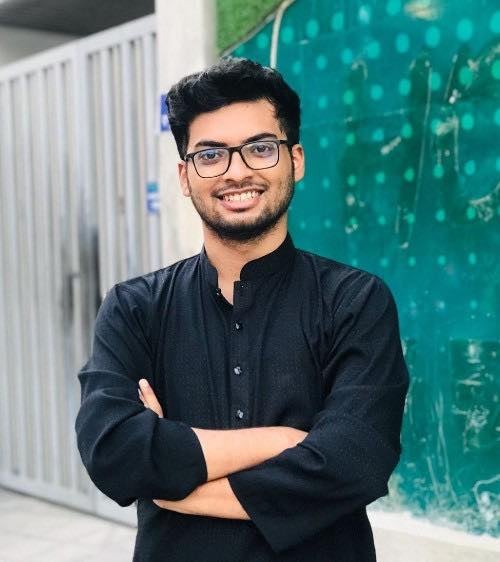
According to court filings, Abugharbieh drove Limon and Bristy from Tampa to Clearwater on April 16, the day they were last seen alive. He initially denied the trip but later admitted to dropping them off after investigators confronted him with phone and location data.
That same night, investigators say, Abugharbieh purchased trash bags, Lysol wipes and Febreze and later disposed of items including Bristy’s pink cellphone cover. The following day, location data shows he stopped along the Howard Frankland Bridge, where Limon’s body was eventually found.
Detectives later uncovered blood traces in the suspect’s kitchen and bedroom. Forensic analysis of a phone linked to Abugharbieh revealed internet searches related to concealing violent crimes. The killings were described by authorities as “calculated,” citing evidence of attempts to destroy or wipe phone and vehicle GPS data.
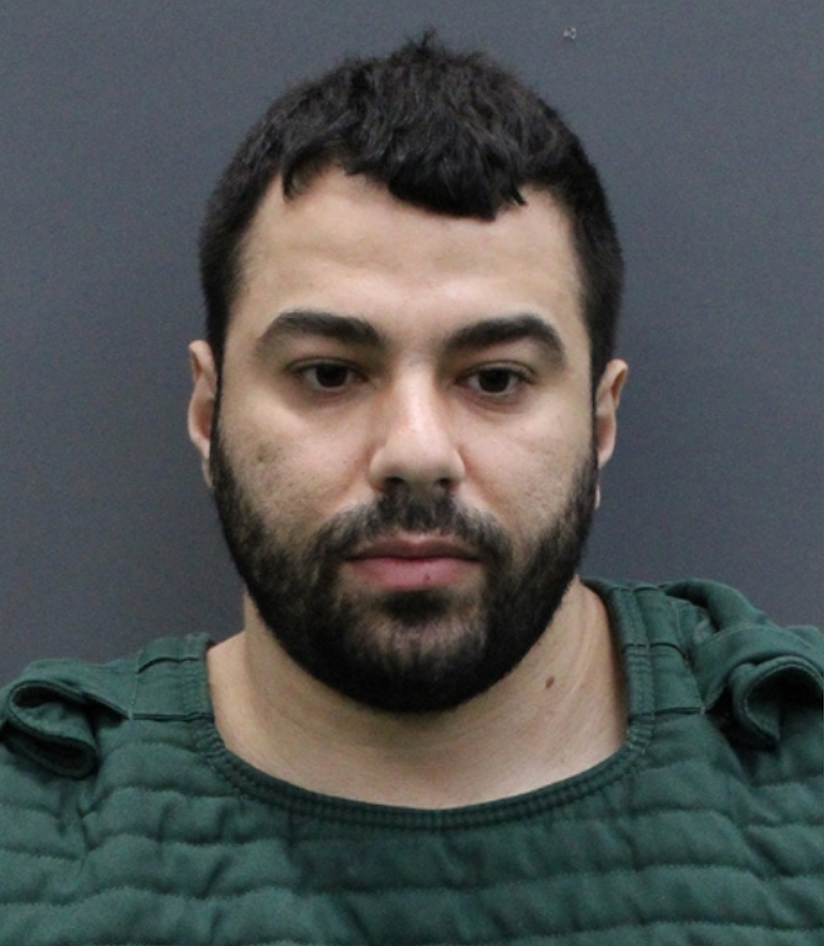
Abugharbieh is being held without bond at the Falkenburg Road Jail. A judge ordered him to remain in custody pending trial, citing the “brutal and violent nature” of the alleged crimes.
Additional charges against Abugharbieh include unlawfully moving a dead body, failure to report a death with intent to conceal, tampering with physical evidence, false imprisonment and battery. Authorities say a motive remains unclear.
Officials said the remains of both Bristy and Limon will be returned to their families in Bangladesh.