





Scientists have discovered a new marine dinosaur species that grew 43ft and terrorised the seas over 80 million years ago.
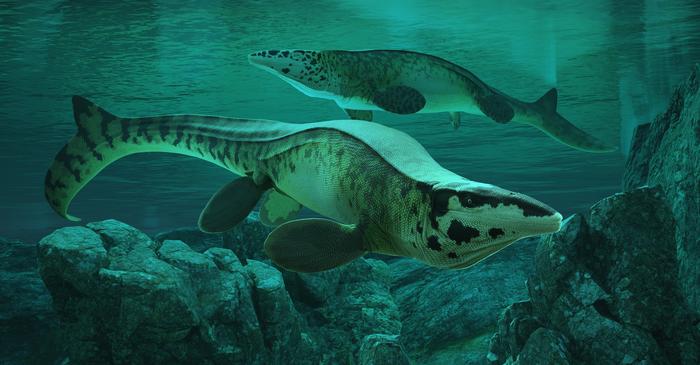
Tylosaurus rex – T rex for short – was a massive mosasaur reptile that lived primarily in what is now northern Texas.
Its name means “king of the tylosaurs”, researchers say, distinguishing it from the iconic land dinosaur Tyrannosaurus rex, which translates to “tyrant lizard”.
“Besides being huge, roughly twice the length of the largest great white sharks, T rex appeared to be a much meaner animal than other mosasaurs,” said Ron Tykoski, author of a new study published in the journal Bulletin of the American Museum of Natural History.
“Through our study and examination of well-preserved fossils collected throughout the north Texas region, we have evidence of violence within this species to a degree not previously seen in other Tylosaurus specimens.”

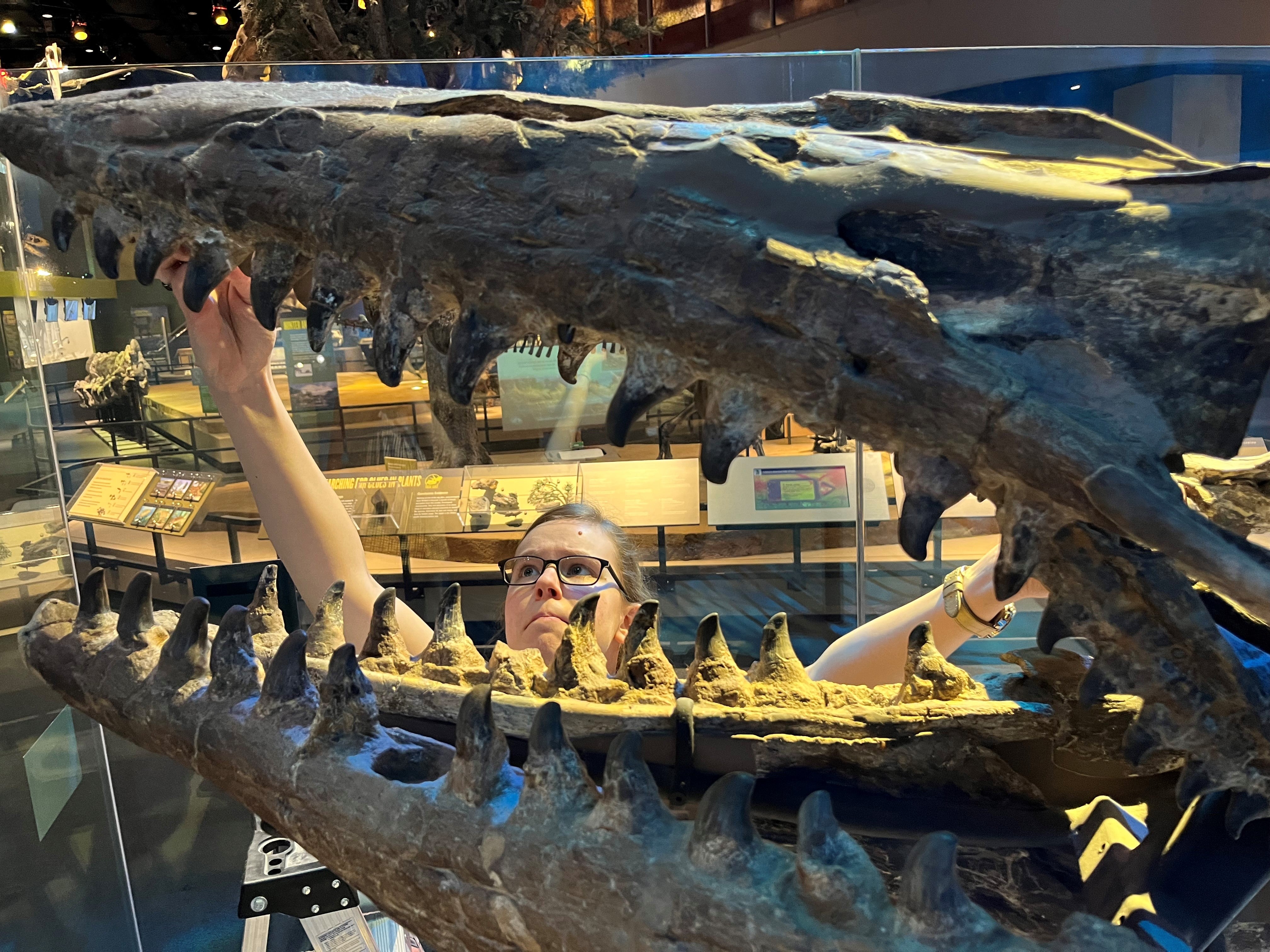
Researchers analysed fossils kept at the American Museum of Natural History as well as more than a dozen similar samples held at other institutions, following suspicion that they represented a different animal.
These fossils had finely serrated teeth, a trait uncommon among mosasaurs.
They were also four million years younger than the species Tylosaurus proriger to which the specimen were thought to belong.
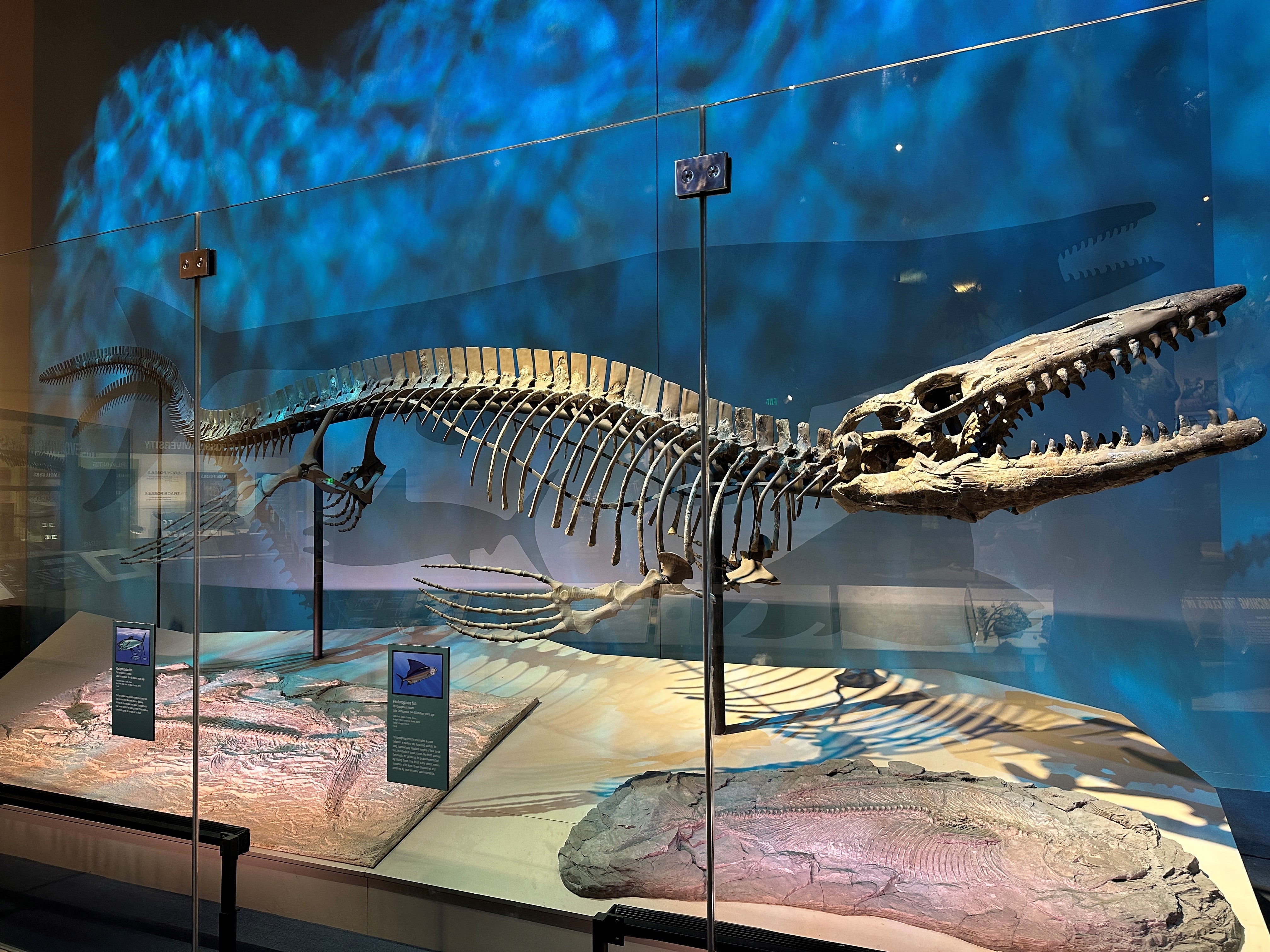
Researchers arrived at the name T rex in homage to the palaeontologist John Thurmond, who first recognised tylosaurs as a new species in the late 1960s.
The species had exceptionally strong jaw and neck muscles, suggesting that it was a powerful predator.
One T rex specimen housed in the Perot Museum’s collection, nicknamed “The Black Knight”, is missing the tip of the snout and has a fractured lower jaw, damage scientists claim could only be inflicted by its own species.
The findings suggest that relationships of known mosasaur species need to be re-examined, as most prior studies relied on the same, minimally modified dataset for decades.

Now, researchers have assembled a comprehensively revised mosasaur fossil sample dataset, which could lead to a new arrangement of evolutionary relationships among tylosaurs.
“It highlights the need to revisit long-standing assumptions about mosasaur evolution and to modernise the tools we use to study these iconic marine reptiles,” said Amelia Zietlow, a co-author of the study.
“These findings reshape both the physical and evolutionary picture of mosasaurs, underscoring Texas as a key region for understanding ancient marine ecosystems and signalling a new era of research into the evolutionary history of these formidable predators,” said Michael Polcyn, another study author,

