



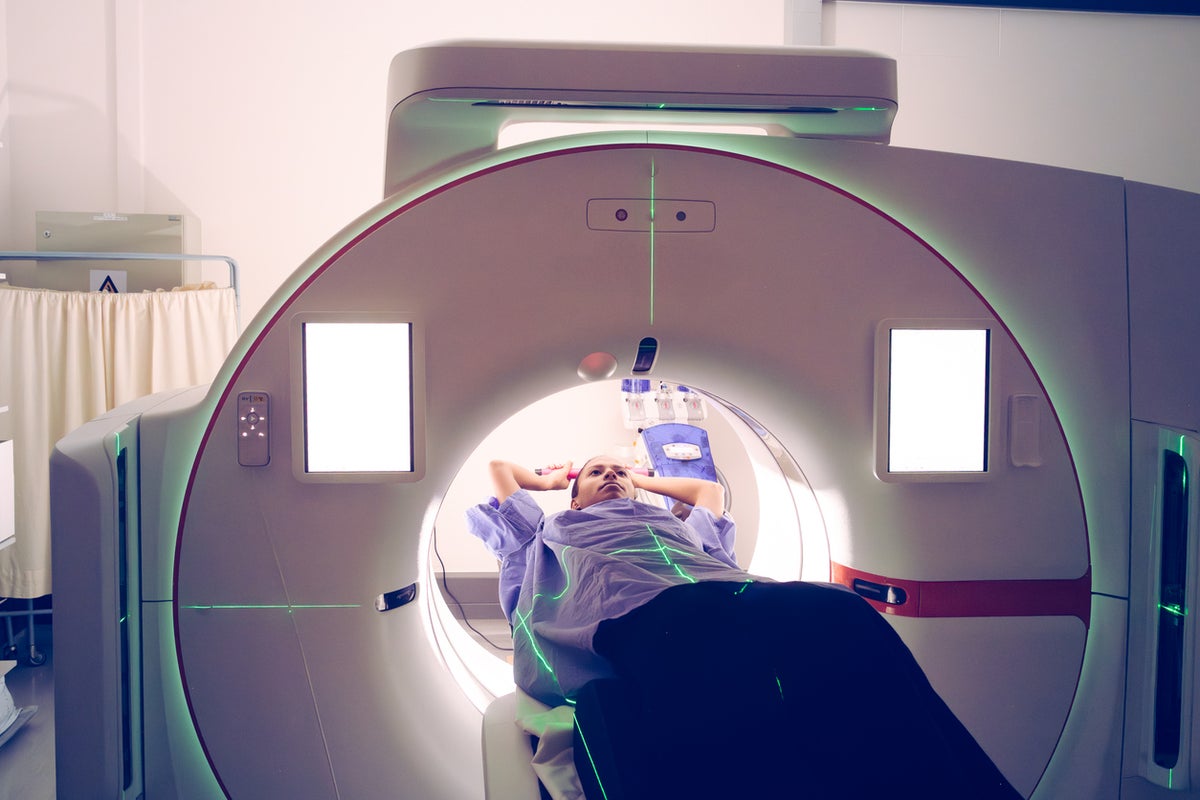
Modern medicine has made significant advances in cancer treatments over the decades. But all cancer therapies still face one critical challenge: how to target cancers without damaging healthy cells.
Imperfect solutions lead to side-effects: surgery and radiation can damage nearby healthy tissue, while chemotherapy can indiscriminately target fast-growing cells, damaging healthy hair follicles and stomach lining.
An alternative approach involves recruiting a surprising ally: bacteria. Some species of bacteria cannot survive in the presence of oxygen. They live in low-oxygen environments such as deep in the soil or at the bottom of lakes. These so-called anaerobes are generally unable to infect healthy tissues, in which oxygen is abundant.
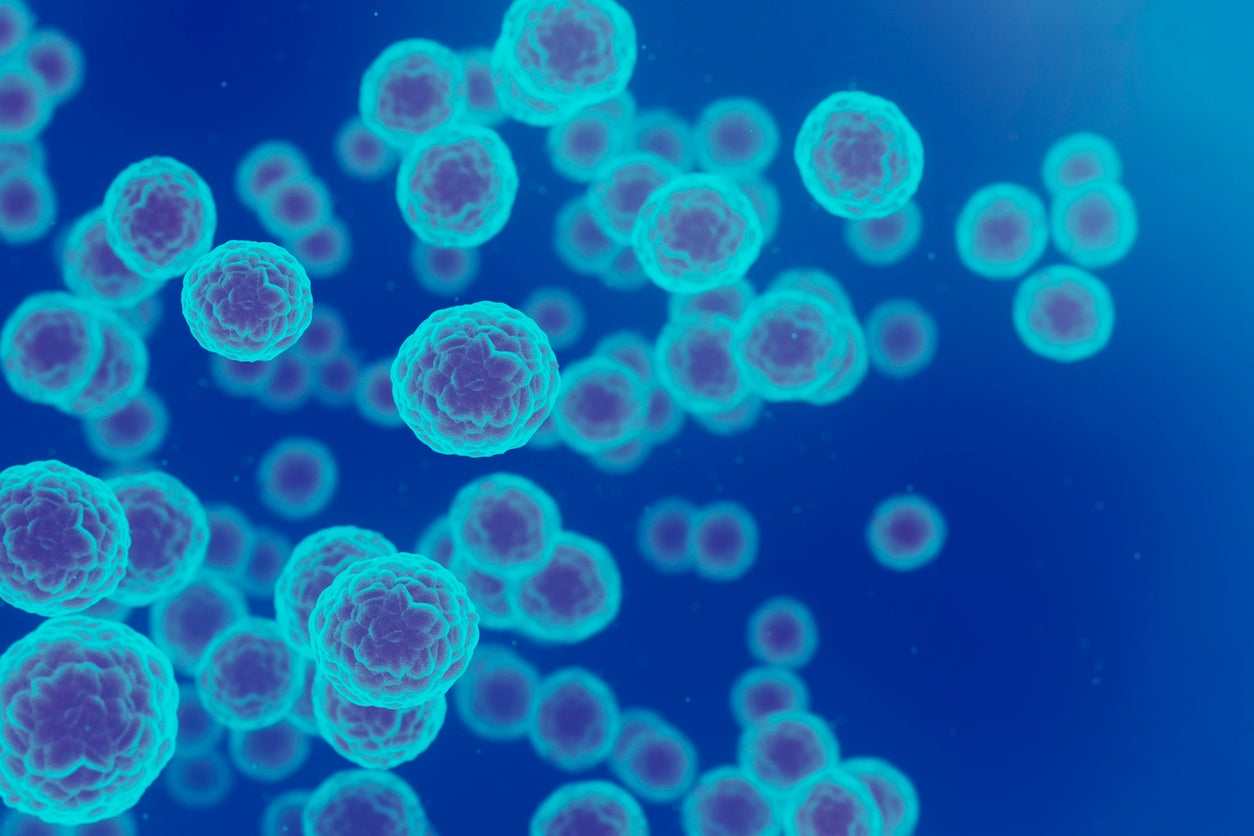
In contrast, cancerous tumours are not well-oxygenated. As tumours grow, their blood supply becomes abnormal and inefficient, leading to poorly oxygenated regions in the tumour interior. This low oxygen environment provides a unique niche for an anaerobic bacterial infection.
To employ these bacteria in cancer therapies, doctors could inject a patient with dormant spores of an anaerobe. Those spores would travel the bloodstream and remain inert in healthy oxygenated tissue. When spores find their way into tumours, they can initiate self-limiting infections that could suppress the tumour. That’s the goal. The reality is more complicated.
Together with colleagues Bahram Zargar, CEO & Co-Founder of CREM Co Labs, and Sara Sadr, both alumni of the Department of Chemical Engineering at the University of Waterloo, we recently published research, that investigates the cancer-fighting potential of the bacterium Clostridium sporogenes.
History of using bacteria to treating cancer
Reports of cancer regression caused by bacterial infections have been made for millennia. In the context of modern medicine, William Coley, a physician working in New York at the turn of the 20th century, documented the case of a patient whose cancerous tumours had been repressed by a nasty infection.
Coley began testing therapies by injecting cancer patients with live bacteria harvested from these infections. In his early documentation of cases, one third of patients showed improvements, the majority showed no response and about five per cent died of the infection.
Not an encouraging start. But he persevered, and developed a treatment using heat-treated bacteria that resulted in better outcomes. These treatments, which involved stimulation of the immune system (an early example of immunotherapy), came to be known as Coley’s toxins.
The popularity of Coley’s treatments waned as other therapeutic approaches were developed. Treatment by surgery became safer, while radiation treatments and chemotherapy proved effective. These were much easier to characterize than the microbes in Coley’s toxins.
C. sporogenes and our research
Bacterial therapies continued to be the subject of research. In the mid-20th century, clinical trials were conducted to test the results of injection with spores of the anaerobic bacterium Clostridium sporogenes, a non-pathogenic soil bacterium. You may be familiar with C. sporogenes’ more famous cousins, such as C. tetani, which causes tetanus, and C. botulinum, the source of botox.
Pre-clinical tests in mice had confirmed that injected spores of C. sporogenes remained inactive in healthy tissue but grew in tumours. Patients in the clinical trials exhibited some tumour regression, but it was short-lived.
The bacterial cells damaged the tumour interior, but they did not reach the outer rim of the tumour, which is more oxygenated. The tumours continued to grow from those unaffected outer rims.
Fast forward to the 21st century and modern advances in genetic engineering. The field of synthetic biology is focused on building novel biological entities as tools to address engineering challenges.
The synthetic biology toolbox can be used to construct variants of anaerobic bacteria that can be more effective tumour suppressors than their native cousins.
Oxygen intolerance of C. sporogenes enables tumour targeting but also limits therapeutic potential. Recognizing that fact, we are pursuing an engineering solution that could realize the targeting benefit without facing the performance limitation.
We have engineered cells of the bacterium C. sporogenes cells in two ways: first by introducing a gene that enhances the bacteria’s ability to tolerate oxygen. The goal is to enable it to penetrate further toward a tumour’s outer rim.
Second, we introduced a control system that activates the bacteria only under desired conditions. This control system, called quorum sensing, ensures that the engineered oxygen tolerance is only “turned on” when bacterial cells have found a tumour and have grown to a threshold population density.
Future studies could connect this control system to other bacterial activities, such as activation of drug particles or stimulation of the host immune system.
Our investigation is still in the early stages. Its continued development will contribute to the research community’s efforts to engineer live biotherapeutic products toward improving the treatment of cancer.