


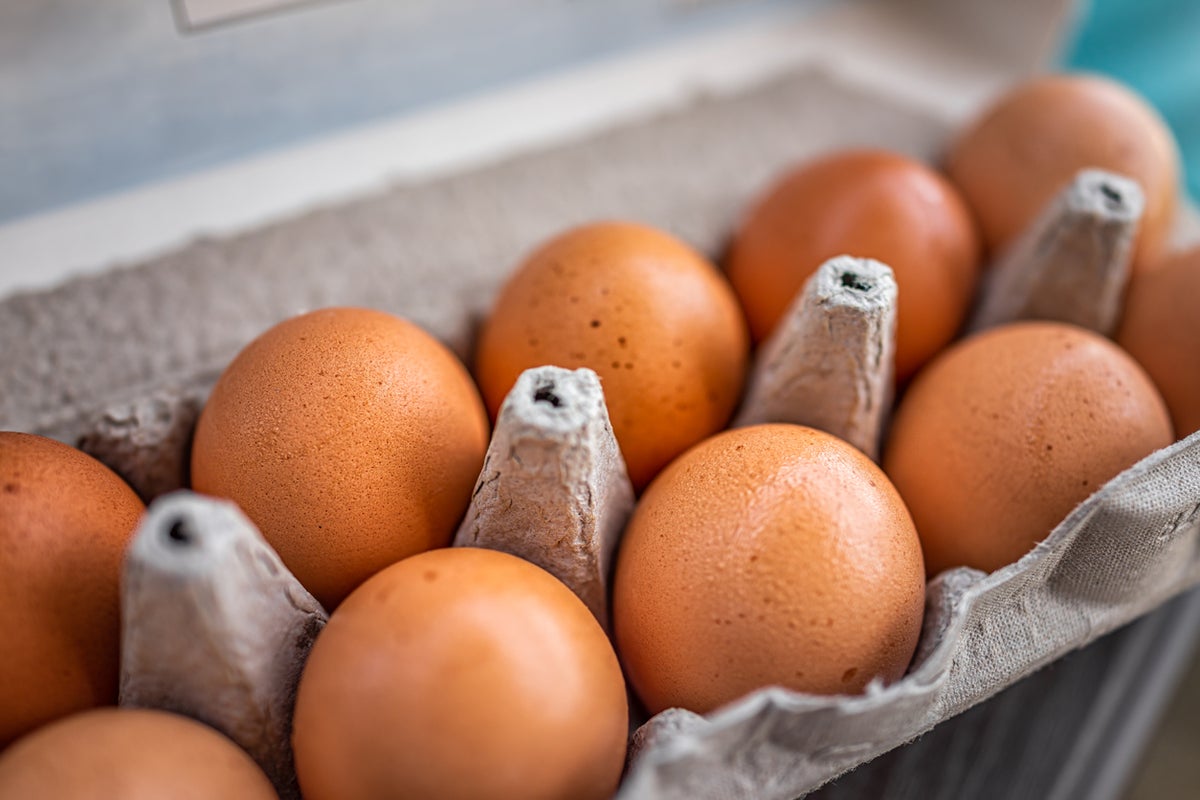
Sainsbury’s will ditch brown eggs and stock only white eggs in its latest move towards net zero, the retailer has confirmed.
The UK’s second-largest supermarket will sell only white-shell eggs under its own-brand label after studies showed that they have a lower carbon footprint than the brown alternatives.
White eggs have a 12.7 per cent smaller carbon footprint than brown ones, a carbon assessment carried out by SAC Consulting for Sainsbury’s found.
The eggs are laid by white-feathered hens, which naturally produce white eggs. The supermarket chain adds that they are more gentle and docile than brown hens, resulting in better flock health due to fewer behaviours like feather pecking.
Paired with a longer laying life and lower feed requirements, these hens produce the same egg output with less carbon demand, the research found.
Sainsbury’s said the shift towards lower-carbon eggs would help it hit its ambitious target to reach net zero within its own operations by 2035, and across all of its suppliers by 2050.
The aim is similar to the government’s goal to cut its climate pollution to zero overall by 2050, a mission recently reconfirmed by energy secretary Ed Miliband.

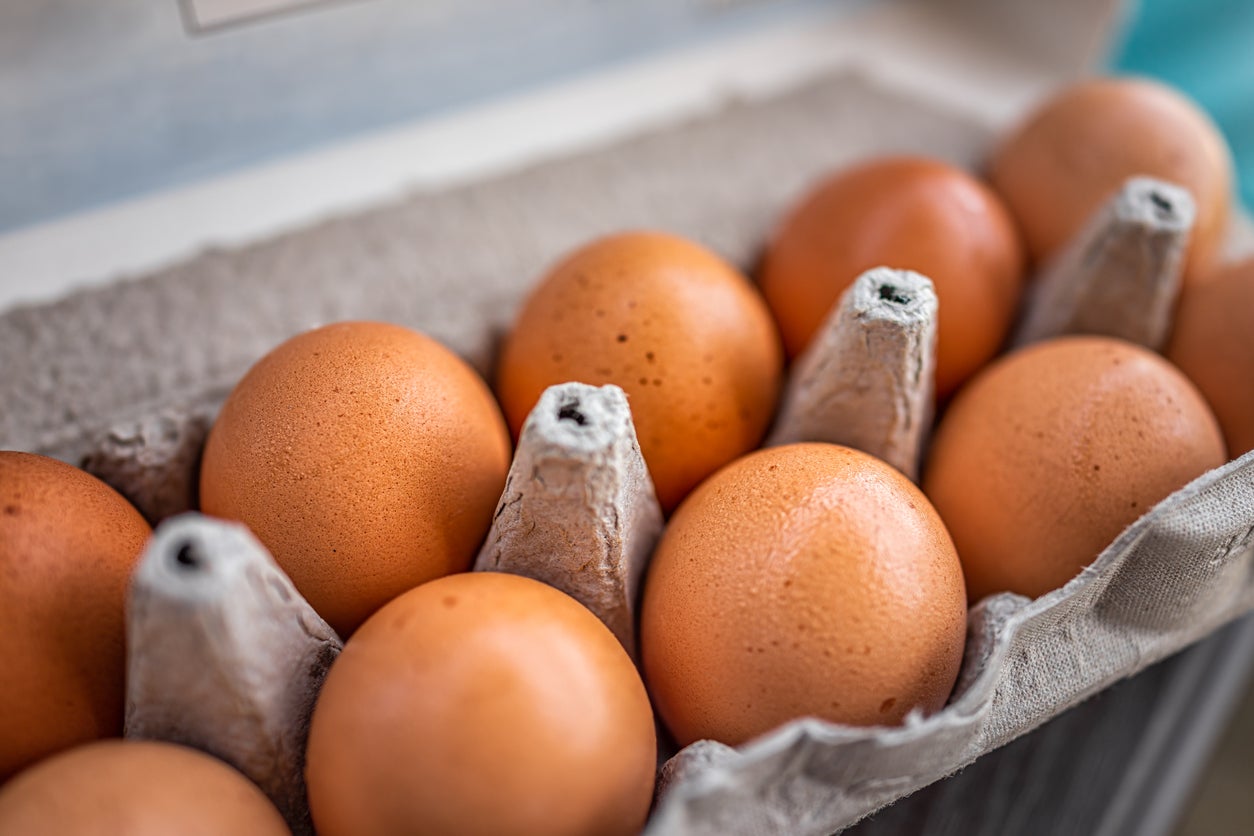
The switch to white eggs means Sainsbury’s returns to a trend last seen in the 1970s, when most eggs on supermarket shelves were white.
Brown eggs are understood to have become more common after reports that they were healthier and contained more nutrients, plus false advertising that white eggs are bleached.
This meant that the brown variety had accounted for the vast majority of supermarket egg sales until recently, with white eggs being more commonly bought in the hospitality sector.
However, supermarkets have begun testing interest in white-shelled eggs in recent years, especially during the Covid pandemic, when there was a greater demand for brown eggs due to panic-buying.

A Sainsbury’s spokesperson said: “White eggs have the same delicious taste and nutritional benefits as their brown counterparts, but result in lower carbon emissions and better welfare outcomes for the hens that lay them.
“White‑feathered hens typically live longer, eat less feed and lay eggs for longer, cutting carbon emissions by over 12 per cent compared with hens that lay brown eggs.
“We know Brits love their eggs and, as we work with suppliers to transition all of our own brand to white shells, they can now enjoy them knowing they are better for the environment and the hens.”