




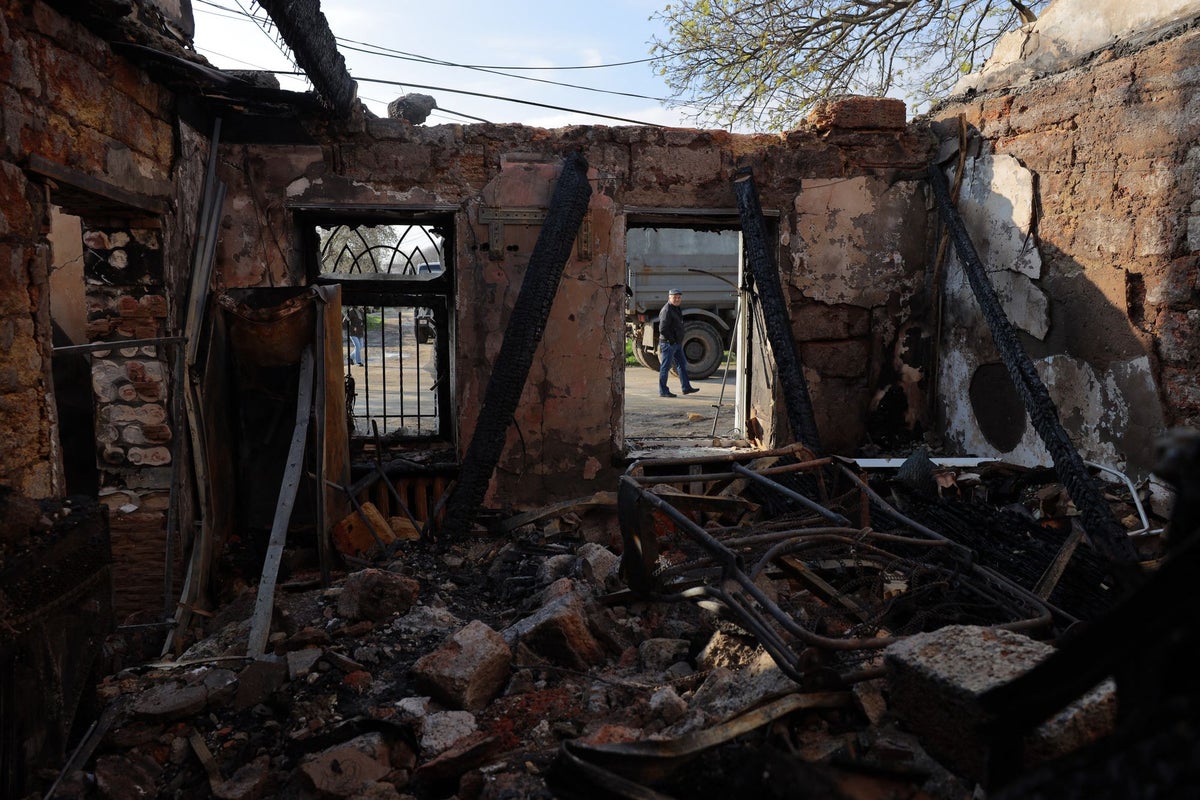
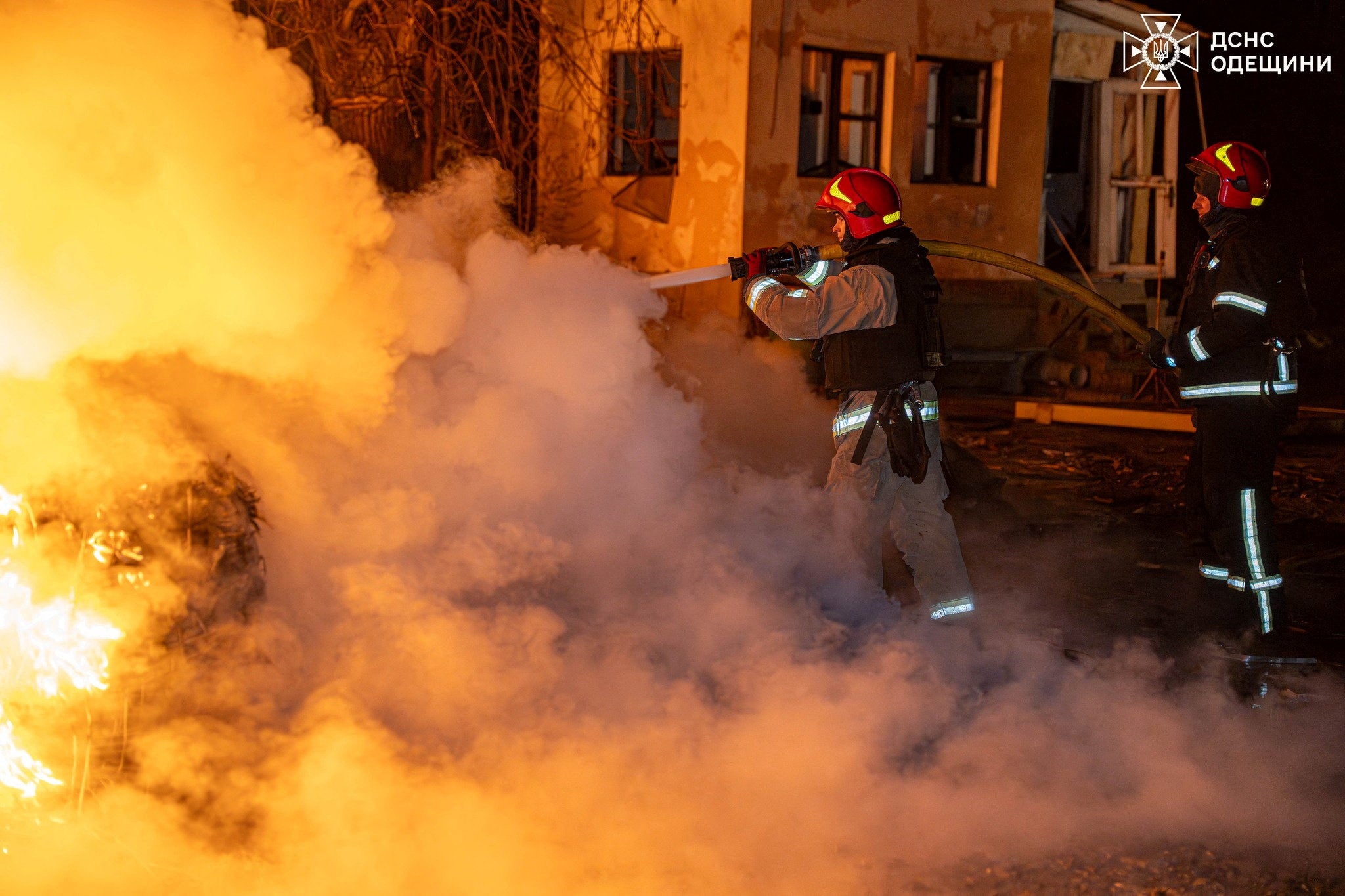
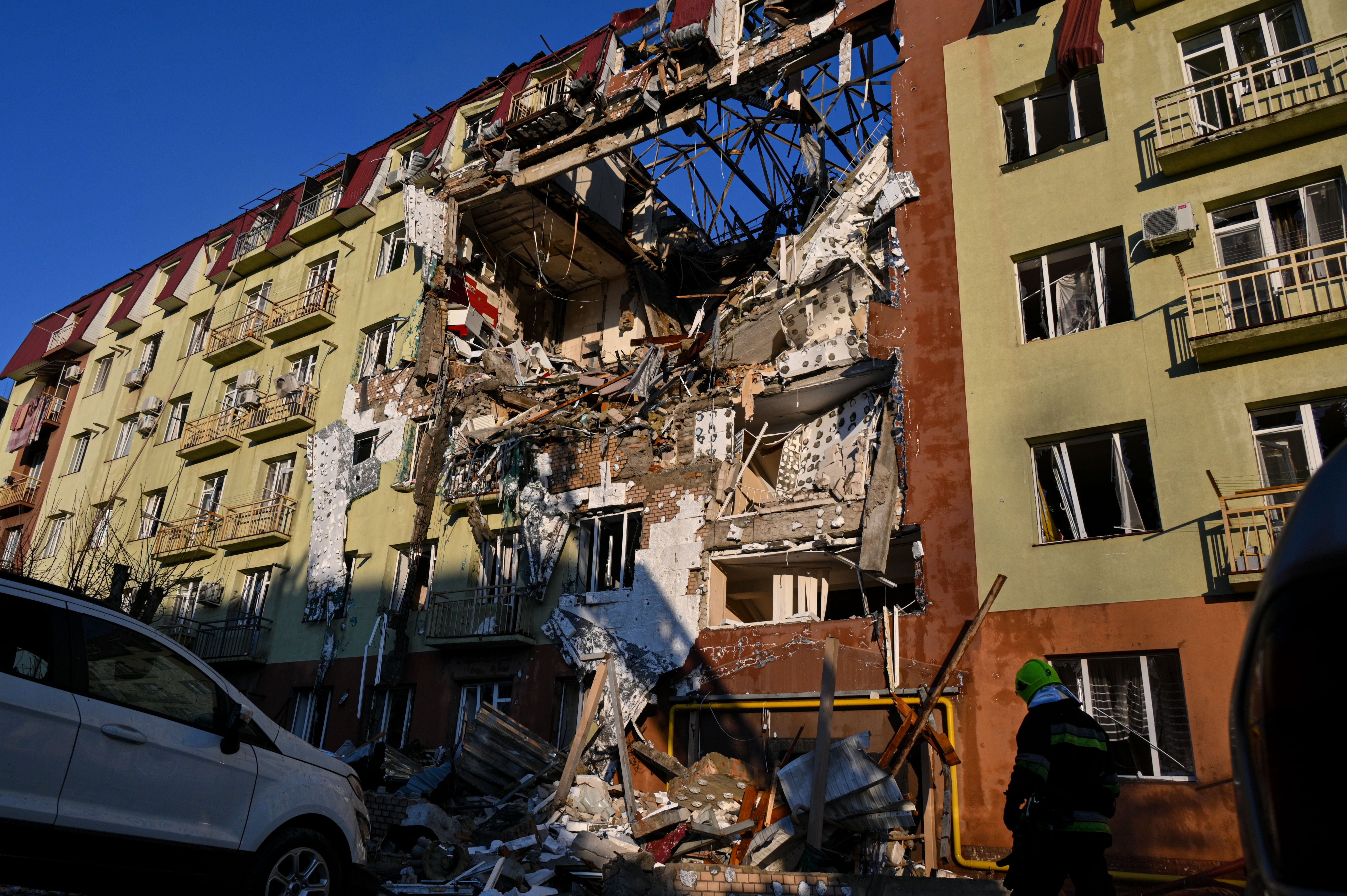
Russian drone strikes have killed at least two people in the Ukrainian city of Odesa, with two others wounded, local authorities reported overnight into Saturday.
The attacks on the Black Sea port city struck a residential area, causing damage to apartment buildings, private homes, and a kindergarten, just hours before a proposed Orthodox Easter ceasefire was set to begin.
According to the Ukrainian Air Force, Russia launched 160 drones across Ukraine during the night, with 133 of them successfully shot down or intercepted.
This extensive aerial assault occurred ahead of a 32-hour ceasefire declared by Russian President Vladimir Putin, which was intended to halt hostilities from 4pm on Saturday until the end of Sunday for the Orthodox Easter weekend.
In a separate claim, Russia’s Defence Ministry stated that 99 Ukrainian drones were intercepted and shot down overnight across Russia and occupied Crimea.
Ukrainian President Volodymyr Zelensky pledged on Saturday that his forces would abide by the ceasefire, characterising it as an opportunity to advance peace initiatives. However, he issued a stern warning that any violations of the truce would be met with a swift military response.

“Easter should be a time of silence and safety. A ceasefire (at) Easter could also become the beginning of real movement toward peace,” Zelensky wrote in an online post on Saturday.
But he added: “We all understand who we are dealing with. Ukraine will adhere to the ceasefire and respond strictly in kind.”
Ukraine earlier proposed to Russia a pause in attacks on each other’s energy infrastructure over the Orthodox Easter holiday.
Previous ceasefire attempts have had little impact, with both sides accusing each other of violations.
Kremlin spokesman Dmitry Peskov on Friday described Putin’s move as a “humanitarian” gesture, but said Moscow remains focused on a comprehensive settlement based on its longstanding demands — a key sticking point that has prevented the two sides from reaching an agreement.
Russia’s Defense Ministry said that a prisoner swap on Saturday brought home 175 of its soldiers.
Zelensky confirmed Saturday’s exchange, saying that 175 service members and seven civilians were returned.

“Most had been held in captivity since 2022. And finally, they are home,” he wrote on X.
At the exchange site in northern Ukraine, Svitlana Pohosyan waited for her son’s return. Asked about the ceasefire, she said: “I want to believe it. God willing, may it be so. We will believe and hope that everything will be fine, that a ceasefire will come on such a holy day, and that there will be peace — peace in Ukraine and peace in the whole world.”
“My celebration will come when my son returns,” she added. “I will hold him in my arms — and that will be the greatest celebration for me. And for every mother, every family.”
Periodic prisoner exchanges have been one of the few positive outcomes of otherwise fruitless monthsl ong US-brokered negotiations between Moscow and Kyiv. The talks have delivered no progress on key issues preventing an end to Russia’s invasion of its neighbor, now in its fifth year.

Separately, seven residents of Russia’s Kursk region returned from Ukraine Saturday after they were captured by the Ukrainian army, Russian state media reported. They were greeted at the Belarusian-Ukrainian border by Russia’s human rights ombudswoman, Tatyana Moskalkova.
According to Moskalkova, the returnees were the last of those who were taken to Ukraine from the Kursk region after the Ukrainian army took control of parts of the region in 2024.
Ukrainian forces made a surprise incursion into Kursk in August 2024 in one of their biggest battlefield successes in the war. The incursion was the first time Russian territory was occupied by an invader since World War II and dealt a humiliating blow to the Kremlin.

